

Reviving B’Lao’s traditional scented tea craft
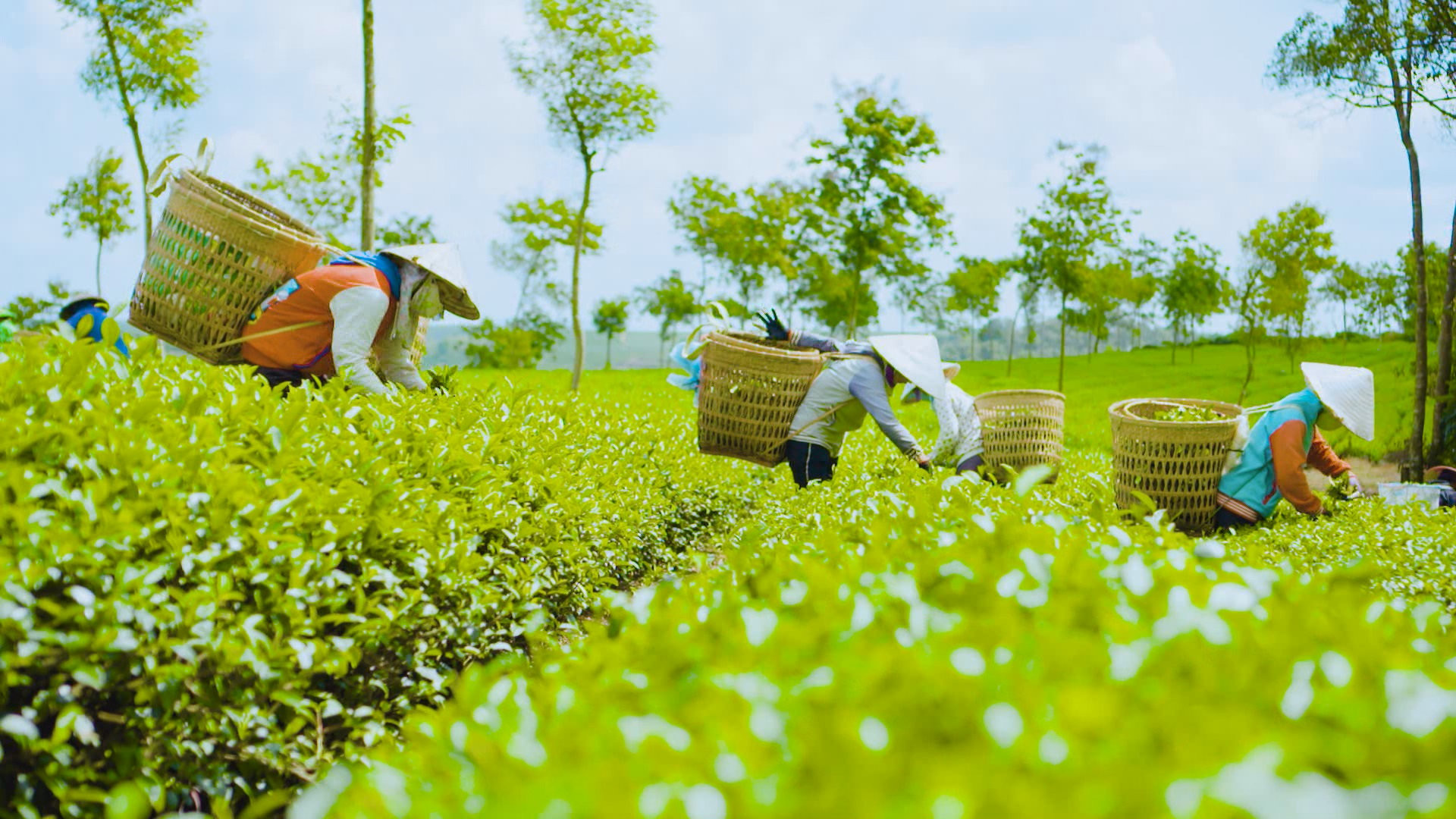
B’Lao scented tea has long been part of the Central Highlands’ distinctive flavour and identity. As modern tea factories expand, a younger generation born in the 1980s and 1990s is returning to traditional charcoal-fired tea making, carefully handling each tea bud to preserve and revive a craft passed down through generations.
Reviving the craft with traditional charcoal roasting
Born into a family with three generations of tea makers in B’Lao, Truong Cong Dat grew up surrounded by tea. It was not until 2018, however, that he decided to leave the city and return home to take over his family’s tea workshop.
After years of using industrial hot-air machinery, a turning point came in 2022 when Dat decided to bring his family’s traditional charcoal roaster back into use, reviving the method his parents had practised decades earlier.
The first batch surprised him. Instead of tasting “flat” and one-dimensional, the tea developed a deeper, richer flavour with multiple layers of aroma.
“That was when I realised what tea making truly meant. The excitement inspired me to make more and share these subtle flavours with tea lovers.” Dat said.
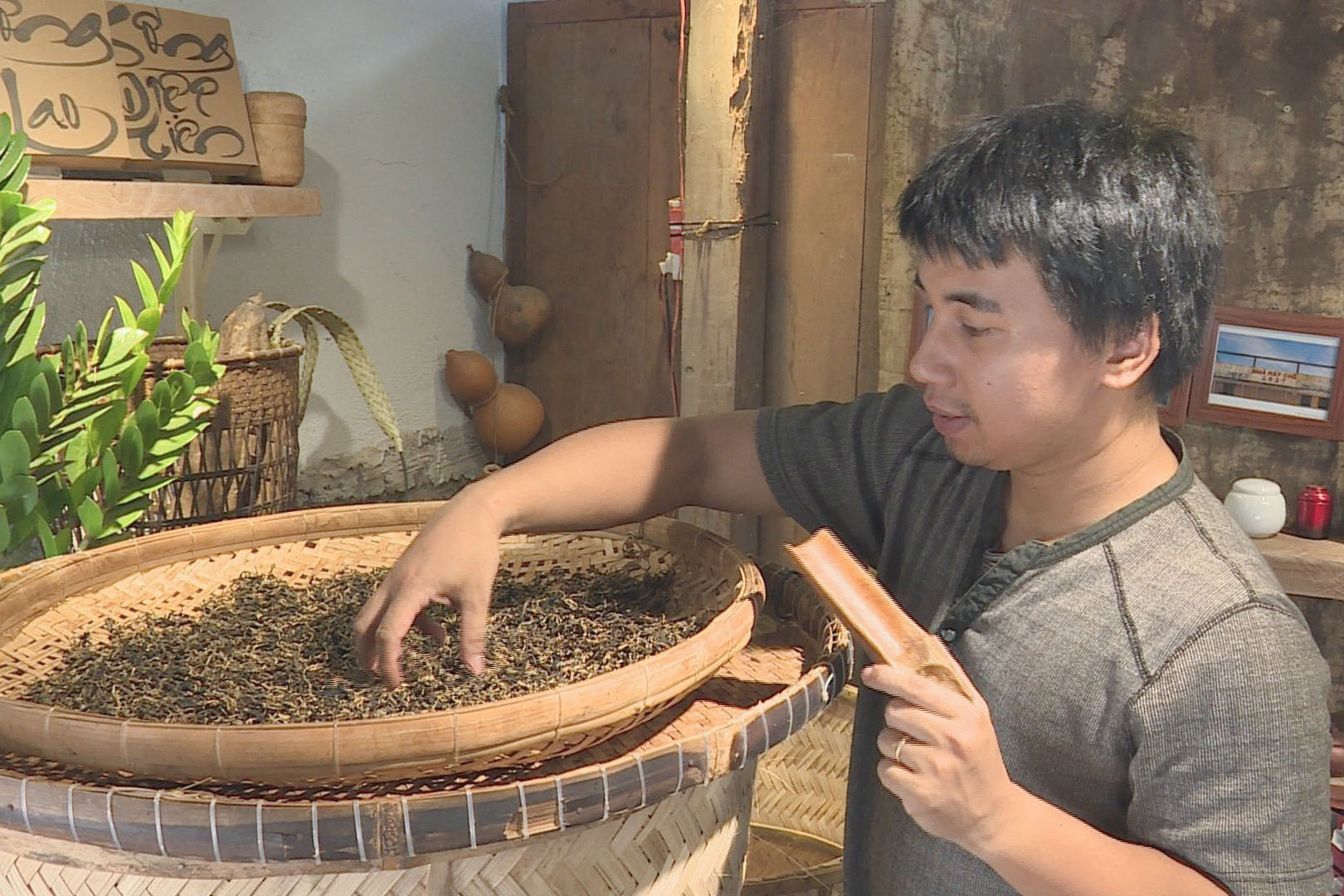
Through these batches, Dat eventually earned recognition from his parents as a true “tea craftsman” - a title reserved for someone who has spent years working beside smoky charcoal roasters, developing the sensitivity to judge whether tea leaves contain too much or too little moisture, whether a batch has fully developed its aroma or needs more time, and the patience to respond to the unpredictable nature of handcrafted tea.
B’Lao tea is a long-established and renowned brand closely associated with Bao Loc, formerly known as B’Lao. B’Lao Ward currently has more than 337 hectares of tea, of which over 330 hectares are under harvest. The area also preserves part of its traditional seed-grown tea varieties alongside cultivars such as TB14 and LD97, as well as varieties used to produce high-quality tea.
Hoang Bao Nguyen, Chairman of the B’Lao Ward People’s Committee
Bringing B’Lao tea heritage into modern life
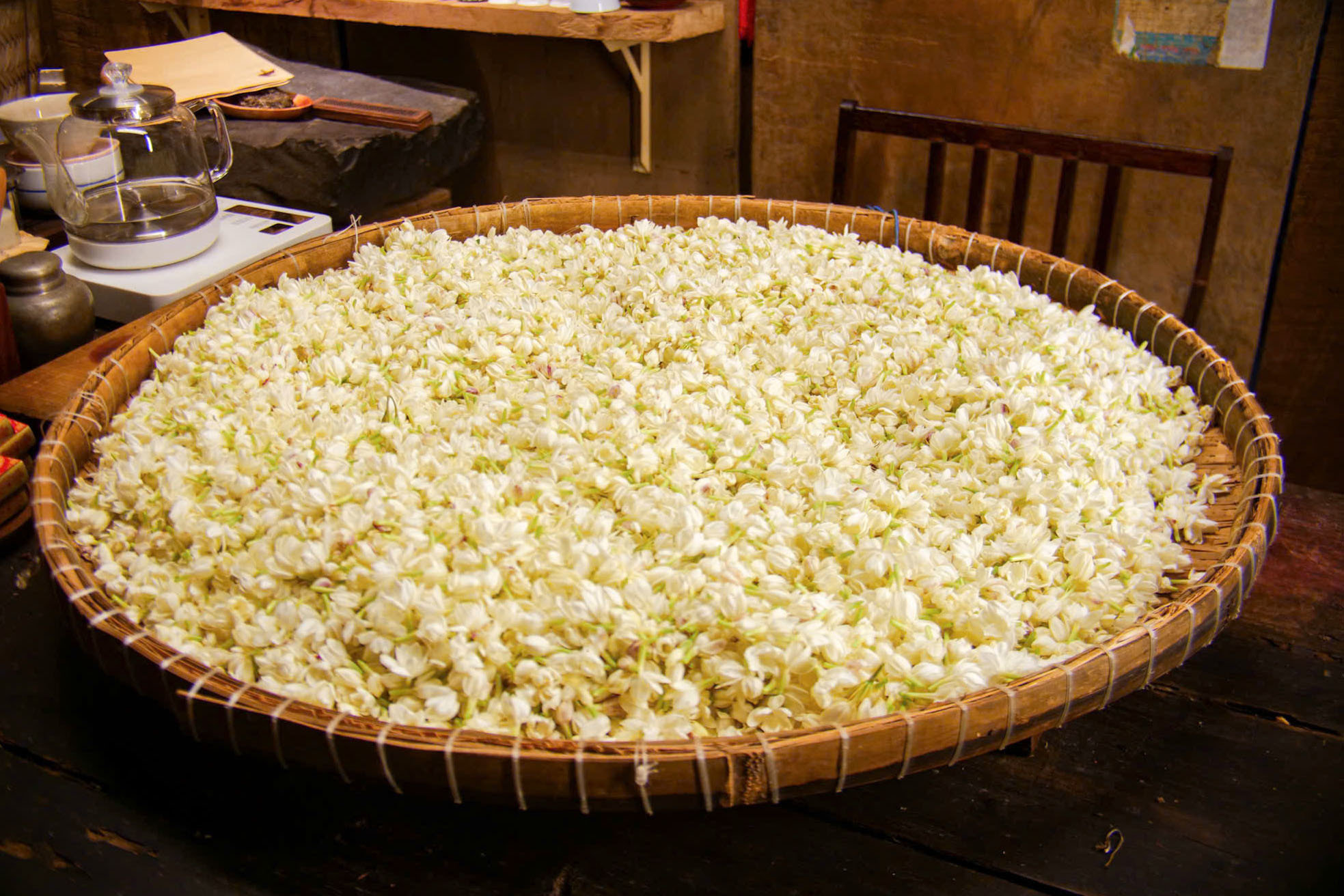
Making tea by hand means accepting a slower pace. For traditionally scented teas, the process follows nature’s own rhythm. Jasmine, for example, releases its fullest fragrance at around 7 - 8 p.m. Tea makers must wait for the precise moment when the flowers begin to open and release their essential oils before blending them with the tea. Too late, and the fragrance loses its freshness; too early, and the tea cannot fully absorb the scent.
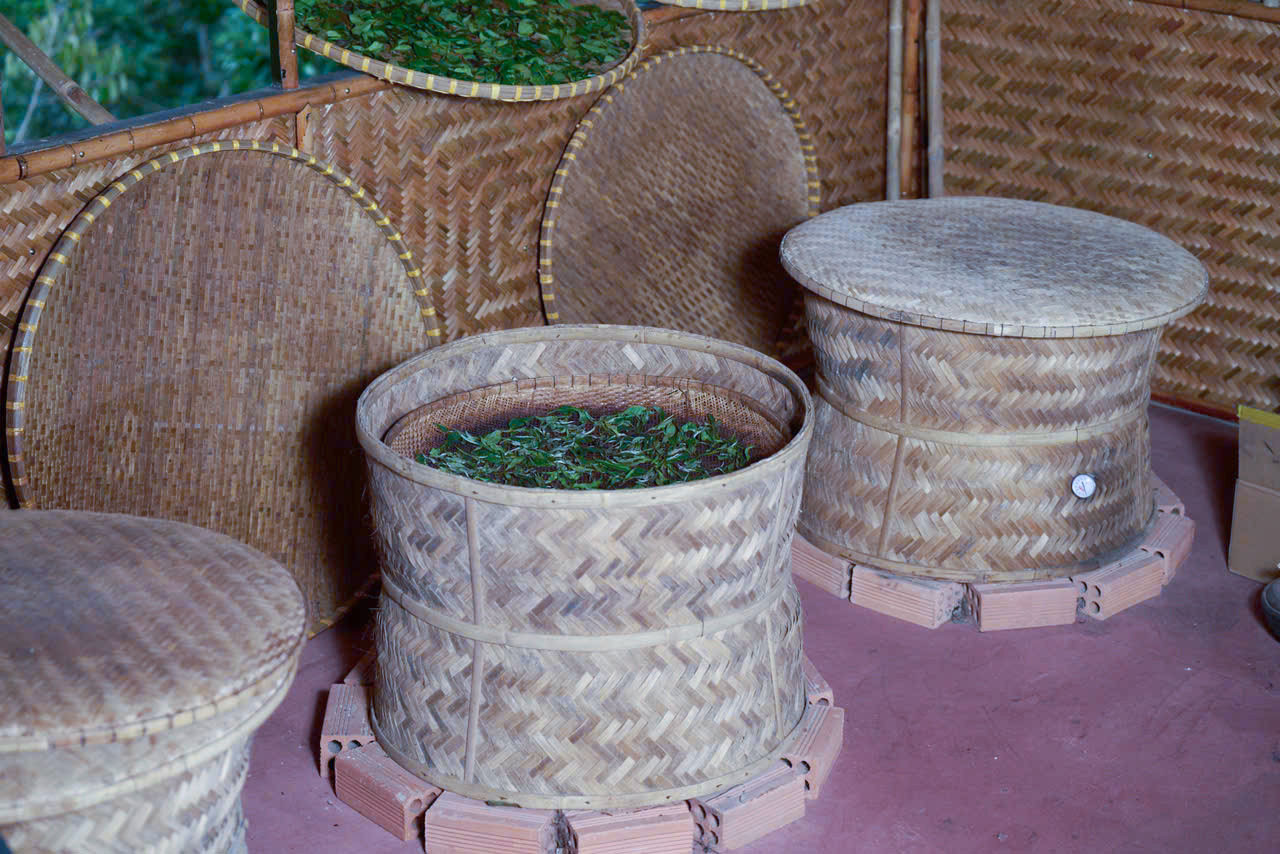
After each scenting, the tea is charcoal-dried and then left to rest for five to seven days, allowing the fragrance to penetrate deeply into the leaves before the next round begins. A properly made batch of B’Lao scented tea goes through several cycles of scenting, drying and resting, taking more than 10 days to develop its full flavour and aroma.
In B’Lao Ward, many young people are also passionate about preserving scented tea. The B’Lao Scented Tea Club, led by Do Thi Tan Son, now brings together more than 30 members, including around 20 born in the 1990s.
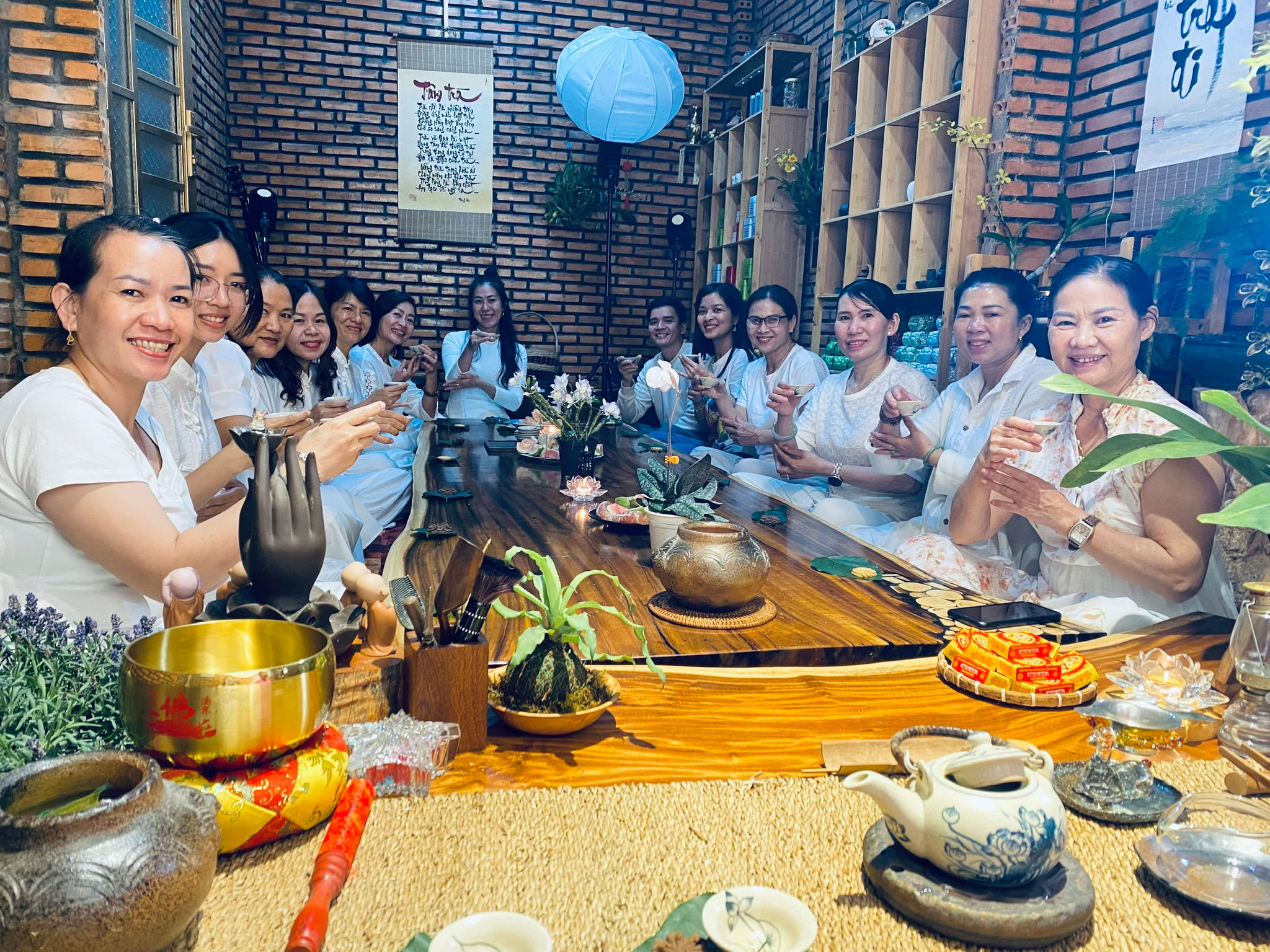
They share a common goal: preserving the natural scenting techniques that once defined B’Lao tea. According to Tan Son, younger generations are not simply recreating the past, but finding ways to bring the traditional craft into modern life.
Handcrafted tea does not seek to compete with industrial products in volume or price. Instead, its value lies in local ingredients, craftsmanship, cultural stories and the distinctive experience behind each batch.
Preserving tea plants is essential, but keeping the craft alive ultimately depends on the skills of the tea makers themselves. In B’Lao, that flame is being quietly kept alive - away from the spotlight, by young people patiently working with tea leaves, charcoal roasters and seasonal flowers, waiting for just the right moment to complete each batch.
The Bao Loc tea-growing area currently covers around 2,490 hectares and is home to nearly 160 tea businesses and processing facilities of various sizes. Alongside large-scale production for domestic consumption and export, local authorities are encouraging local value chains that combine sustainable agriculture with experiential tourism, including workshops, to increase economic value per hectare and promote the B’Lao tea brand.