

Local Cuisine: A New Tourism Resource in Lam Dong
From jar wine, traditional meals and cooking practices to stories passed down over generations, local cuisine enriches tourism and livelihoods in Lam Dong.
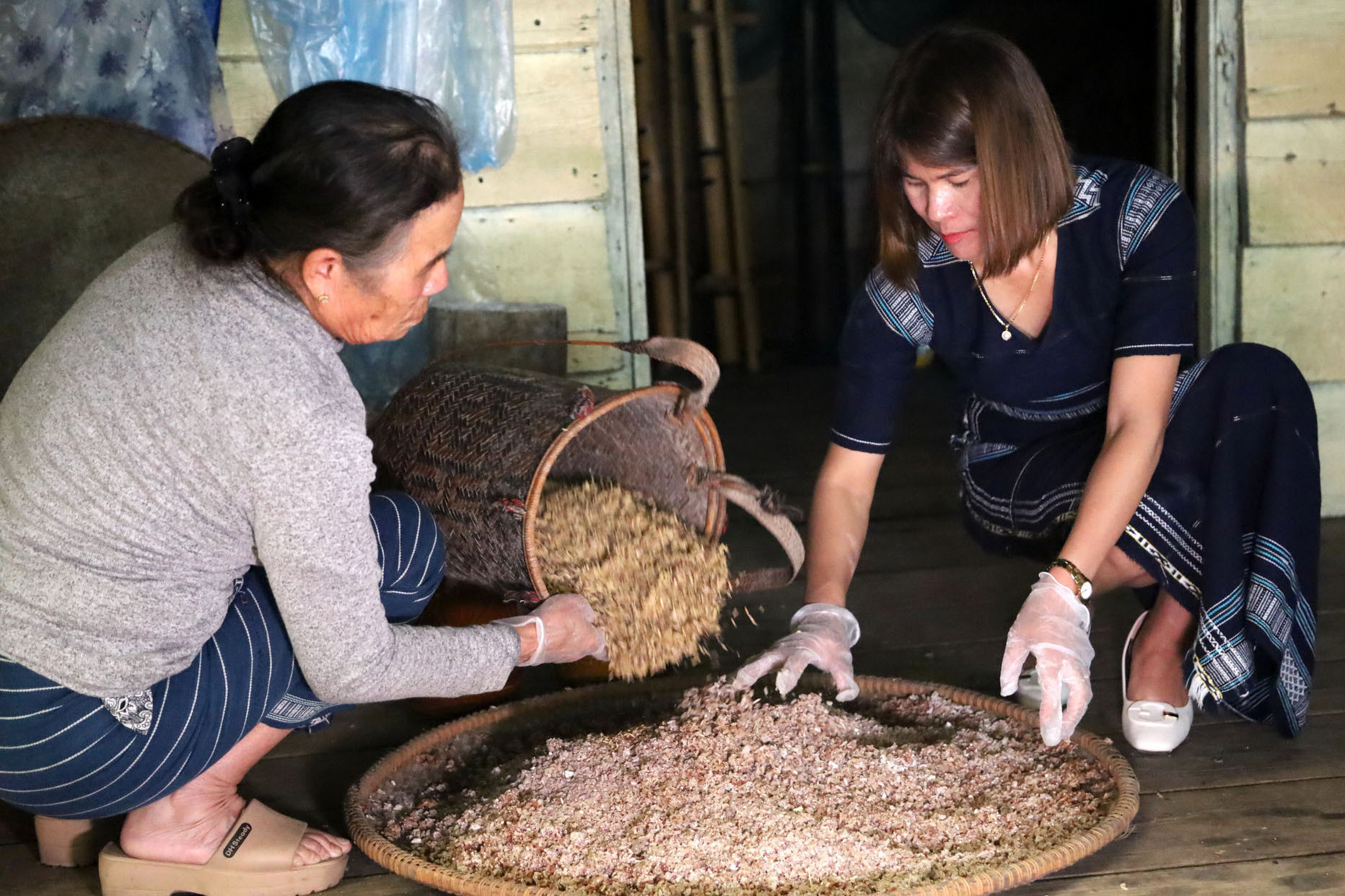
Preserving the Flavours of a Traditional Craft
One afternoon in Bon Dong residential group, Lang Biang Ward - Da Lat, artisan Pang Ting Jot's home grows livelier. Jars of traditional wine are being prepared to serve visitors.
Having spent more than a decade brewing traditional jar wine, the K'Ho artisan has mastered every stage of the process. From selecting ingredients and preparing yeast to fermenting and monitoring the brew, each step requires patience and experience passed down over generations.
After fermentation, the wine develops a smooth taste and distinctive aroma before being served to visitors. Her family produces around 100-200 jars each month, preserving the traditional craft while meeting visitors' interest in experiencing local culture.
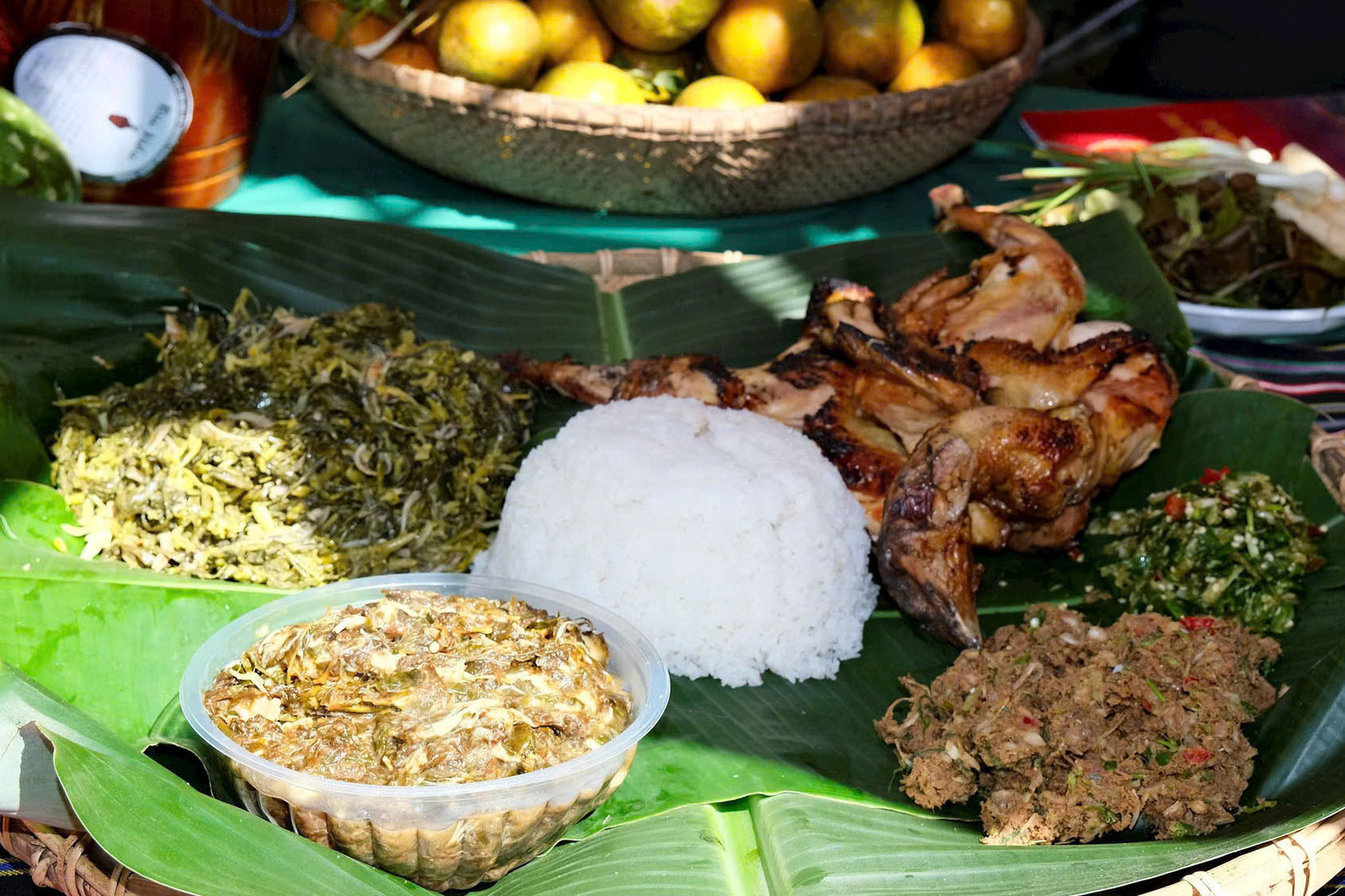
For artisan Pang Ting Jot, jar wine is more than a beverage. Each jar embodies stories of community life, hospitality customs, festivals and cultural practices preserved by the K'Ho people over generations.
Her family therefore not only brews wine for sale but also hosts cultural exchange programmes for visitors. Guests can sample jar wine and enjoy traditional dishes prepared by the family. They can also watch cultural performances and learn more about local ethnic minority cultures.
Preserving our traditional craft also means preserving our ethnic culture. When visitors come, we can introduce them to our jar wine, food, songs, dances and ancestral customs. In this way, more people can learn about our culture. I hope this traditional craft will be preserved while helping my family earn additional income and introducing our culture to a wider audience.
Artisan Pang Ting Jot
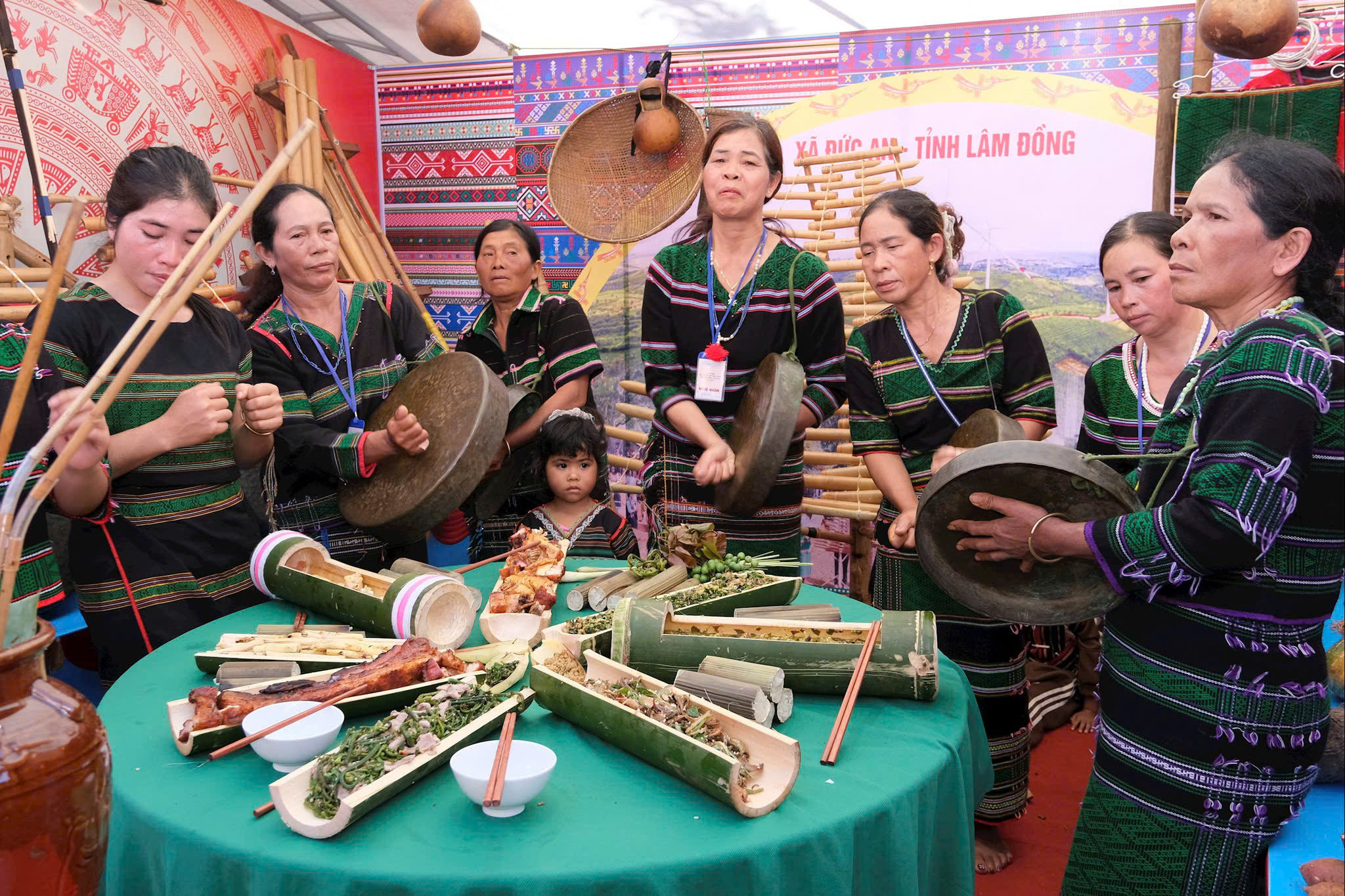
In this setting, a meal becomes more than food. A jar of wine is also more than a drink. Each dish and story shared over jar wine helps visitors better understand the people and land they are visiting.
Nguyen Quoc Viet, a visitor from Ho Chi Minh City, said he particularly enjoyed sampling jar wine and ethnic dishes while learning about local culture.
"I enjoy experiencing culture through the daily lives of local people. Their food and jar wine help me better understand the community's customs, way of life and traditions", Viet said.
From Local Cuisine to Tourism Products
Following the administrative restructuring, Lam Dong covers more than 24,233 sq km and comprises 124 communes, wards and special zones. The province has a population of over 3.8 million. More than 683,000 residents belong to ethnic minority groups, accounting for 17.6% of the provincial population.
Lam Dong is home to 49 of Viet Nam's 54 ethnic groups. These include groups originating in the Central Highlands, such as the K'Ho, Ma, Churu, M'nong, Cham, Raglai and S'tieng. The province is also home to ethnic minority communities from many other parts of the country.
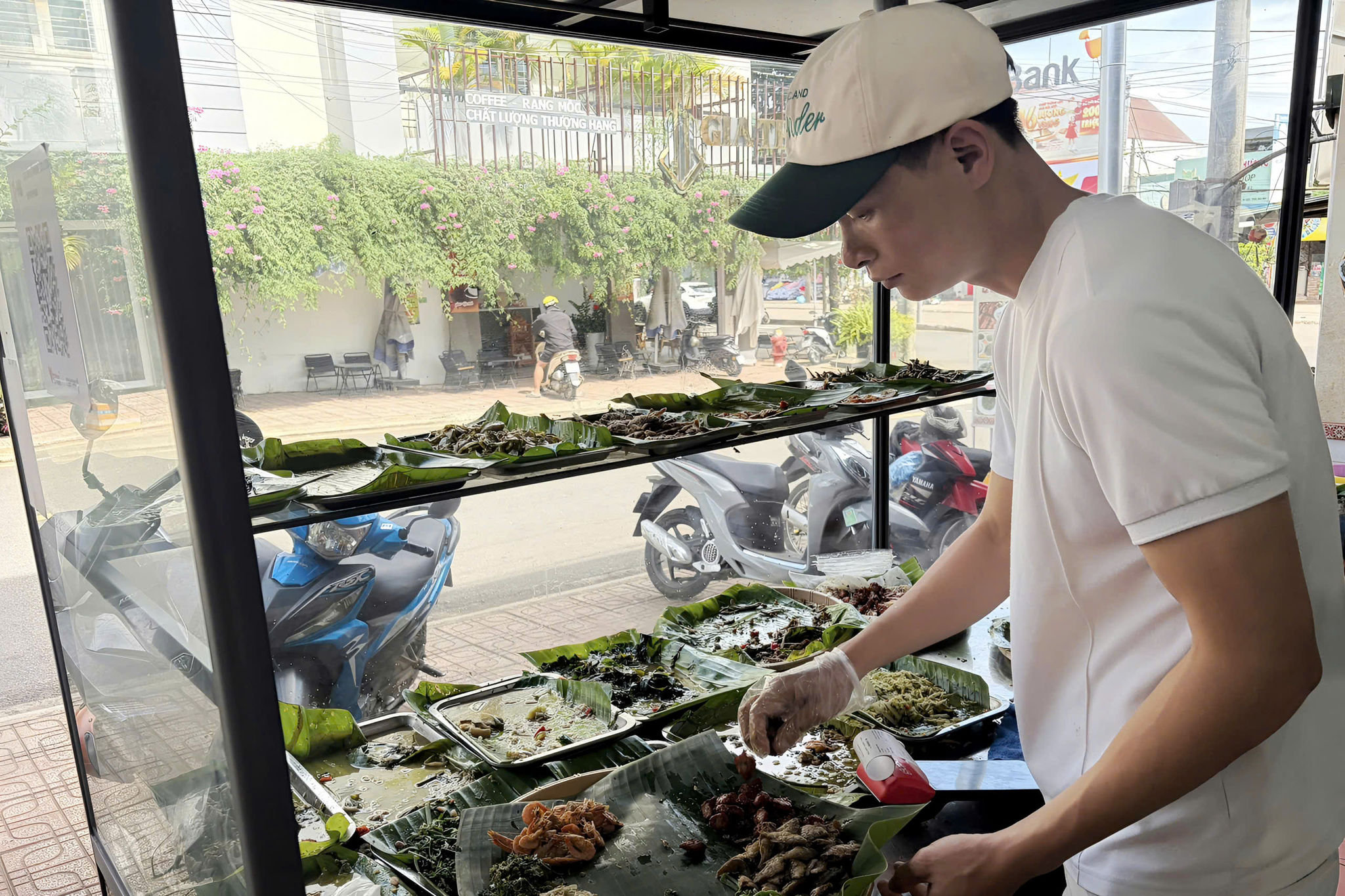
The diversity of Lam Dong's ethnic communities has created a rich culinary heritage. Each locality has its own dishes, cooking methods and food customs. These traditions are shaped by natural conditions, local produce and community life.
Each dish conveys more than the flavours of the mountains and forests. It also reflects how communities use natural ingredients, their cooking knowledge and cultural stories passed down over generations.
At many community-based tourism sites, traditional meals are combined with other visitor activities. These include gong exchanges, cultural performances, longhouse tours, traditional craft demonstrations and jar-wine tastings. From a single dish, a cultural story can expand into a journey through community life.
Tran Thi Hang, a visitor from Tay Ninh, tried the cuisine at a local tourism site. She said the greatest appeal was enjoying ethnic dishes in their original cultural setting.
"I did more than simply taste the food. I heard cultural stories, watched performances and learned more about how local people live. It was very different from simply dining at a restaurant", Hang said.
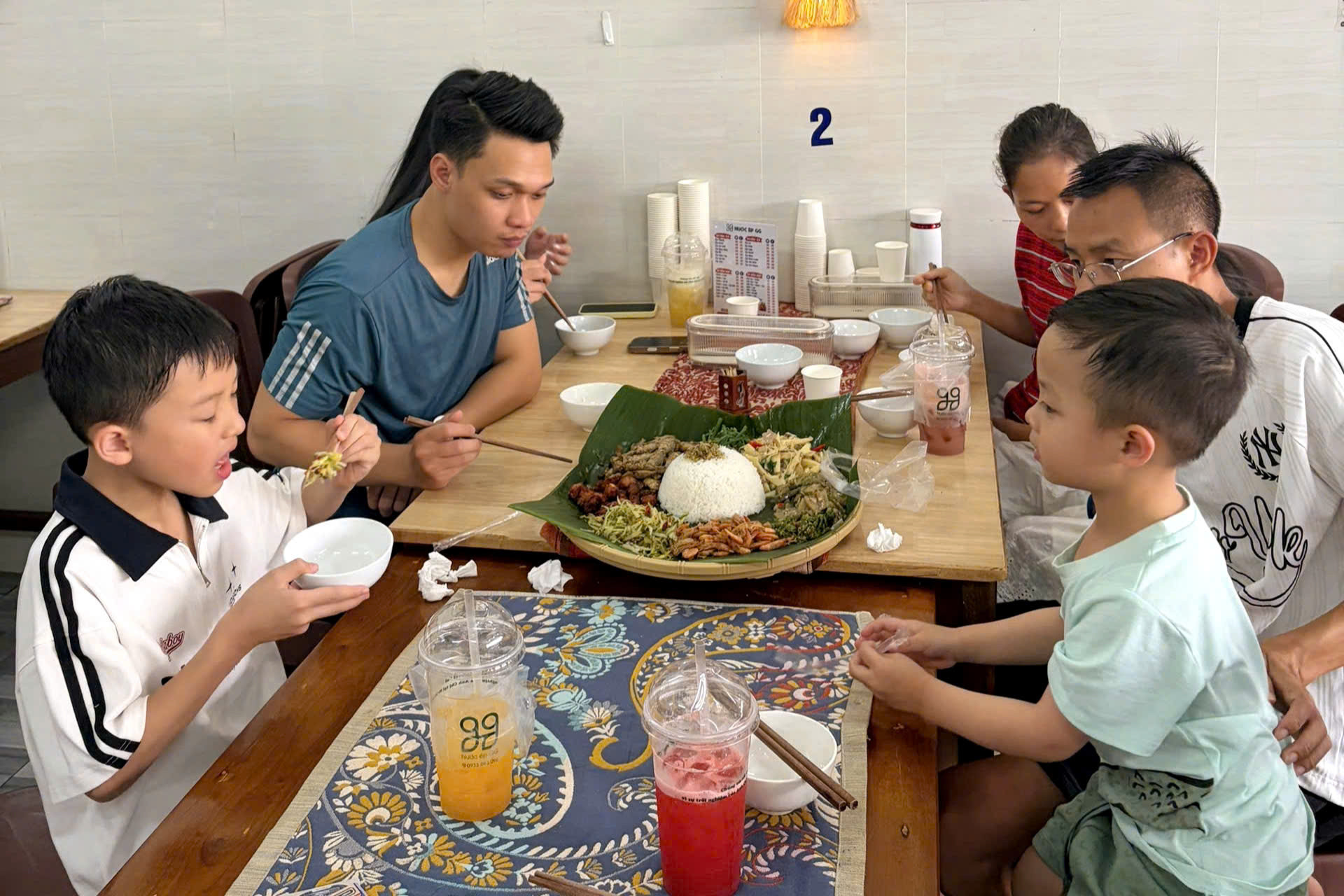
According to community tourism operators, authenticity and distinctiveness are the main attractions of ethnic cuisine. When professionally organised, compliant with food safety standards and linked to cultural narratives, each dish can become a tourism product. This can create jobs and raise local incomes.
"I did more than simply taste the food. I heard cultural stories, watched performances and learned more about how local people live. It was very different from simply dining at a restaurant", Hang said.
From jar wine, bamboo-tube rice, grilled chicken and stream fish to simple forest vegetables, local cuisine is becoming a gateway to Lam Dong's cultural life. When these values are given room to flourish, culture is not only preserved but also becomes a resource for economic development. It can strengthen livelihoods and promote the image of Lam Dong, its land and people.