

Protecting Forests, Safeguarding the Future of the Highlands
Lam Dong's ethnic minority communities are joining forest protection efforts, turning forest conservation into a source of livelihoods and a shared future.
From the forests at the foot of Lang Biang to the vast forested areas of Dam Rong, an increasing number of ethnic minority communities in Lam Dong are taking part in contracted forest protection. For them, protecting forests is not only a responsibility toward nature but also a way to create additional livelihoods and secure their lives.
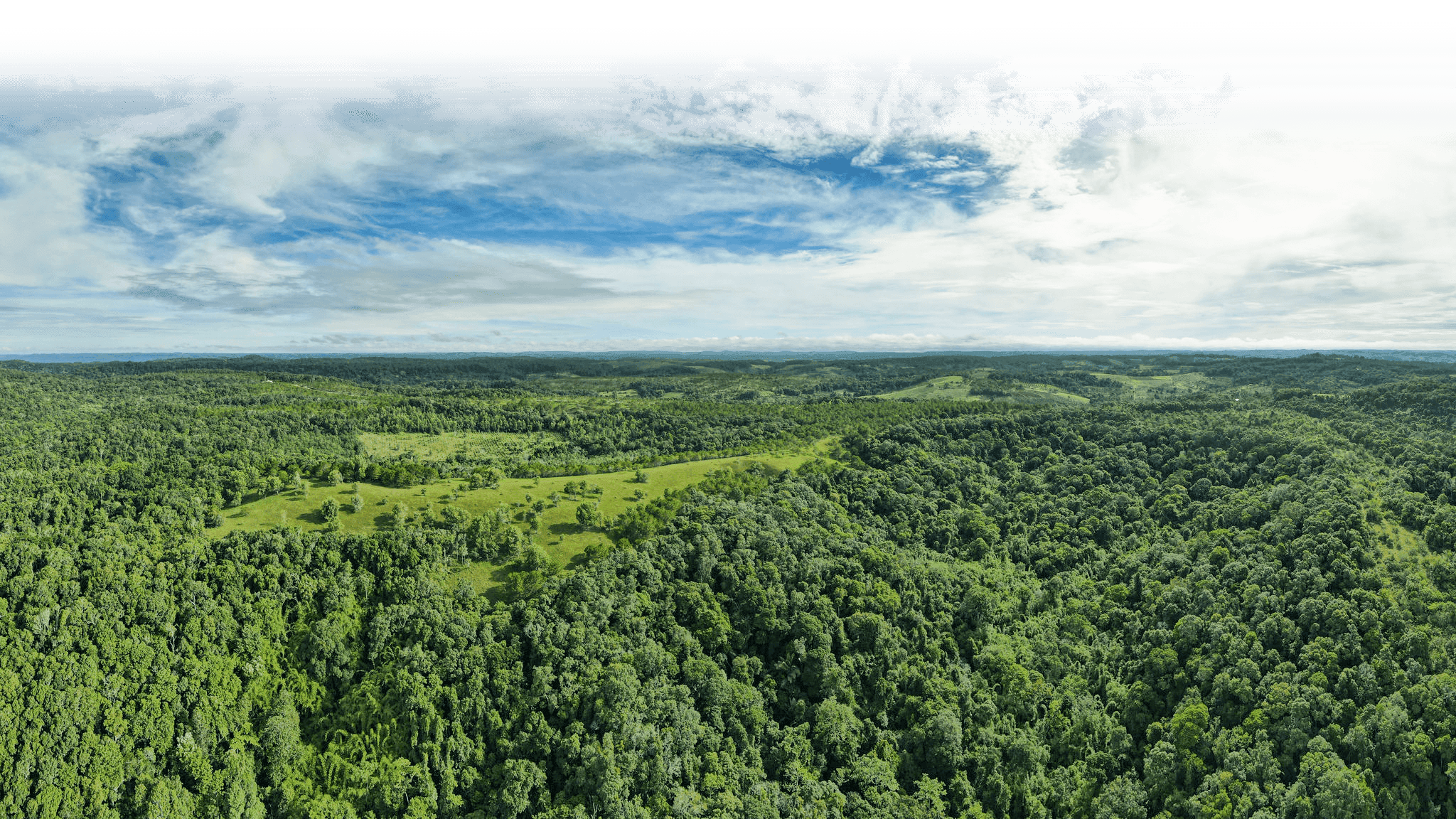

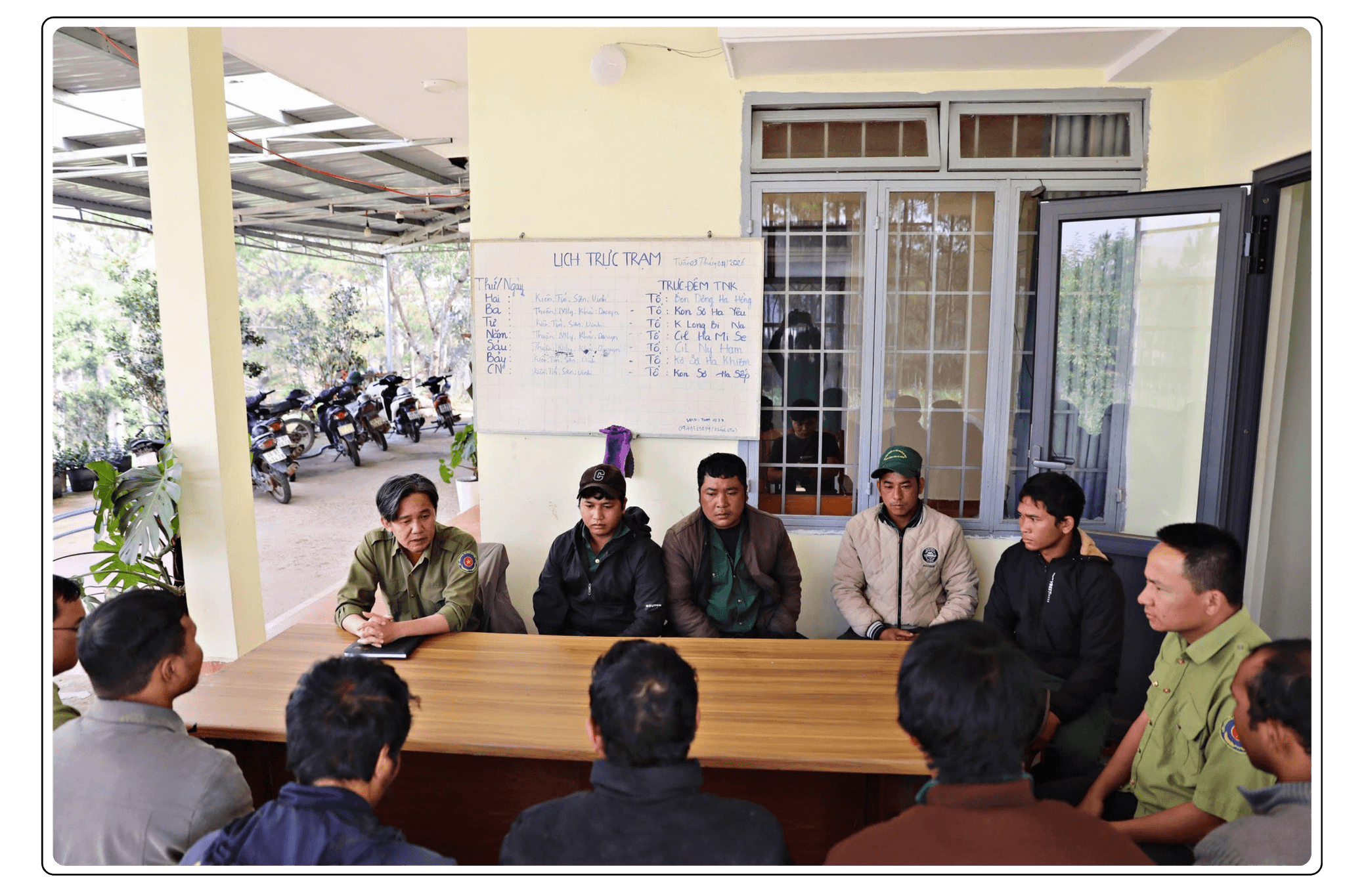
One morning at the Darahoa Forest Management and Protection Station, under the Da Nhim Watershed Protection Forest Management Board, a light mist still covered the forest canopy. The dirt road leading into the forest compartment remained damp after a night of rain. Members of the patrol team checked their equipment one by one, preparing for their journey into the forest.
Without fanfare, they began the patrol as part of a familiar routine that has been closely tied to their lives for years.
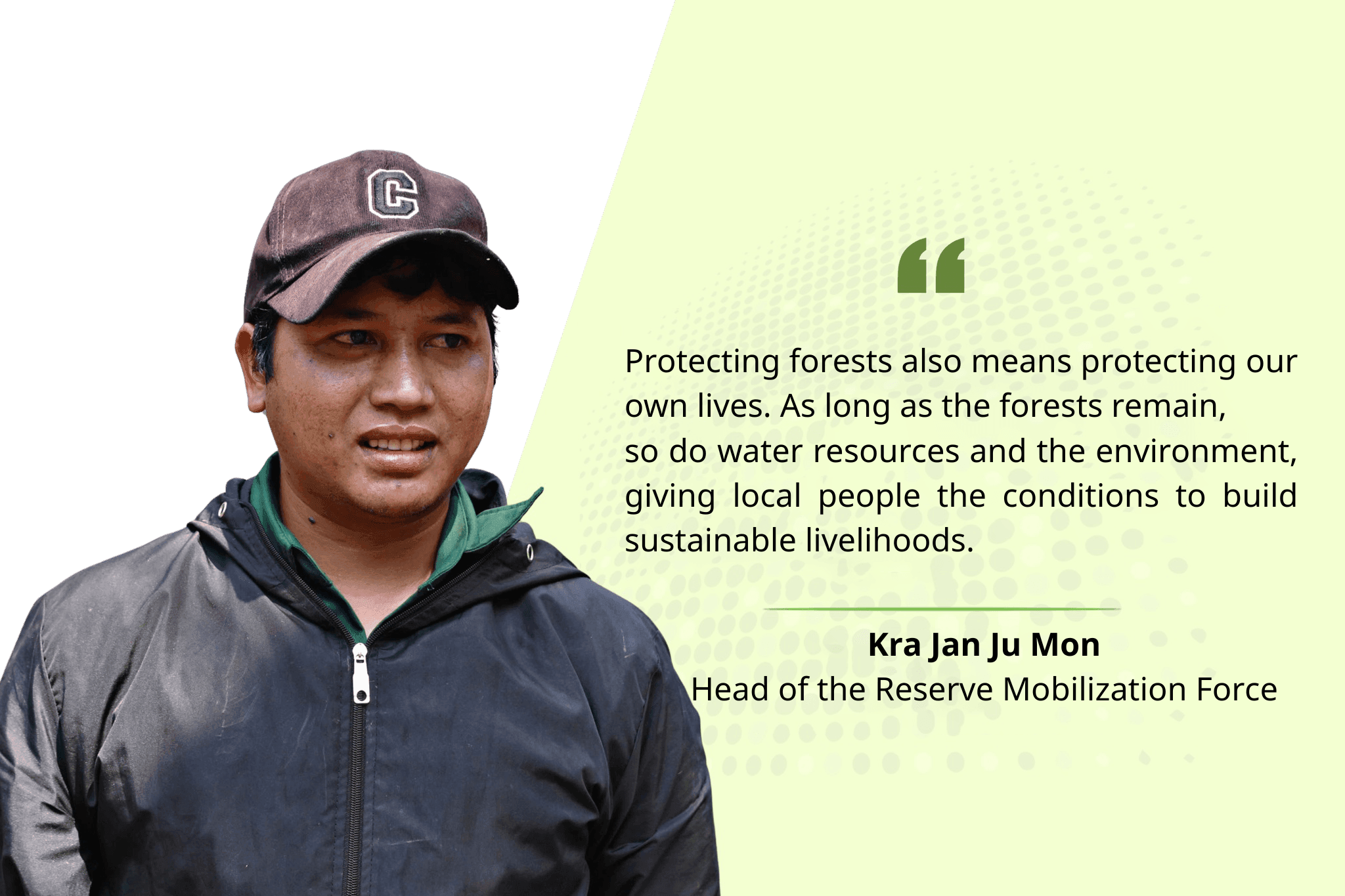
Among them was Kra Jan Ju Mon, head of the station's reserve mobilization force. After more than 10 years working in forest protection, he knows every trail and every forest area at risk of violations.
For him, taking on a forest protection contract is first and foremost a job that provides additional income for his family. But the longer he has been involved, the more he has come to understand that it is also a responsibility to the community and to the place where he lives.
The story of Kra Jan Ju Mon reflects the sentiments of many households contracted to protect forests across Lam Dong. They no longer see forests simply as places that provide forest products, but are increasingly aware of the long-term value forests hold for their lives.
According to the Da Nhim Watershed Protection Forest Management Board, the unit currently manages 40,689.3 hectares of forests and forestry land across 49 forest compartments in one ward and one commune. Of this area, more than 23,176 hectares are critical protection forests and more than 17,380 hectares are production forests.
In 2026, the unit contracted out the management and protection of 36,315.9 hectares of forest under the forest environmental services payment program to 1,489 people organized into 57 cooperative groups and 9 collective organizations.
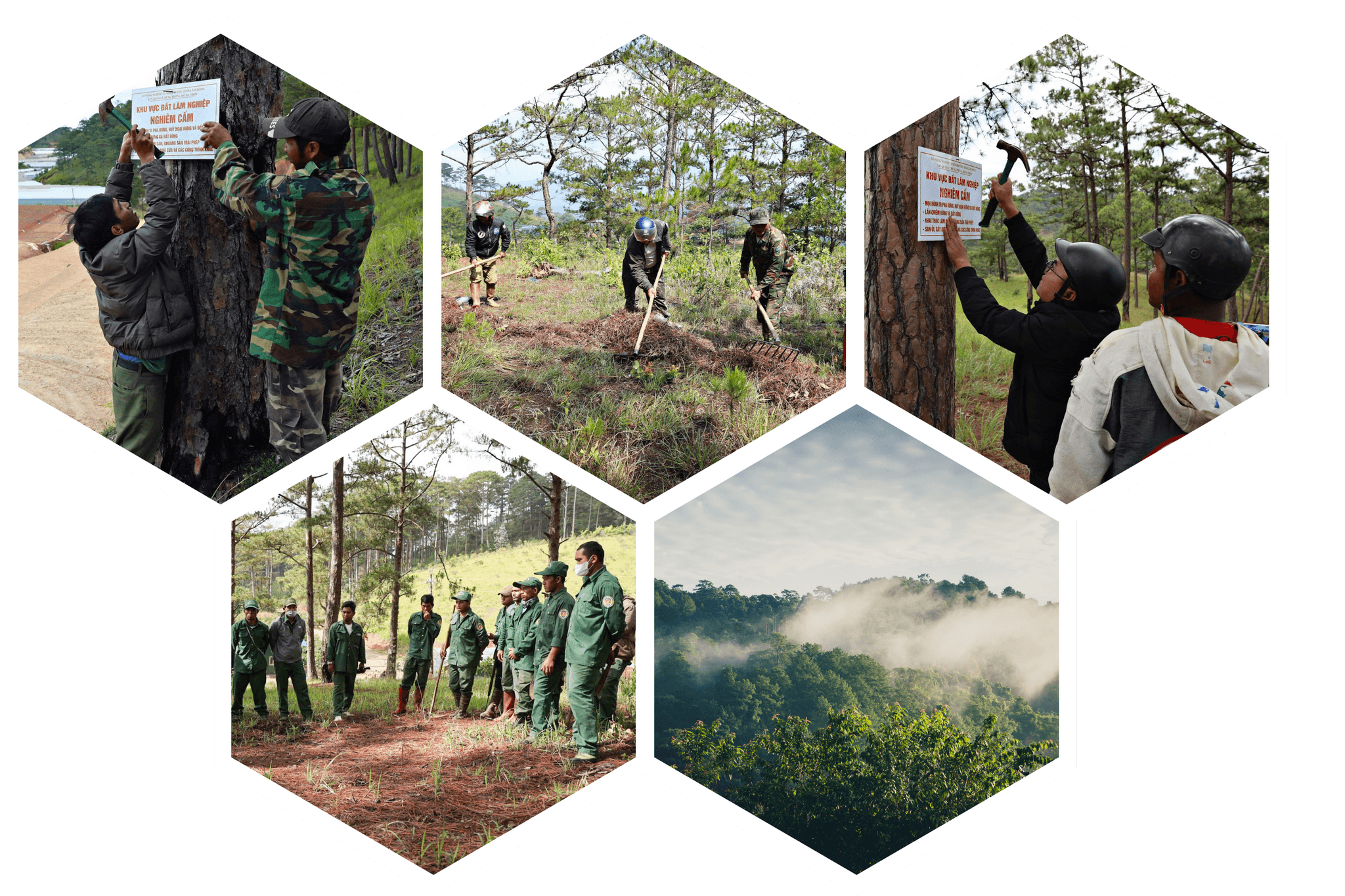
These figures show that a large number of local residents have directly become the “extended arms” of forest owners in forest protection.
From regular patrols and detecting signs of unauthorized entry into forests to preventing illegal forest-product exploitation and coordinating with authorities when violations are detected, contracted forest protectors are playing an increasingly important role in safeguarding forest areas.

In Dung K’No, the story of forest protection among the K'Ho ethnic community has its own distinctive character.
Around 95% of the local population are K'Ho ethnic people. In the past, life was difficult, and some residents entered forests to hunt and collect forest products, and even cleared forests and encroached on forest land for production. In some cases, people were prosecuted by authorities for forest destruction.
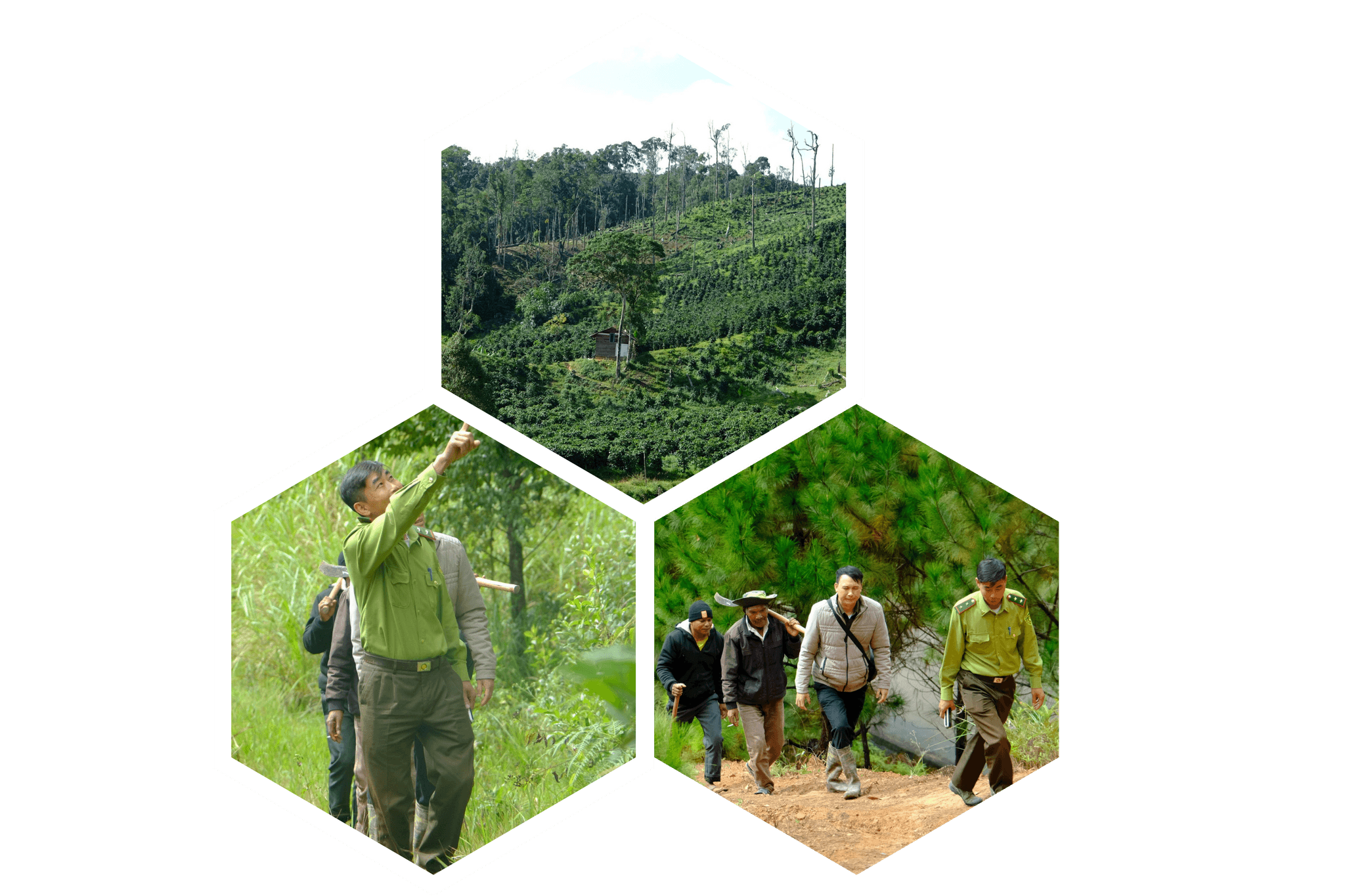
But today, the story is different. People's awareness of the value of forests has gradually changed. Forests are no longer viewed simply as natural resources to be exploited for immediate needs, but as a shared asset that must be protected to build a sustainable future.
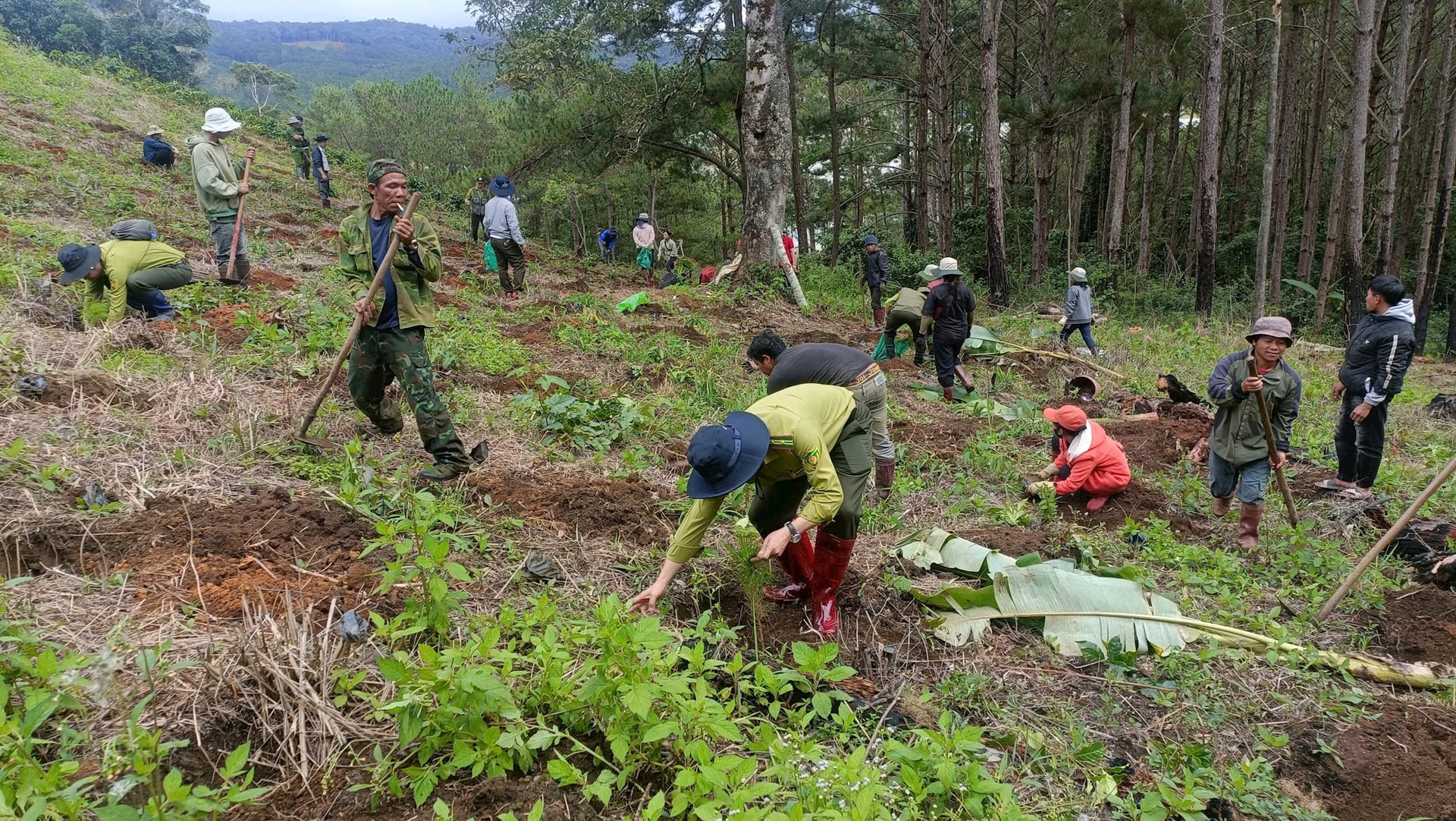
In particular, the forest environmental services payment policy has provided an additional incentive for local people to participate in forest protection. Their efforts to patrol and safeguard forests are converted into income, giving households greater means to cover their living expenses.
Hoang Van Bang, Deputy Head of the Dung K’No Forest Management and Protection Station, said that when people realize forest protection brings practical benefits to their families, they become more actively involved. From potentially harming forests because of livelihood needs, many have now become the people directly patrolling, detecting and preventing violations.
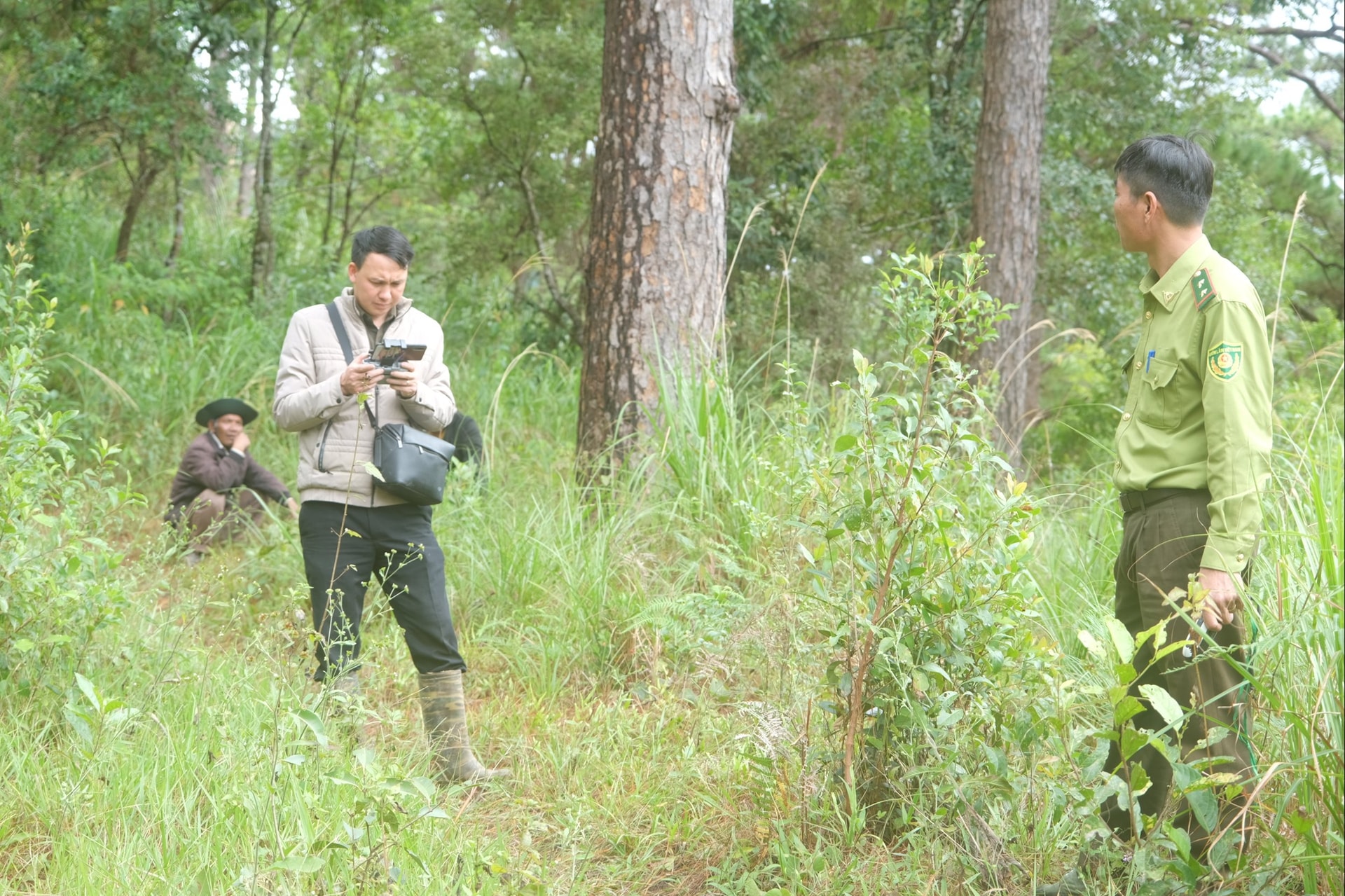
This change represents more than a livelihood support policy. It is a process of transforming local residents from people who need to be educated and mobilized into active stakeholders in natural resource protection.
At the Serepok Protection Forest Management Board, the scale of contracted forest protection is also expanding. According to Nguyen Trong Man, head of the Serepok Protection Forest Management Board, under Decision No. 62/QD-UBND dated January 13, 2020, of the Lam Dong Provincial People's Committee, the unit was assigned to manage more than 50,852 hectares of forests and forestry land across 67 forest compartments.
After receiving additional areas from the Da Nhim Protection Forest Management Board, the total area of forest and forestry land under its management increased to more than 62,038 hectares.
To date, the total area contracted for forest protection under the forest environmental services payment program has reached 39,774.42 hectares, involving 1,121 households and 3 collective organizations.
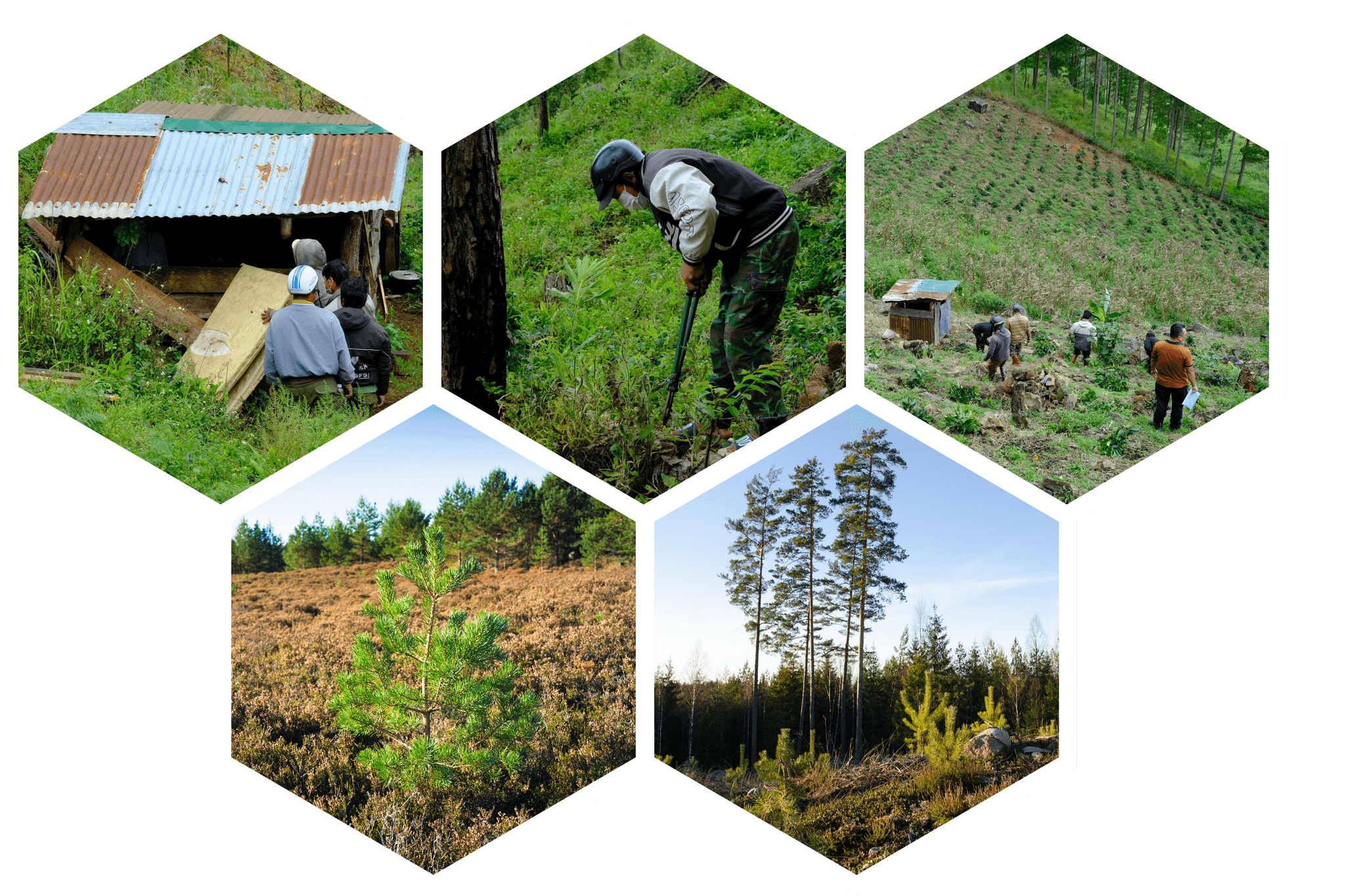
Notably, contracted forest protection does not stop at signing agreements. Forest management and protection stations regularly mobilize contracted forces to patrol and inspect forest areas, focusing on locations at high risk of violations. The unit also makes advance payments in accordance with regulations, thereby providing a more stable source of income for contracted forest protectors.
Although income from forest protection is not substantial, for many ethnic minority households, annual earnings of around VND20-25 million per household from contracted forest protection represent significant support.
The income helps cover living expenses, invest in production and support children's education. More importantly, it creates an additional incentive for people to link their livelihoods with forest protection. When forests are protected, the green cover remains, while local people gain another foundation for improving their lives.

Lam Dong has a large forest area, with vast and complex terrain. Alongside socio-economic development, pressure on forest resources remains.
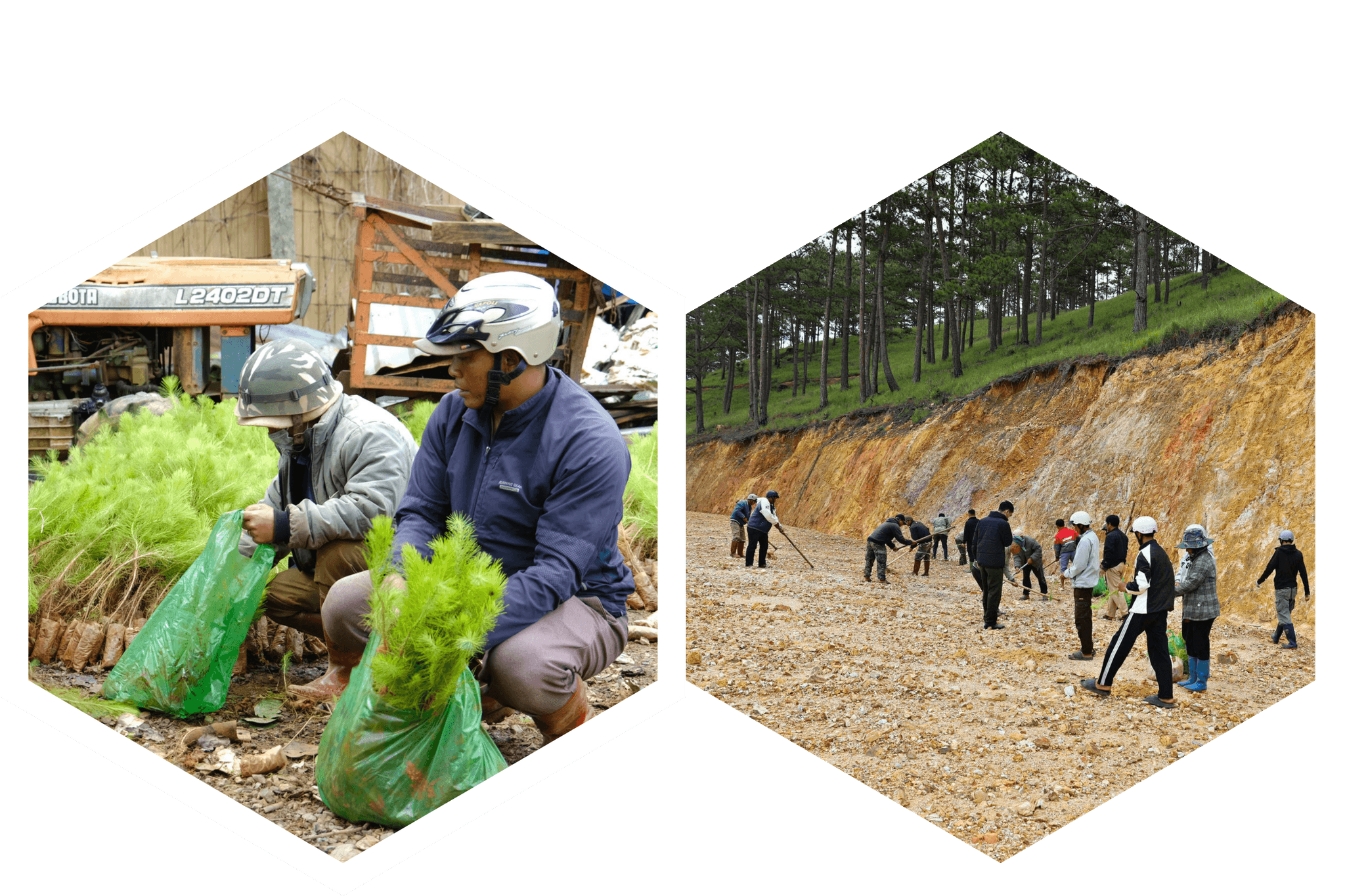
Within the management area of the Da Nhim Watershed Protection Forest Management Board, areas along National Highway 27C, Provincial Road 722 and many forest compartments in Lang Biang - Da Lat Ward, Lac Duong Commune and Dam Rong 4 Commune have been identified as high-risk areas for forest destruction, illegal extraction and transportation of forest products.
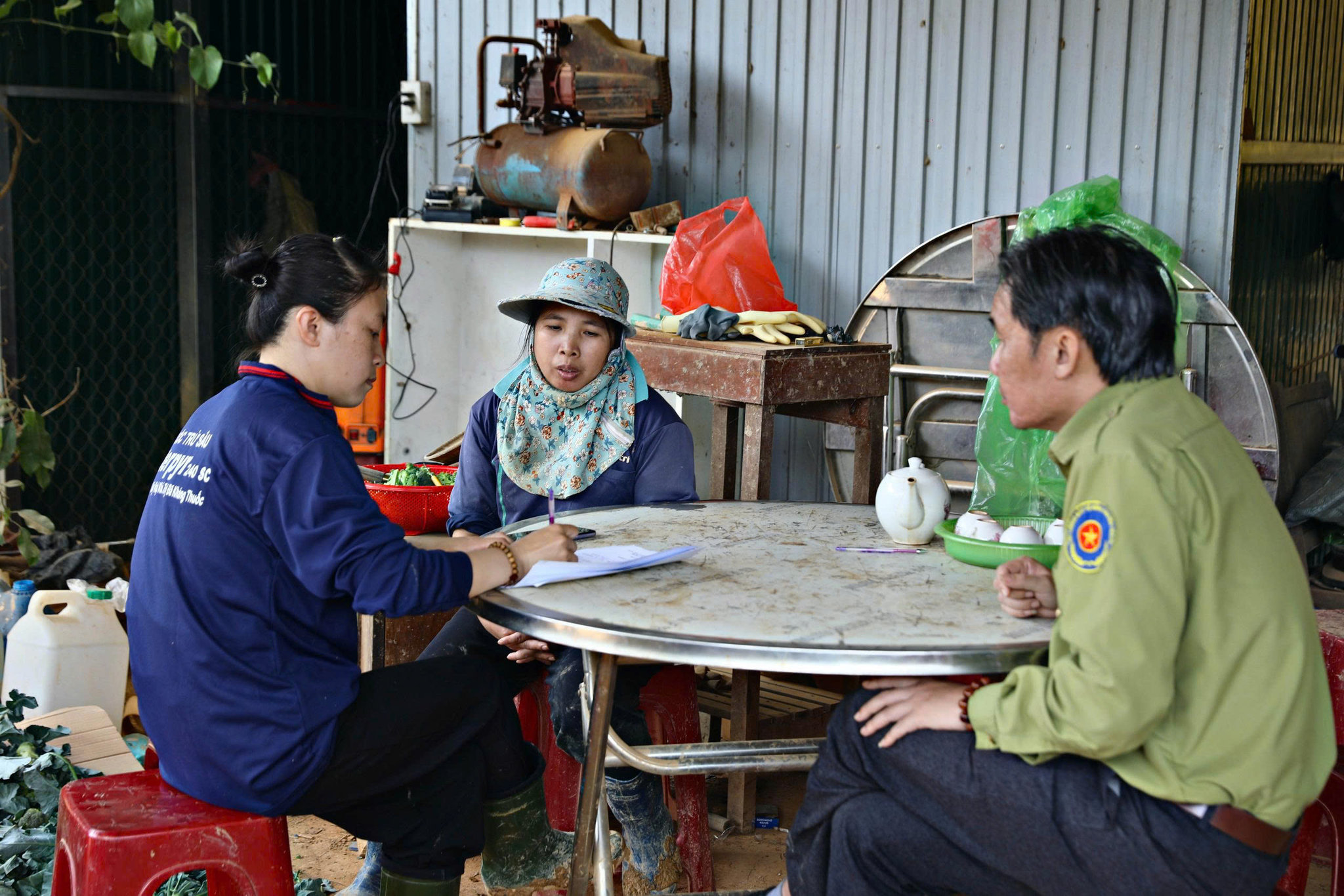
Against this backdrop, the participation of thousands of local residents in contracted forest protection is creating a broad grassroots network for safeguarding forests.
People living near forests are those who understand them best. They know which seasons carry a higher risk of forest fires, which areas are frequently visited by strangers and which paths lead deep into the forest compartments.
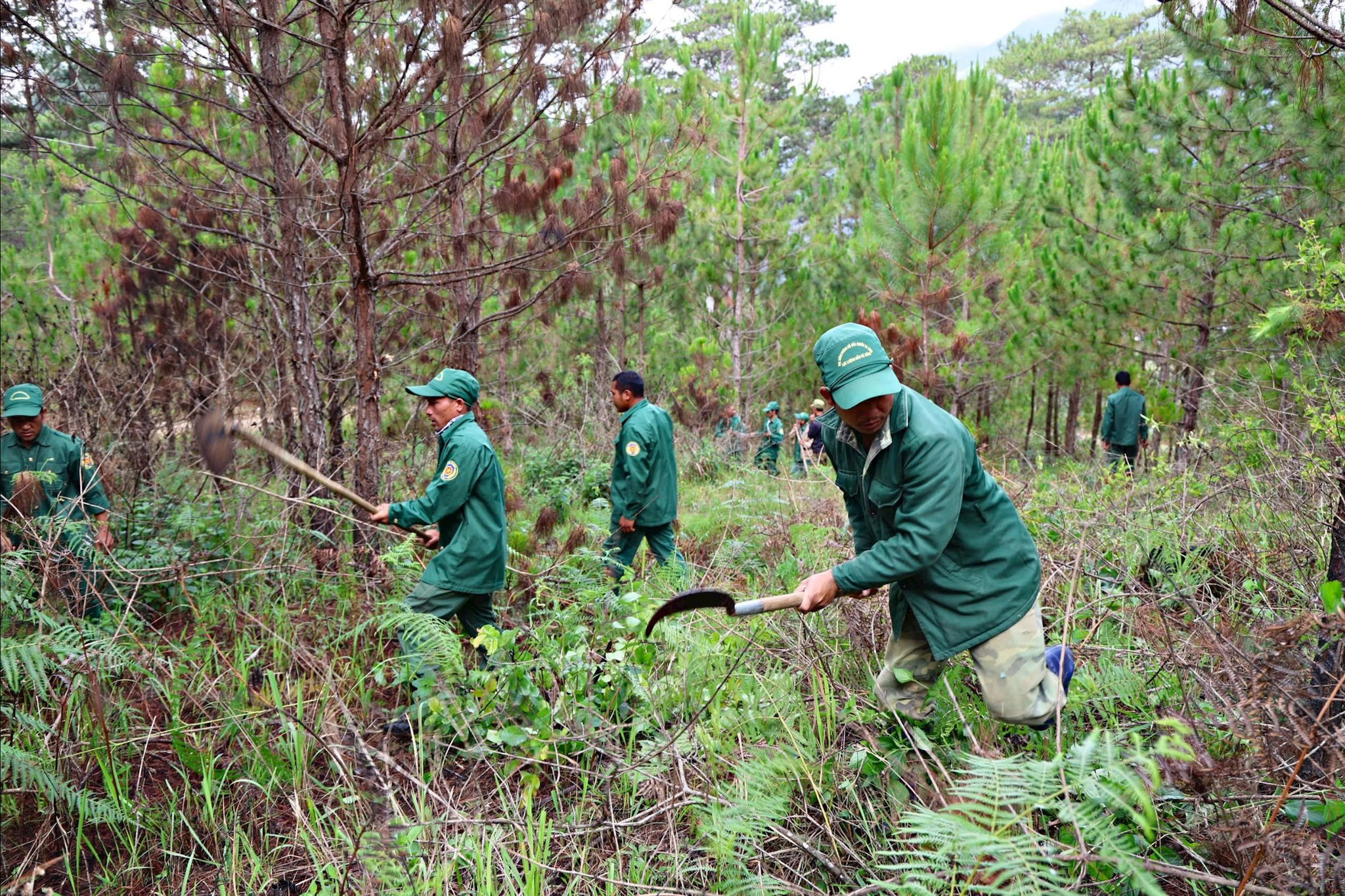
Their regular presence in forest areas therefore helps detect unusual signs at an early stage.
More fundamentally, the greatest impact of the contracted forest protection policy is the consensus it builds between local people and forest management forces.
When people's interests are tied to the survival of forests, forest protection is no longer solely the responsibility of forest management boards or forest rangers. It becomes a shared responsibility of the community.
In Dung K’No, the transformation from difficult years in the past to the present is clear evidence of this change.
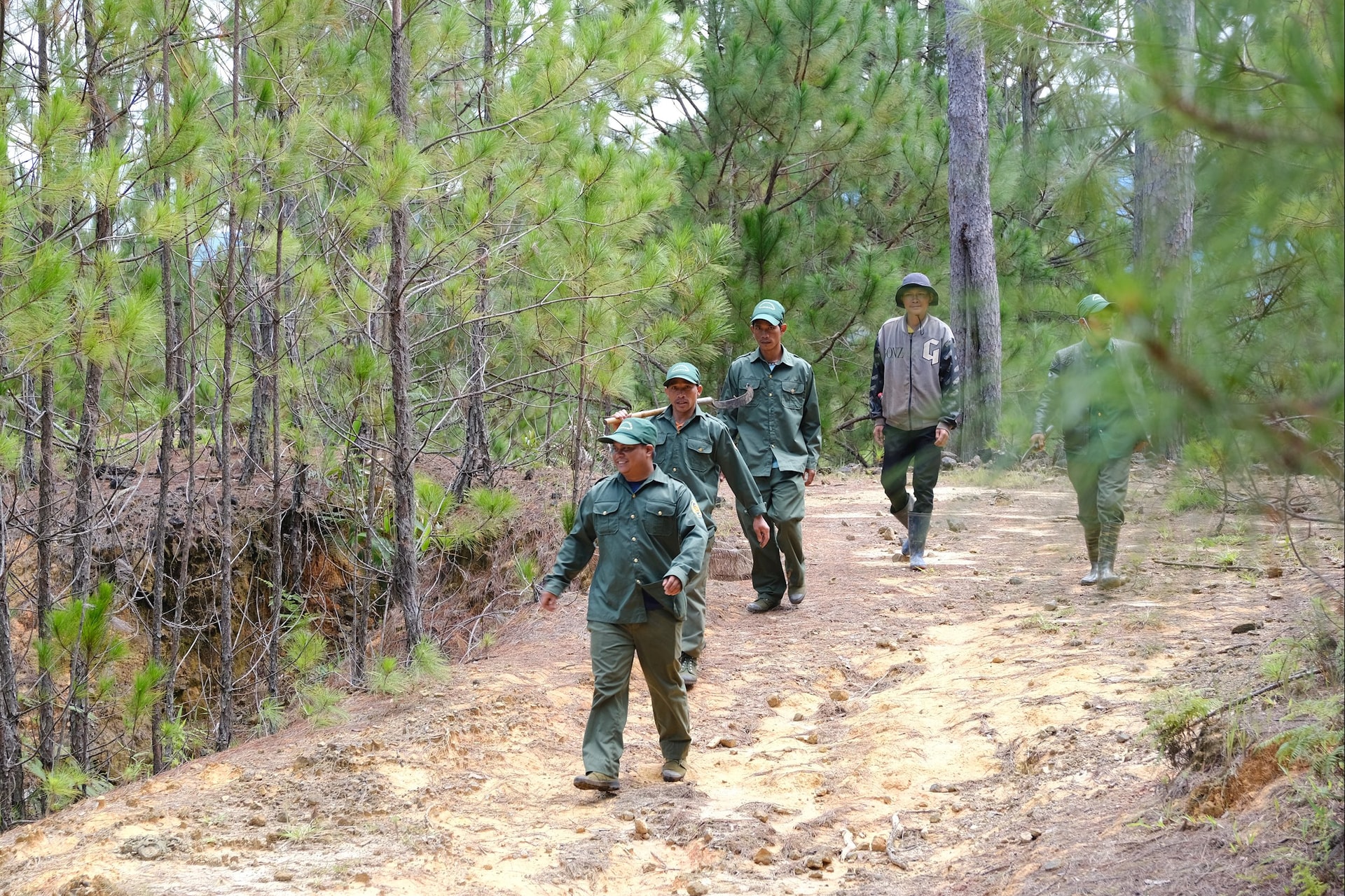
People who once depended on forests by exploiting natural resources are now contributing to forest protection because they understand that the greatest value of forests lies in their ability to support livelihoods over the long term.
In Darahoa, the footsteps of Kra Jan Ju Mon and other team members continue to lead deep into the vast forests. Each patrol may last only a few hours and cover several kilometers of forest trails, but behind every journey lies the protection of the forests, water resources for the community and the livelihoods of many families.
Protecting forests, therefore, means more than protecting trees, land and green cover. It also means protecting water resources, the living environment, livelihoods and development opportunities for future generations.

For ethnic minority communities in Lam Dong, forests have long been part of their daily lives, culture and collective memories. When people can earn a living by protecting forests, the relationship between communities and the highlands becomes even stronger.
Content and photos: Hoang Sa
Presentation: Pham Luong