

Fishermen in Lam Dong Preserve the Spirit of Sea Festivals
From coastal fishing villages to ancient communal houses, shrines and temples, traditional festivals of fishermen in Lam Dong have been preserved across generations. Beyond expressing hopes for calm seas and abundant catches, these festivals embody community memories and coastal cultural identity while becoming a resource for local tourism development.
Praying for Peace and Prosperity
Traditional festivals not only reflect the spiritual life of coastal communities but also preserve valuable folk knowledge. Among them, the Cau Ngu Festival, held in coastal fishing villages, has long been cherished and passed down through generations.
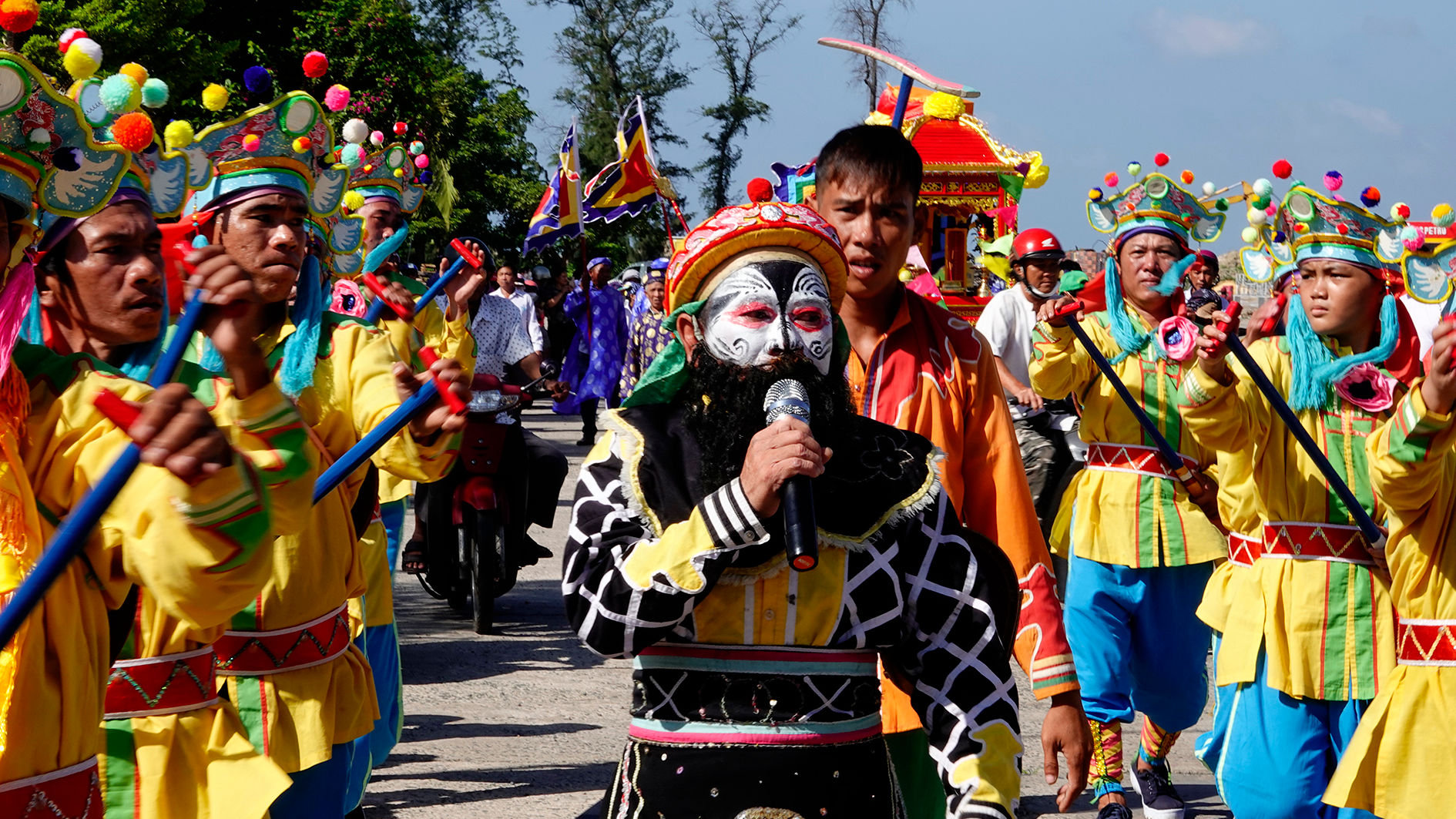
The Cau Ngu Festival is a prominent cultural heritage that reflects the rich spiritual life of coastal communities. Most recently, the festival was held at Van Thuy Tu Temple in Phan Thiet Ward, attracting large numbers of local residents and visitors.
Solemn rituals and folk performances create a distinctive cultural atmosphere deeply rooted in the lives of coastal fishermen.
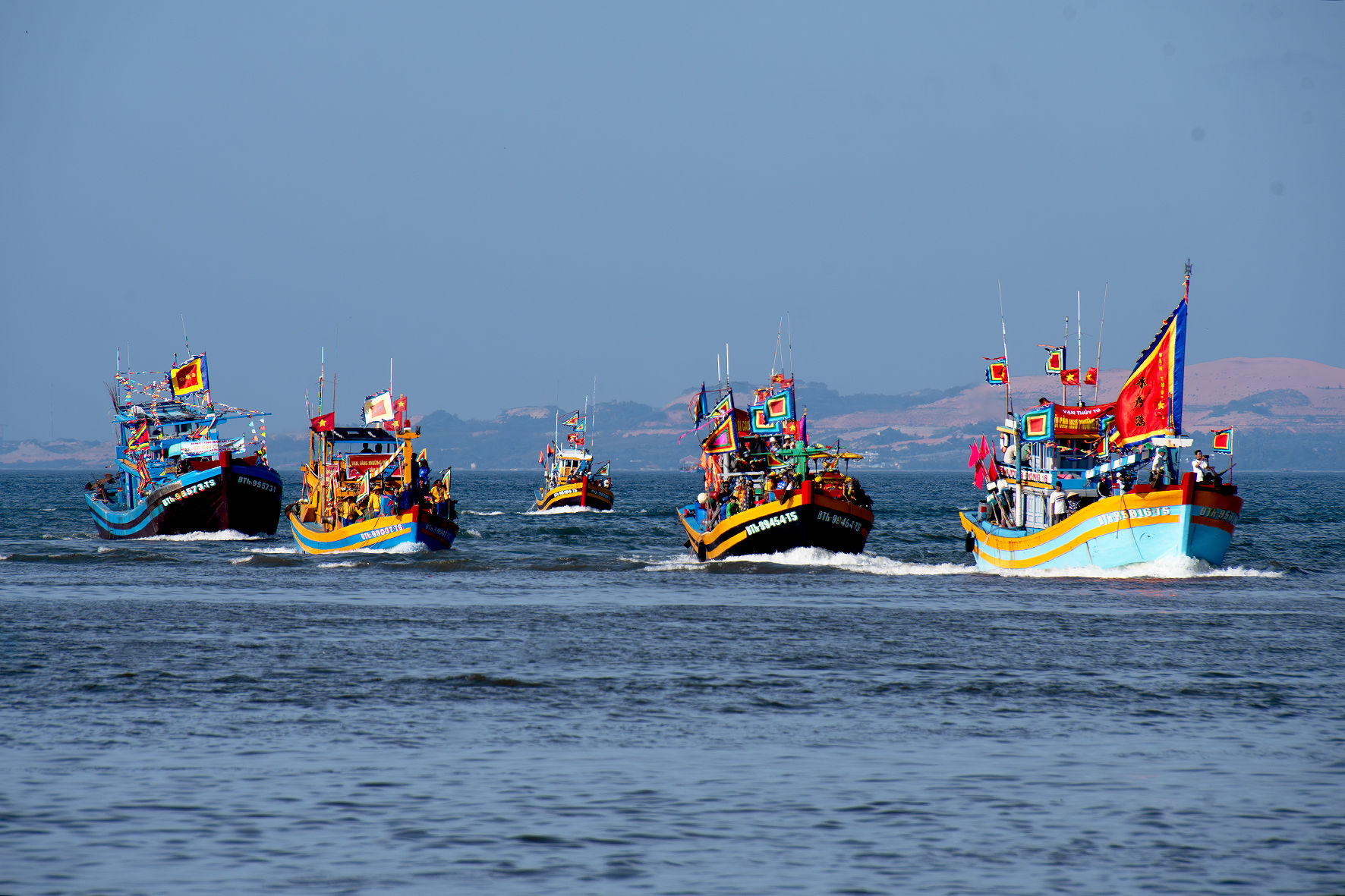
In particular, the procession of Ong Sanh from the sea to the mainland symbolizes the close bond between people and the ocean. It reflects the tradition of gratitude and the aspiration for safe voyages and abundant catches.
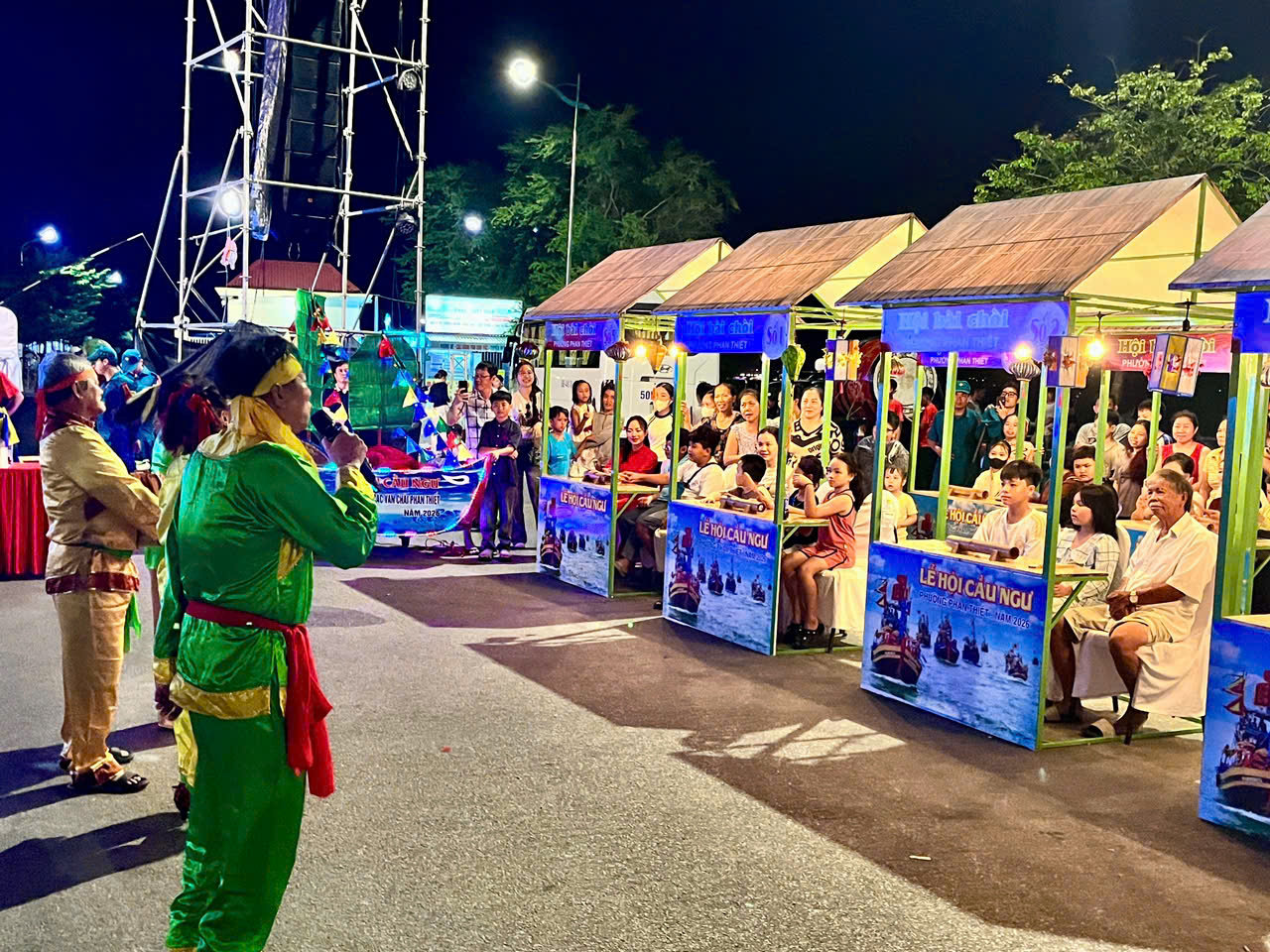
Alongside the solemn rituals, festive activities such as Ba Trao singing and Bai Choi performances create a lively atmosphere, providing an opportunity for fishermen to meet, strengthen community ties and preserve their distinctive cultural values.
Chairman of the Phan Thiet Ward People's Committee Tran Nguyen Loc said: "The Cau Ngu Festival is a traditional and sacred cultural heritage of fishermen in Phan Thiet and along the Lam Dong coast. It is a distinctive religious and cultural practice that emerged early among fishing communities and has been preserved and promoted for centuries."
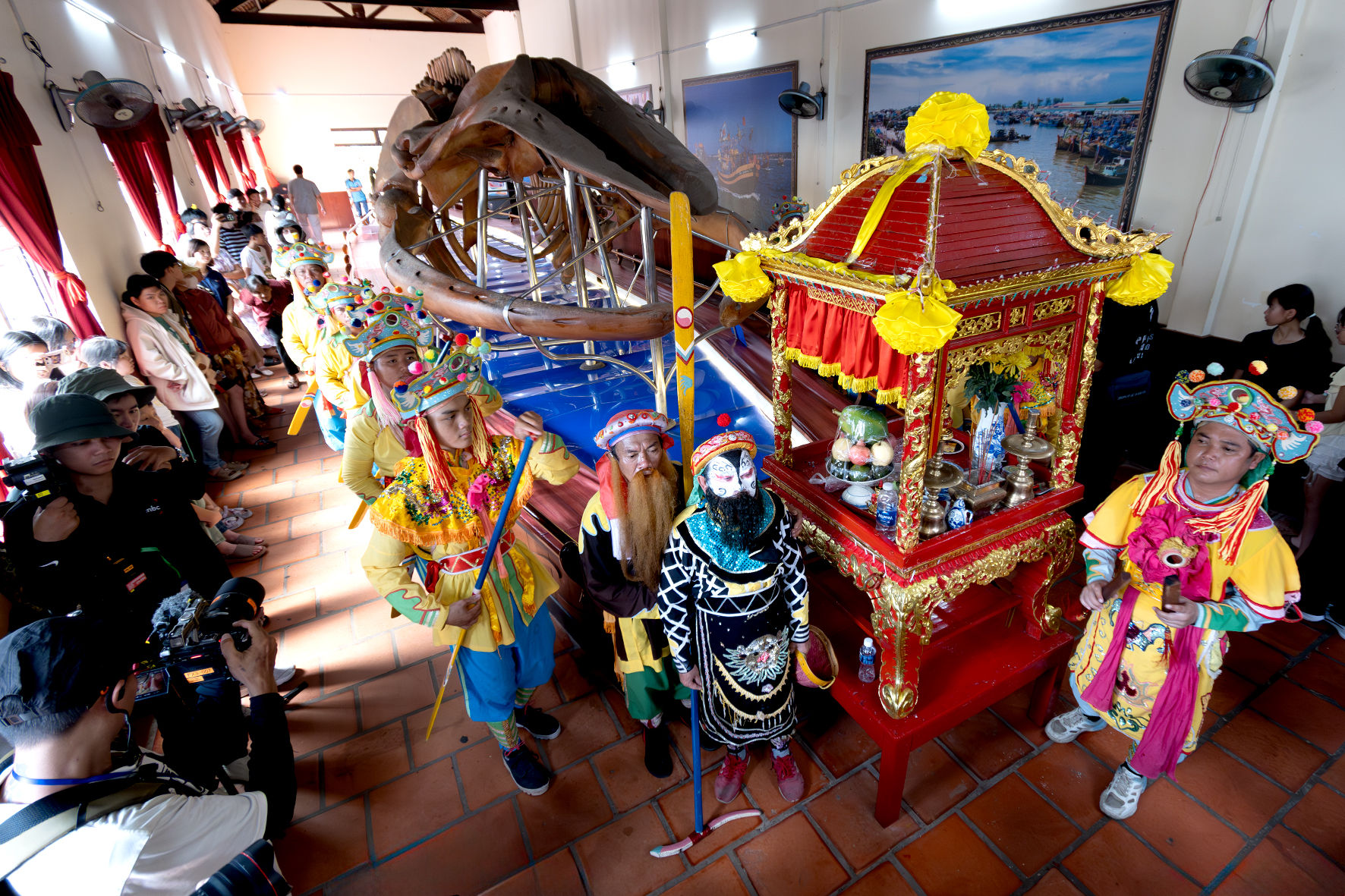
At Van Thuy Tu Temple, which houses Southeast Asia's largest whale skeleton, each festival season brings generations together to express their reverence for the Nam Hai deity, show gratitude to the sea, and pray for peace, favorable weather, abundant catches and safe, successful voyages.
When heritage preservation is linked
to economic development, local people gain greater motivation to safeguard
traditional cultural values.Tran
Nguyen Loc, Chairman of the Phan Thiet Ward People's Committee
Cau Ngu Festivals are also held at shrines, communal houses and fishing villages in coastal localities such as Lien Huong Commune, Phuoc Hoi Ward and La Gi... These celebrations help preserve coastal cultural identity and strengthen community solidarity.
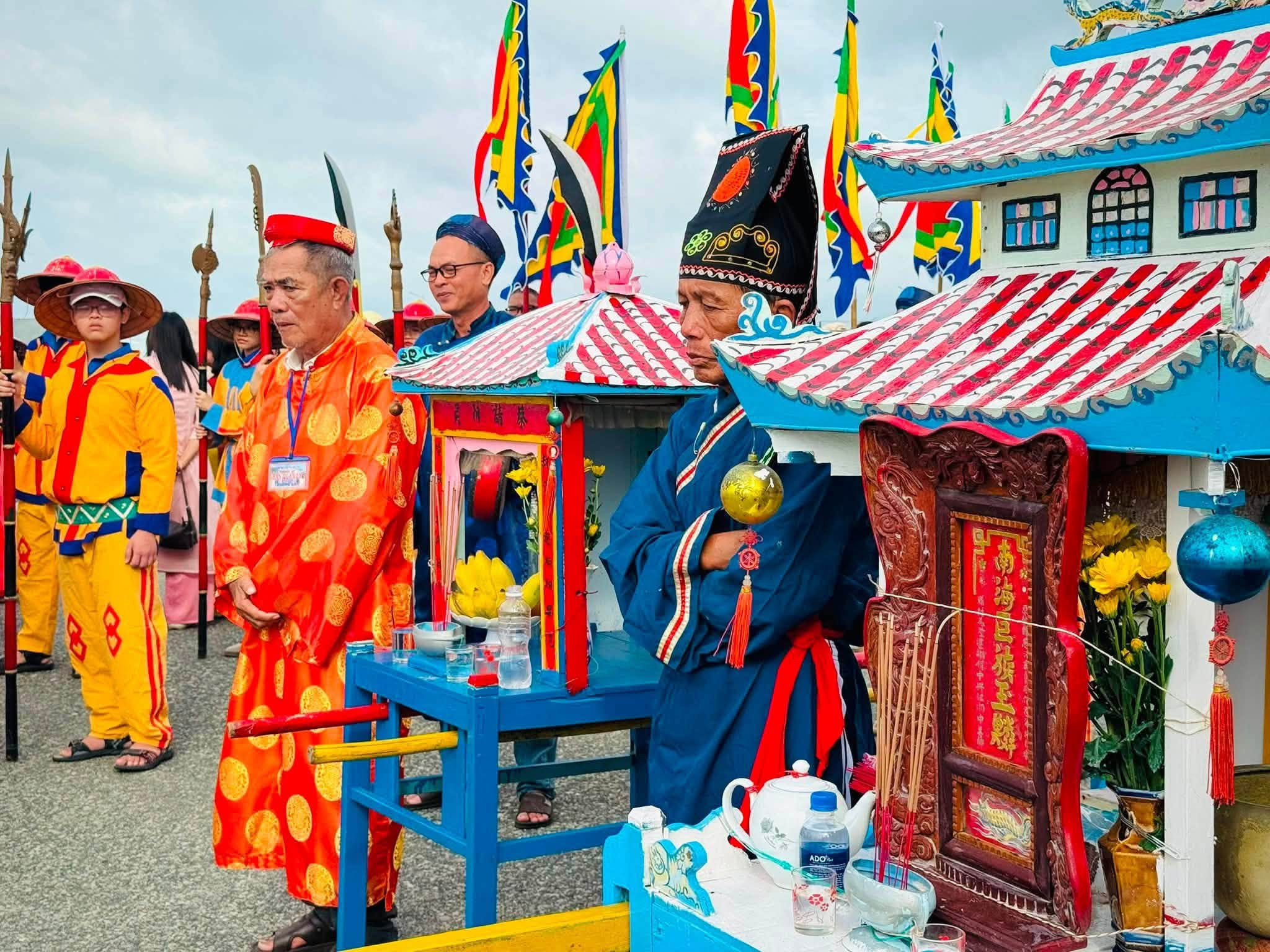
For fishing villages along eastern Lam Dong, the Cau Ngu Festival is not only an important part of local cultural heritage but also a source of pride, helping preserve and promote the traditional values of coastal communities.
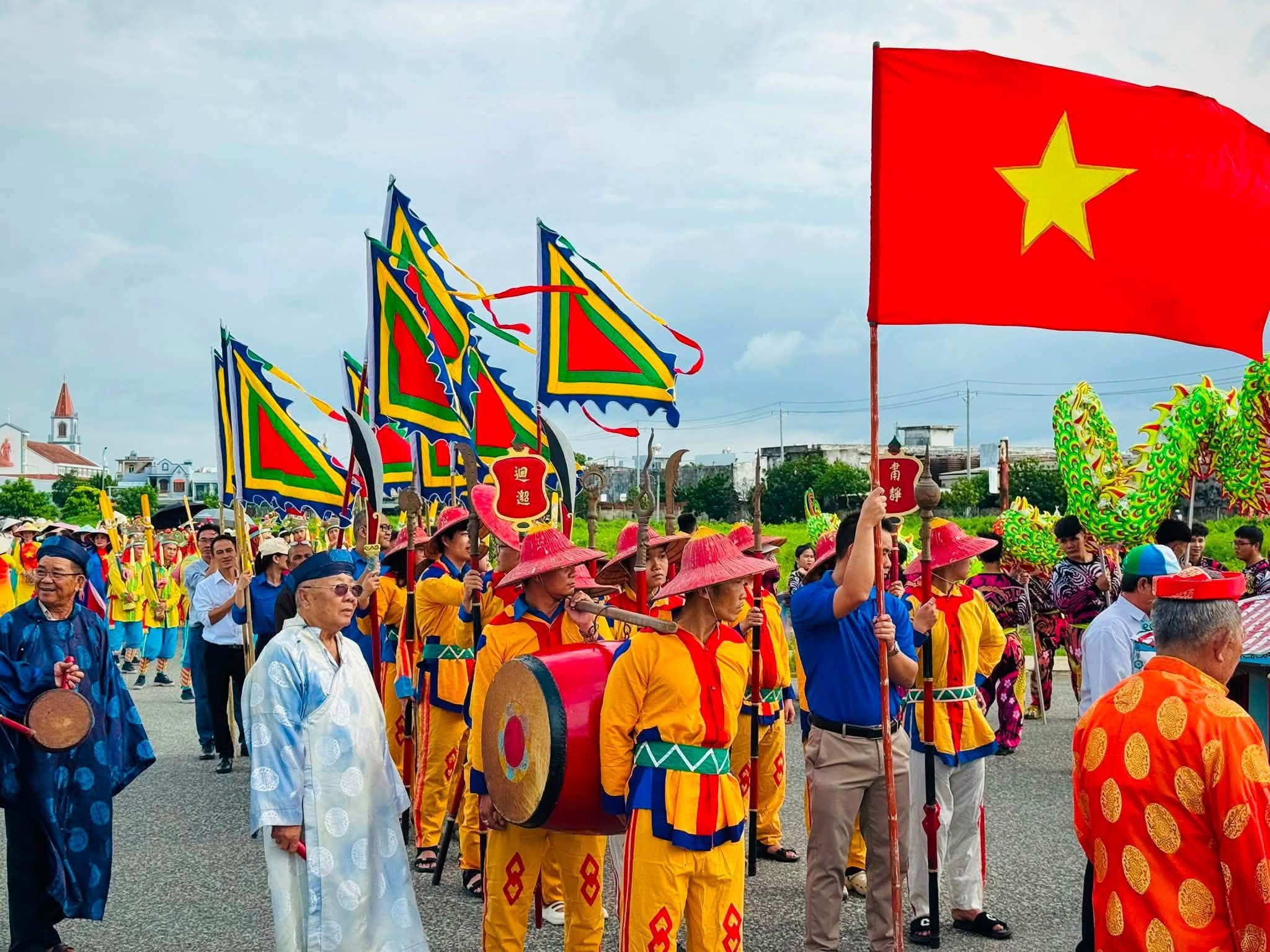
The Distinctive Thanh Minh Festival
Alongside the Cau Ngu Festival, the Thanh Minh Festival also reflects the distinctive culture of fishermen in coastal Lam Dong, particularly in Phan Ri Cua Commune.
Held in early April each year, the festival is not only an occasion to pray for peace and honor ancestors who helped reclaim the land, but also a community gathering that strengthens neighborhood ties among fishermen in the Duong fishing community of Phan Ri Cua.
Duong is one of the region's distinctive fishing villages. Viewed from afar, the village stretches along the coast, including the Son rocky shore. Unlike many other localities, these coastal rocky areas remain closely connected with the daily lives and activities of the fishing community.
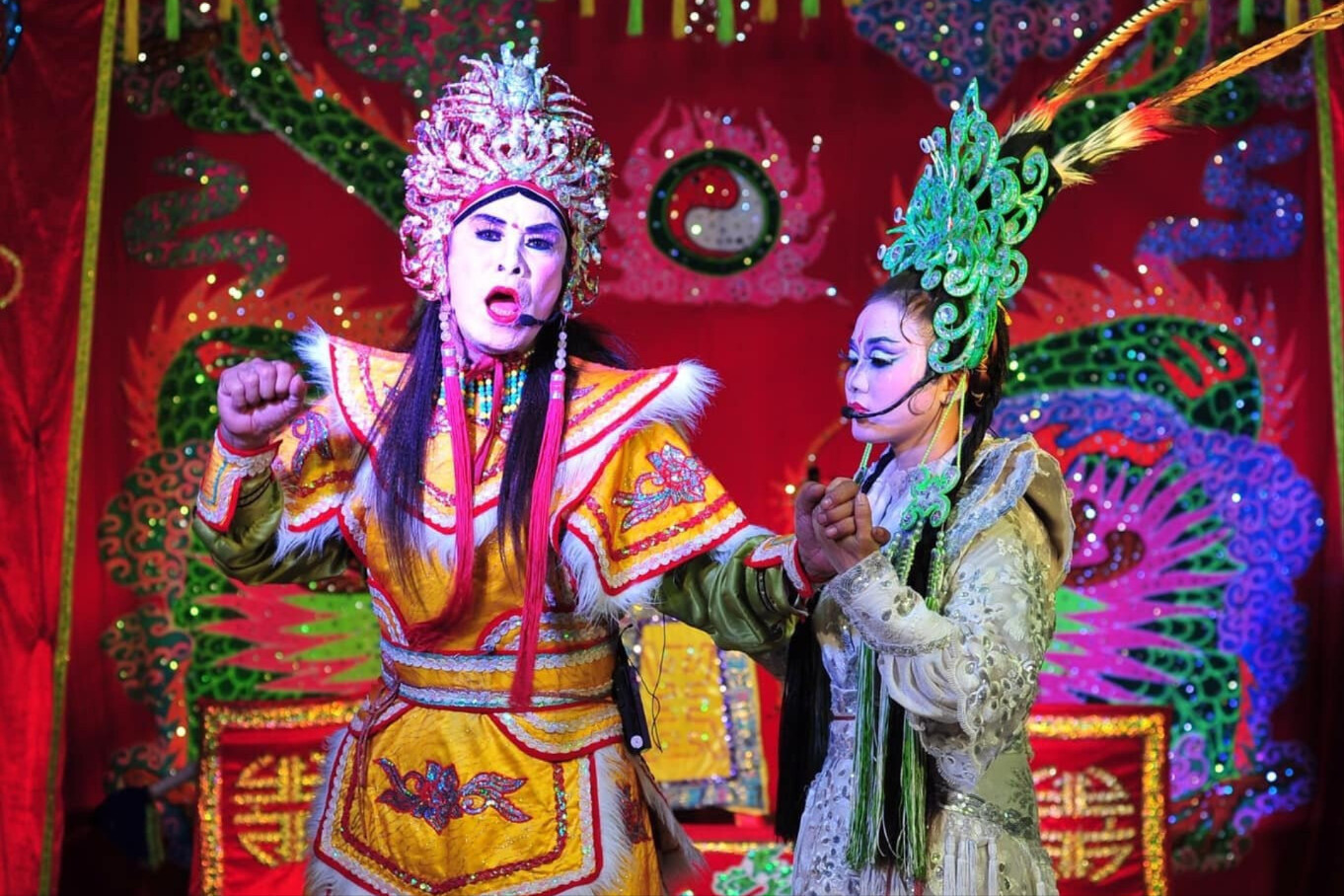
The festival preserves strong traditional cultural features and attracts both local residents and visitors. It usually lasts three to five days, featuring activities such as Buddhist scripture recitations, processions, worship rituals for village deities, offerings of ceremonial cakes, major rituals, communal food offerings, the Xo Co cake ritual, opening ceremonies and traditional opera performances.
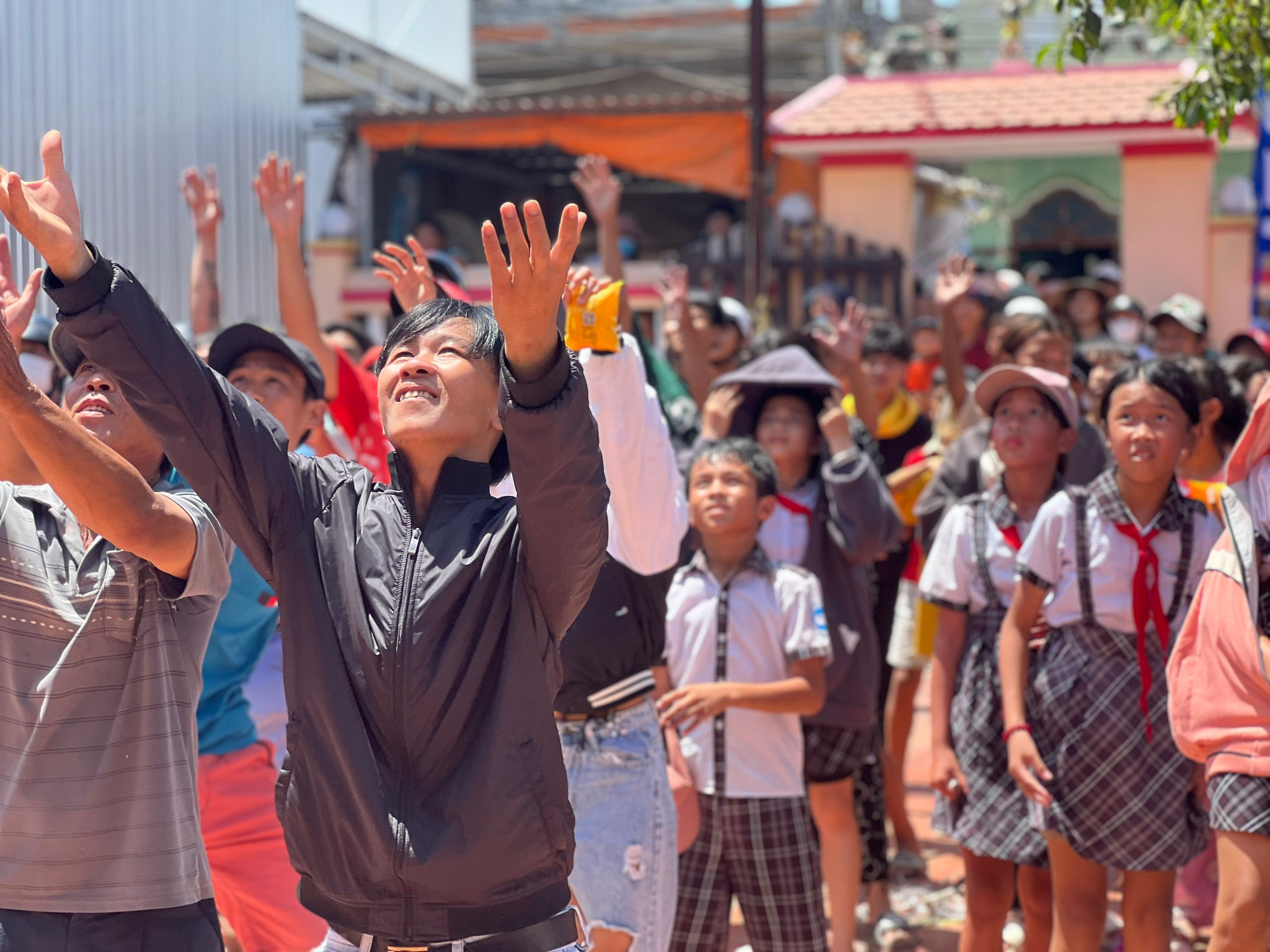
After the Lunar New Year, Thanh Minh is regarded as the second-largest festival of fishermen in the area. Fisherman Nguyen Hung Cuong from Ha Thuy Hamlet said the festival is traditionally held at Hung Vuong Shrine and Quan Thanh Shrine, with Hung Vuong Shrine drawing larger crowds and hosting the more elaborate ceremonies.
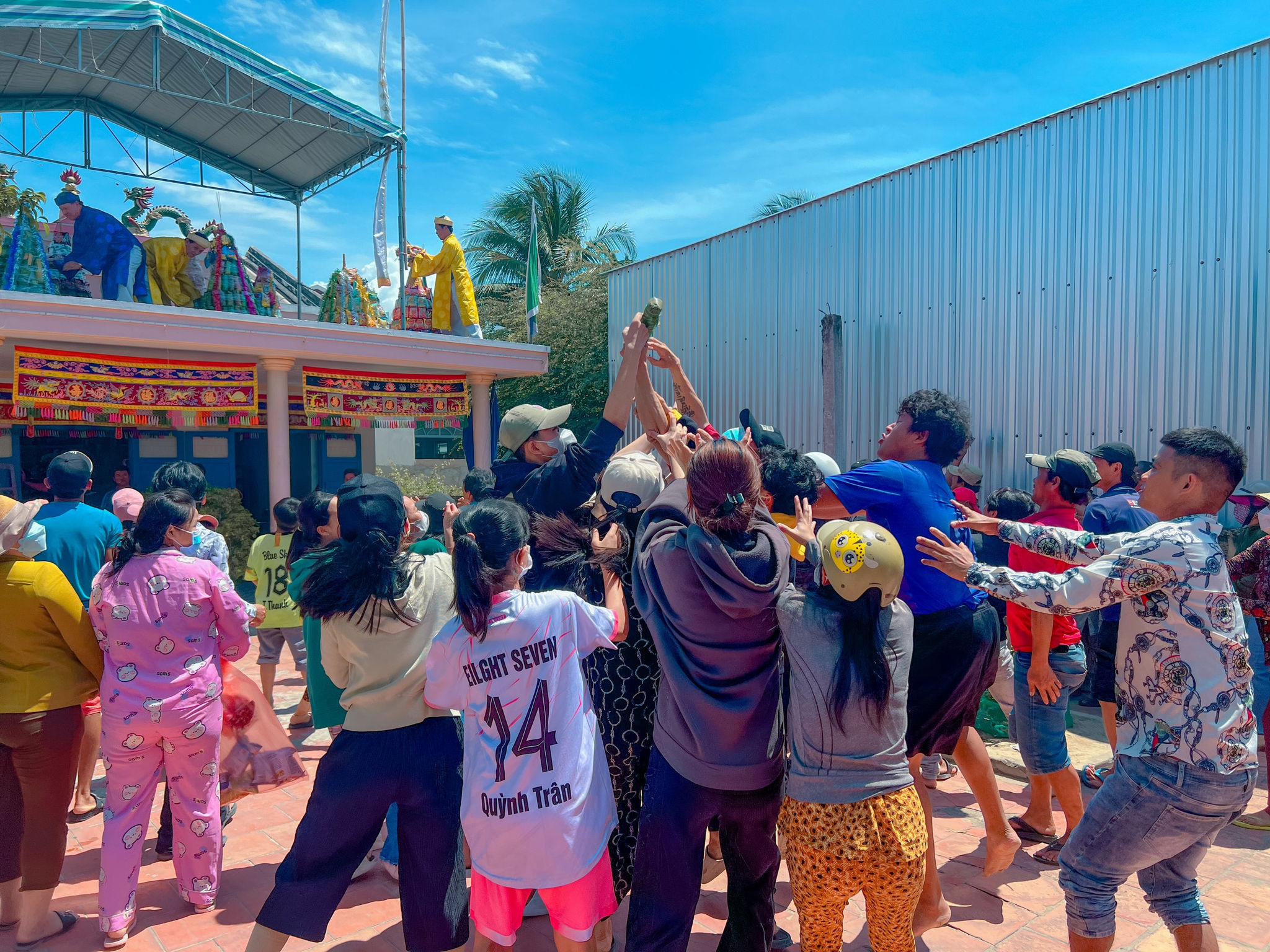
A highlight of Thanh Minh is the Xo Co, or cake-throwing, ritual, which creates a lively and joyful atmosphere.
After the offerings are completed, hundreds of trays of cakes voluntarily contributed by local residents are carried to the second floor, where ceremonial participants distribute the cakes to the crowd. This is one of the most eagerly anticipated moments, as people believe that receiving more cakes will bring greater good fortune.
.jpg)
During the festival, most fishermen moor their boats and set aside their nets. Those working away from home also return to reunite with their families, tend ancestral graves and join the ceremonies at the shrines, praying for favorable weather, plentiful catches and better lives.
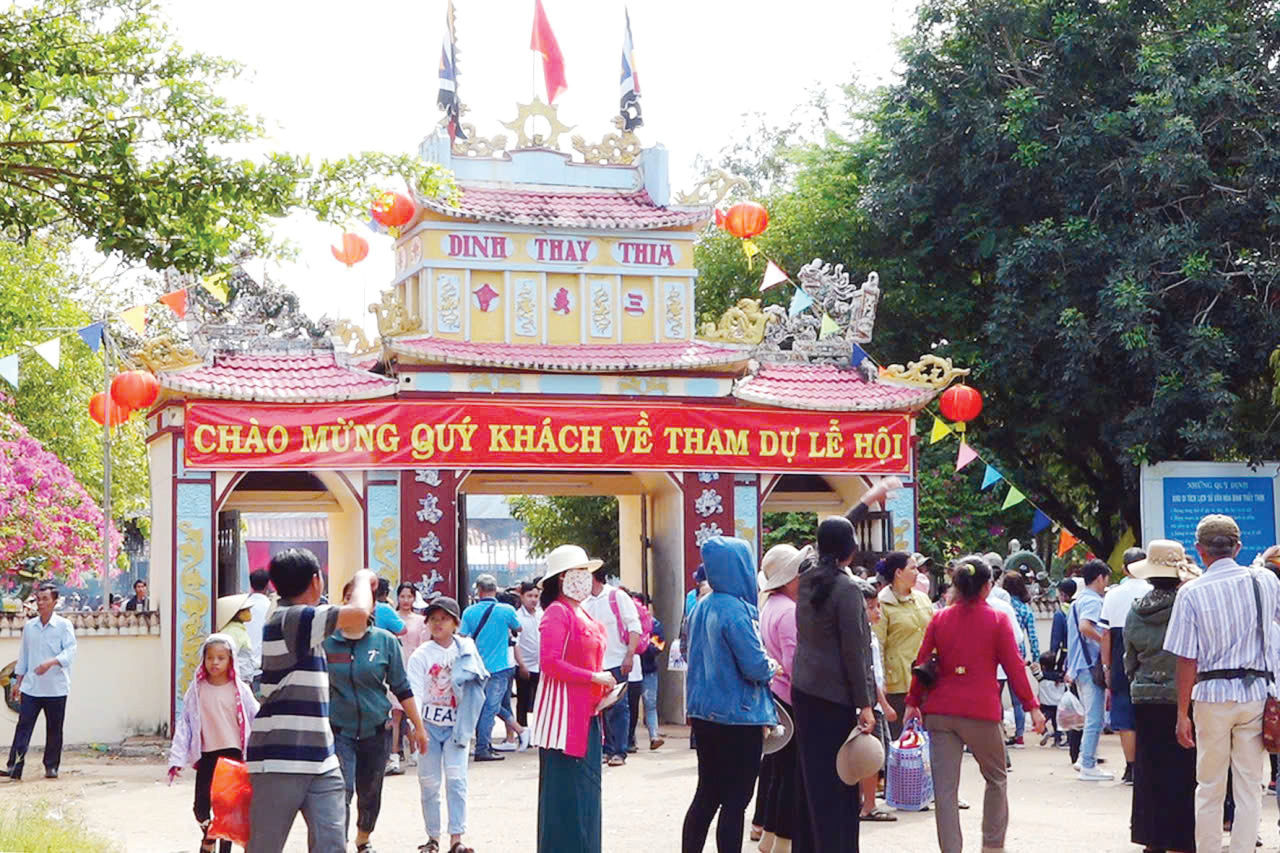
Dinh Thay Thim: A Living Coastal Heritage
Amid modern life, traditional festivals continue to be preserved as community heritage, expressing gratitude to the sea, which has sustained generations. Each festival season, the sounds of drums, horns and Ba Trao chants echo across the coast, recalling tradition, faith and the enduring aspiration of local people to venture out to sea.
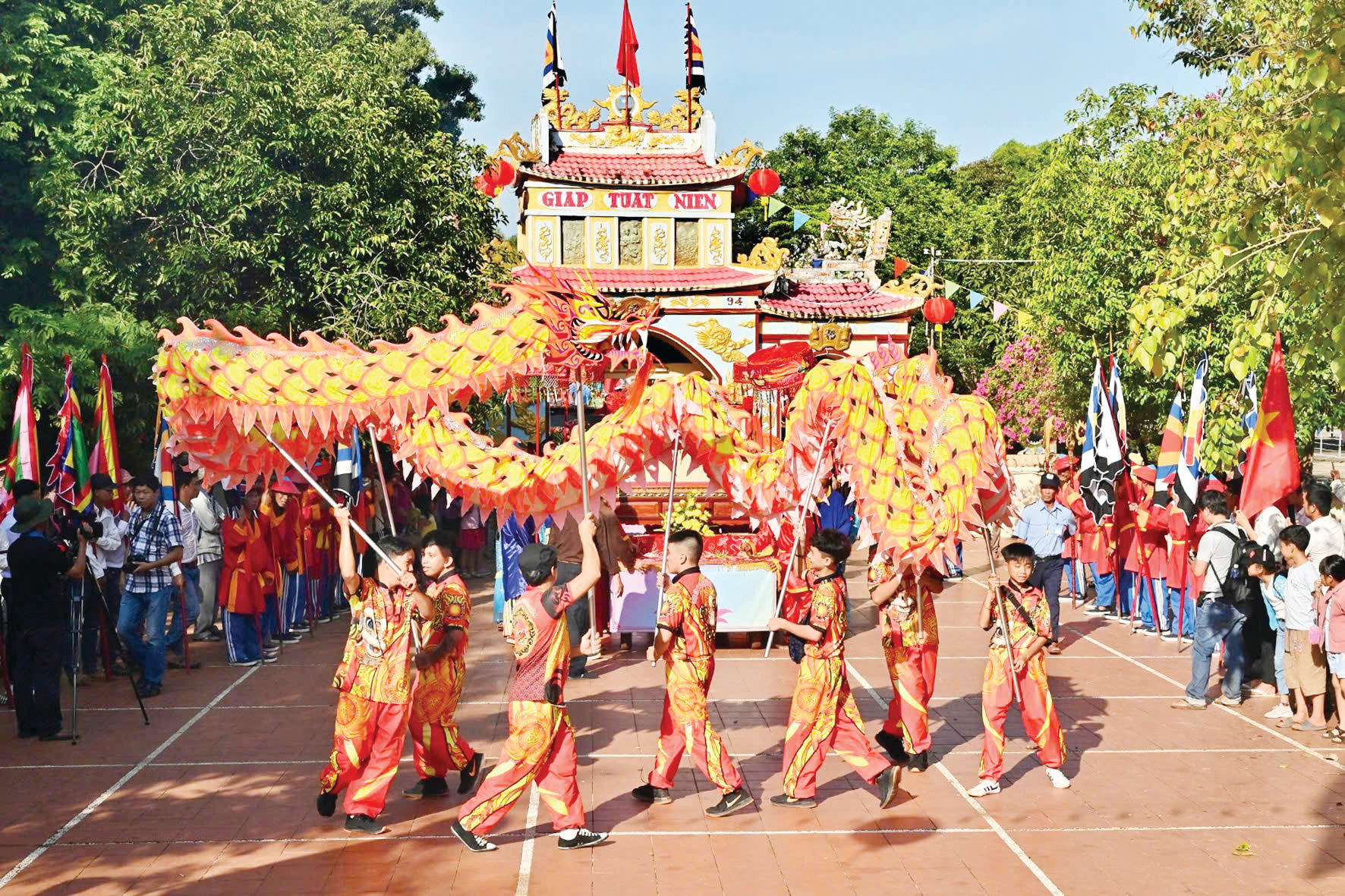
Despite centuries of cultural exchange and adaptation, the Dinh Thay Thim Festival in Tan Hai Commune has been preserved for more than 130 years, with its solemn traditional rituals and numerous folk activities still largely intact.
The festival is more than a traditional cultural celebration. It also carries historical significance, honoring the contributions of revered predecessors. The combination of religious belief, history and culture has given Dinh Thay Thim a distinctive appeal, making it a familiar destination for visitors during the eighth lunar month every year.
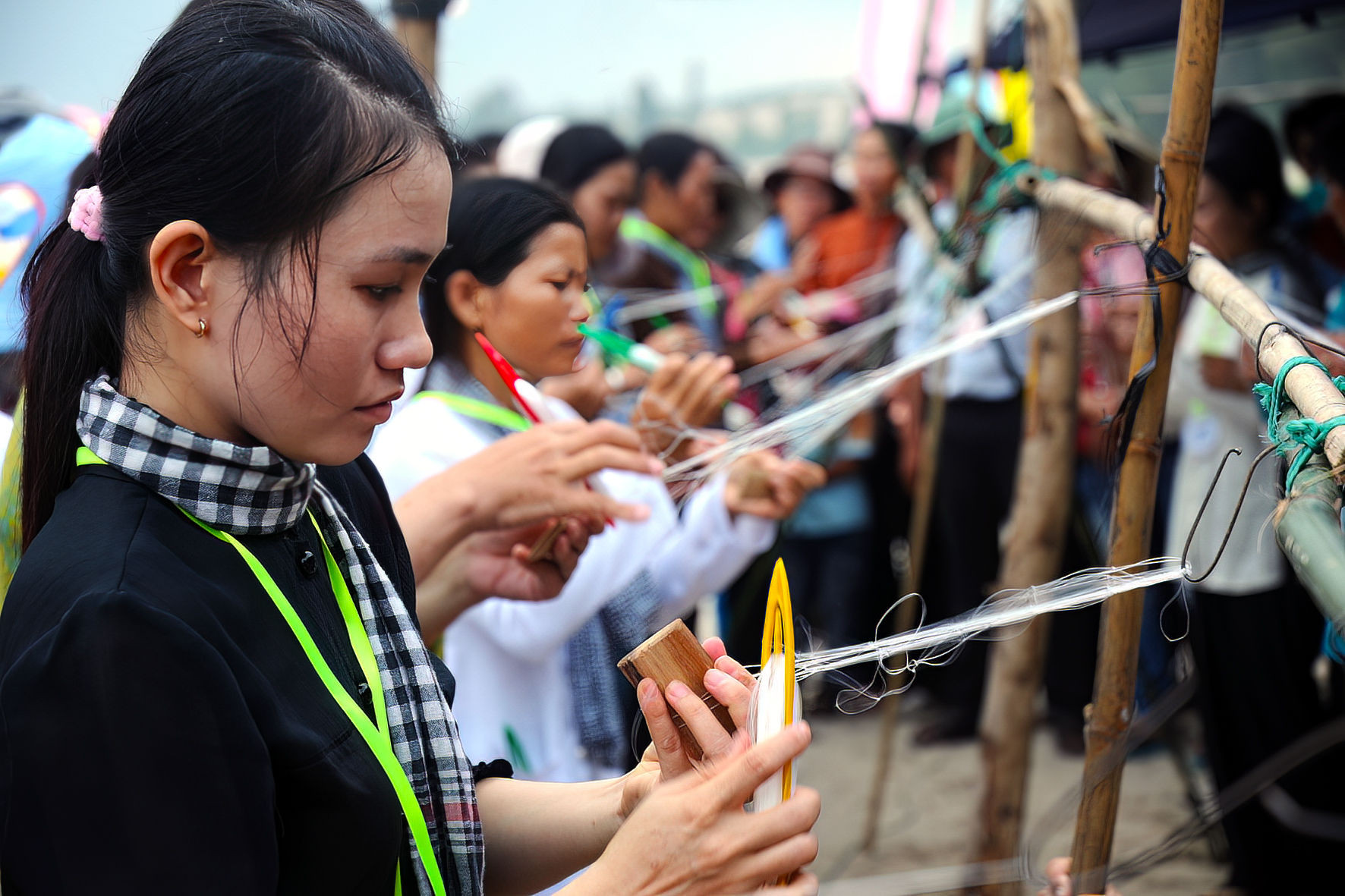
Alongside traditional rituals honoring Thay and Thim — two revered figures remembered by local people for reclaiming land, providing medical care, helping the poor and supporting fishermen in their journeys to sea — the festival also features folk games reflecting the culture of coastal communities.
Activities include cake-making competitions, blindfolded pot smashing, fish-carrying contests, carrying fishing baskets to the sea and net-weaving, along with musical performances and traditional southern Vietnamese music.
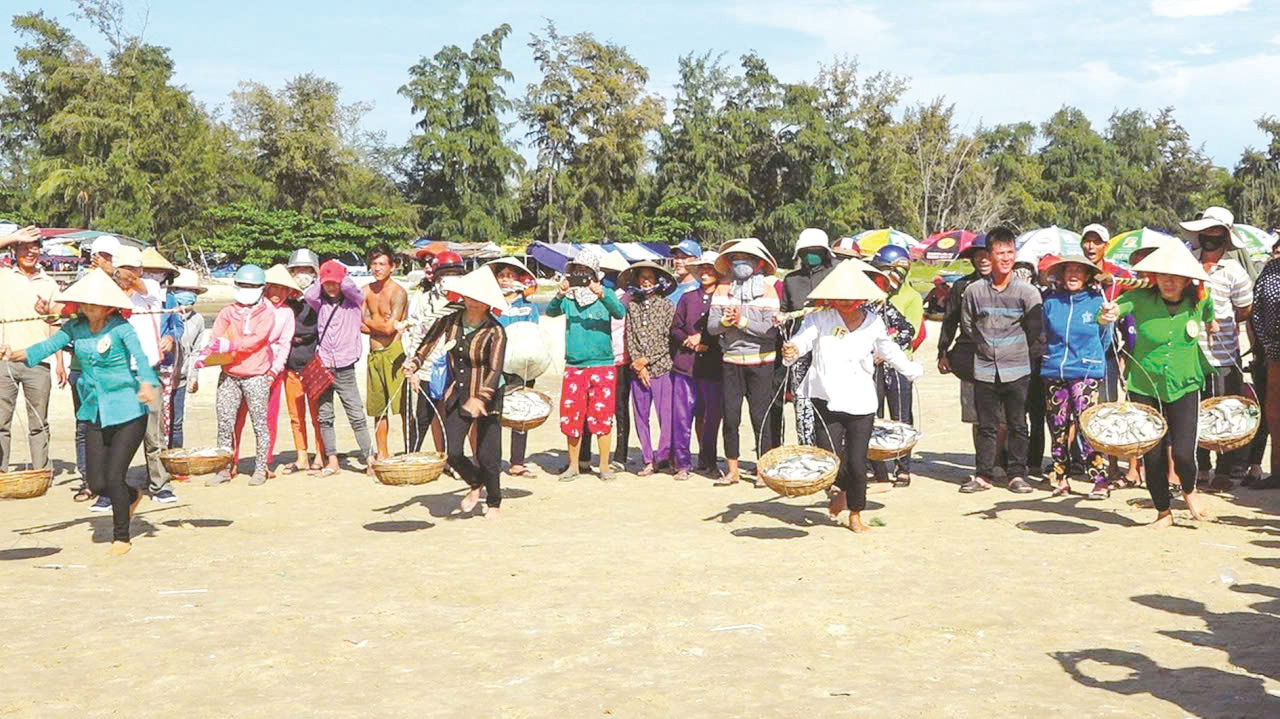
Nguyen Van Hai, head of the Dinh Thay Thim Relic Management Board in Tan Hai Commune, said the festival is not only a distinctive cultural and religious highlight for coastal communities but also one of the province's representative intangible heritage festivals selected for preservation and promotion in support of local tourism development.
Dinh Thay Thim was recognized as a national historical and cultural relic in 1997 and was listed by the Ministry of Culture, Sports and Tourism as a national intangible cultural heritage in 2022.
Traditional festivals among coastal fishermen emerged as a strong spiritual foundation, embodying historical, religious and profound community values. Preserving and promoting the cultural depth of these coastal festivals not only safeguards valuable intangible heritage but also contributes to sustainable tourism development and strengthens people's attachment to their homeland's seas and islands.
According to the Lam Dong Department of Culture, Sports and Tourism, the province currently has 97 festivals, including 82 traditional festivals, five cultural festivals and 10 religious festivals. Beyond preserving longstanding cultural values, these celebrations help promote positive customs and traditions among coastal fishing communities in Lam Dong. In doing so, traditional cultural assets can become development resources, creating a distinctive attraction for local tourism as the province moves to sustainably tap its marine economic potential.