
Lam Dong Expands Potential for Floating Solar Power on Hydropower Reservoirs
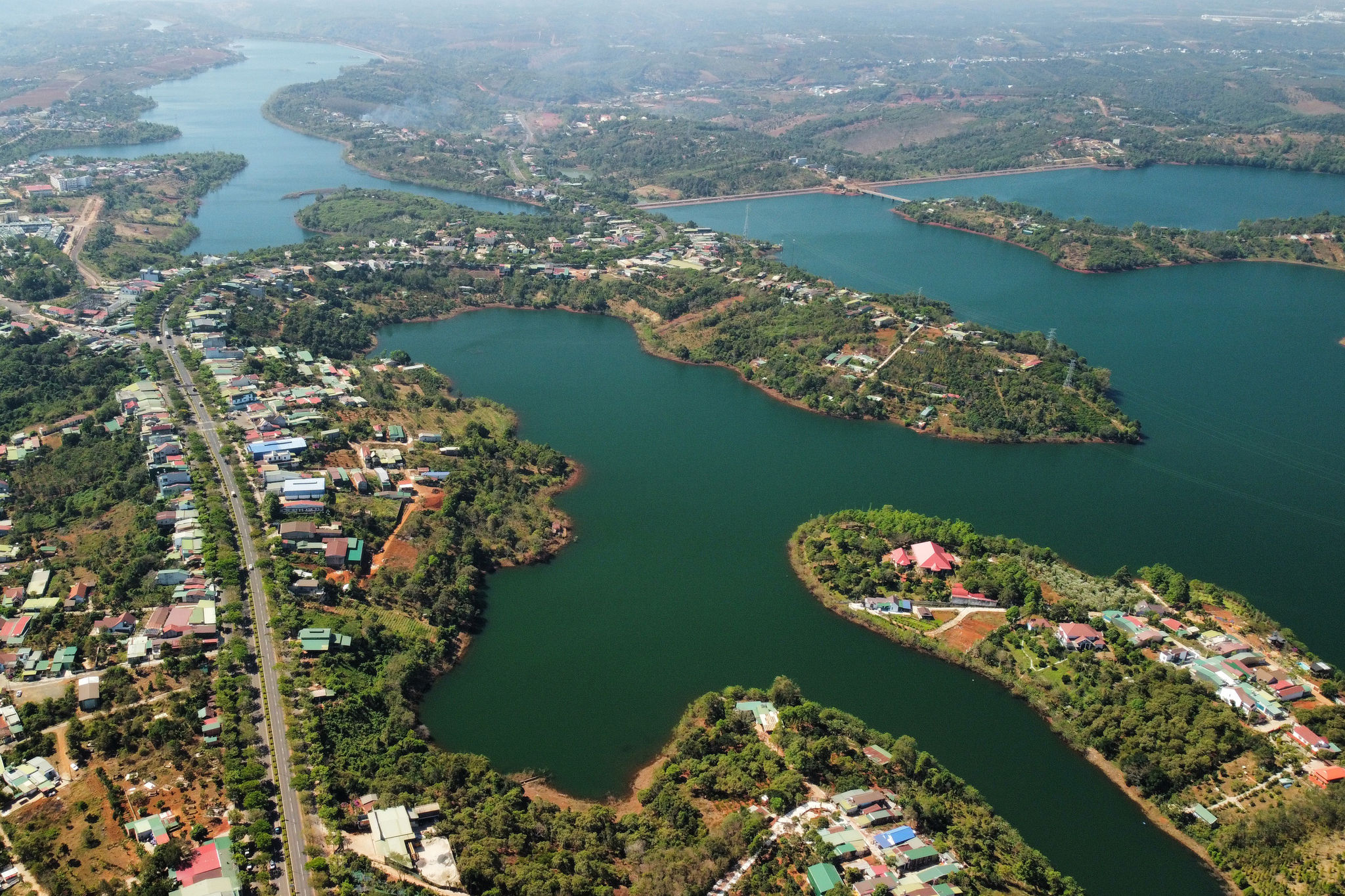
Lam Dong is expanding opportunities for renewable energy development on hydropower reservoirs, making use of available water surfaces and existing infrastructure to increase power supply and support economic growth.
Creating More Space for Clean Energy
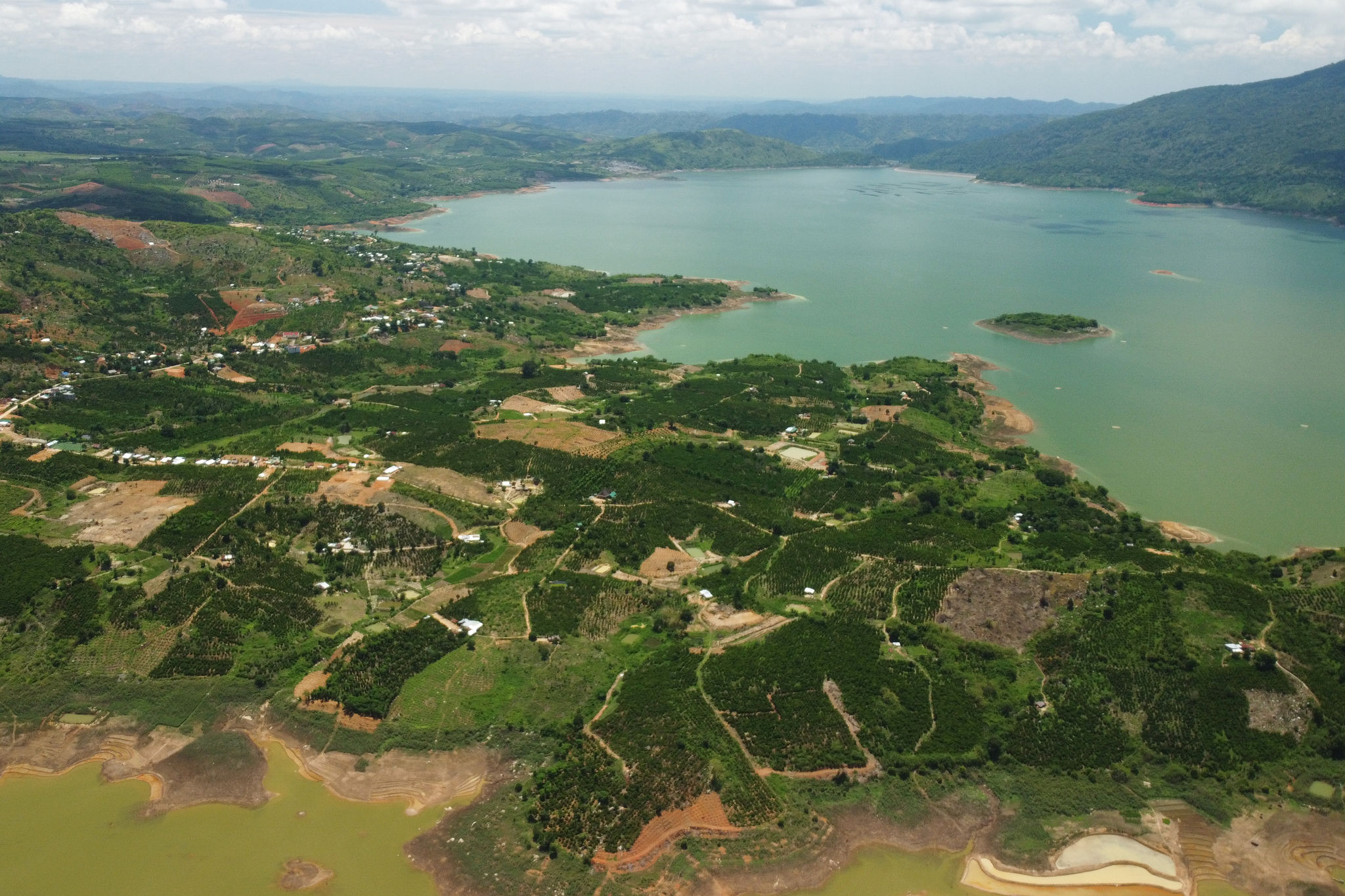
On August 19, during the 12th session of the Lam Dong Provincial Party Committee, the committee tentatively approved the investment policy for the KN Buon Tua Srah Solar Power Plant project.
Located in Quang Phu Commune, the project is planned to have a capacity of 312 MW, equivalent to 390 MWp, with a total investment estimated at around VND 7.744 trillion. Out of the roughly 495.3 hectares of land and water surface anticipated to be utilized, approximately 487 hectares will be designated for solar panels mounted on the reservoir.
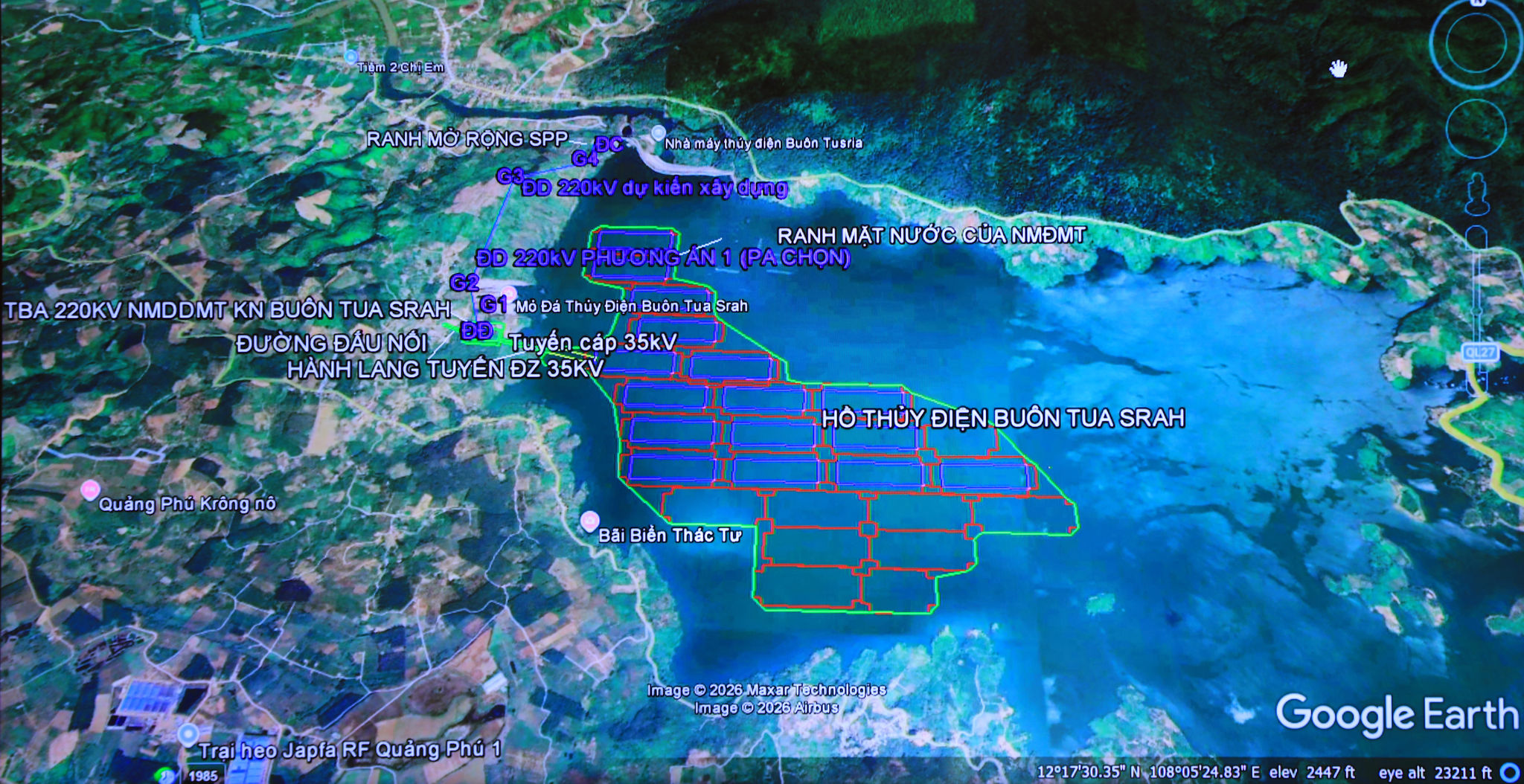
The solar panels will be set up on floating structures that rise approximately 0.5–1 meter above the water's surface. The project also aims to implement a battery energy storage system (BESS) with a capacity that is at least 10% of the plant's total capacity, capable of storing electricity for two hours.
According to the proposed timeline, the plant and all associated facilities must be completed and operational by the end of the second quarter of 2029.
The importance of KN Buon Tua Srah extends beyond its size and investment; it also reflects a strategy of utilizing the surface of reservoirs for solar power development.
As reported by the Lam Dong Department of Finance, by August 2026, the province had received 35 proposals requesting initial approval for power-generation initiatives under the Eighth National Power Development Plan, its updated version, and the provincial master plan. These projects have a total projected investment of around VND 75.6 trillion and would utilize more than 2,300 hectares of land and water area.
The applications include 14 solar power projects, 10 hydropower projects, four wind power projects, and seven projects related to power-grid and substations.
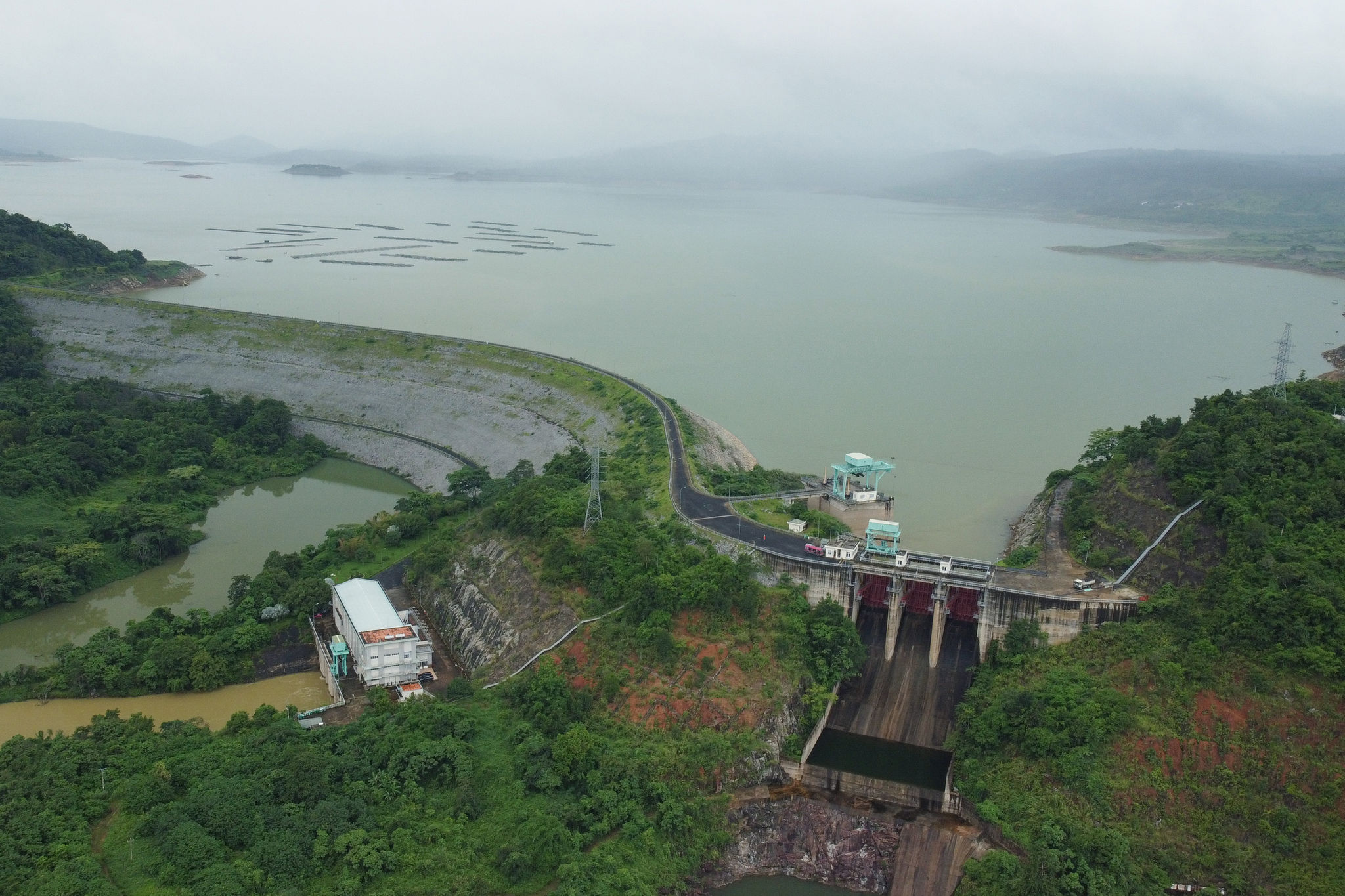
Importantly, several of the proposed solar power initiatives are planned to be implemented on existing hydropower reservoirs, such as Buon Tua Srah, Buon Kuop, Serepok 3, Dak Sin 1, Dong Nai 2, Dai Ninh, and Da Dang 3.
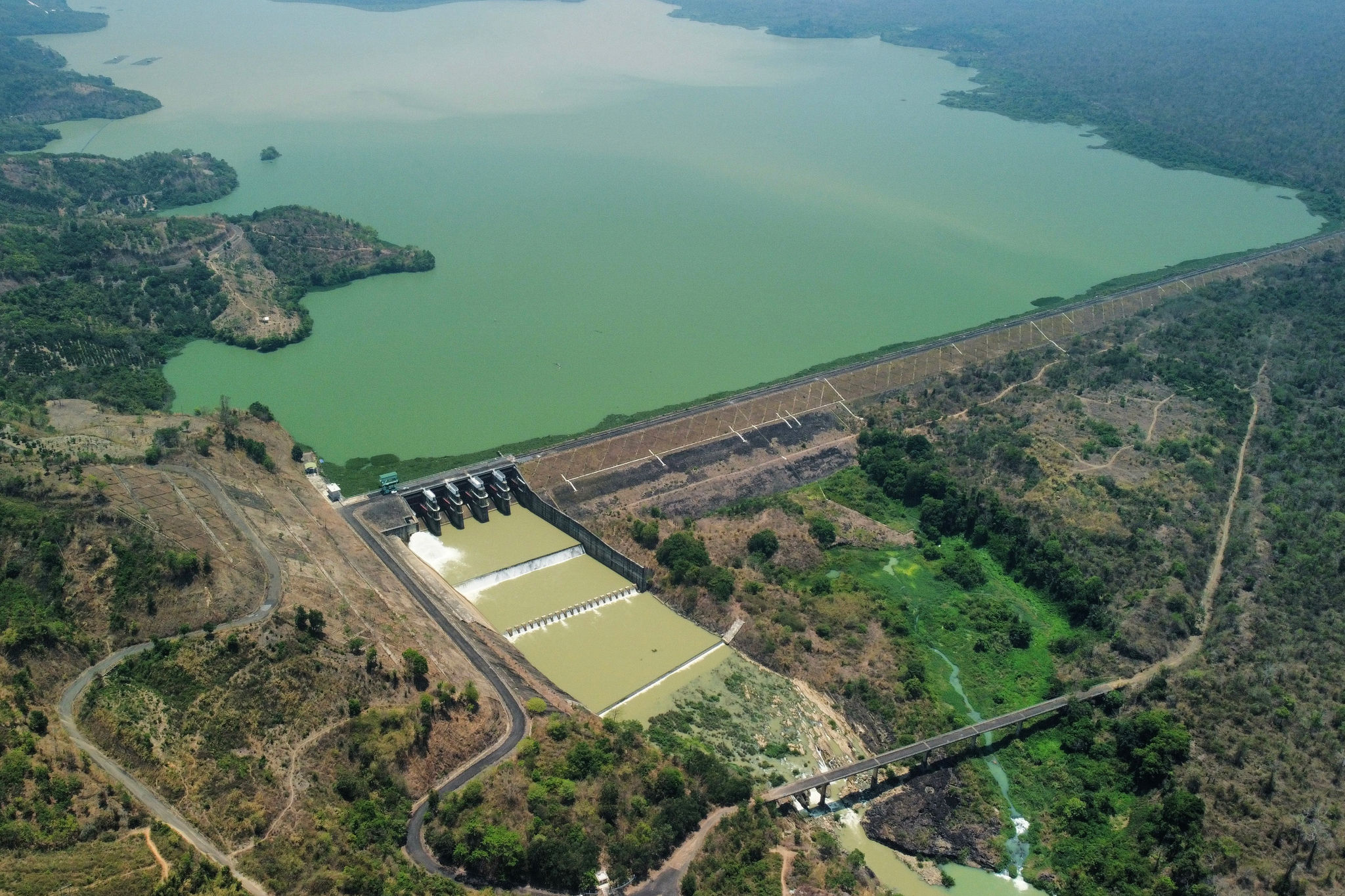
The Department of Finance is presenting three solar power initiatives for review by the provincial People's Committee: the initial phase of the Ham Thuan Hydropower Reservoir solar project, the Dai Ninh project, and the second phase of the Da Mi project.
These proposed projects highlight that floating solar energy on hydropower reservoirs is becoming a promising option for electricity generation in Lam Dong. Current reservoirs provide extra capacity for renewable energy growth without the need to expand conventional land use.
One benefit is that these projects can utilize existing power infrastructure from hydropower plants, such as substations, grid links, and transmission systems. This creates an opportunity to enhance infrastructure efficiency and expedite certain phases of power project development.
The floating solar energy initiative at the Dong Nai 2 Hydropower Reservoir serves as an illustration. It was tentatively approved by the Lam Dong Provincial People's Committee in July 2026, with a capacity of 240 MW, equivalent to 300 MWp, and an estimated annual electricity generation of approximately 460 million kWh.
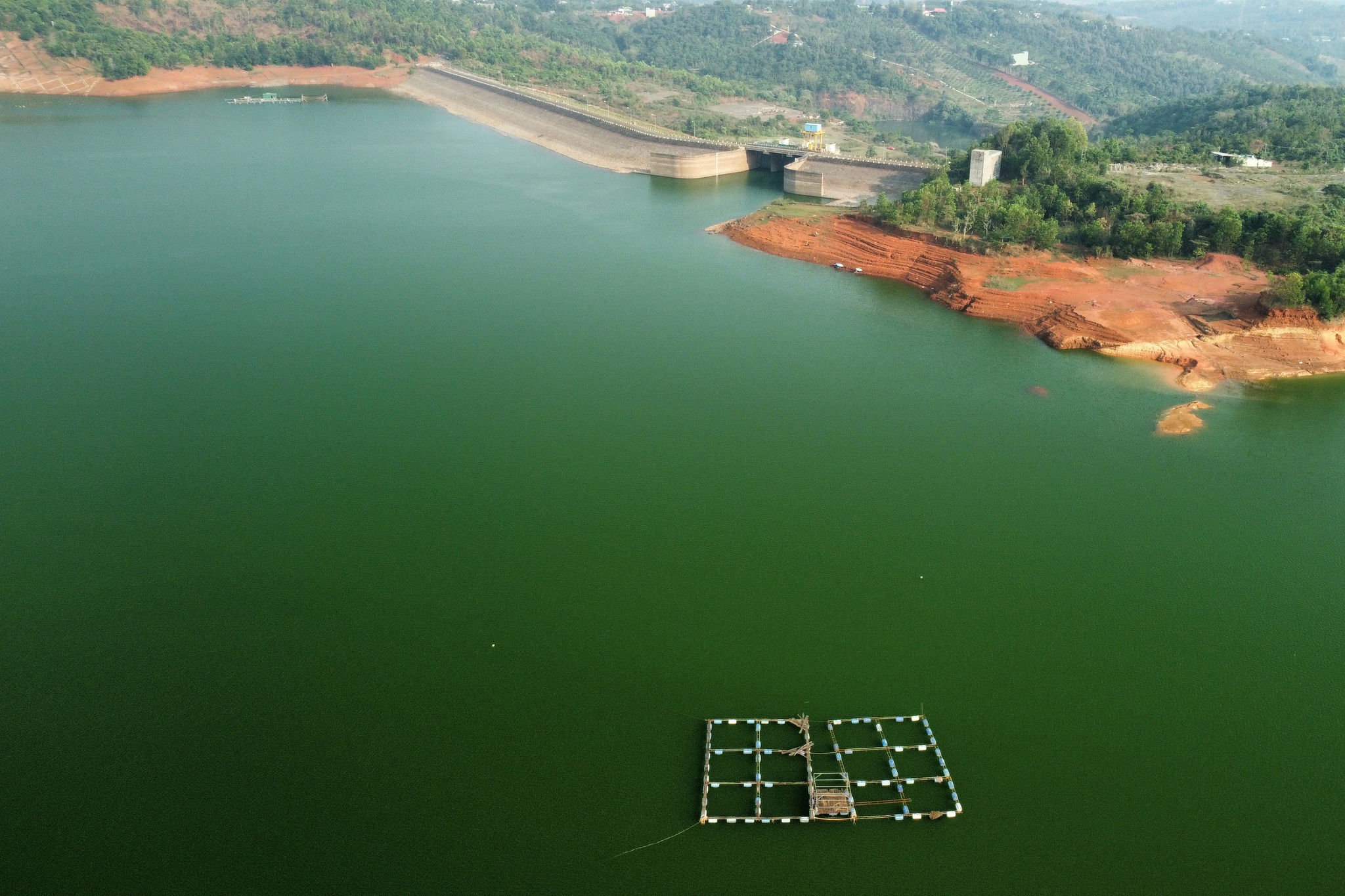
The project will utilize around 354.8 hectares of the water surface of the reservoir, with a total investment of nearly VND 5 trillion. The construction is anticipated to wrap up in the third quarter of 2027, with connection to the national grid planned for the fourth quarter of 2027.
Integrating hydropower with floating solar energy enables further utilization of reservoir surfaces while enhancing the capacity for renewable energy on existing infrastructure. This approach aligns with the energy transition and aims to boost the contribution of clean energy in the energy mix.
Aligning Development with Planning and Growth Targets
The proposed solar power projects on hydropower reservoirs indicate that Lam Dong is not only abundant in renewable energy resources but is also progressively establishing a strategy for renewable energy development aligned with current planning and infrastructure.
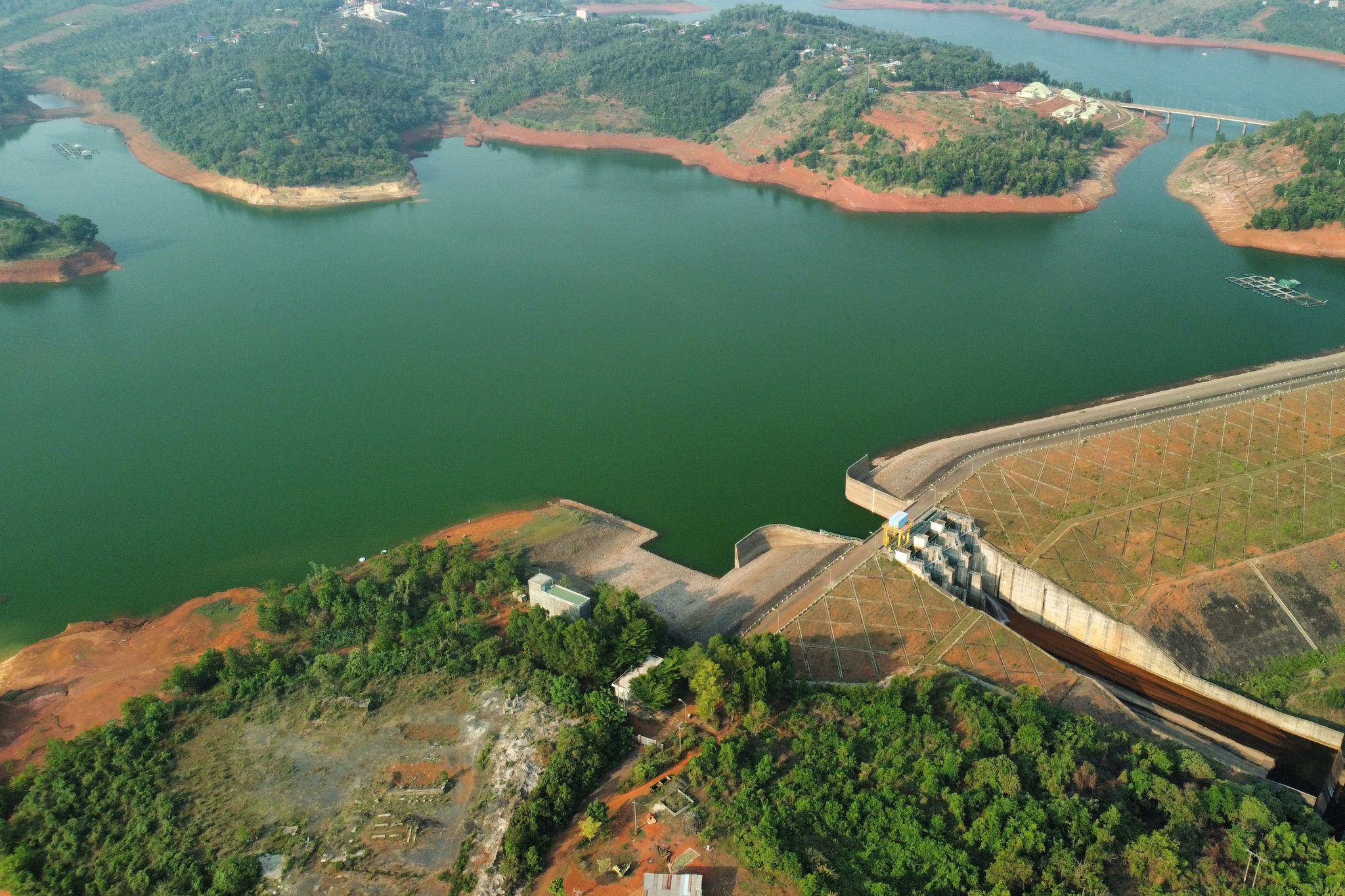
According to Le Trong Yen, Standing Vice Chairman of the Lam Dong Provincial People's Committee, solar energy projects on hydropower reservoirs align with the Eighth National Power Development Plan, its revised edition, and the provincial master plan. The development of these renewable energy ventures is also promoted as they can enhance power supply and support socio-economic development.
Since they are constructed on existing reservoirs, these projects benefit from not needing traditional land clearance. Regarding the KN Buon Tua Srah Solar Power Project, Buon Kuop Hydropower Company, responsible for managing the reservoir, has shown strong backing for the project.
This position indicates that the development of floating solar power in Lam Dong is being considered in connection with power planning, efficient use of natural resources and the need to increase energy supply for economic growth.
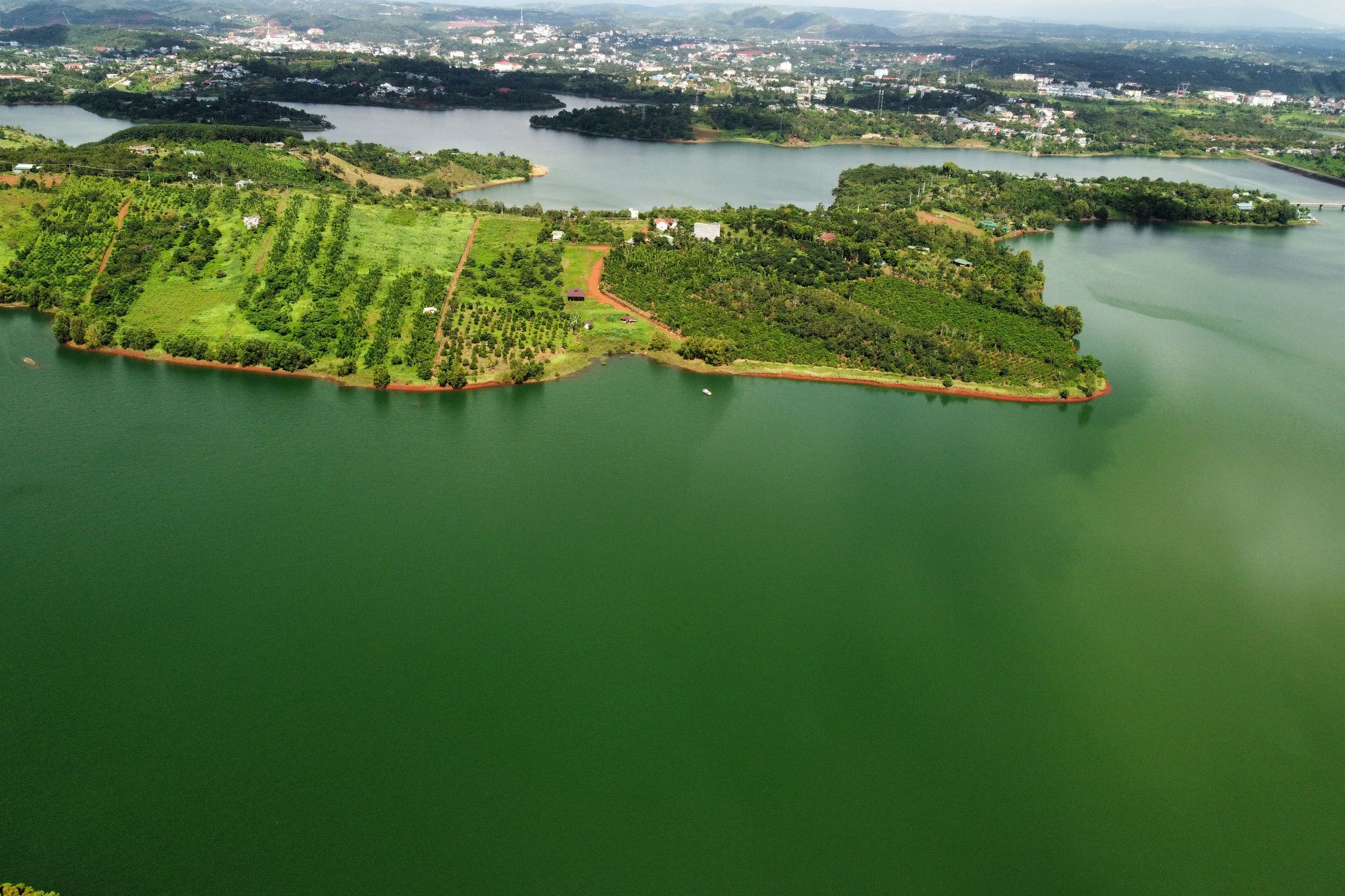
Between 2026 and 2030, the demand for dependable electricity and sustainable energy is anticipated to grow as Lam Dong advances its socio-economic development. Making better use of hydropower reservoir surfaces could thus provide new opportunities for energy projects without exerting considerable additional pressure on the province’s land resources.
Nevertheless, this opportunity also entails stringent requirements related to legal compliance and water resource management. Regarding the KN Buon Tua Srah project, the Provincial Party Standing Committee has called for further clarification on the legal foundation, the extent of water surface usage, and whether the project might conflict with the management rights of other authorities.
Under the conclusion issued on July 29, 2026, the Provincial Party Standing Committee instructed the provincial People's Committee to review and clarify the appropriateness of simultaneously approving the investment policy and investor in cases where the water surface designated for the project has already been allocated by the State to another organization for management and use.
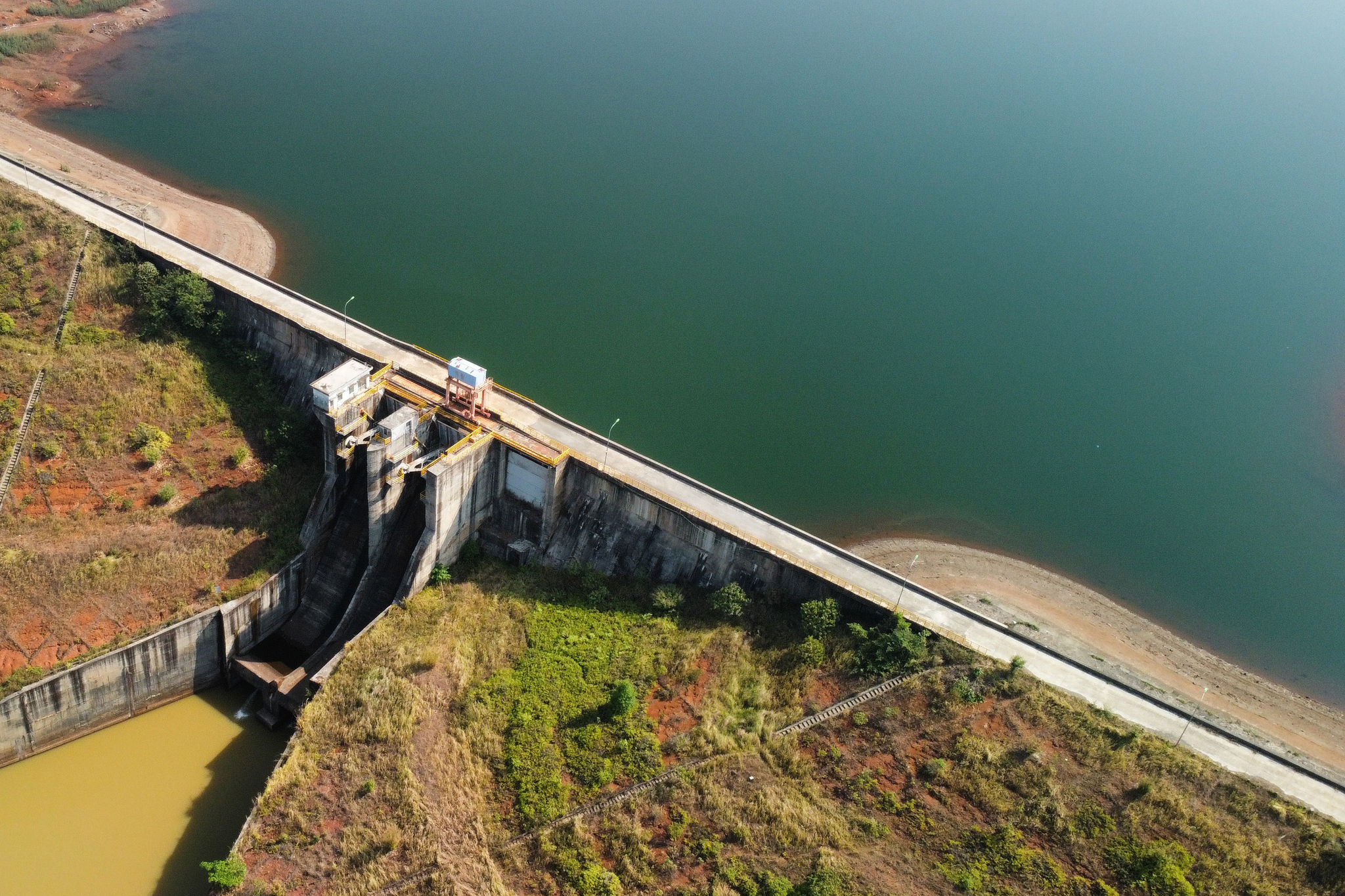
The province requires that the implementation of projects must not infringe upon the legitimate rights and interests of the relevant individuals and organizations. Clearly defining project boundaries and rights to exploit and utilize the water surface is crucial to avoid conflicts, overlapping responsibilities, and complications during implementation.
This aspect is especially significant because hydropower reservoirs serve not only as potential sites for solar power development but are also integral to electricity generation, water-resource management, and the operations of the entities overseeing these facilities.
Additionally, projects are required to undergo thorough assessments concerning their effects on the environment, ecosystems, and the use and exploitation of reservoir resources. These assessments will be vital for Lam Dong to enhance renewable energy development while ensuring the effective and sustainable utilization of existing resources.