

Efforts to Preserve Traditional Crafts
Traditional crafts such as brocade weaving and Can wine brewing are preserving culture, creating livelihoods, and enriching tourism in Lam Dong.
Efforts to Preserve Traditional Crafts
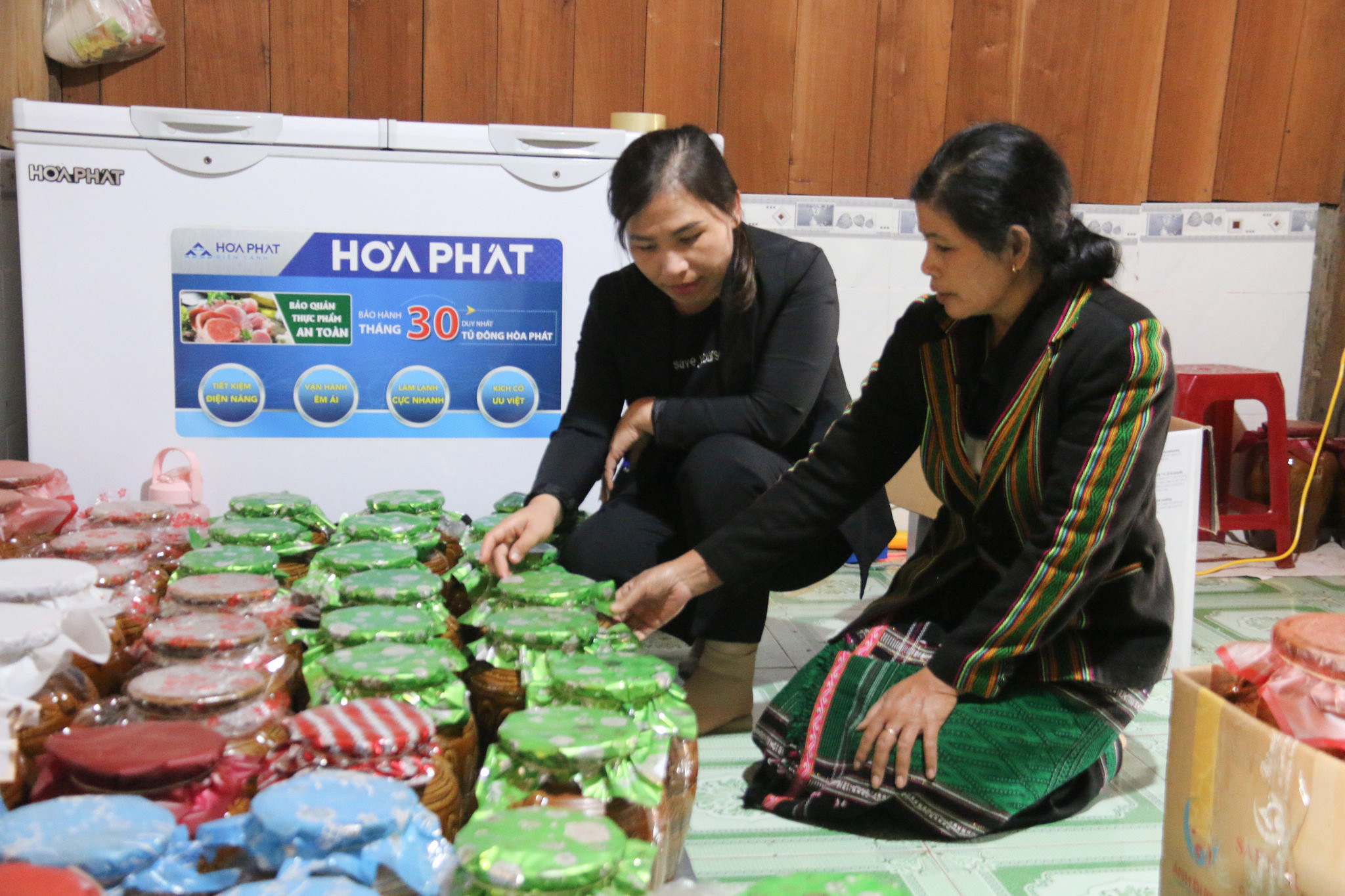
In Pi Nao Village, Nhan Co Commune, H'Yon is among the M'nong people keeping traditional Can wine making alive. Her family previously brewed the wine only for important occasions. Now, with demand rising from festivals, community events and tourists, she has expanded production for sale.
Her family sells 30-50 jars each month, rising to around 100 during the Lunar New Year. Each jar is priced between VND 400,000 and VND 1 million. Customers value the product for its handcrafted process and natural fermentation.
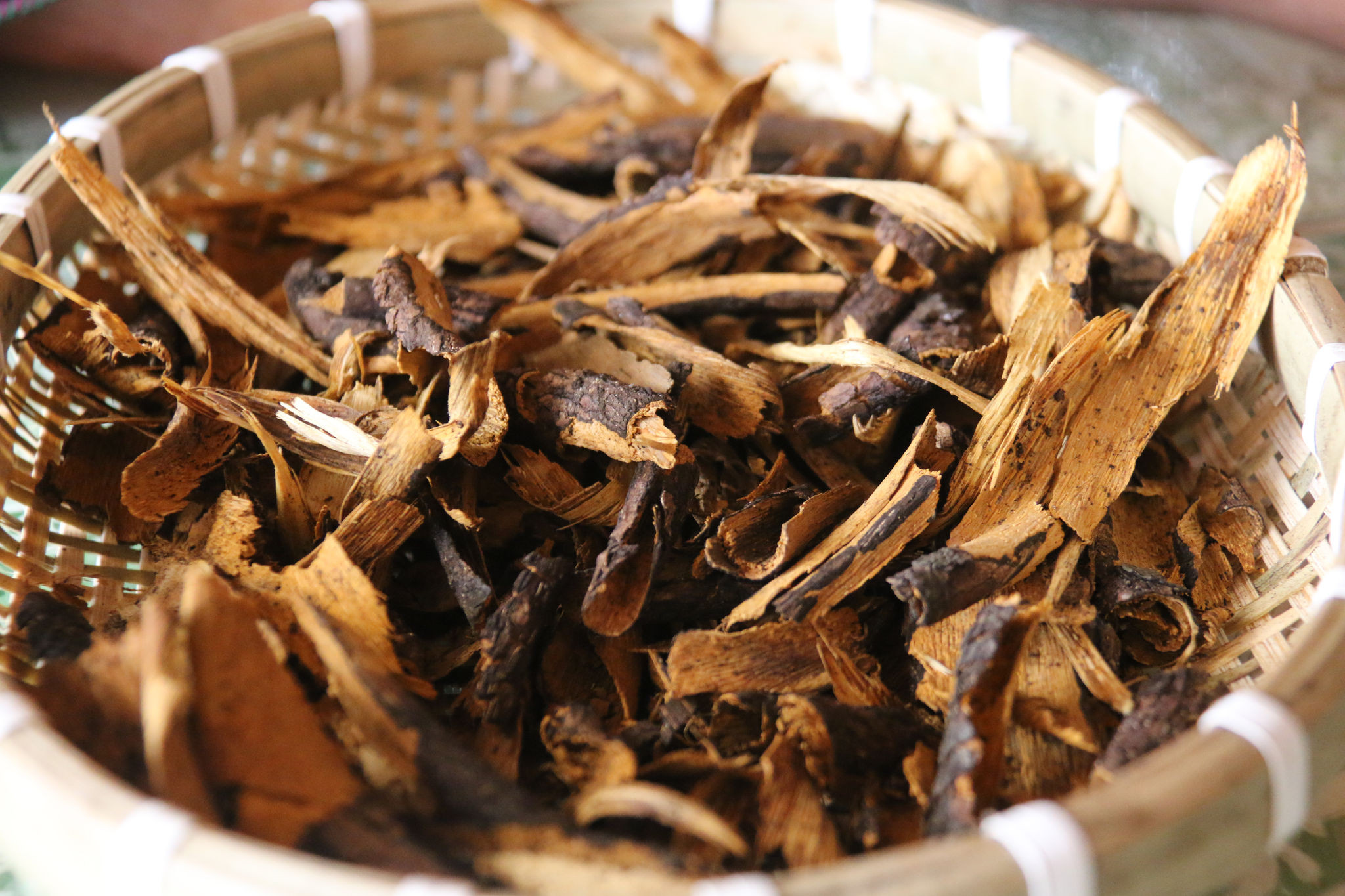
"What gives Can wine its distinctive flavour is the traditional brewing method and fermentation starter made from r'mol plants and doong bark. The wine ferments naturally and is ready after about 15 days. Its flavour becomes richer the longer it is stored," H'Yon said.
Once reserved for important community occasions, Can wine has become a distinctive product sought by visitors. At festivals and traditional ceremonies, wine jars continue to bring communities together while creating opportunities to introduce M'nong culture to visitors.
While Can wine making brings a familiar local product to market, brocade weaving demonstrates the potential to transform cultural heritage into commercial products.
With support from the Party, State and authorities at all levels, numerous brocade-weaving classes have been organised and cooperative groups established. These efforts are helping increase the value of traditional textiles made by Lam Dong's ethnic communities.
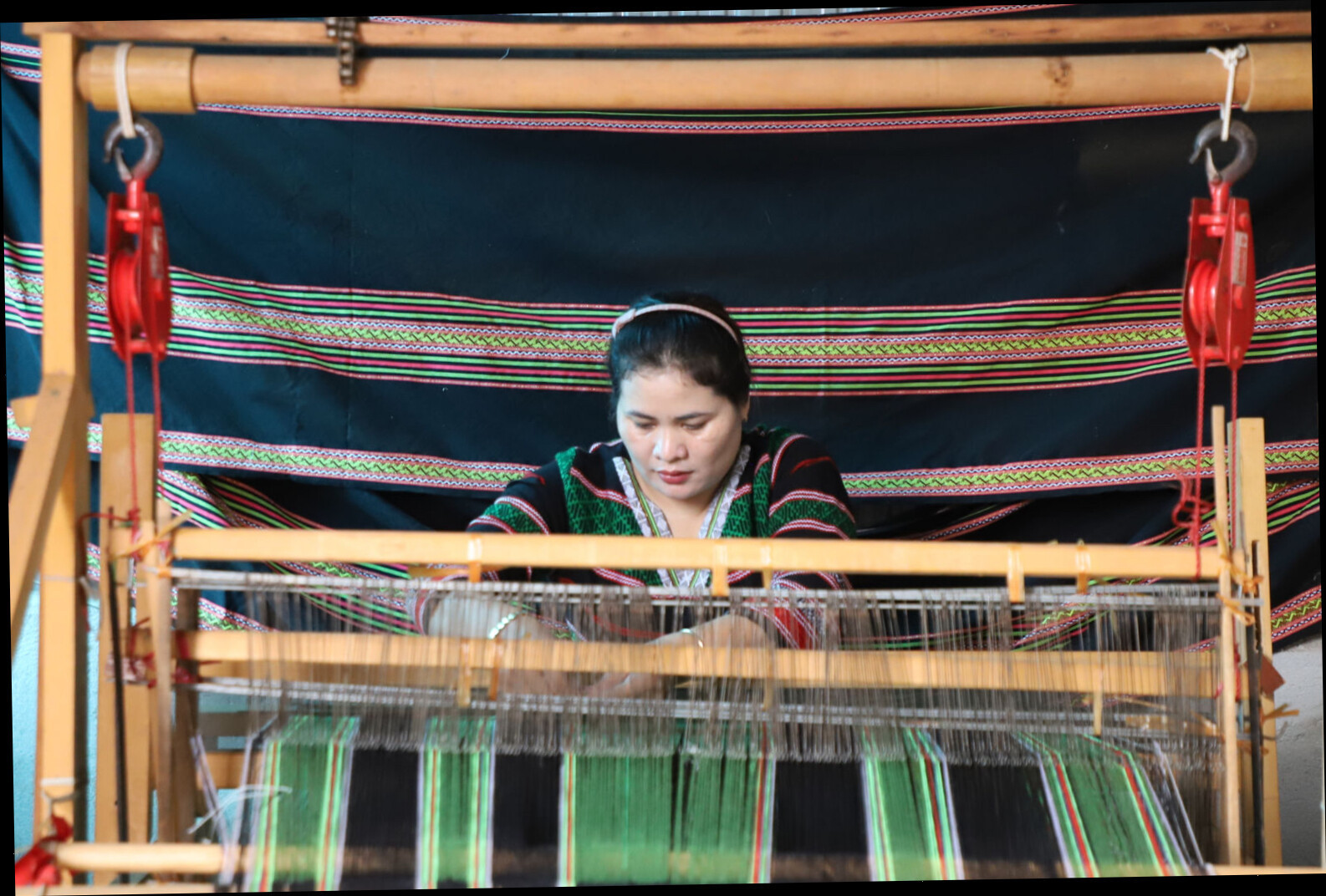
H'Binh, head of the Dak Nia Brocade Weaving Cooperative Group, said brocade is no longer limited to conventional fabric but is now used in a wide range of products.
From fabrics, shirts and skirts to bags, scarves and souvenirs, brocade is increasingly featured in fashion products. This broader application encourages artisans and weavers to remain committed to their craft.
"Weaving now provides each cooperative member with an additional income of around VND 4-8 million per month. With more reliable outlets for their products, the women have greater motivation to remain committed to the craft. The key is to preserve traditional weaving methods while creating products suited to modern life."
H'Binh, Head of the Dak Nia Brocade Weaving Cooperative Group
Turning Traditional Crafts into Local Livelihoods
Building on these positive signs, Lam Dong is charting a new development path for traditional crafts by linking them with community-based tourism.
A community-based tourism village model has been developed in Dak Nia residential group over the past five years. Some households have renovated their homes and created spaces to display and sell handicrafts. Visitors can buy brocade and basketry products while learning how residents make each item.
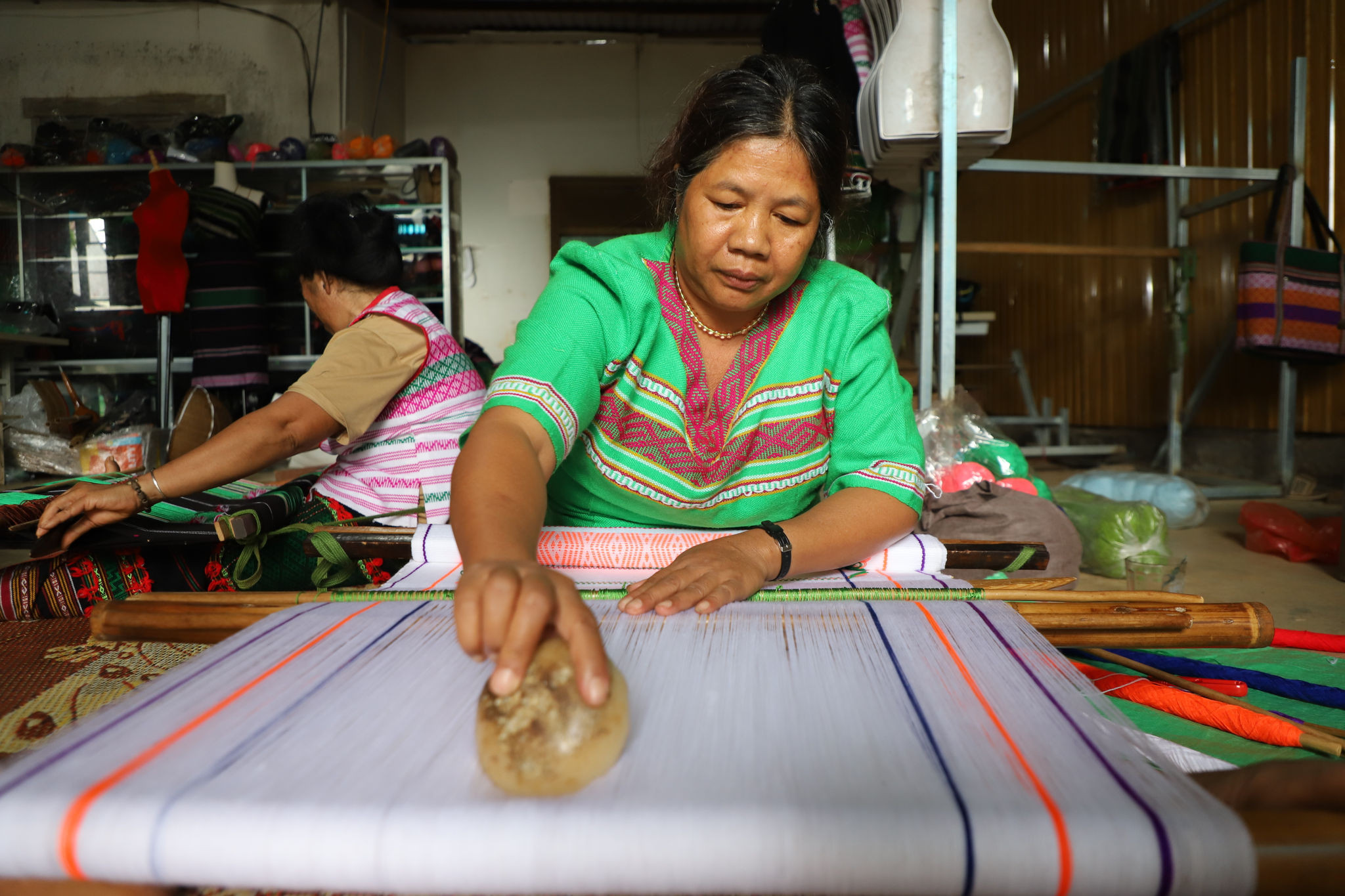
Across many M'nong and Ma villages in western Lam Dong, community-based tourism is also being developed around traditional craft experiences. Visitors can sit beside a loom, learn about brocade patterns, try making simple woven items or discover how Can wine is produced.
H'Jieng, a resident of Dak Nia residential group, said community tourism has become a valuable means of earning a living for local Ma families. Some households have received guidance on displaying brocade, agricultural produce and OCOP products to attract visitors.
According to H'Jieng, community-based tourism not only generates additional income but also motivates residents to maintain their traditional crafts.
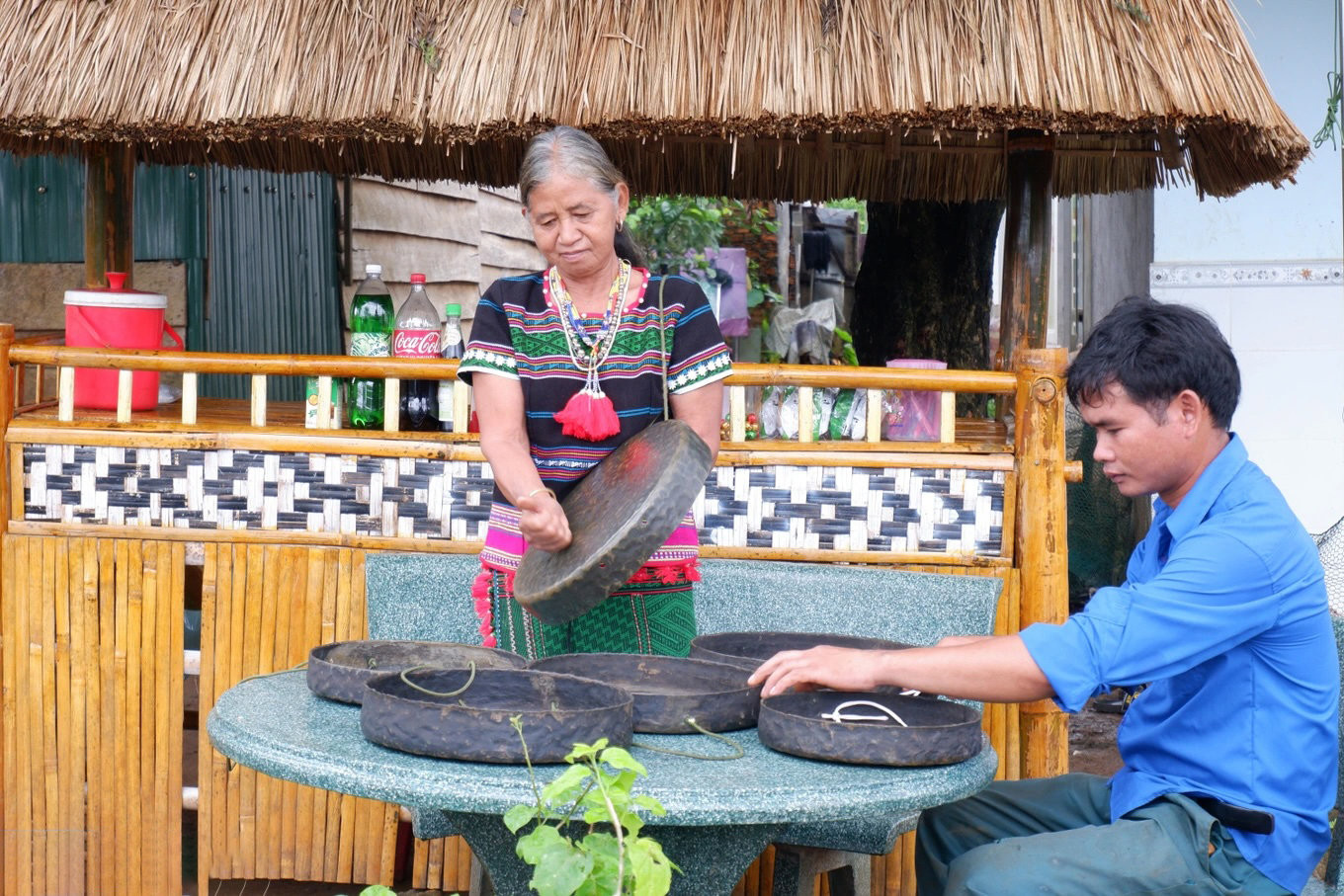
In practice, linking traditional craft conservation with community-based tourism helps preserve both crafts and cultural identity. It also creates livelihoods and makes destinations more attractive.
This practical approach keeps the cultural values of Lam Dong's ethnic minority communities alive in contemporary life. It also enables them to be passed down through generations and become resources for sustainable tourism development.
Associate Professor Dr Le Thi Bich Thuy leads the research project "Developing a Community-Based Tourism Model Linked to the Distinctive Values of Dak Nong UNESCO Global Geopark". She said western Lam Dong has a rich, diverse and distinctive range of natural and cultural tourism resources with strong visitor appeal. These assets support the development of distinctive tourism products.
According to Thuy, linking community-based tourism with traditional crafts enables residents to preserve and promote cultural and historical values. Visitors can also discover and experience the distinctive features of the M'nong Plateau that were previously unfamiliar to them.
By 2030, Lam Dong aims to preserve and develop eight craft villages and 14 recognised traditional craft villages. The province also plans to establish four new craft villages.
These villages are encouraged to adopt digital technology, develop digital maps, expand e-commerce and integrate experiential tourism. This will provide additional sales channels for OCOP products while helping preserve cultural values and traditional crafts.