

Making the private sector a strategic driver of growth
Lam Dong's private sector has yet to develop to its full potential. Breakthrough policies are needed to directly address key bottlenecks and enable local businesses to grow and make significant strides.
Generating new momentum
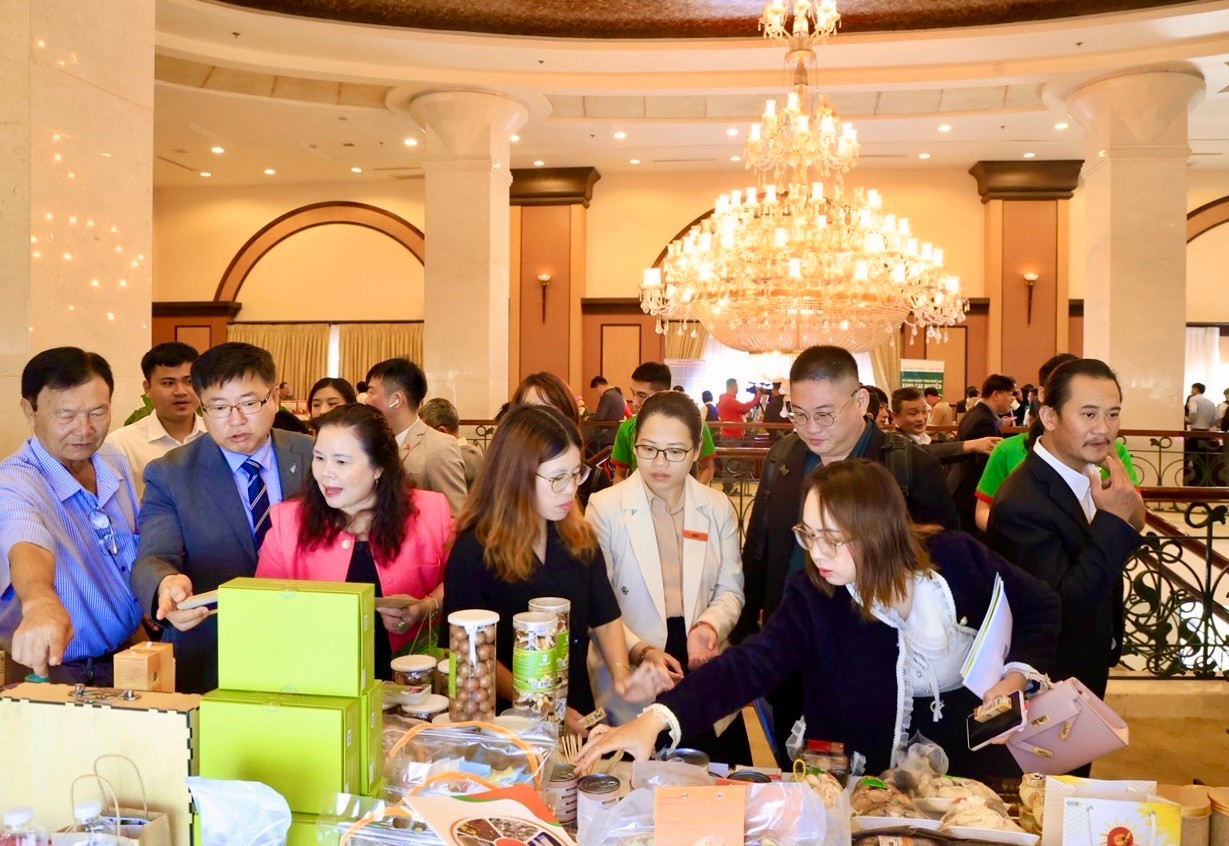
Lam Dong's private sector is seeing renewed investment, recovery and growth. Private enterprises account for more than 98% of the province's approximately 31,000 operating businesses. In the first seven months of 2026 alone, more than 2,700 new businesses were established, up 34.52% year on year. The private sector contributes about 76% of the province's GRDP and provides jobs for 50,000–60,000 workers annually. With more than 400 production and distribution chains for locally competitive agricultural products, including vegetables, flowers, coffee, tea, fruit and aquaculture products, the private sector plays a central role in diversifying Lam Dong's resort, ecotourism and experiential tourism offerings.
The private sector's pivotal role in socio-economic development was affirmed by the Party Central Committee in Resolution No. 68-NQ/TW, dated May 4, 2025: "The private sector is one of the most important drivers of the national economy and a pioneering force in promoting growth, creating jobs, improving labour productivity and national competitiveness, advancing industrialisation and modernisation, and restructuring the economy towards a green, circular and sustainable model." With Lam Dong targeting double-digit growth during the 2026–2030 period, its private sector can no longer follow a fragmented, small-scale development path.
To enable the private sector to emerge as a key driver of growth, the province is working to implement breakthrough policies and address difficulties facing hundreds of businesses. These efforts include unlocking land resources, investing in interregional transport infrastructure and developing a logistics ecosystem. The authorities also aim to shift from administrative management to service-oriented, enabling governance; from pre-approval inspections to post-compliance monitoring; and towards smart, transparent and accountable administration, while building a favourable ecosystem for business development. Dialogues and working sessions with businesses and investors, along with regular "Business Coffee" meetings, have fostered an open and friendly atmosphere in addressing business concerns.

However, as small and micro-enterprises and household businesses account for more than 80% of all businesses, Lam Dong's private sector continues to face constraints in access to finance, governance capacity, technology and resilience to market fluctuations. These barriers limit its ability to scale up and pursue technological innovation. Moreover, assets on agricultural land are difficult to use as collateral for bank loans due to the lack of standardised valuation mechanisms. As a result, many businesses remain limited to exporting raw or minimally processed products. Deep-processing rates remain low, while few local products have established internationally recognised brands.
Unlocking resources to drive private-sector breakthroughs
The province has set a target of having 33,000 active businesses by 2030 and 78,000 by 2045, while maintaining average annual private-sector growth of at least 11.5%. It also aims to streamline administrative procedures, accelerate digital transformation, support green credit and develop flagship enterprises to lead agricultural and tourism value chains. However, for the private sector to become a genuine "strategic driver", broad encouragement alone will not suffice. It requires sufficiently strong impetus, ample policy space and the comprehensive removal of bottlenecks hindering the sector. Such measures would unlock resources, strengthen production capacity and turn the sector's ambitions into a source of sustainable local growth.
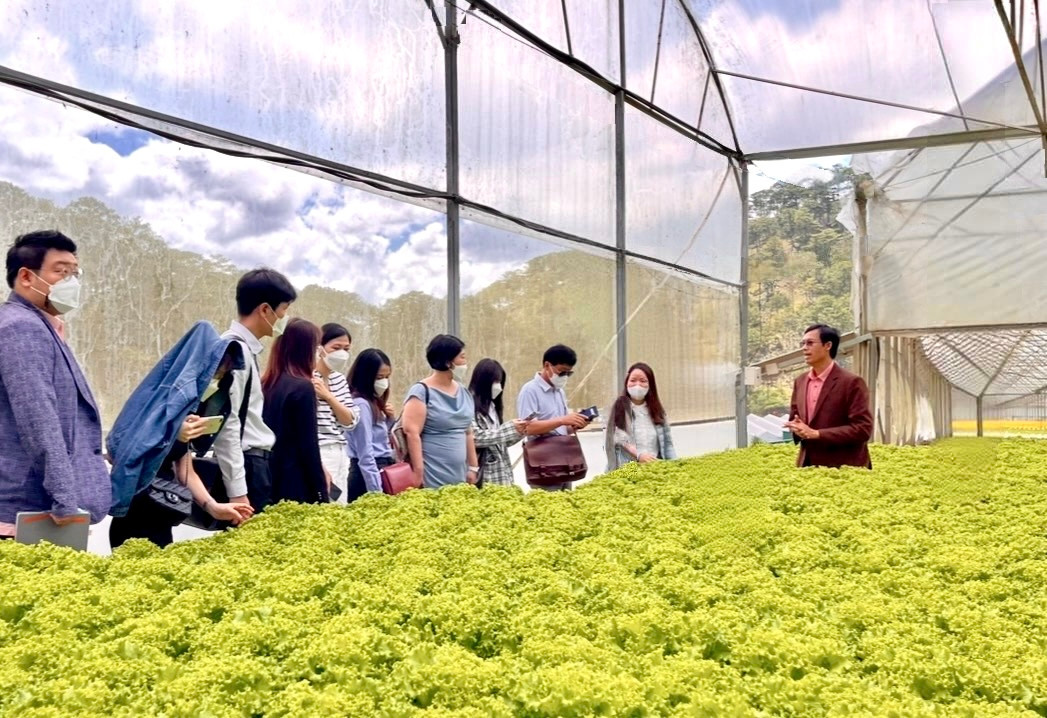
According to Nguyen Duy Da, Director of Vien Son Joint Stock Company, amid deepening international economic integration, the agricultural sector competes not only on price but also on product quality, food safety, traceability and production sustainability. To survive and grow, businesses must therefore change their approach to production, invest in science and technology, and improve their governance capacity to ensure product quality. Exporters must also meet increasingly stringent international market requirements under standards such as ISO 22000, HACCP and BRCGS.
The business community also hopes that the province will introduce targeted support policies for research and development (R&D), digital transformation and the green transition, while enabling capable small businesses to join supply chains and participate in major provincial projects. Policies are also needed to encourage household businesses to register as enterprises and help businesses innovate and raise their governance standards in line with environmental, social and governance (ESG) principles. Breakthrough mechanisms should be established to foster private-sector conglomerates capable of leading and undertaking key national projects, providing a springboard for millions of businesses to accelerate their growth and develop into large enterprises.
In today's competitive environment, businesses cannot grow in isolation. They must strengthen collaboration and cooperation to build value chains in the province's key sectors, including high-tech agriculture, tea, coffee, tourism, processing, trade and services. They must also develop strong brands and expand their presence in domestic and international markets, while pursuing green, clean and sustainable development and acting responsibly towards the community...
Vu Nuoi, Chairman of the Bao Loc Business Association