

International Cooperation to Eliminate Viral Hepatitis
The Lam Dong Department of Health recently met with experts from the Japan International Cooperation Agency (JICA) and the Ministry of Health’s Department of Disease Control to assess the current situation and agree on measures to strengthen viral hepatitis prevention and control in the province.
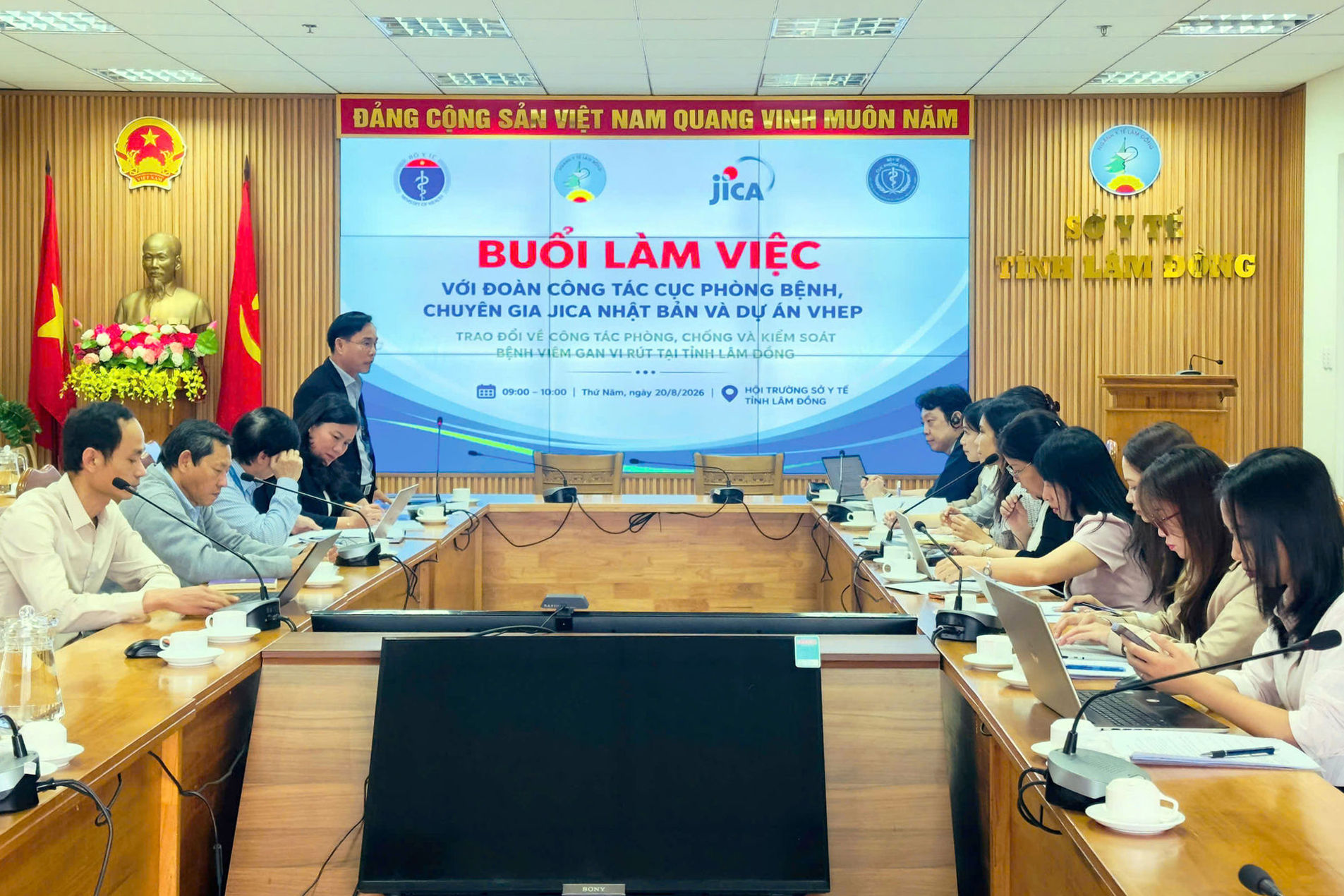
Strengthening Prevention and Closing Gaps
Between 2021 and 2025, Lam Dong reported a total of 23,056 instances of viral hepatitis, averaging approximately 3,660 cases annually, with no fatalities recorded. Hepatitis B constituted the overwhelming majority at 98.8%, while hepatitis C represented the remaining 1.2%.
In the seven months of 2026, the Hospital Information System (HIS) logged 9,932 medical records associated with hepatitis B and 531 records linked to hepatitis C.
However, these statistics primarily reflect medical consultations and medication refills and do not accurately capture the true number of patients in the community.
Nguyen Thi Hieu Hoa, Director of the provincial Center for Disease Control (CDC), stated that Lam Dong has been successful in its efforts to prevent viral hepatitis in recent years. The percentage of newborns who receive the hepatitis B vaccine within the first 24 hours after birth has fluctuated between 89% and 93.7%, while the proportion of children under one year old who have completed the full three-dose series has remained high at 96.7%.
At present, all hospitals and medical facilities with delivery rooms throughout the province offer hepatitis B vaccination to newborns. The safety of blood transfusions is also being closely monitored, helping reduce the risk of hepatitis virus transmission.

Despite progress, there are still significant gaps in the prevention and management of viral hepatitis. In 2025, only 68.4% of expectant mothers were tested for HBV, and comprehensive follow-up for mothers and children—from diagnosis and maternal care to vaccination and assessment of children's immunity—has yet to be fully implemented.
Vaccination coverage among healthcare workers is at 58.6%, while NAT testing of blood supplies stands at just 41%, and HCV screening among people living with HIV is only 43.5%.
It is important to note that viral load testing is primarily available at the provincial level, requiring patients from lower-tier facilities to make several trips, resulting in higher costs and an increased risk of missing out on treatment.
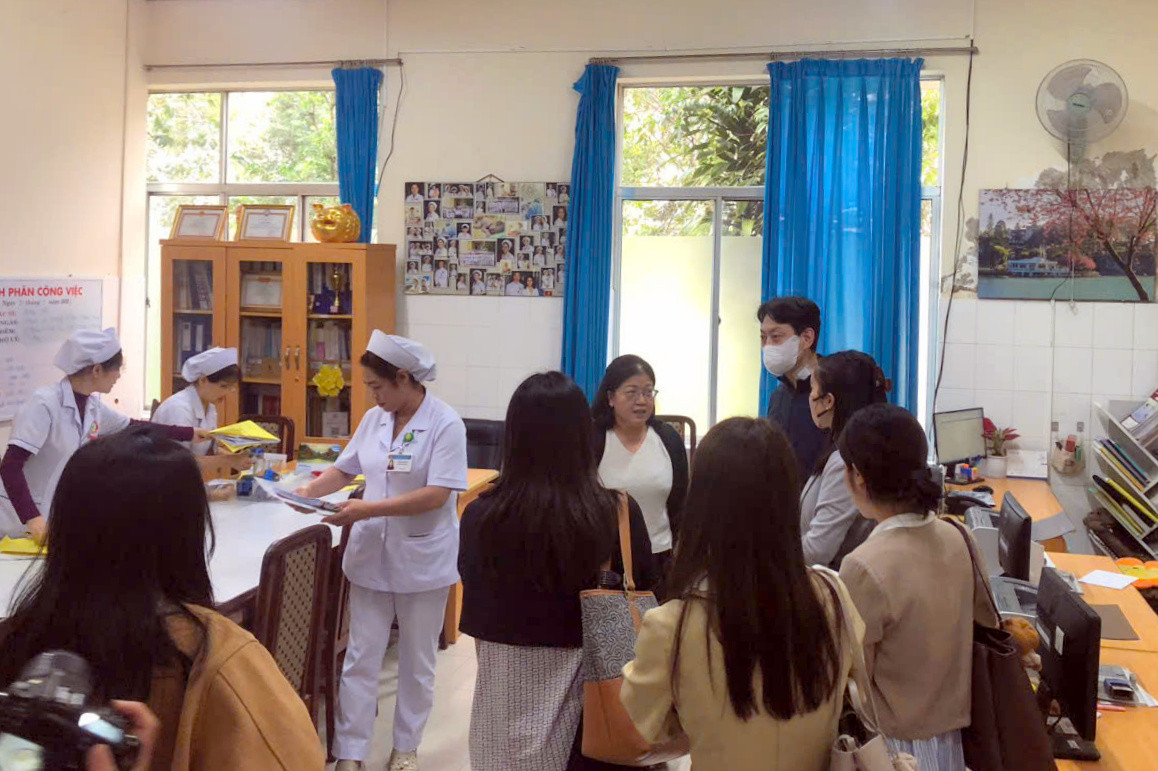
JICA Commits to Continued Support
To achieve the goal of eradicating viral hepatitis by 2030, Lam Dong is focusing on three main priorities: standardizing and consolidating surveillance data; addressing gaps in the prevention of mother-to-child transmission; and enhancing connections between diagnosis, treatment, and ongoing monitoring.
In this strategy, health stations at the commune and ward levels will take charge of screening, providing antenatal care, administering vaccinations, and following up with patients after they have been referred.
Regional medical centers will perform basic testing, send samples for viral load assessment, and manage patients who are stable. Provincial hospitals will deal with specialized diagnoses, complicated cases, and offer professional support to lower-level facilities.
In 2026, the Viral Hepatitis Elimination Project (VHEP), backed by JICA, carried out a survey in the province to determine the prevalence of HBsAg among 420 children aged 9 to 59 months in La Gi Ward and Hai Ninh Commune. The findings will offer further practical insights to evaluate the success of prevention strategies and modify intervention approaches as needed.
“Our objective is not just to boost the number of individuals who are tested and treated; it is to create a seamless care continuum—from identification and testing to treatment and follow-up, ensuring that no patients are overlooked,” stated Le Van Hong, Deputy Director of the Lam Dong Department of Health.
Representatives of the Department of Disease Control and JICA affirmed that they would continue supporting Lam Dong in training and strengthening professional capacity, contributing to efforts to combat viral hepatitis.
The provincial health sector has pledged to mobilize resources and work closely with experts to effectively implement support activities, with the aim of developing a sustainable model for viral hepatitis prevention and control.
To proactively protect their health, the Lam Dong CDC recommends that newborns receive the hepatitis B vaccine within the first 24 hours of life and complete the full vaccination schedule; pregnant women and people at high risk should undergo screening proactively; razors, toothbrushes, nail clippers and other personal items should not be shared; and tattooing and beauty procedures should only be performed at facilities that ensure proper sterilization. People living with viral hepatitis should adhere to treatment, never stop medication without medical advice, and avoid stigmatizing patients.