

Ede Longhouses: Preserving the Cultural Soul of the Central Highlands
Longhouses are not only homes for generations of Ede families but also spaces that preserve memories, customs, rituals and cultural values. Amid modern life, these traditional homes remain a lasting symbol of community in Ede villages.

A Distinctive Feature of Ede Villages
Buon Buor in Cu Jut Commune, Lam Dong, is recognized as one of the ancient villages in the Central Highlands. Located along the Srepok River, the village once had dozens of longhouses that served as traditional living spaces for Ede families.
Ede longhouses are distinguished by their characteristic stilt-house design. They are called longhouses because they can be extended as the number of family members grows. The length of a house partly reflects the development of an extended family.
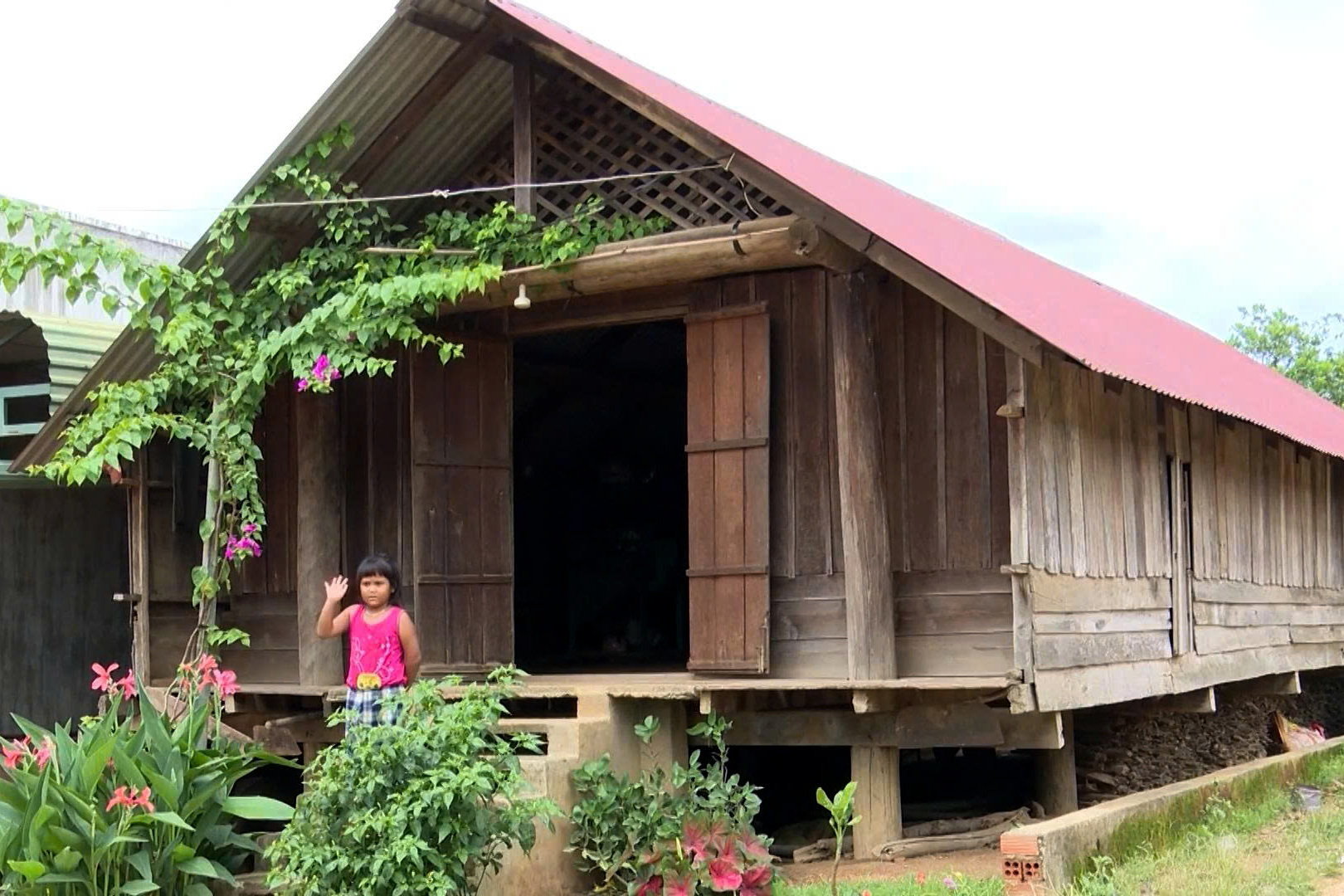
From an architectural perspective, the longhouse strongly reflects the Ede matrilineal system. Women play an important role in the family and lineage, and children take their mother's surname.
The staircases of longhouses are particularly notable for decorations featuring culturally significant patterns and motifs. Images of women's breasts, the moon and animals familiar to everyday life are depicted in stylized forms, expressing concepts of fertility, vitality and protection.
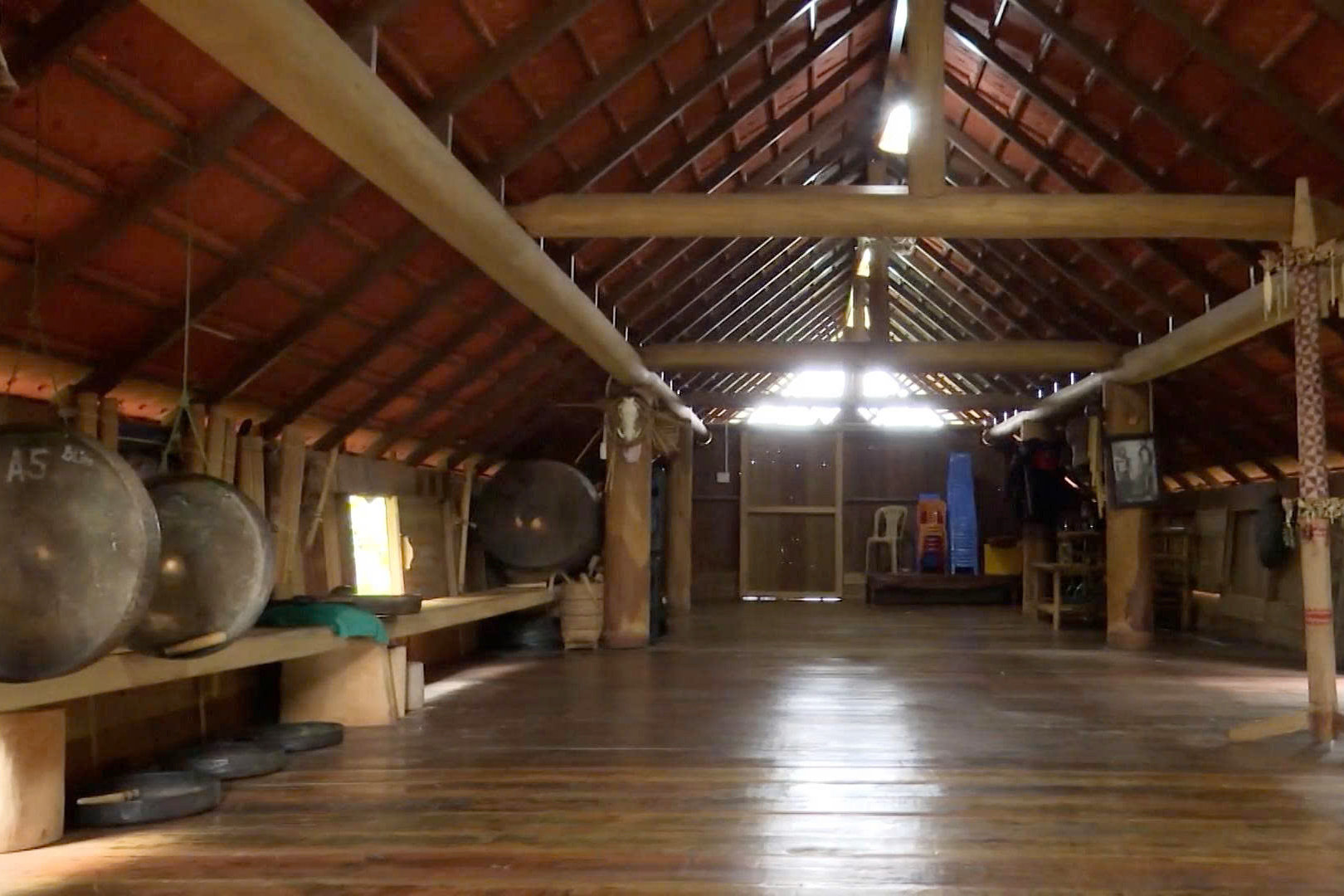
For the Ede, the longhouse is a cultural living space where many customs, rituals and community activities are maintained. From everyday activities to important family and village events, the longhouse serves as a space that brings them all together.
H'Banh BKrong, head of Buon Buor, said: "The longhouse is a distinctive cultural feature of the Ede people. This space is closely connected with the lives of generations, from daily activities and meals to customs and rituals. Therefore, preserving the longhouse also means preserving part of the village's cultural identity and passing it on to younger generations."
Preserving the Culture of the Longhouse
In Ede life, the longhouse serves as a space for preserving and passing down traditional cultural values. During festivals, Lunar New Year celebrations and important occasions, it becomes a place where relatives gather, perform rituals together and strengthen community bonds.
According to Meritorious Artisan Y Sim E Ban, whenever an important event takes place, community members often gather at a longhouse to prepare food and rice wine and carry out traditional rituals. In this space, the sound of gongs blends with laughter and conversation, creating an atmosphere that is both solemn and warm.
"The longhouse preserves many precious things of our people. It holds the voices of our ancestors, the hearth, gongs and customs passed down from one generation to the next," Meritorious Artisan Y Sim Ê Ban said, emphasizing that preserving Ede culture must begin with preserving the longhouse.
Today, as living conditions have changed, many Ede families have shifted to modern-style houses that are more suited to contemporary lifestyles.
Meanwhile, building new traditional longhouses and maintaining existing ones have become increasingly difficult due to construction costs, material availability and changes in people's needs and living practices.
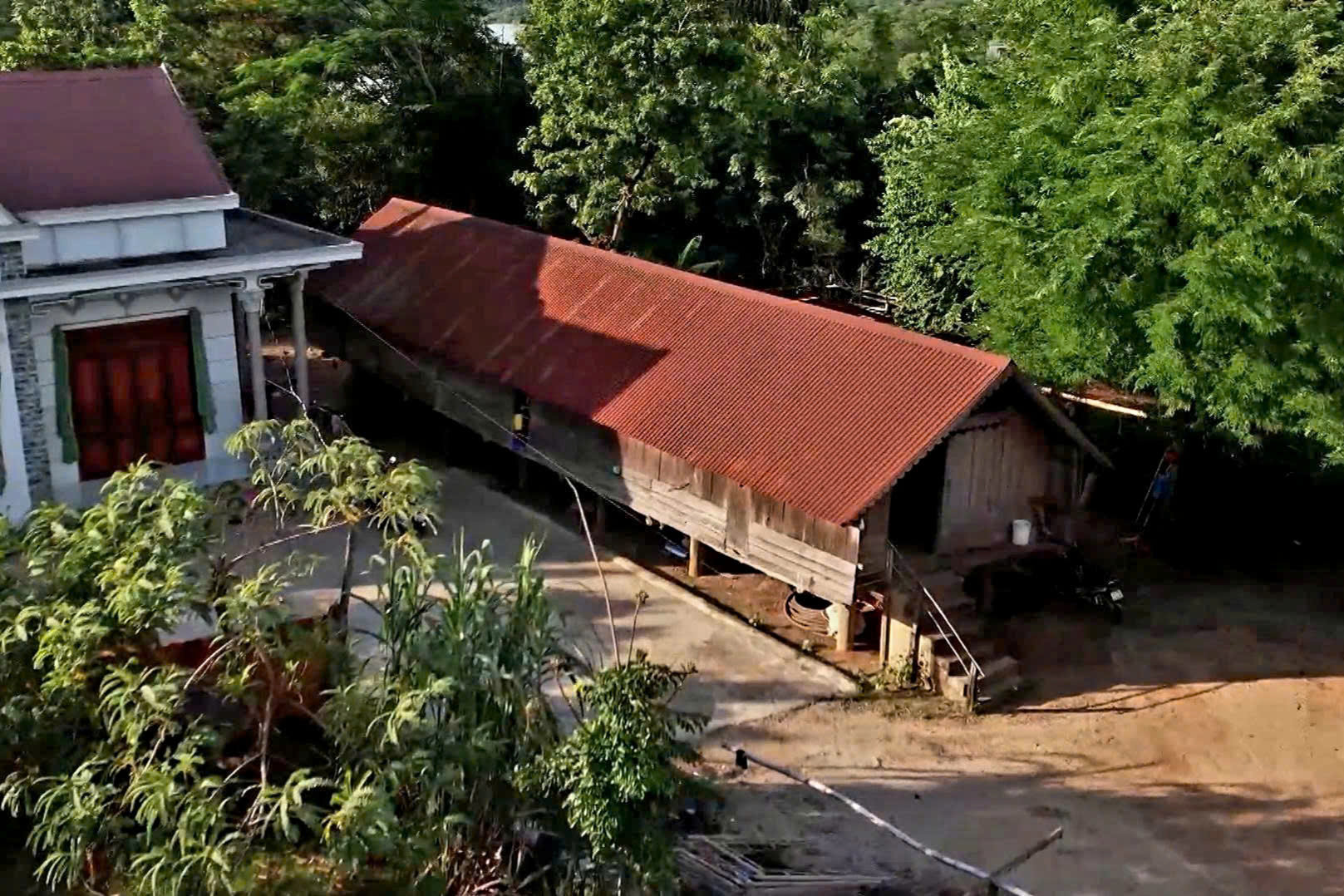
In response, authorities at various levels have introduced measures to preserve and promote the cultural values of longhouses, linking these efforts with cultural development and community-based tourism.
In Buon Buor, one of the priorities is restoring traditional cultural structures and creating spaces where residents can maintain customs and traditions while introducing Ede cultural identity to visitors.
Notably, some families continue to preserve their longhouses as shared spaces for family members and the community. Local authorities have also built a community cultural center modeled on the traditional longhouse architecture.
The facility is considered to provide not only a space for community activities but also an opportunity to raise residents' awareness of the importance of preserving traditional architecture and cultural values.
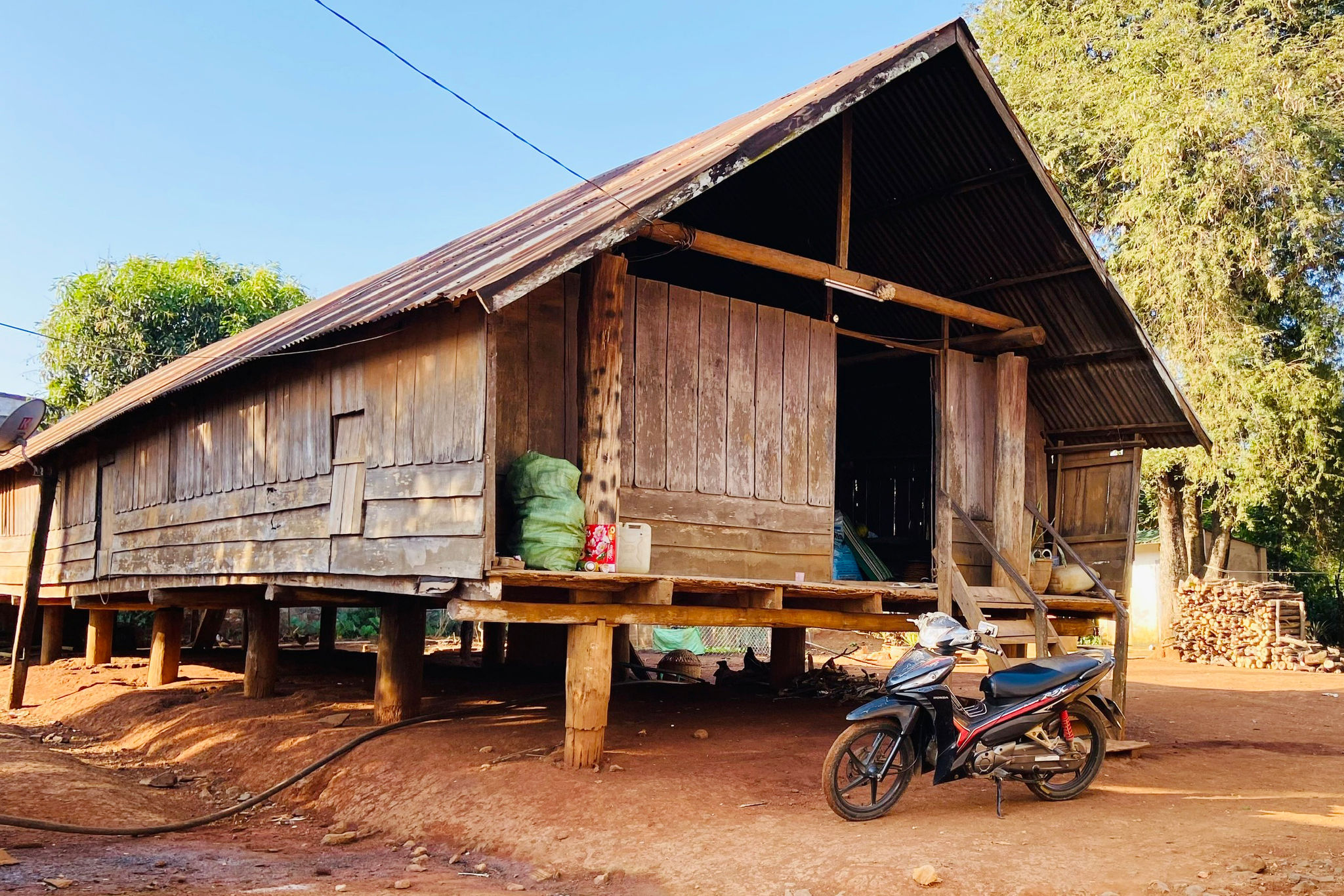
Ngo Quoc Phong, Chairman of the Cu Jut Commune People's Committee, said the locality considers preserving and promoting traditional cultural values, including the longhouse architecture of the Ede people, an important task in building cultural life at the grassroots level.
Preserving longhouses is not simply about conserving architecture; it also means creating conditions for the cultural values embedded in these spaces to continue to be practiced, promoted and passed down through generations.
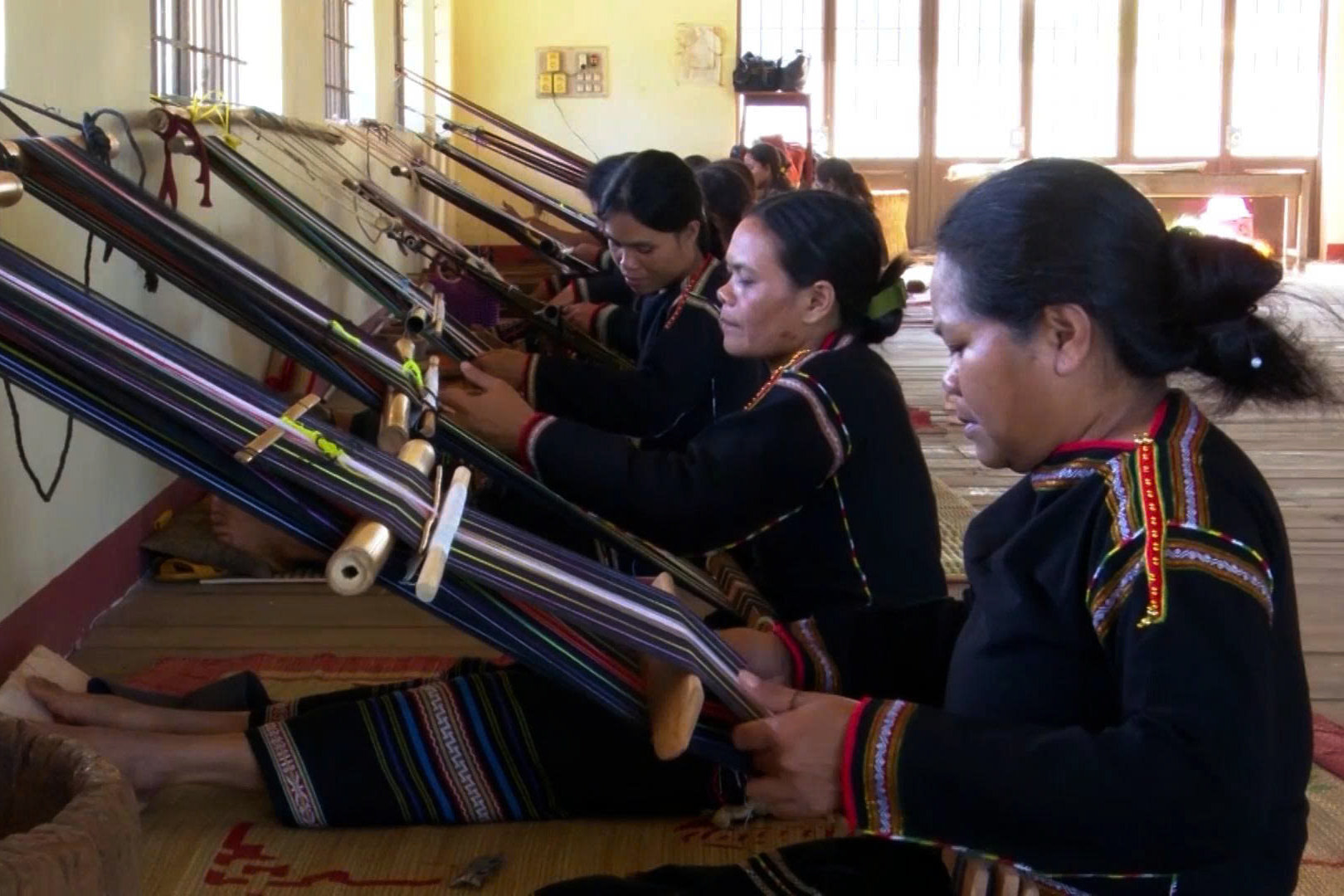
Alongside longhouse preservation, Cu Jut Commune has also implemented activities involving gong culture, brocade weaving and the revival of traditional festivals to preserve and promote Ede cultural identity.
The longhouse is preserved not merely as an architectural structure, but as a space for cultural life where the community gathers and traditional values are passed on to future generations.
Ngo Quoc Phong, Chairman of the Cu Jut Commune People's Committee, Lam Dong Province