

Lam Dong Develops “Green Symphony” tourism brand
With the “Green Symphony” brand, Lam Dong is embracing a new approach to building a shared identity for its expanded development space, while removing bottlenecks so that different localities, businesses and communities can work together to create sustainable value.

Building a shared brand
Under the theme “Lam Dong Tourism - Green, Connected, Sustainable Development and International Integration,” the Forum on Solutions for Lam Dong Tourism Development in the 2026 - 2030 period, with a vision to 2040, offered new perspectives, initiatives and practical solutions for the province’s tourism sector.
Lam Dong now has a vast tourism space with diverse resources, ranging from islands and forests to highlands, geological features and cultural heritage. Each area has its own strengths, but if they are developed through disconnected narratives, their collective potential will be difficult to fully realize.
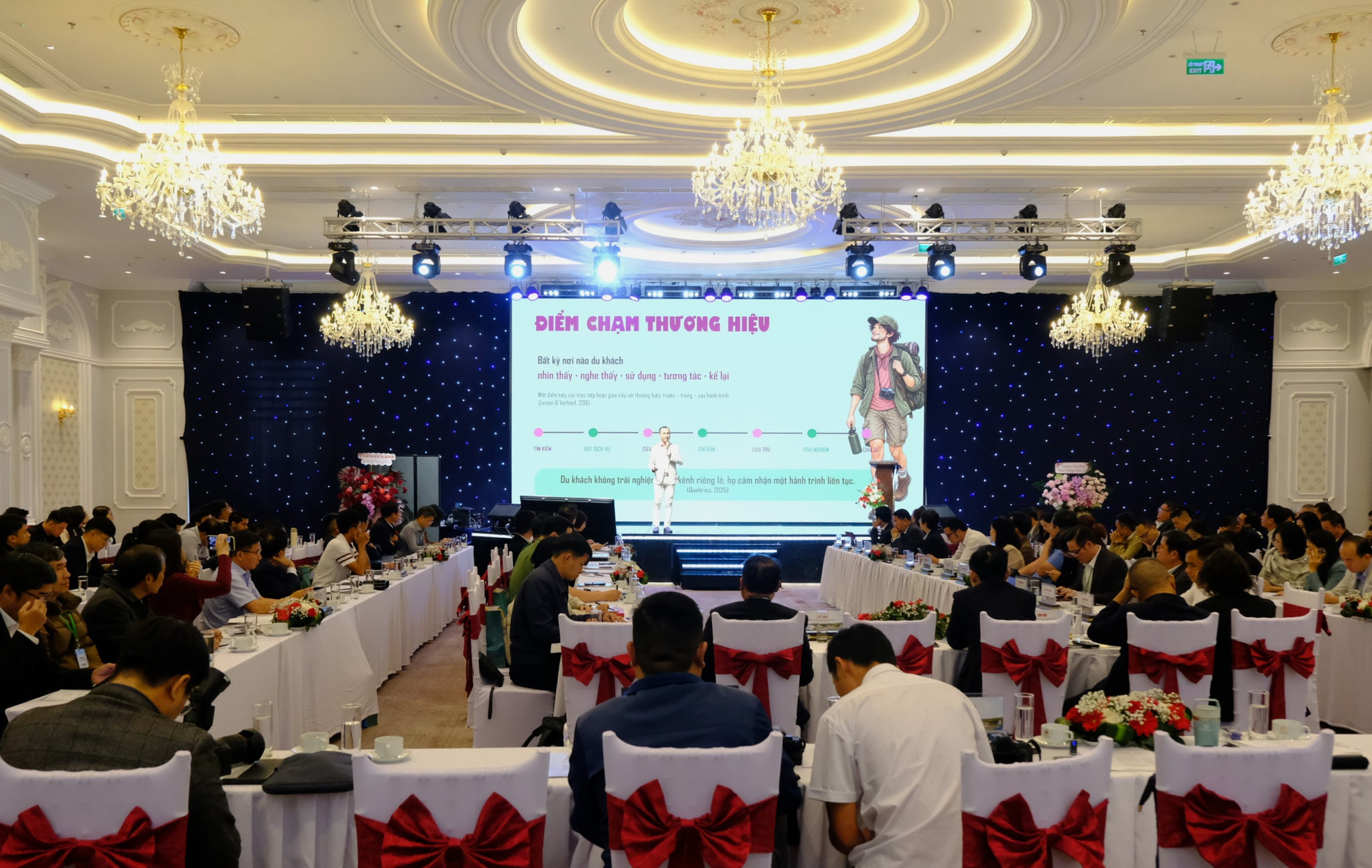
Therefore, the challenge is not simply to expand markets or develop more products, but to reorganize the tourism space as part of a unified whole. The provincial People's Committee has chosen “Green Symphony” as a shared brand to connect different destinations, products and stakeholders under a common development direction.
Under the province’s vision, Lam Dong tourism is expected to develop in a green, sustainable, modern and in-depth manner, with greater value creation. Natural resources, culture and people will serve as the foundation; science and technology, innovation and digital transformation as driving forces; and regional, cross-sectoral and international cooperation as the development space.
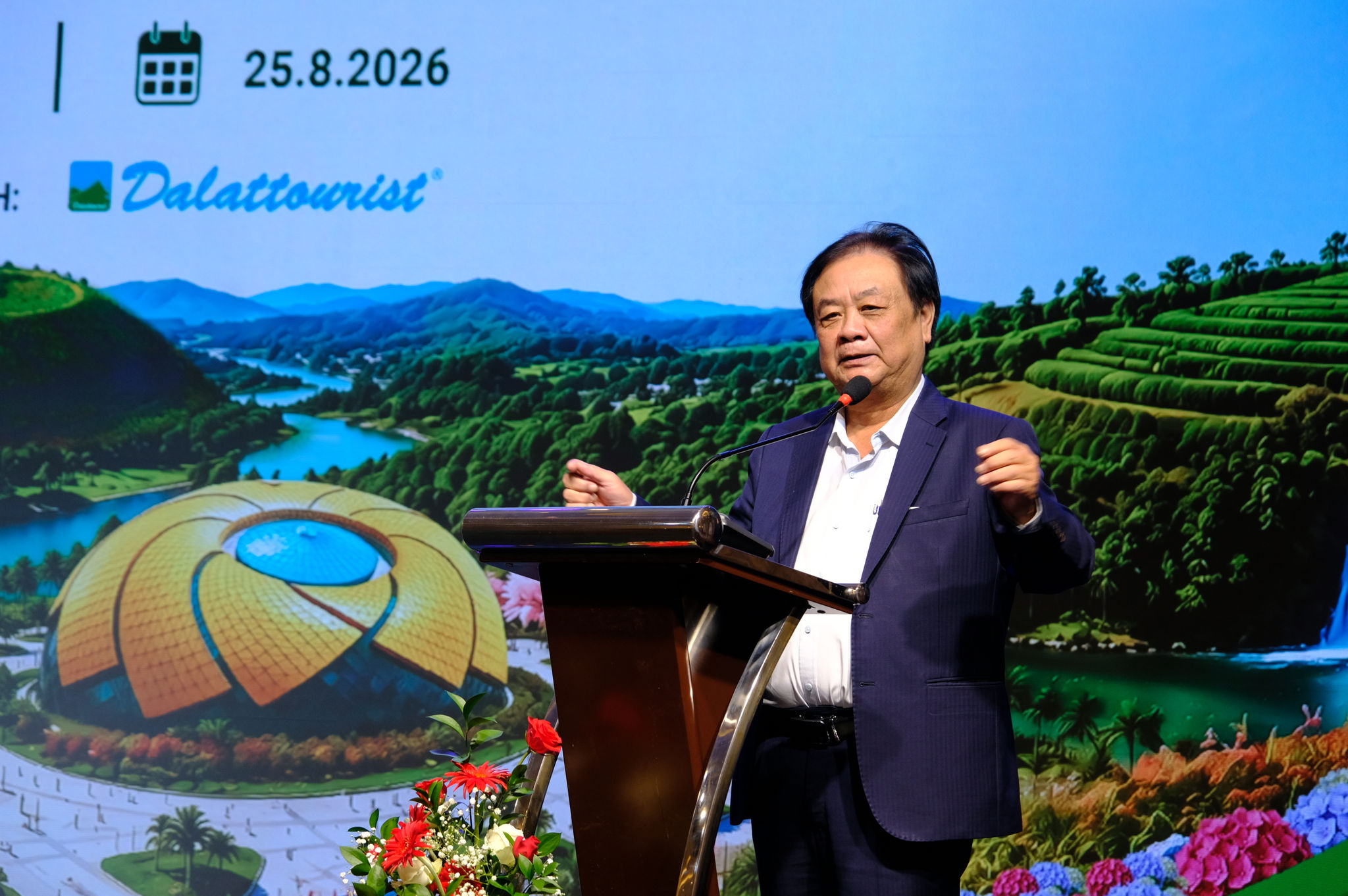
This direction also calls for a new approach: the government plays an enabling role, businesses directly invest in and create tourism products, while local people become active participants and beneficiaries. When all stakeholders operate under a common vision, the brand becomes more than a promotional story—it becomes a foundation for reorganizing tourism products, resources and development methods.
Removing bottlenecks
At the forum, the bottlenecks facing Lam Dong tourism were clearly identified. According to Nguyen Hong Hai, Vice Chairman of the Vietnam Tourism Association, establishing a unified brand identity has become an urgent requirement. Other challenges include limitations in transport infrastructure, tourism products and the night-time economy, as well as uneven development among different areas.
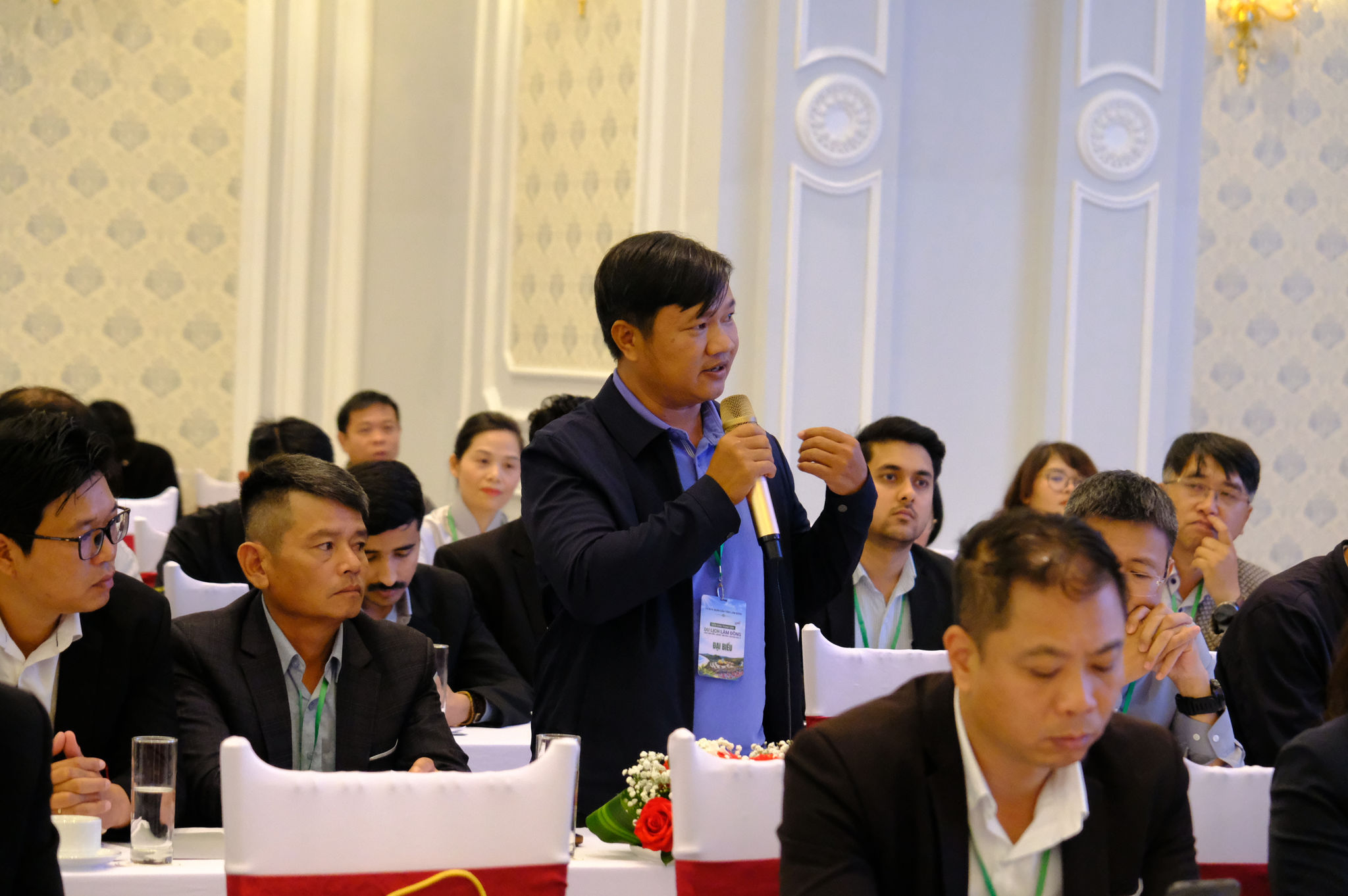
Some routes connecting to tourist destinations remain inconvenient. Meanwhile, tourism products in some areas are repetitive, lack distinctiveness and have yet to generate commensurate added value. The province’s expanded development space also presents a need for stronger connectivity. Da Lat, Bao Loc, Mui Ne and the Central Highlands each have different advantages, but they need to be developed as part of an integrated whole rather than separately.
This view was also shared by Phan Linh Chi, Deputy Director General of the Vietnam National Authority of Tourism. According to her, the challenge is to organize three distinct resource ecosystems into a unified, highly competitive value chain—not only in comparison with other destinations in the region but also with those nationwide.
Lam Dong therefore needs to reorganize its tourism space through a multi-layered connectivity model, from links among the province’s highland, midland and coastal subregions to broader regional connections with major tourism hubs such as Hanoi, Ho Chi Minh City, Da Nang and Khanh Hoa.
Member of the Party Central Committee, Deputy Secretary of the Provincial Party Committee and Chairman of the Lam Dong Provincial People's Committee Ho Van Muoi also called on departments, agencies, local authorities, the Tourism Association and the business community to continue reviewing planning, mechanisms, policies and practical obstacles and proactively propose solutions. Priorities include removing bottlenecks related to infrastructure, land and investment procedures; improving the quality of tourism products and services; strengthening human-resource training; and stepping up tourism promotion and market expansion.
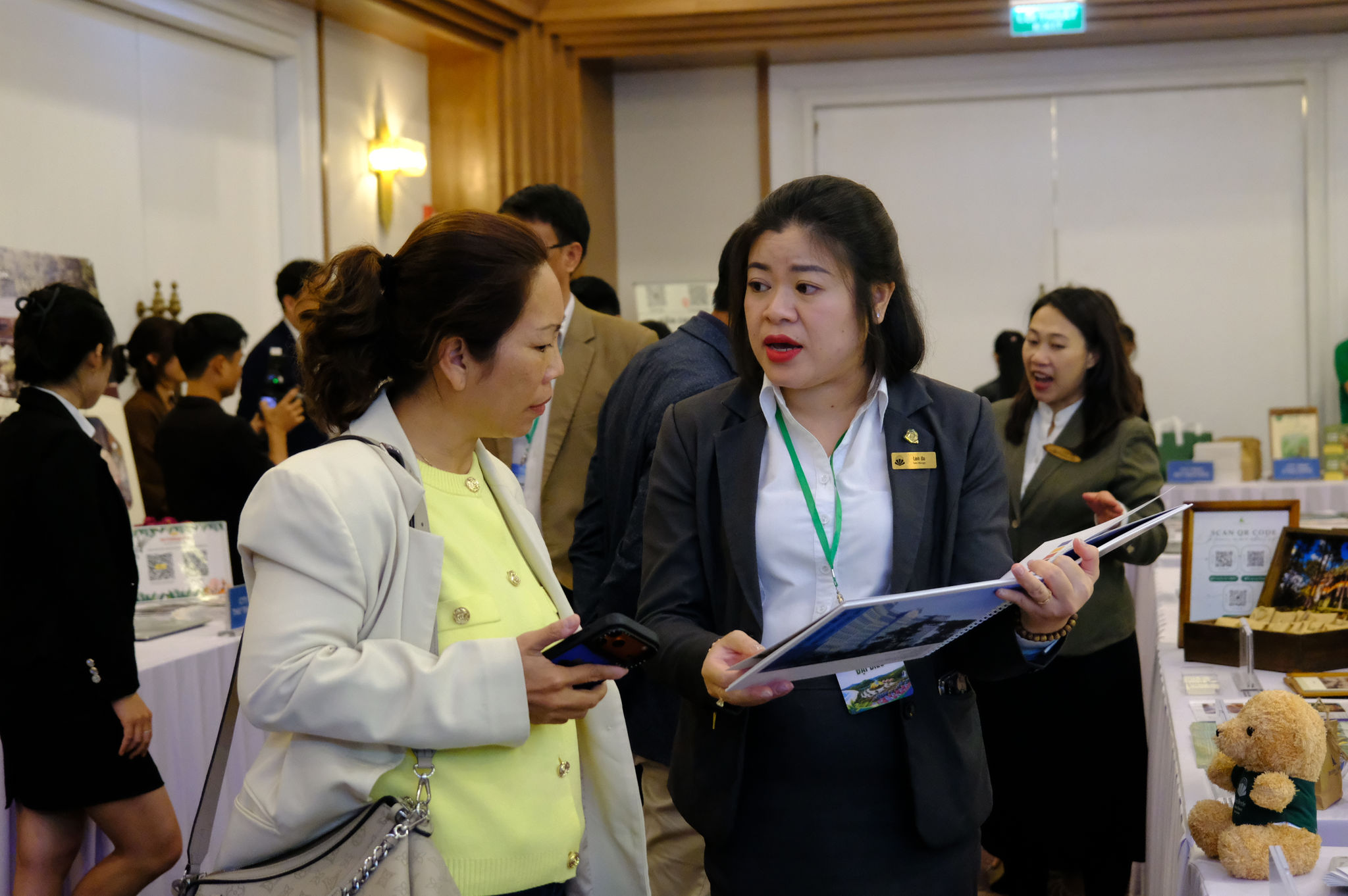
The province also called for stronger regional and cross-sectoral cooperation, creating conditions for businesses and investors to participate more deeply in tourism development. Agencies and organizations must coordinate closely to avoid fragmentation and the shifting of responsibilities. In this way, the government can fulfill its enabling role by creating a favorable environment, removing barriers and mobilizing social resources for businesses and local people to contribute to tourism development.
Turning the brand into an experience
“Green Symphony” will only come to life when visitors can experience it in tangible ways. Therefore, the brand cannot exist merely in logos or promotional materials; it must be reflected in every product, destination and aspect of visitor service.
From the perspective of tourism operators, Tran Anh Thi, Executive Director of Seahorse Resort, said tourism has become an essential human need, much like eating and drinking. Lam Dong is capable of meeting diverse needs, from culture and relaxation to exploration and experiential travel. But for tourism to develop sustainably, what keeps visitors coming back is not only scenery or facilities, but also the way people serve them.
Thi highlighted the smile of every employee as part of the visitor experience. More broadly, he hopes that people in seemingly everyday occupations, such as motorbike taxi drivers, can also understand the thoughts and needs of visitors and become part of the tourism service chain.
According to Dr. Phan Bao Giang, Vice Rector and Head of the Faculty of Marketing at the Ho Chi Minh City University of Economics and Finance, a shared brand can only truly come alive when it is translated into concrete actions by every stakeholder.
The key is to ensure that every business, department, agency and even individual resident understands what “Green Symphony” means and how it should be expressed through concrete actions. It should not remain merely a general slogan; instead, it must be translated into specific responsibilities so that every stakeholder knows what to do and can work together, Giang emphasized.
When the government effectively fulfills its enabling role, businesses are confident enough to invest, local people actively participate, and different areas are connected under a common vision, individual strengths can contribute to shared value. At that point, “Green Symphony” will be more than a brand for promotion, it will become a value that visitors can experience throughout their journey in Lam Dong.
We believe that, with a new development space, exceptional potential and advantages, together with our determination to innovate, spirit of cooperation and aspirations for development, Lam Dong tourism will truly become a ‘Green Symphony.’
Lam Dong Provincial People's Committee Chairman Ho Van Muoi emphasized.