

Turning advantages into green momentum
Lam Dong Province’s agricultural sector is undergoing a major transformation, with the province seeking to establish itself as a national leader in high-tech and green agriculture, the circular economy, and data-driven digital management of natural resources and the environment.
Green Transition Boosts Competitiveness
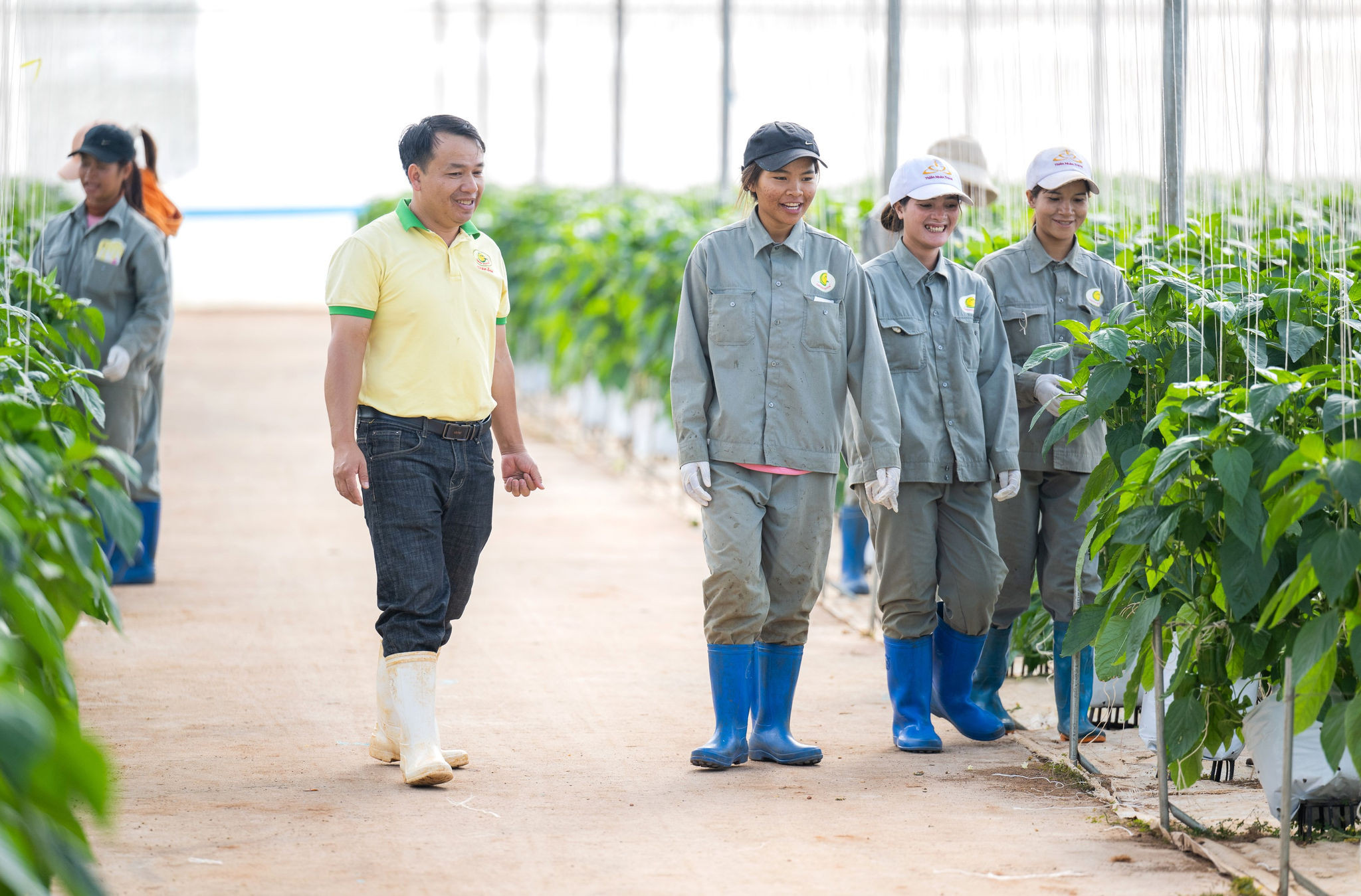
After 20 years of operation in An Tinh village, Hiep Thanh commune, the enterprise has developed its farmer linkage chain into a green production ecosystem integrating processing, domestic consumption, and agricultural exports across about 600 hectares.
Within this expanded linkage chain, high-tech solutions are applied from farm to factory, including automatic manure collection, greenhouse microclimate control systems, and the reuse of production and processing by-products to produce organic fertilizer. At the same time, the enterprise operates quality management systems in accordance with international standards such as BRCGS, HACCP, SSOP, and VietGAP, while implementing food safety controls throughout the production process.
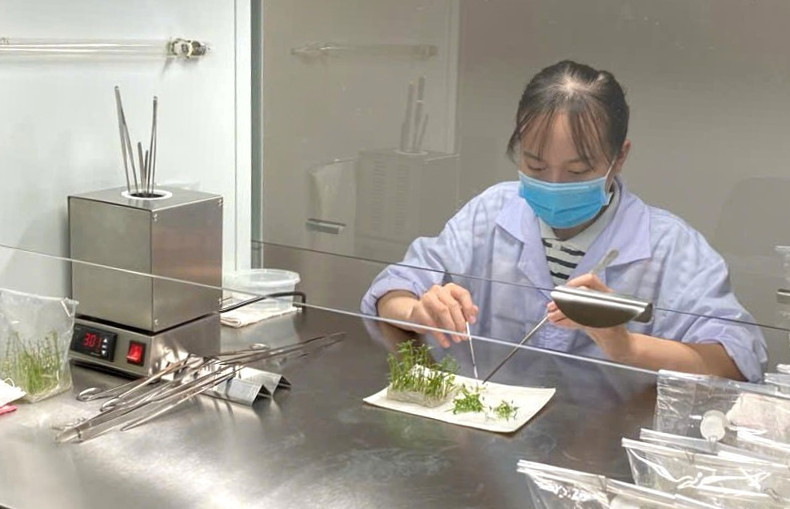
Along with that, the chain uses software to manage production, personnel and growing areas, as well as barcode-based traceability systems. It has also proactively sourced high-quality seedlings through tissue culture technology, enabling production to better align with market demand while strengthening product competitiveness.
Nguyen Duy Da, owner of the linked enterprise, said: "The raw material area is managed as part of an integrated linkage chain under green quality control standards, with the focus shifting from higher yields to greater quality and value. The enterprise provides farmers with guidance on farming practices, monitors the use of crop protection products through farm diaries, and applies traceability while digitising growing-area data. This helps ensure consistent raw materials for processing and meet increasingly stringent market requirements."
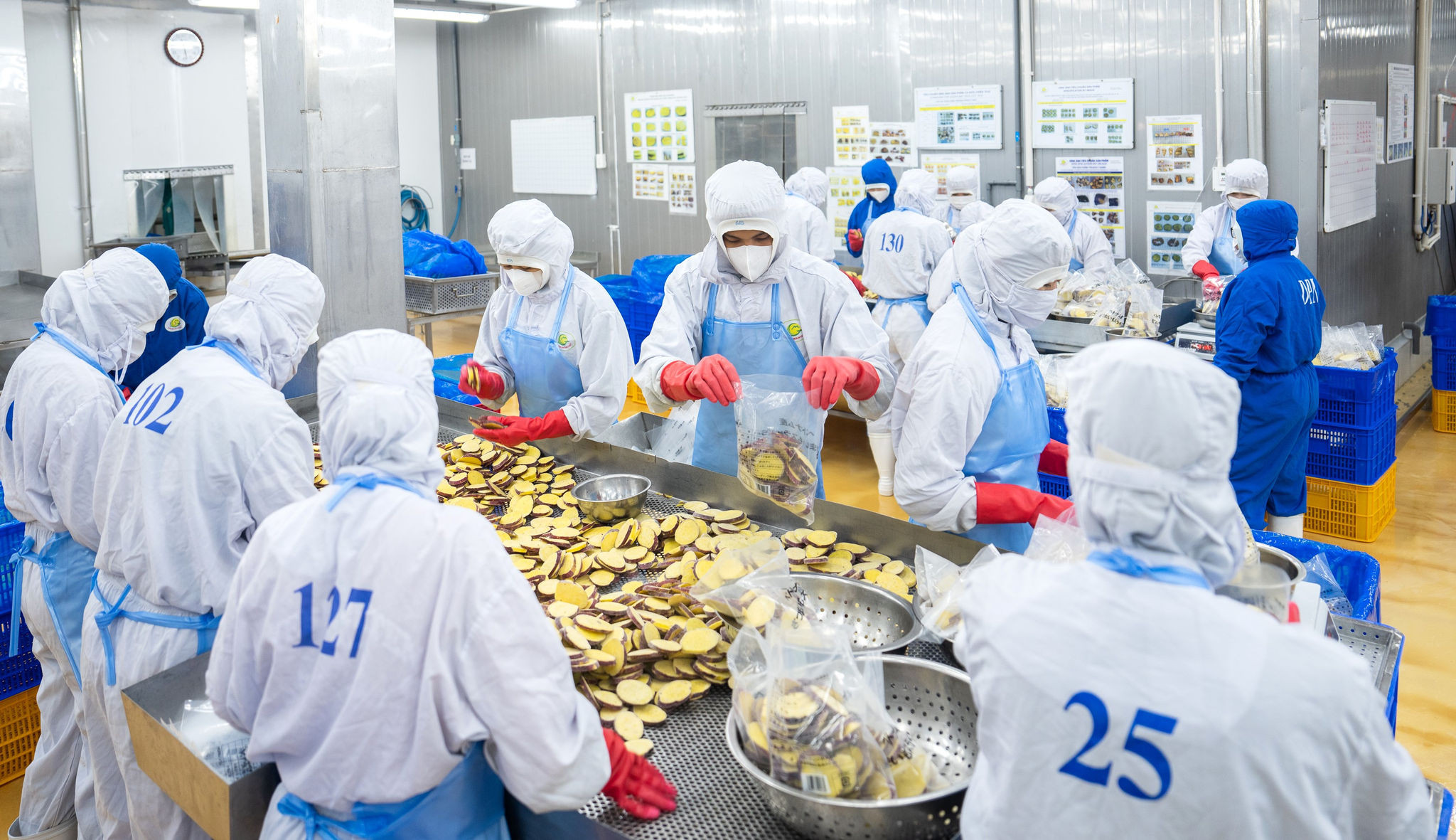
The results are evident in the chain's export performance over the past year. It shipped 4,753 tons of processed products and 782 tons of fresh produce, generating VND 360 billion in revenue. Japan accounted for 88% of total exports, while the remainder went to Europe, Malaysia, Singapore, Thailand, South Korea, and Taiwan (China).
Currently, the chain uses solar power to meet about 30% of the factory’s electricity demand. It plans to further shift to biomass fuels, including wood pellets and agricultural by-products, with the transition expected to cut production costs by about 30–35% while strengthening the value and competitiveness of its green agricultural products.
Smarter Agricultural Production
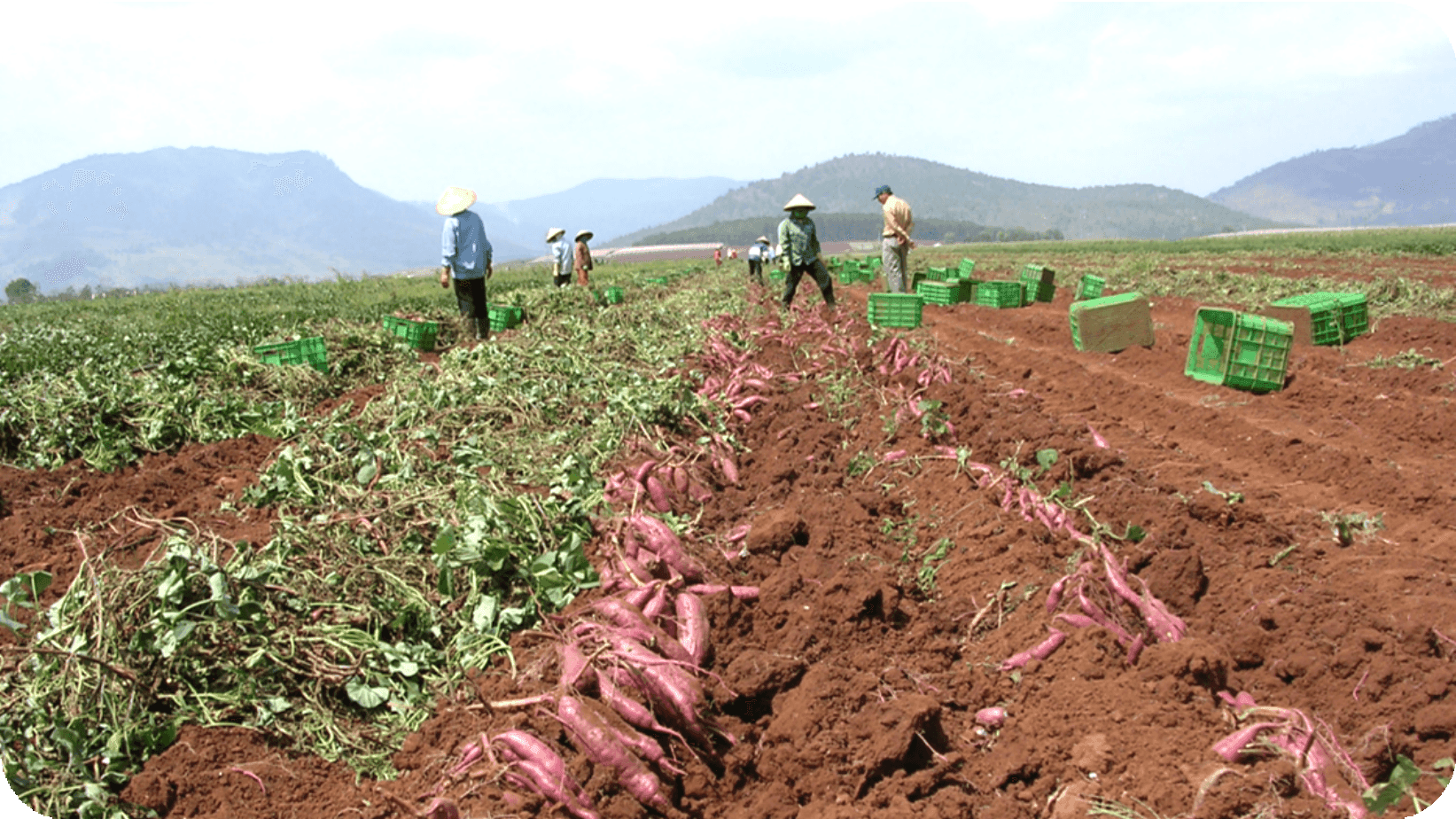
As of the end of the second quarter of 2026, the province had more than 153,000 hectares under safe and sustainable production certified to domestic and international standards. By 2030, high-tech agriculture is expected to account for more than 25% of the total cultivated area, with at least 3,000 hectares dedicated to smart and circular farming.
One of the province's key advantages is its network of 1,082 tissue-culture seedling production facilities, with a combined capacity to supply over 2.1 billion seedlings annually. By 2030, the province aims to accelerate agricultural transformation by translating research into production, integrating data into management, developing raw materials into value chains, and incorporating sensor technology, electronic farm diaries, traceability systems and agricultural by-products into quality management systems.
Ha Ngoc Chien, Head of the Lam Dong Cultivation and Plant Protection Sub-department, said: "To move beyond a growth model driven by expanded cultivation area and higher yields, the value of the province's agricultural regions must increasingly be measured by their ability to control quality, master technology, reduce emissions, ensure traceability, expand deep processing and develop markets. Only then can Lam Dong's agricultural, natural resource and environmental advantages become a genuine driver of green and sustainable growth."