

Standardizing Quality to Expand Dragon Fruit Markets
To secure a long-term “passport” into global value chains, dragon fruit producers in Lam Dong need solutions to overcome existing challenges and ensure consistent quality throughout cultivation, harvesting, processing and packaging before products reach the market.
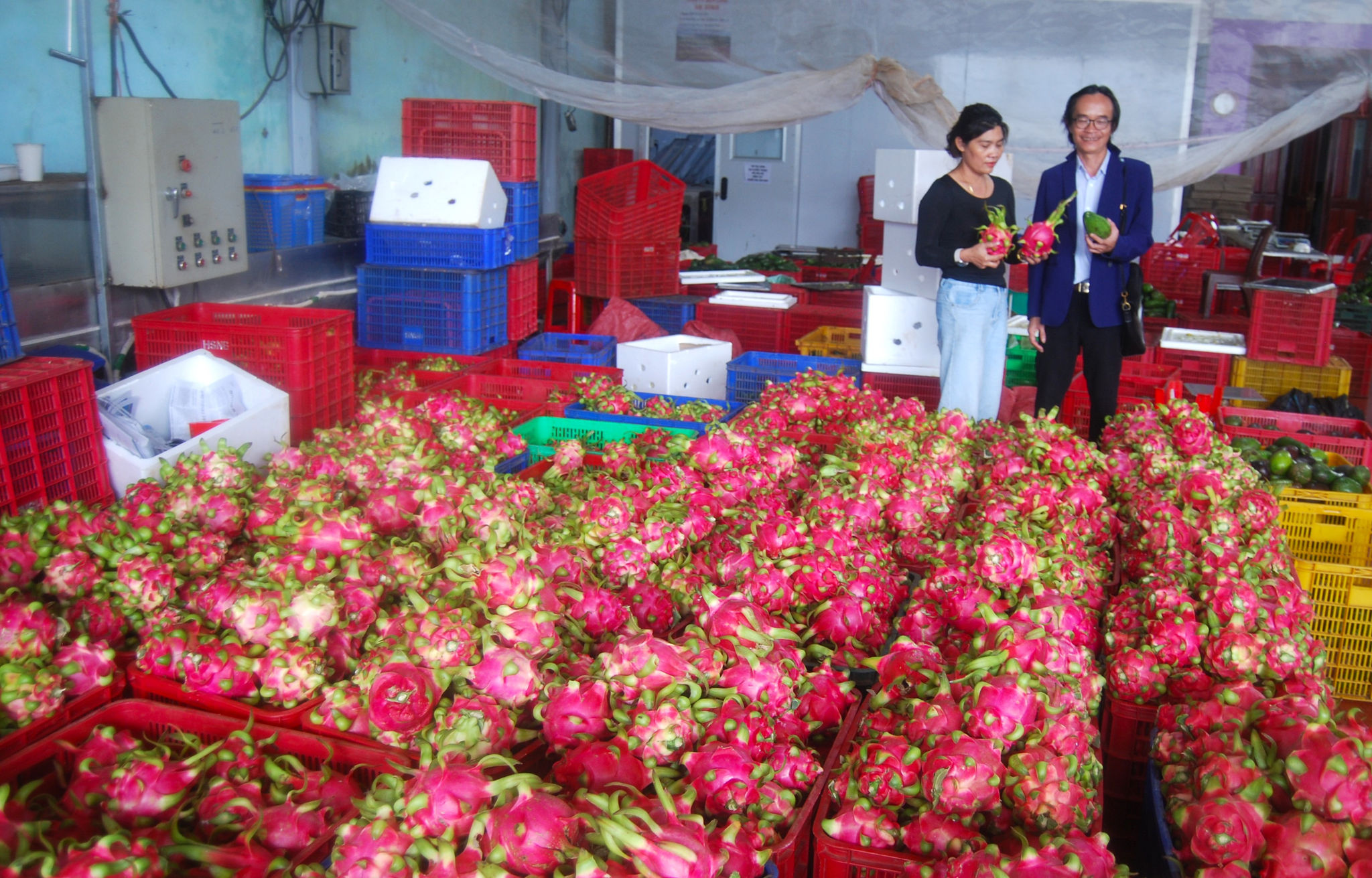
Regular Monitoring and Unannounced Inspections
The province currently has approximately 25,802 hectares of dragon fruit, with white-fleshed varieties accounting for 65% and red- and pink-purple-fleshed varieties making up the remaining 35%. Nearly 36% of the dragon fruit-growing area, or more than 9,272 hectares, has received VietGAP certification; more than 2%, or 540 hectares, has achieved GlobalGAP certification; and nearly 0.5%, or 124.5 hectares, has received organic certification. Overall, more than 80% of the dragon fruit-growing area, equivalent to 20,900 hectares, uses water-saving irrigation systems.
Building on good agricultural practice certifications, the province has so far been granted 571 growing-area codes covering nearly 25,214 hectares, along with 282 packing-facility codes for exported dragon fruit. For exports to the Chinese market, 103 growing-area codes and 253 packing-facility codes have been granted. Meanwhile, exports to the US, Australia, Japan, South Korea and New Zealand are covered by 468 growing-area codes and 29 packing-facility codes.
Over the past year, the provincial Sub-Department of Crop Production and Plant Protection monitored 238 growing-area codes and 87 dragon fruit packing-facility codes. As a result, nearly 5.5% of growing-area codes and 2.3% of packing-facility codes were revoked because organizations or individuals no longer needed them, failed to meet updated quality standards, or operated growing areas of less than 10 hectares, below the required production scale.
Tran Duc Thien, Deputy Director of the provincial Sub-Department of Crop Production and Plant Protection, said that over the past year, the agency collected 15 dragon fruit samples from key growing areas and packing facilities. Laboratory analysis found that one sample exceeded the maximum pesticide residue limit under European regulations.
“The agriculture and environment sector regularly organizes conferences, training courses and communication campaigns to disseminate food safety regulations and help producers meet the requirements of importing countries. Specifically, eight training courses have been held for more than 320 farmers on the safe and effective use of plant protection products and compliance with pre-harvest intervals in key dragon fruit-growing areas. Another 20 training courses on dragon fruit traceability have been organized for more than 1,130 farming households in new rural, advanced new rural and model new rural communes across the province,” Thien added.
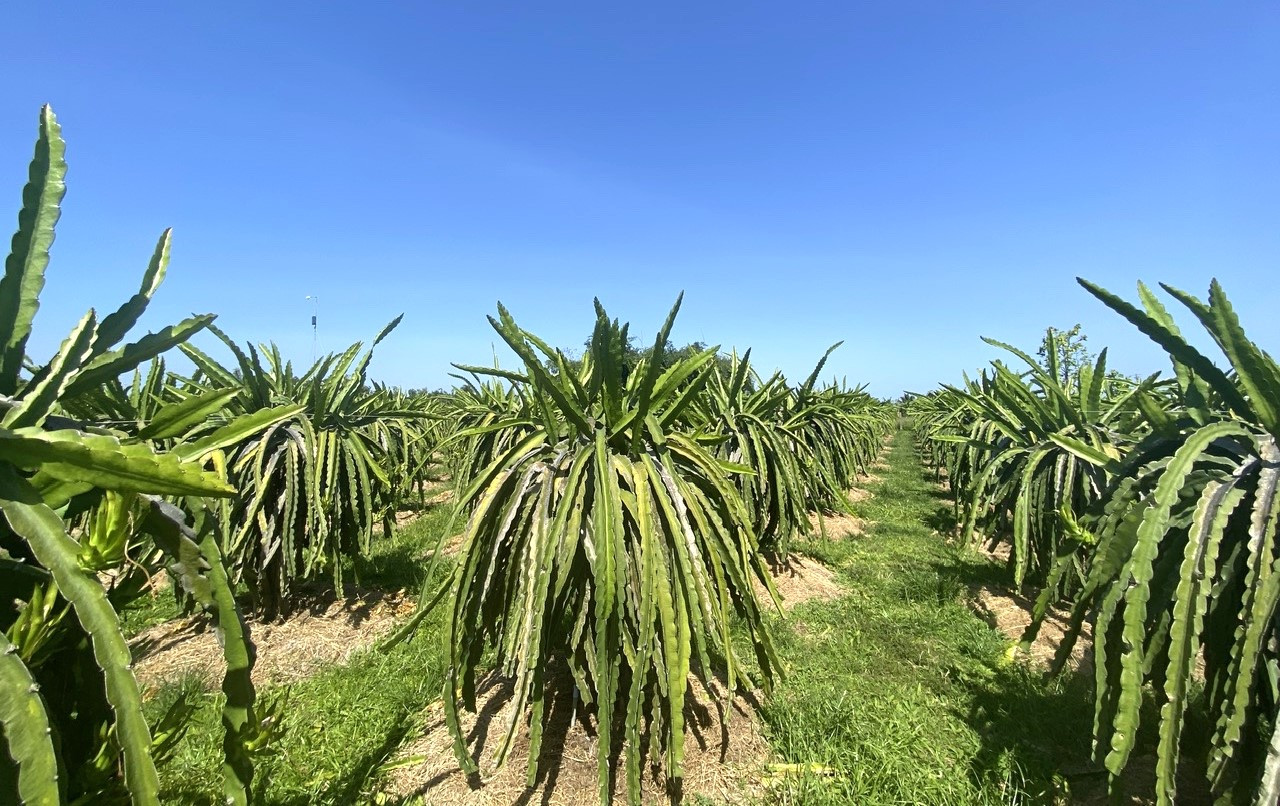
Developing Sustainable Ecological Production Areas
According to the provincial Dragon Fruit Association, amid shifts in export markets, the local dragon fruit industry is facing numerous challenges that need to be addressed. Previously, around 80% of the province’s dragon fruit output was exported to China, but this figure has now fallen to just over 50%.
This reflects an ongoing effort to diversify export markets, which requires stronger and more coordinated improvements in product quality, technical standards, traceability and modern production organization. Expanding into premium dragon fruit export markets also means meeting stringent requirements on quality, plant quarantine, traceability, environmental standards and social responsibility.
In particular, producers need to shift from a cultivation approach focused primarily on output to an integrated production model covering every stage of the process, improving product quality, minimizing chemical residues and ensuring sustainability.
Le Quang Huy, Vice Chairman of the provincial Dragon Fruit Association, pointed to a number of worrying issues. Many dragon fruit orchards have become aging, while pest and disease pressure has increased, resulting in lower yields and poorer fruit quality as well as higher cultivation costs. Replanting is also difficult due to high investment costs, a shortage of high-quality planting materials, long establishment periods and limited access to capital among farmers.
At the same time, many dragon fruit farms remain small-scale and fragmented, with limited participation in value-chain linkages. This results in higher logistics costs, makes it difficult to ensure consistent quality and hinders efforts to build a strong brand capable of meeting large-scale orders.
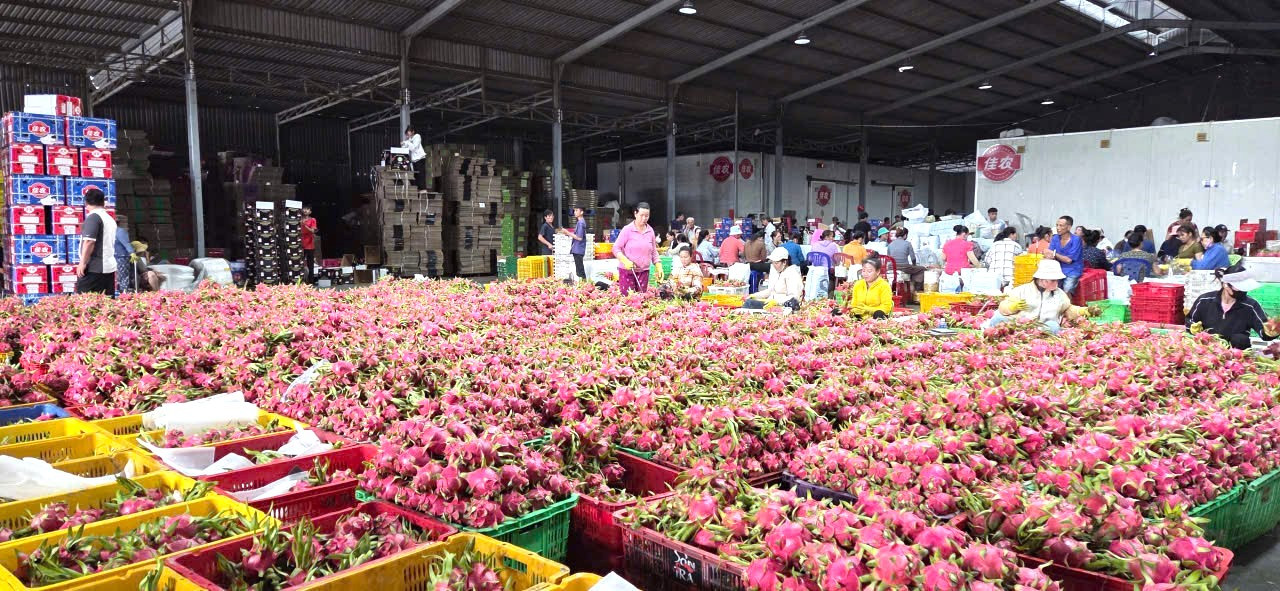
In the coming period, the Department of Agriculture and Environment plans to focus on developing sustainable ecological dragon fruit production areas while guiding farmers in the safe use of agricultural inputs and encouraging them to fully adopt VietGAP, GlobalGAP and organic certification standards.
Farmers will also be encouraged to maintain complete electronic production logs to facilitate traceability and improve product information transparency.
In addition, regular monitoring and unannounced inspections will be conducted, with pesticide residue samples collected and analyzed at key growing areas and packing facilities. Authorities will take decisive action by suspending or revoking codes in cases of technical violations, misuse of codes or failure to maintain safe production conditions for export.