

Resolution 36: Driving Sustainable Agricultural Development
Administrative procedures for growing-area and packing-facility codes have been decentralized from the provincial to commune level, bringing them closer to farmers and businesses while posing new challenges for grassroots authorities. Here is a look at several localities in eastern and western Lam Dong.
Resolution 36 opens new opportunities for farmers and businesses
The Government has issued Resolution No. 36/2026/NQ-CP, dated July 31, 2026 (Resolution 36), on simplifying administrative procedures for growing-area codes (GACs) and packing-facility codes (PFCs).
Under Resolution 36, the issuance and management of GACs and PFCs will be carried out online, based on the principle that organizations and individuals make their own declarations and take responsibility for the information provided. Procedures have been streamlined to ensure openness and transparency, with a major shift from pre-inspection to post-inspection. State agencies will only conduct pre-inspections when required by importing markets.
For other cases, codes will be issued first, followed by post-inspections within a maximum period of 3 months. Processing times have been shortened to no more than 3 working days for products not exported to markets requiring codes, and no more than 10 working days for products exported to markets where codes are required and on-site inspections are necessary.
This landmark change is expected to remove bottlenecks and create maximum convenience for farmers, cooperatives and businesses by eliminating multiple intermediary steps.
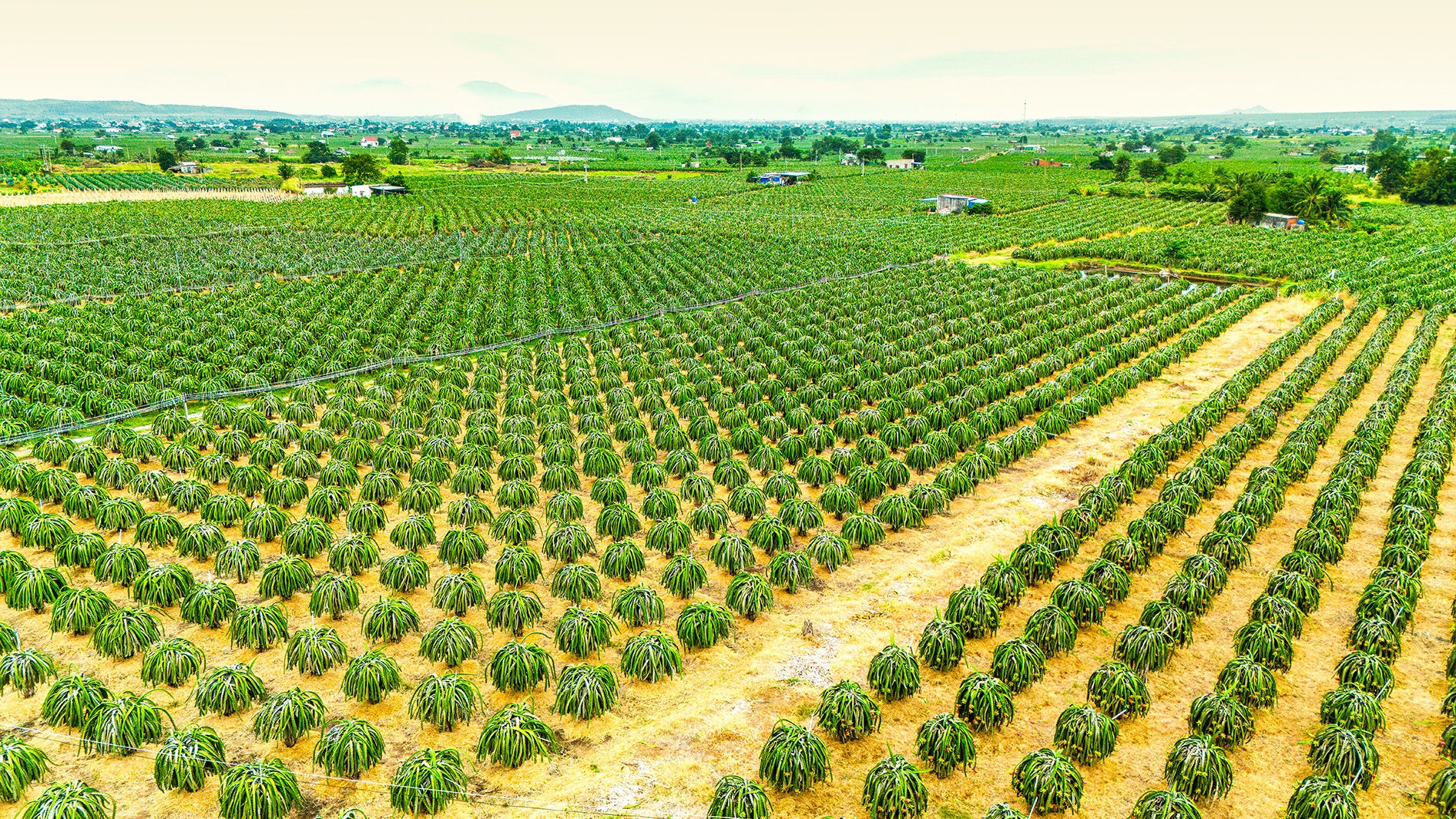
Tran Phi Hung, owner of Hung Linh Dragon Fruit Farm in Ham Thuan Nam Commune, which covers more than 40 hectares, said: “Although we do not yet need to apply for a new growing-area code, farmers are very encouraged by Resolution 36. Instead of going through multiple procedural steps as before, farmers and businesses will be able to complete the necessary procedures at the commune level, with shorter processing times and easier travel.”
To facilitate the effective implementation of Resolution 36, in mid-August 2026, the Department of Agriculture and Environment organized a training session and provided guidance on the issuance and management of GACs and PFCs under the new regulations for specialized agencies and relevant commune-level officials.
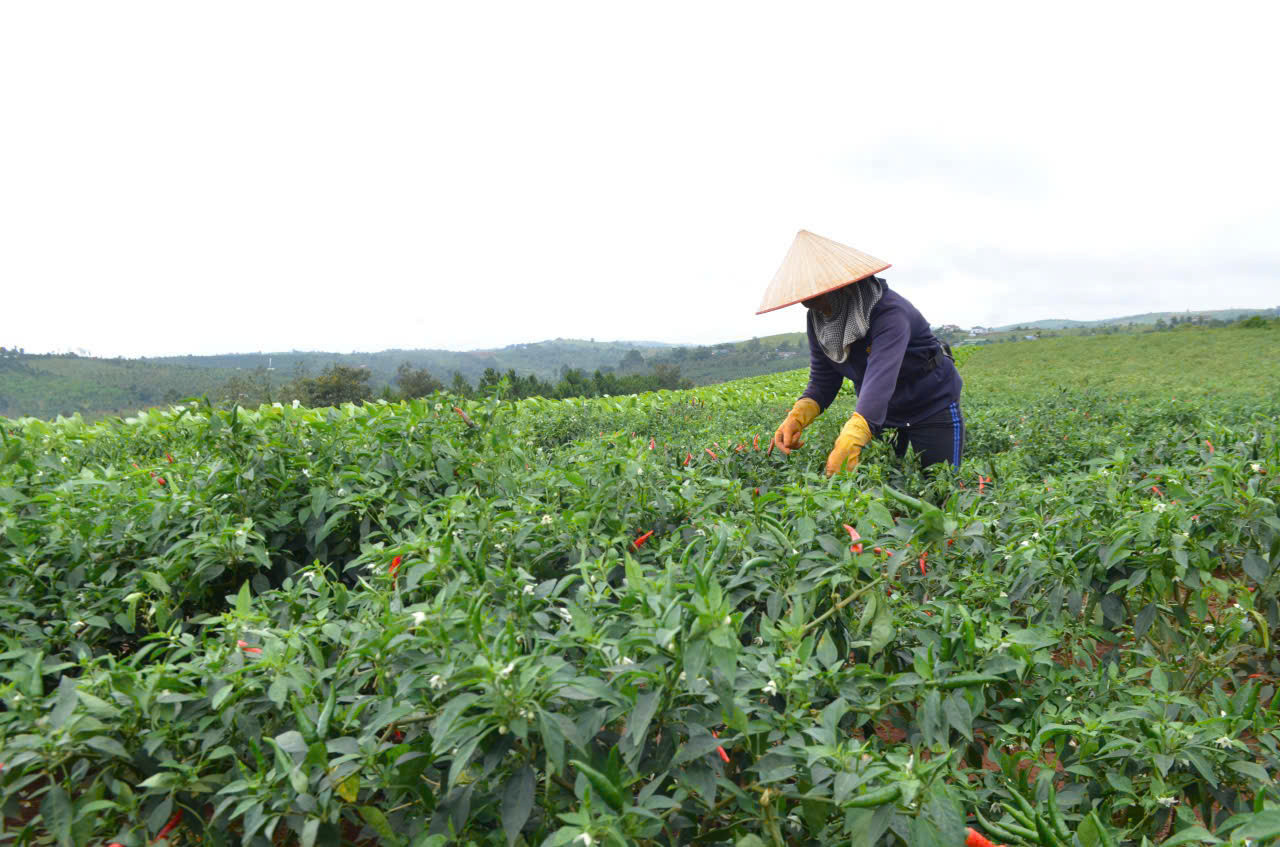
According to Hoang Ngoc Duyen, Deputy Head of the Crop Production Division under the provincial Sub-Department of Crop Production and Plant Protection: “The sub-department has assigned 12 officials and specialists to serve as focal points supporting localities in implementing Resolution 36. These officials are responsible for guiding and assisting commune-level People's Committees in receiving and processing administrative procedures related to the issuance, reissuance and management of GACs and PFCs in accordance with regulations.”
At present, localities are actively implementing Resolution 36. Many communes have quickly begun preparations for their new responsibilities, including assessing and guiding applications for growing-area codes.
For example, Tuy Duc Commune currently has 300 hectares meeting VietGAP standards. Of this, two growing-area codes covering 20 hectares of passion fruit and durian have been issued for export, along with two domestic growing-area codes covering 10 hectares of avocado and other crops.
In Nhan Co Commune, Vu Trong Tai, Deputy Head of the commune's Economic Division, said: “Besides industrial crops, the commune currently has around 600 hectares of durian ready for harvest. Local authorities have directed and arranged a qualified technical team to handle growing-area codes, from on-site inspections of orchards and growing areas to updating requirements set by importing countries. This helps ensure agricultural product quality from production and harvesting to storage, preliminary processing and processing”.
.jpg)
Resolution 36 is both a challenge and a major opportunity for the agricultural economy. In addition to agricultural officials, the locality is also ready to mobilize additional personnel when necessary.
Nguyen Huu Luc, Vice Chairman of the Tuy Duc Commune People's Committee
Maximum Convenience for Farmers and Businesses
The establishment and management of GACs and PFCs are among the key measures to improve the competitiveness of agricultural products and create momentum for development. Therefore, to ensure the effective implementation of Resolution 36, localities across the province are conducting on-site inspections of cases subject to pre-inspection, alongside communication efforts.
At the same time, post-inspections are being conducted for cases that have been issued codes in accordance with regulations, while violations and cases failing to meet code-maintenance requirements are being addressed. Authorities are also monitoring whether previously issued codes continue to meet operational requirements.
Nguyen Dinh Ha, Vice Chairman of the Ham Thuan Nam Commune People's Committee, affirmed the locality's determination to carry out these tasks. Ham Thuan Nam has more than 9,700 hectares of agricultural land, with dragon fruit as its main crop.
However, the decentralization of administrative procedures to commune-level People's Committees under Resolution 36 still presents certain challenges.
According to Tran Thanh Hai, Head of the Economic Division of Bac Ruong Commune, the locality currently has one durian growing-area code covering 15 hectares and involving 13 households. The new regulations assign greater responsibilities to commune-level authorities for receiving applications, issuing and managing codes, and conducting post-inspections.
In addition, officials responsible for these tasks need continued updates and guidance on professional procedures and technical requirements. Online application procedures, as well as the identification of locations, land areas and land-parcel information, may also pose difficulties for some farming households.
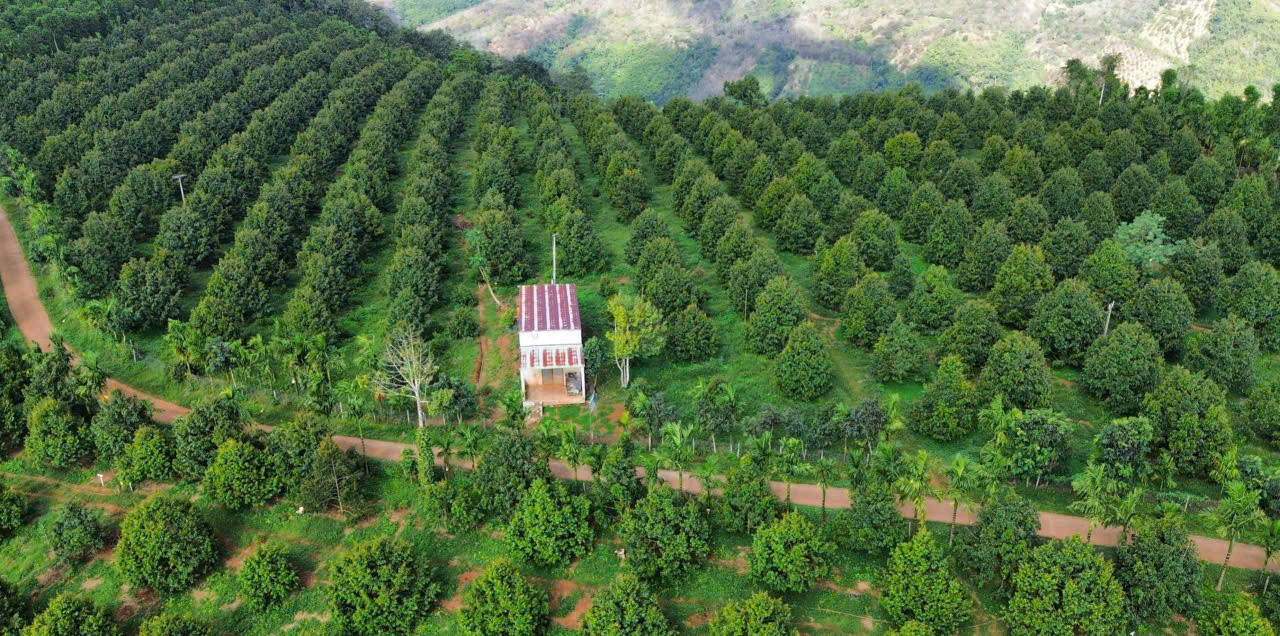
Therefore, the Bac Ruong Commune People's Committee is encouraging durian growers to form linkages with one another, cooperatives and businesses to develop concentrated raw-material areas and improve product quality. This will help meet market requirements and gradually expand the area of registered growing zones in the locality.
The implementation of Resolution 36 represents a strategic shift toward greater transparency in the origin and traceability of agricultural products, thereby enhancing the reputation of local produce. It provides a solid foundation for the local agricultural sector to accelerate digital transformation, maximize the advantages of agricultural development and increase sustainable value in the new period.
According to the provincial Sub-Department of Crop Production and Plant Protection, as of August 2026, Lam Dong had 1,596 growing-area codes for various crops, including durian, dragon fruit, pomelo, coconut, mango, passion fruit, longan, melon, apple and jackfruit. These codes cover a total area of more than 59,500 hectares.
The province also had 595 packing-facility codes for agricultural products, including durian, dragon fruit, mango and coconut, with a combined factory floor area of 732,818 square meters.