Krong No Leverages Its Strengths for Sustainable Growth
Duong Phong•30/08/2026 20:33
With favorable natural conditions and increasingly well-developed infrastructure, Krong No Commune in Lam Dong is effectively tapping into its potential, laying a foundation for sustainable socio-economic development and improved livelihoods.
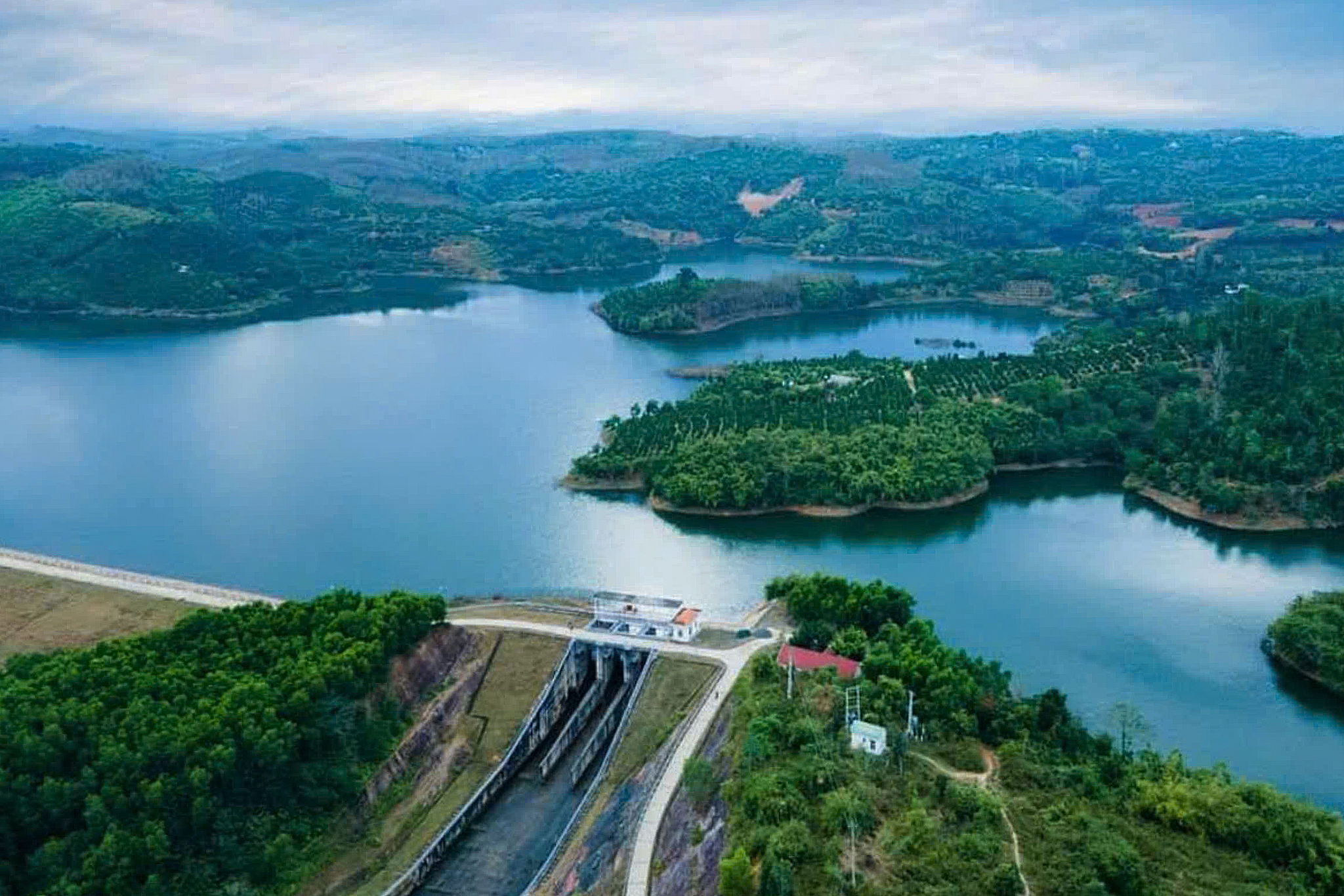
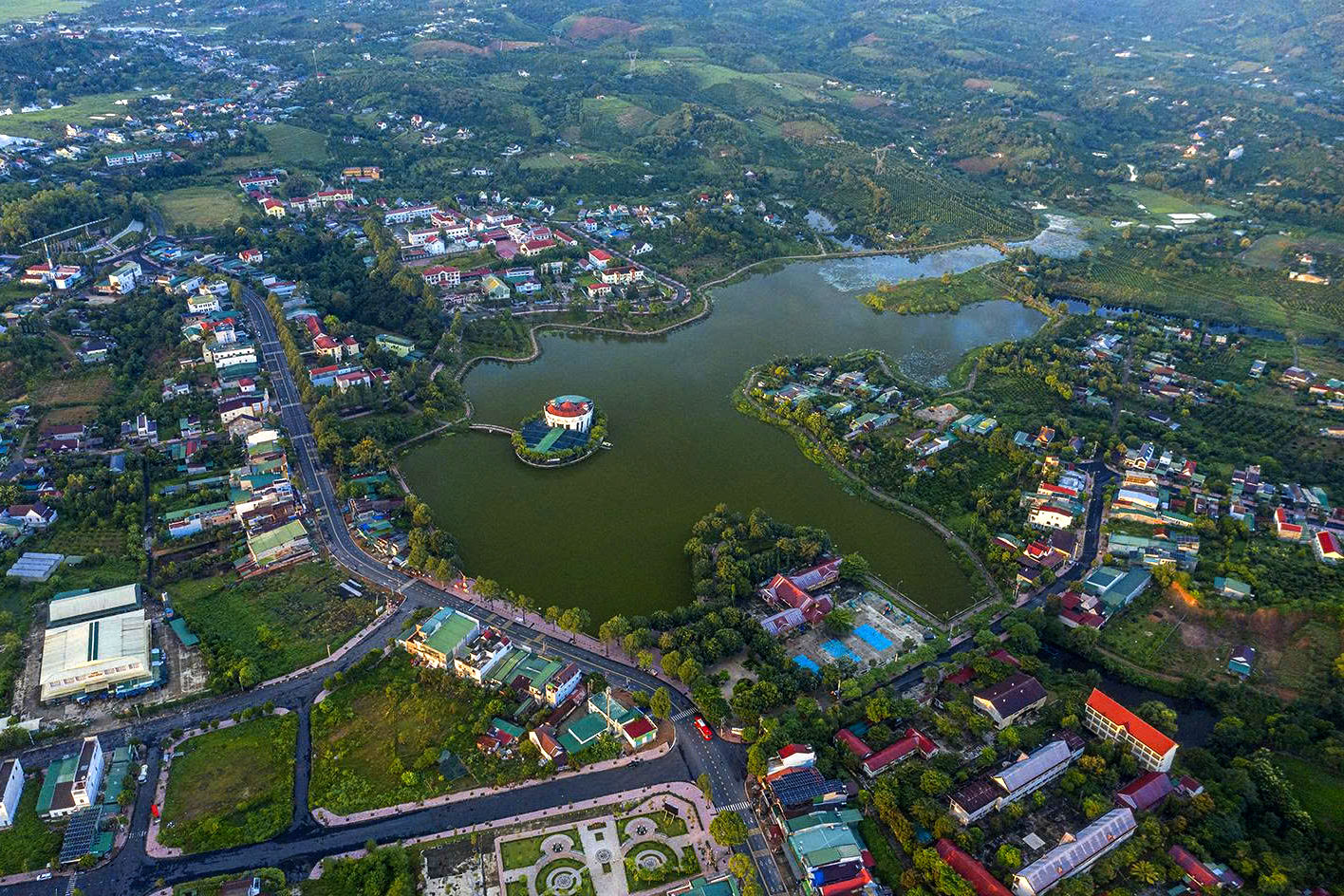
Dak Dro irrigation reservoir in Krong No Commune provides water for agricultural production.
A Fertile Land for Agricultural Production
Krong No commune features low mountainous terrain interspersed with flat valleys, abundant surface water resources, and favorable soil and climatic conditions for agricultural development.
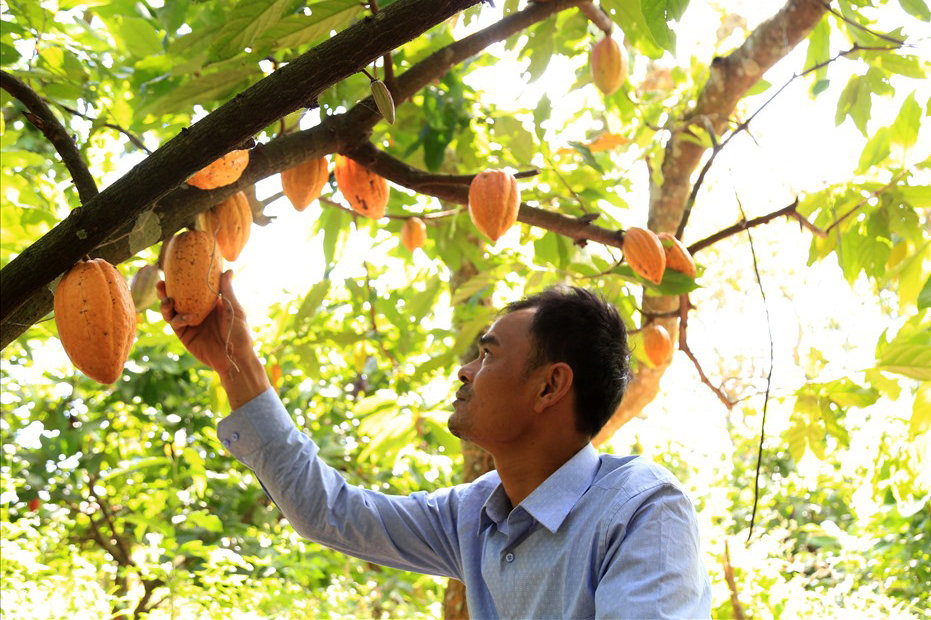
For many years, Vu Van Nghia has leveraged local natural advantages to cultivate cocoa and develop deeper cocoa processing.
Alongside key crops such as coffee, pepper and durian, cocoa has demonstrated strong adaptability to local production conditions, opening up opportunities to diversify crops and increase the value per unit of land.
Production practices show that cocoa grows well under Krong No's soil and climatic conditions. The crop can be intercropped in perennial orchards, making effective use of available land and cultivation layers, while producing good-quality beans.
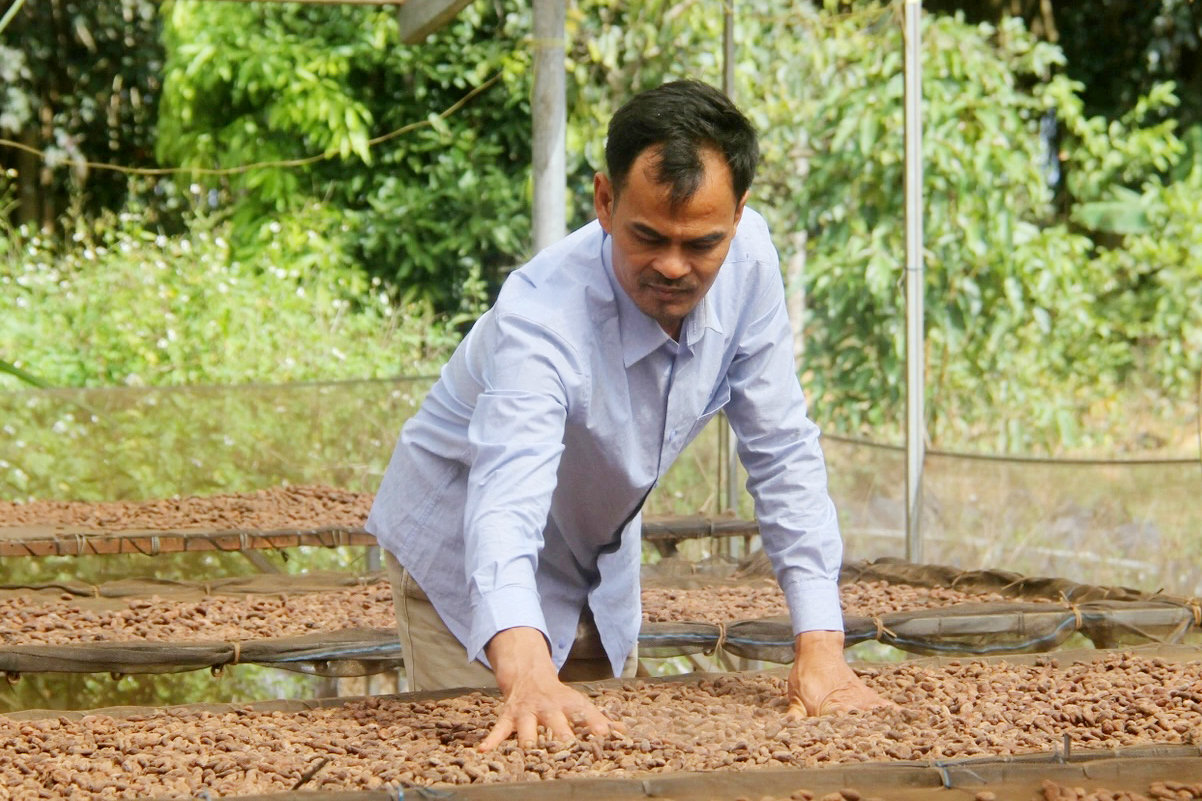
Cocoa products made by Vu Van Nghia are highly regarded for their quality.
Vu Van Nghia of the Krong No Agricultural Cooperative said the cooperative is cultivating cocoa and developing production linkages with numerous local households. By applying technical advances, the cooperative not only purchases and preliminarily processes cocoa but is also gradually developing higher-value products to meet domestic market demand.
“
Through the production process, I have found that cocoa is well suited to local conditions. It grows well and does not require much maintenance. In particular, the trees bear fruit year-round, with a harvest period lasting from eight to nine months, providing a relatively stable source of income.
Vu Van Nghia, Krong No Agricultural Cooperative
Building on its natural advantages, Krong No is gradually establishing itself as a key agricultural production area, with more than 12,600 hectares of industrial crops, including over 9,400 hectares of coffee, 1,560 hectares of rubber and 536 hectares of pepper.
The locality is promoting the application of high-tech agriculture across more than 15,000 hectares, helping improve productivity, quality and product value. Krong No is also focusing on developing processing industries and building stronger brands for its agricultural products.
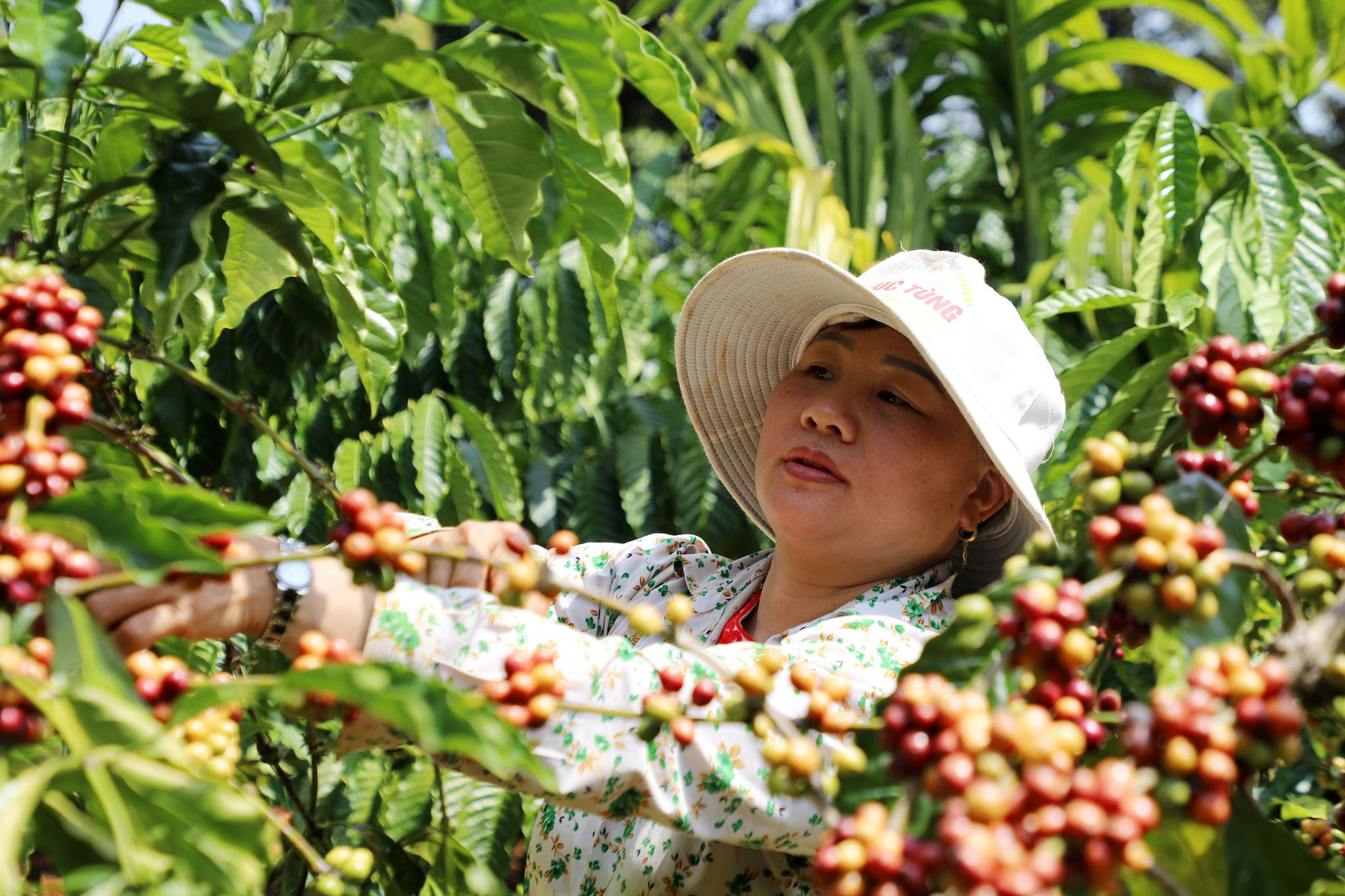
Coffee is one of the key crops in Krong No Commune.
According to the Krong No Commune People's Committee, a number of coffee and cocoa products have been recognized as three- and four-star OCOP products, gradually establishing a stronger position in the market.
The trade and service sector is also developing dynamically, with the presence of numerous modern retail systems. This has helped bring the locality's annual total trade and service value to more than VND1.239 trillion. Per capita income has now reached approximately VND75 million a year.
Creating New Momentum Through Infrastructure, Culture and Services
Alongside its agricultural advantages, Krong No Commune is investing in transport, electricity, clean water and irrigation infrastructure, creating more favorable conditions for production and the movement of goods while improving residents' quality of life.
Tran Tuan Anh, a resident of Dak D'ro Hamlet in Krong No, said infrastructure investment has made agricultural production and the transportation of farm produce more convenient than before. This not only reduces travel costs and time but also gives residents greater confidence to expand production and increase the value of their agricultural products.
“
“People are becoming more confident in expanding production and applying new techniques. This is an important condition for improving production efficiency and increasing household incomes.”
Tran Tuan Anh, Dak D'ro Hamlet, Krong No
Following the administrative reorganization, Krong No is also home to a rich cultural diversity, with 22 ethnic groups living across 10 villages, hamlets and bon communities.
This cultural diversity has created a distinctive identity for the locality while opening up opportunities to develop community-based and experiential tourism linked to agriculture and the preservation of traditional values.
Alongside its agricultural advantages, Krong No Commune continues to invest in infrastructure and tap its cultural potential for sustainable development.
Building on its existing strengths, Krong No will continue to make high-tech agriculture a foundation for development, promote deeper processing, develop OCOP products, expand consumer markets and effectively tap its tourism potential.
At the same time, the locality will focus on infrastructure development, trade and services, the rational use of land resources and the promotion of the cultural identities of ethnic communities. The goal is to build a comprehensive, modern and sustainable rural area, with people at the center of all policies and development decisions.
“
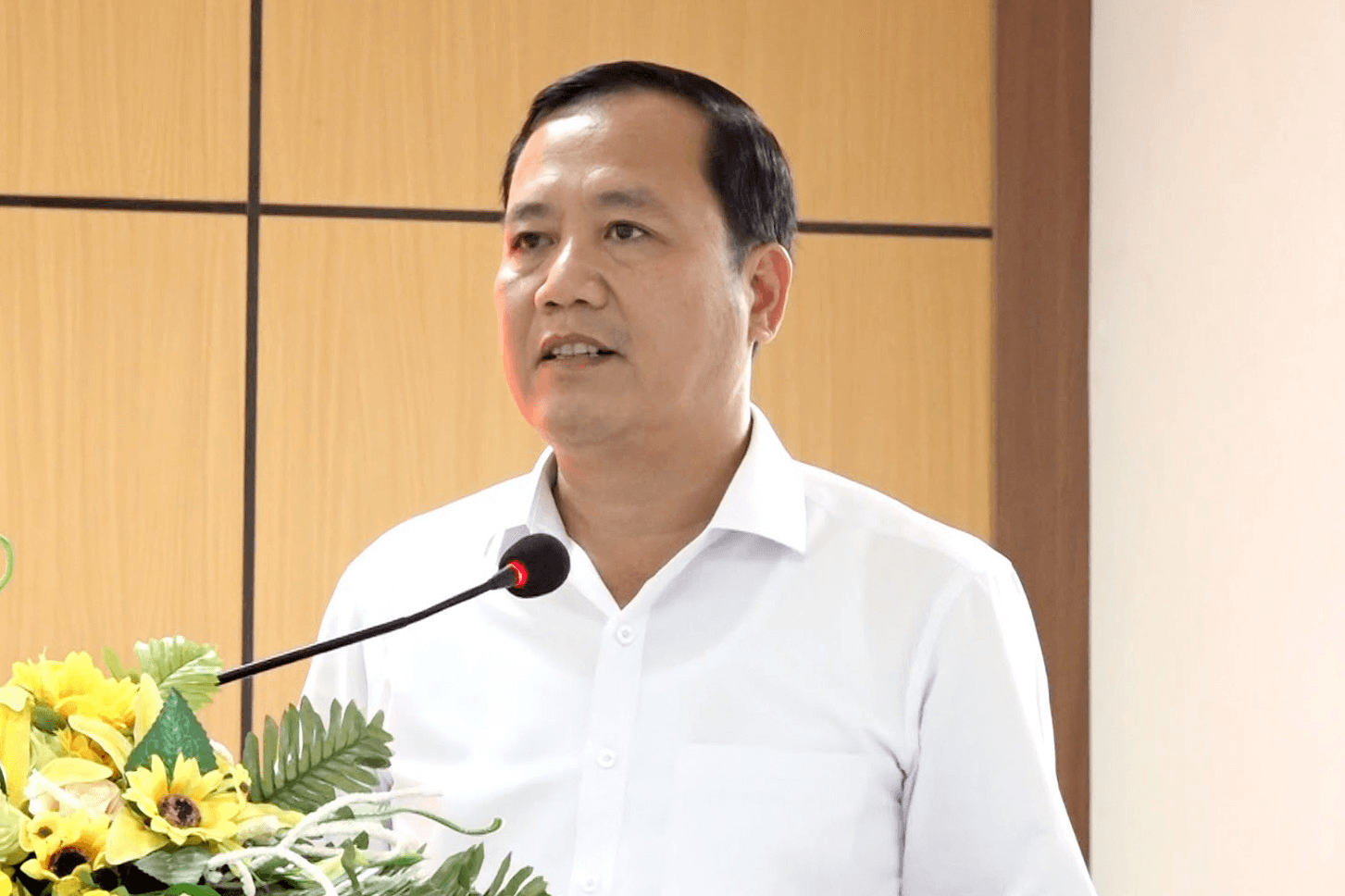
Alongside mobilizing investment resources, Krong No Commune will continue to improve management efficiency, make better use of its potential and create favorable conditions for all economic sectors to participate in development, gradually shaping a new face for the locality.
Han Duy Thuy, Vice Chairman of the Krong No Commune People's Committee
Han Duy Thuy, Vice Chairman of the Krong No Commune People's Committee, emphasized that throughout the development process, the locality considers residents to be the key stakeholders. It encourages effective production models, seeks to increase the value of agricultural products and creates sustainable livelihoods for local people.
In the coming period, the commune will focus on effectively leveraging its agricultural advantages, promoting processing, trade, services and tourism, while strengthening links among residents, cooperatives and businesses. The aim is to establish stable value chains from production to market.