

Lam Dong implements elderly healthcare plan through 2030
Recently, the Lam Dong Provincial People's Committee issued Plan No. 14558 on elderly healthcare through 2030 across the province, aiming to improve older people's health and quality of life while adapting to population ageing.
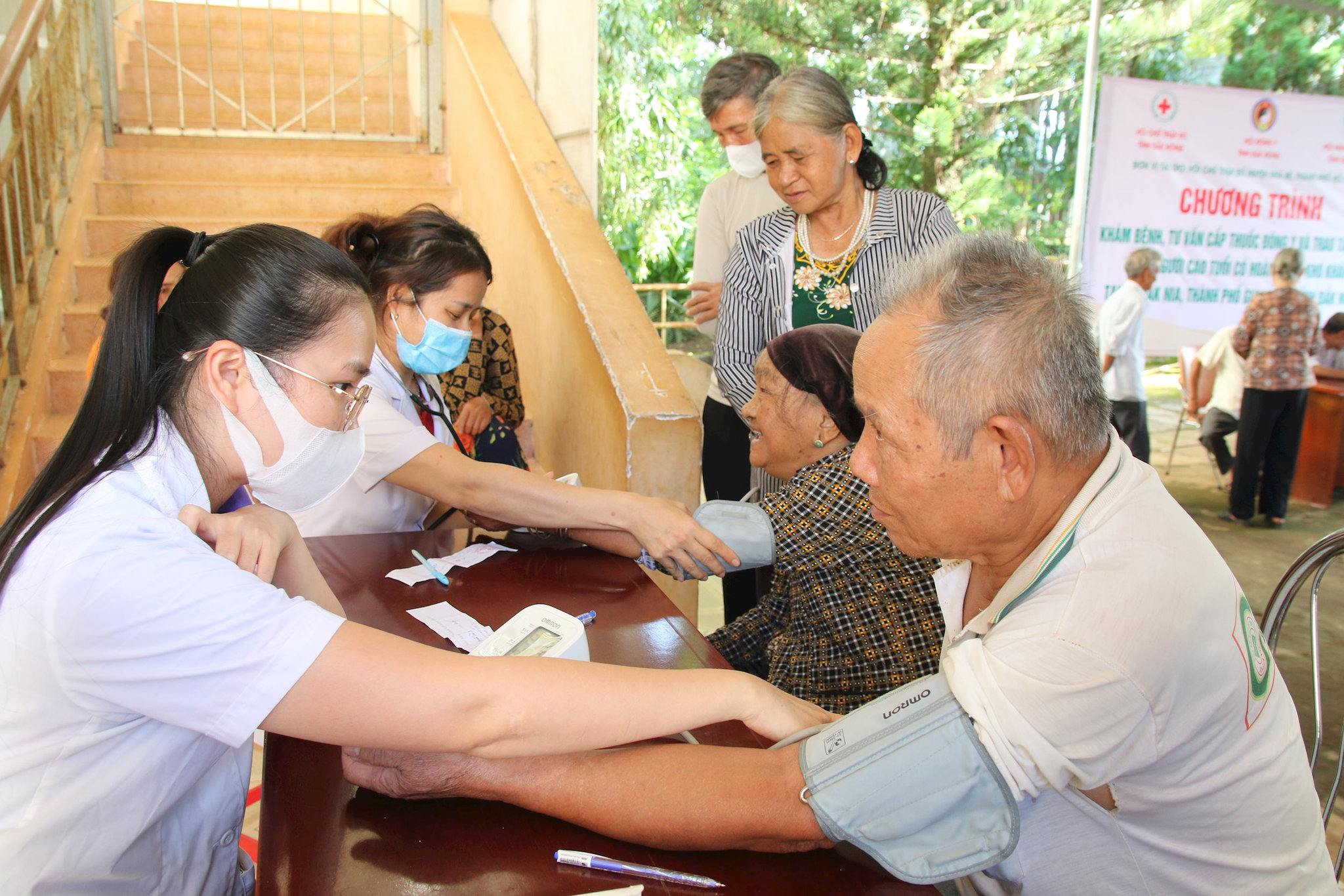
Under the plan, starting in 2026, older people will receive a free periodic health check-up or screening at least once a year and have health records established for ongoing monitoring and management.
By 2030, the province aims to ensure that at least 90% of older people with non-communicable diseases are detected, treated and managed, while 100% of those unable to care for themselves receive support from their families and communities.
Lam Dong also targets providing 90% of older people who are capable of self-care with healthcare knowledge and skills. In addition, 90% of communes, wards and special zones are expected to have at least one elderly care club and one volunteer team providing support. By 2030, at least 50% of provincial-level general and specialised hospitals are expected to have geriatric departments.
To achieve these targets, the health sector will strengthen primary healthcare capacity at commune-level health stations, including health record management, non-communicable disease management, rehabilitation, and home- and community-based care for older people.
The province will also gradually develop daytime care models for older people and age-friendly communes, wards and special zones, while encouraging greater private-sector and community participation in elderly care services.
The Department of Science and Technology has been tasked with coordinating the implementation of solutions for health management and monitoring, data connectivity, electronic health records and digital platforms, as well as researching and applying elderly care models, initiatives and assistive devices.
Alongside the healthcare system, families and communities are identified as key forces in caring for older people. The province will mobilise the participation of socio-political organisations, businesses, individuals and communities, while promoting the role of elderly associations, intergenerational self-help clubs and grassroots volunteer teams.
The plan will be implemented province-wide, with priority given to areas with high proportions of older people, as well as remote, disadvantaged, ethnic minority, mountainous and border areas.
Through the plan, Lam Dong aims to build a more comprehensive, proactive and community-based elderly healthcare system, enabling older people to receive timely care, maintain good health, lead meaningful lives and continue contributing to their families and society.