

Lam Dong Seeks to Unlock More Revenue from Key Agricultural Exports
Despite double-digit export growth, with turnover exceeding US$2.2 billion in the first eight months of 2026, the revenue generated for Lam Dong’s state budget remains modest. The gap highlights the urgent need to unlock greater value from the province’s key agricultural exports.
Significant Untapped Potential
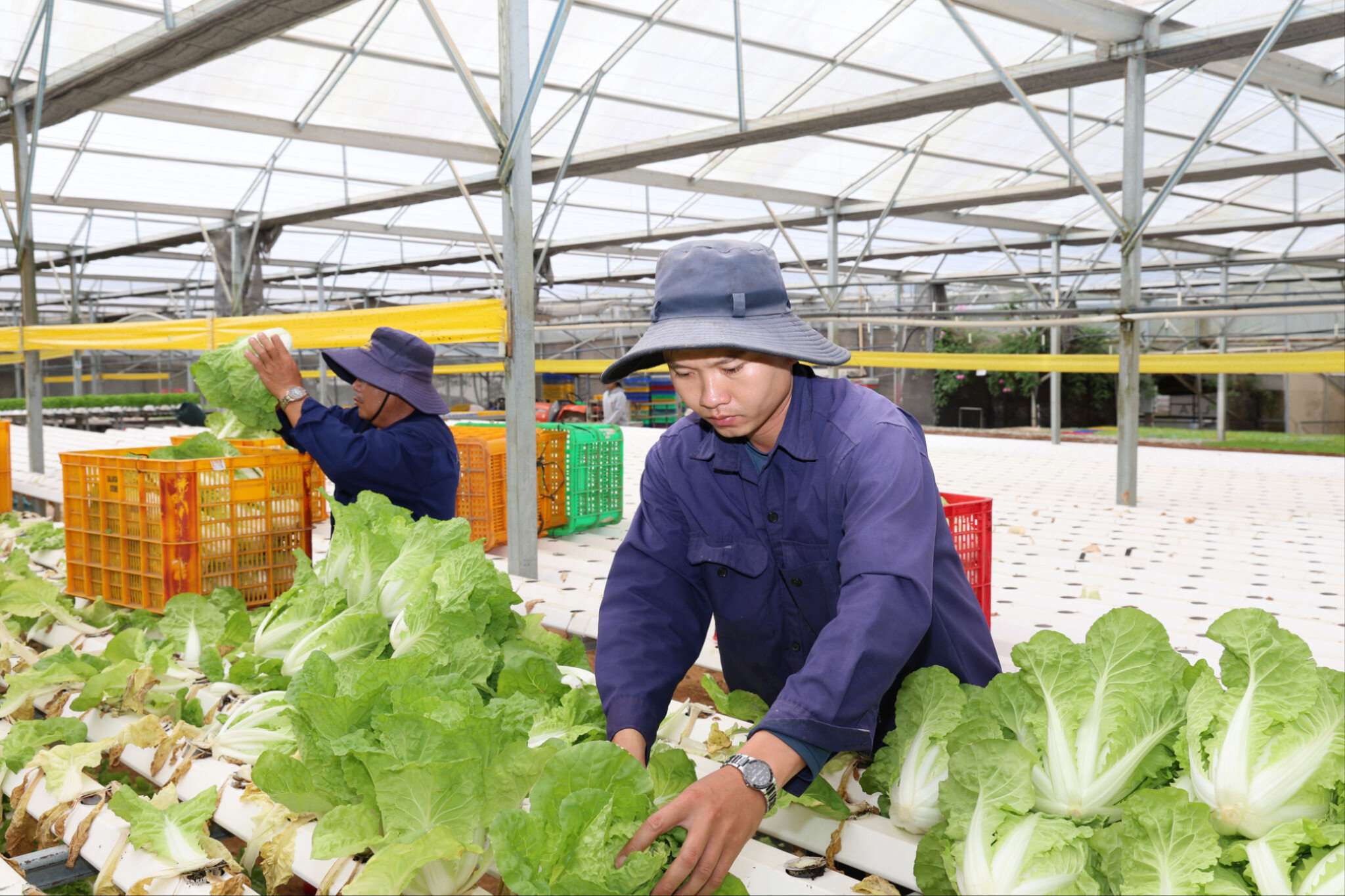
Lam Dong currently has more than 119,000 hectares of high-tech agricultural land, accounting for 14.7% of the province’s total cultivated area. Of this, more than 1,400 hectares are devoted to smart agriculture, while 16 cultivation zones and seven enterprises have been recognized for high-tech agricultural applications.
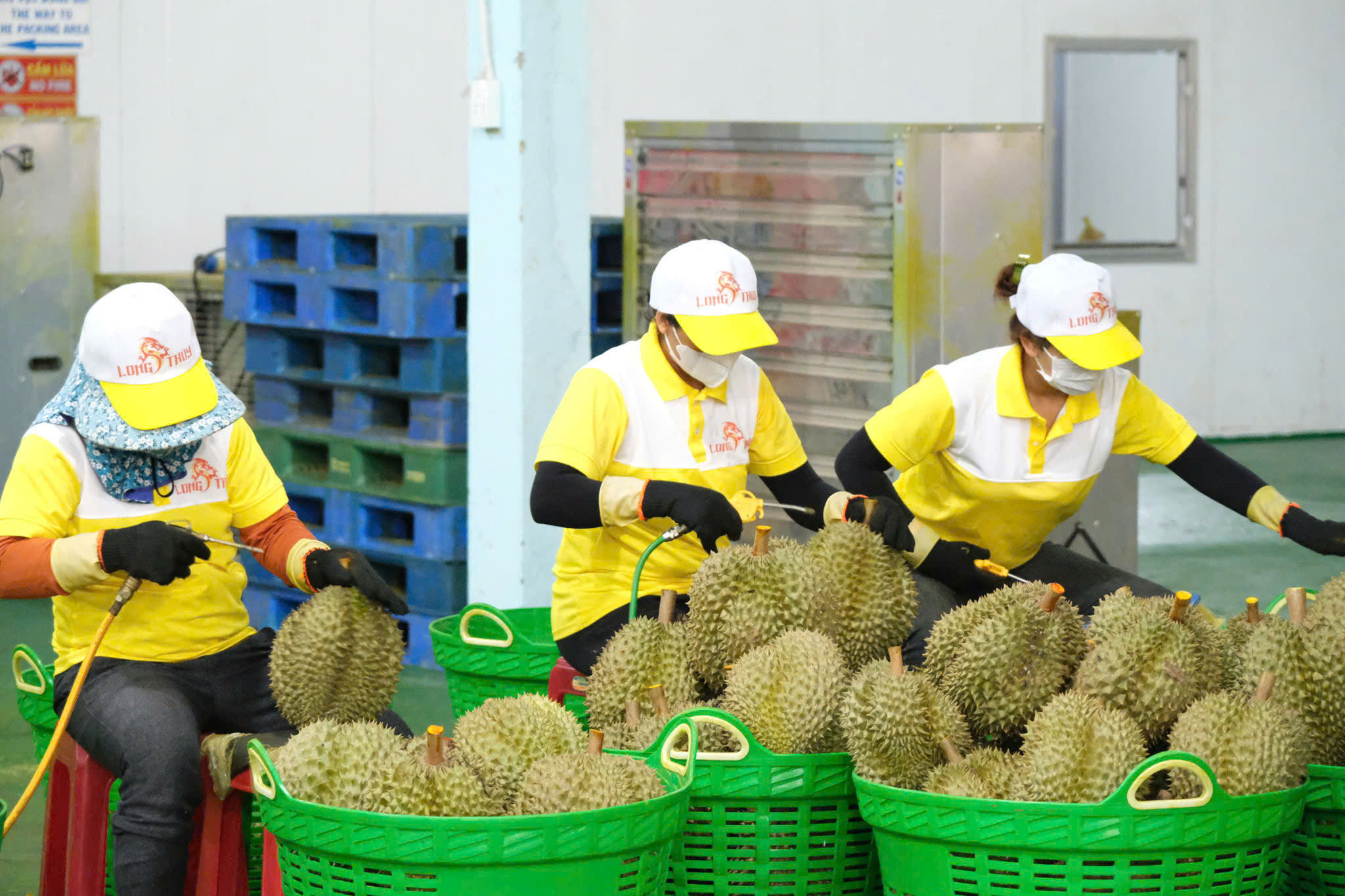
The province has developed nine major agricultural product groups with some of the country’s largest production scales and output volumes. These include vegetables, flowers, coffee, pepper, durian, dragon fruit, avocado, macadamia nuts and mulberry.
Lam Dong also aims to become a national and Southeast Asian hub for high-tech and organic agriculture by 2030, with more than 230,000 hectares under such production models.
Following the merger, Lam Dong now has a development space stretching from the highlands and midlands to coastal areas. The province has also gained a new pillar in its economic structure: fisheries. Its marine catch exceeds 95,000 tons, while aquaculture output is more than 12,200 tons.
The scale and structure of agricultural production in Lam Dong are increasingly shifting toward commodity-oriented production. Coffee covers 328,650 hectares, pepper 37,193 hectares, and fruit crops more than 111,000 hectares, including 44,450 hectares of durian and 26,126 hectares of dragon fruit.
With its vast potential, Lam Dong has emerged as one of Vietnam’s leading localities in the production and export of key agricultural commodities to global markets.
In the first eight months of 2026 alone, the province maintained strong export momentum. Local export turnover exceeded US$2.2 billion, equivalent to 62.46% of the annual target and up 4.39% year on year.
Of the province’s 12 major export product groups, seven recorded higher values, with agricultural products continuing to serve as a key growth driver.
Coffee beans generated US$551.92 million in export value, up 37.12%, while pepper reached US$101.7 million, up 52.93%.
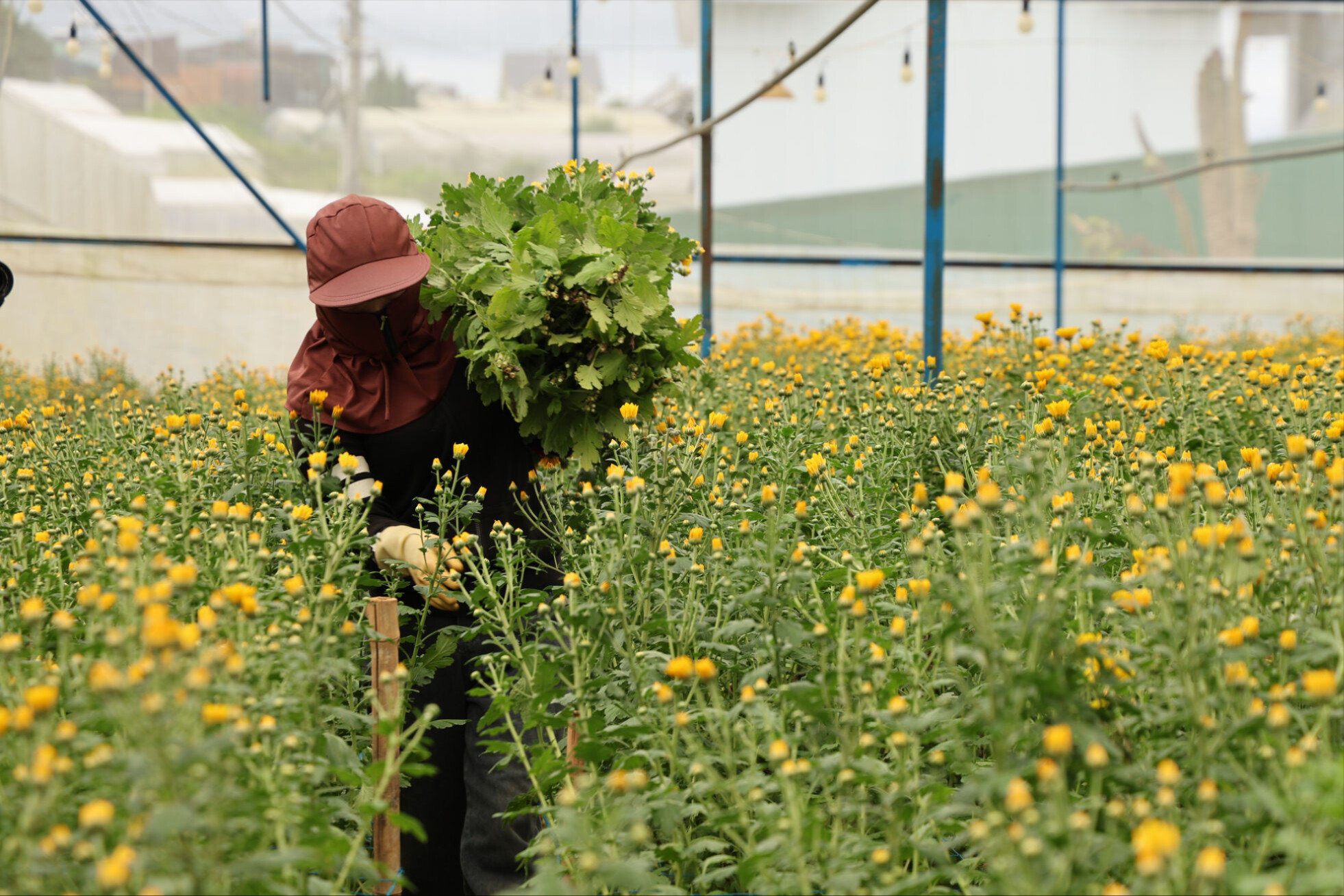
Vegetables, tubers and fruits brought in US$127.8 million, up 30.53%; fresh flowers US$67.7 million, up 20.46%; rubber US$21.09 million, up 6.73%; and processed tea US$9.47 million, up 7.55%.
Export Growth, But Revenue Remains Limited
At first glance, the export figures present a positive picture. However, the contribution to the state budget tells a different story. By the end of August 2026, Lam Dong’s total state budget revenue had exceeded VND24 trillion, reaching 70% of the local estimate and rising 16% year on year.
Revenue from import-export activities stood at nearly VND1.87 trillion. Although this figure has already surpassed the full-year 2026 target, it remains broadly in line with the annual average of VND1.5-2 trillion recorded over many previous years.
Director of the Department of Agriculture and Environment Phan Nguyen Hoang Tan said several of Lam Dong’s key agricultural products, including coffee, dragon fruit and durian, rank among the country’s leading commodities in terms of production. However, their export value and the associated revenues generated from export activities remain relatively low.
At a meeting with the tax and customs sectors on August 11, Lam Dong Provincial Party Committee member, Deputy Secretary of the Provincial Party Committee and Chairman of the Provincial People's Committee Ho Van Muoi pointed out that the province’s key products are exported in very large volumes but are mainly sold as raw materials or through intermediaries.
This is one of the reasons why the sector’s contribution to the state budget remains modest. More importantly, the figures do not accurately reflect the province’s actual potential and untapped economic value.
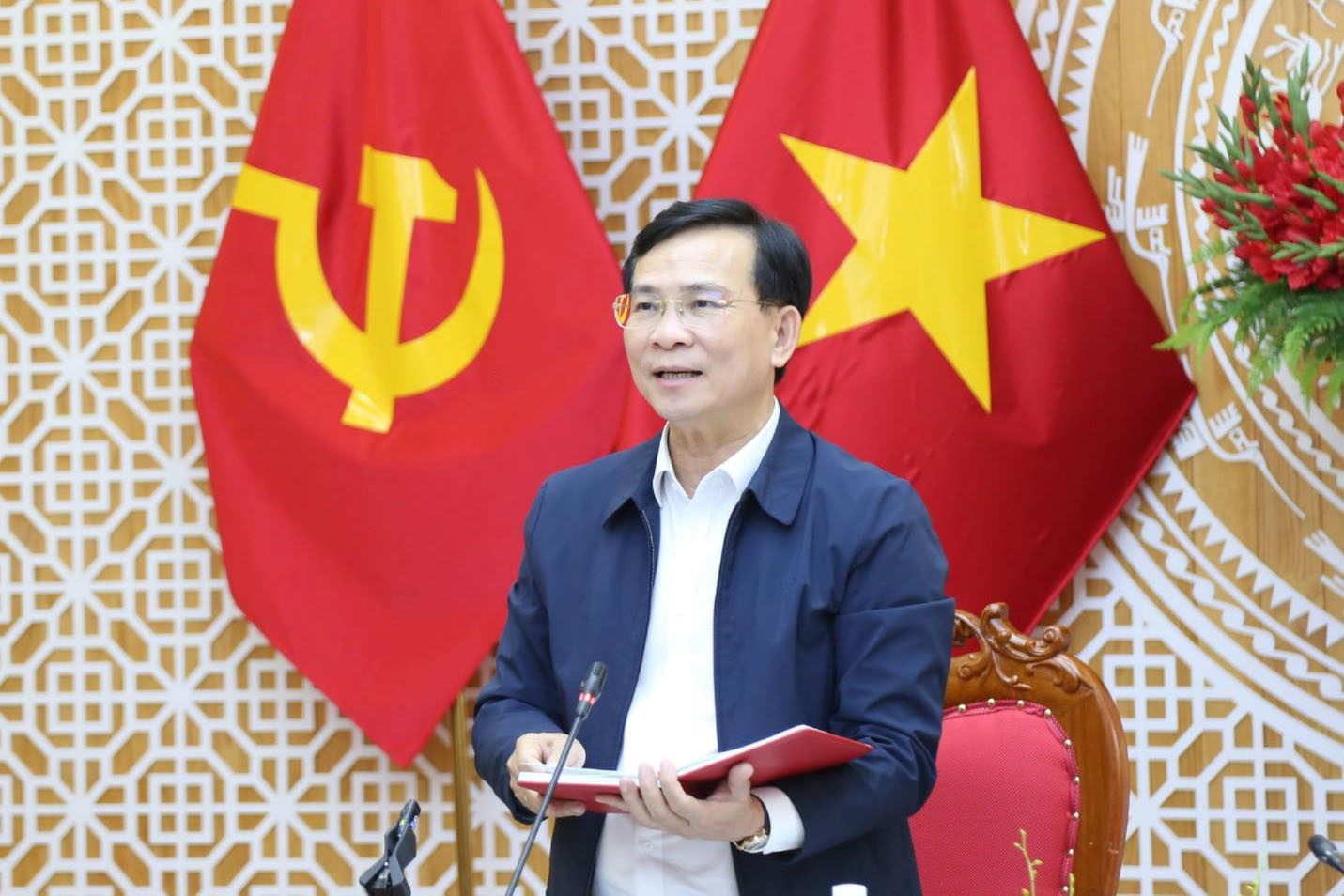
Lam Dong’s key agricultural, forestry and fishery products are exported in very large volumes.
However, their contribution to state budget revenue through import-export activities remains limited. This is a reality that agencies and sectors must
clearly recognize in order to develop appropriate solutions.Chairman of the Lam Dong Provincial People's Committee Ho Van Muoi
Regarding export-related revenue, Vũ Le Quan, head of the Customs Sub-Department of Region XIII, said only about 327 of more than 800 exporting enterprises currently file customs declarations at border gates in Lam Dong.
The remaining roughly 390 exporters complete customs procedures in other provinces and cities. Based on incomplete statistics, their export turnover is estimated at around US$2 billion.
“This means Lam Dong’s agricultural products are reaching global markets, but the customs procedures and, consequently, the related revenue are being recorded elsewhere. This is an opportunity that can be tapped immediately, without requiring an additional hectare of farmland,” Quan said
In reality, the pressure on the provincial budget over the final four months of 2026 further underscores the need to address this issue. Lam Dong’s full-year revenue target is VND34.435 trillion, more than 9% higher than in 2025. This means the province must collect an additional VND10.435 trillion during the final four months, or an average of more than VND2.603 trillion per month.
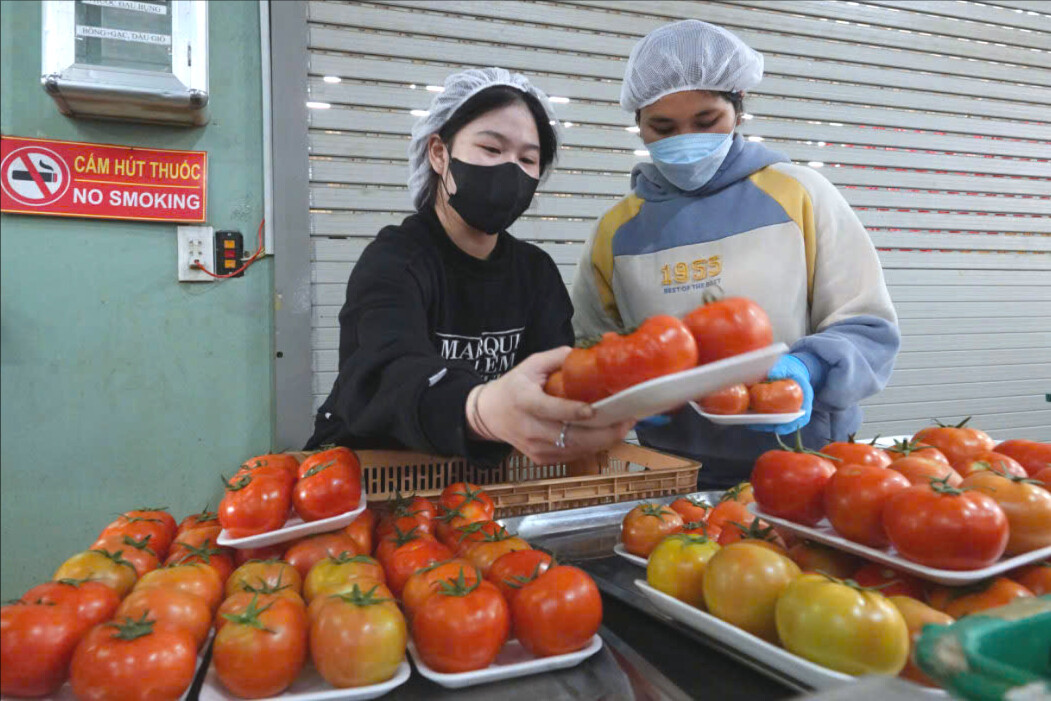
Meanwhile, revenue from land use has reached only more than 38% of the estimate, while mineral-related tax revenue is down 14% year on year. Tax exemption and reduction policies are also expected to result in a revenue shortfall of about VND1.3 trillion.
As traditional revenue sources slow, Lam Dong must look for new value in one of its strongest economic advantages: agricultural exports
Measuring Value, Not Just Volume
The agriculture and environment sector’s development orientation for 2026-2030 is clear: restructure agriculture and shift decisively from supply-chain-based production toward value-chain development.
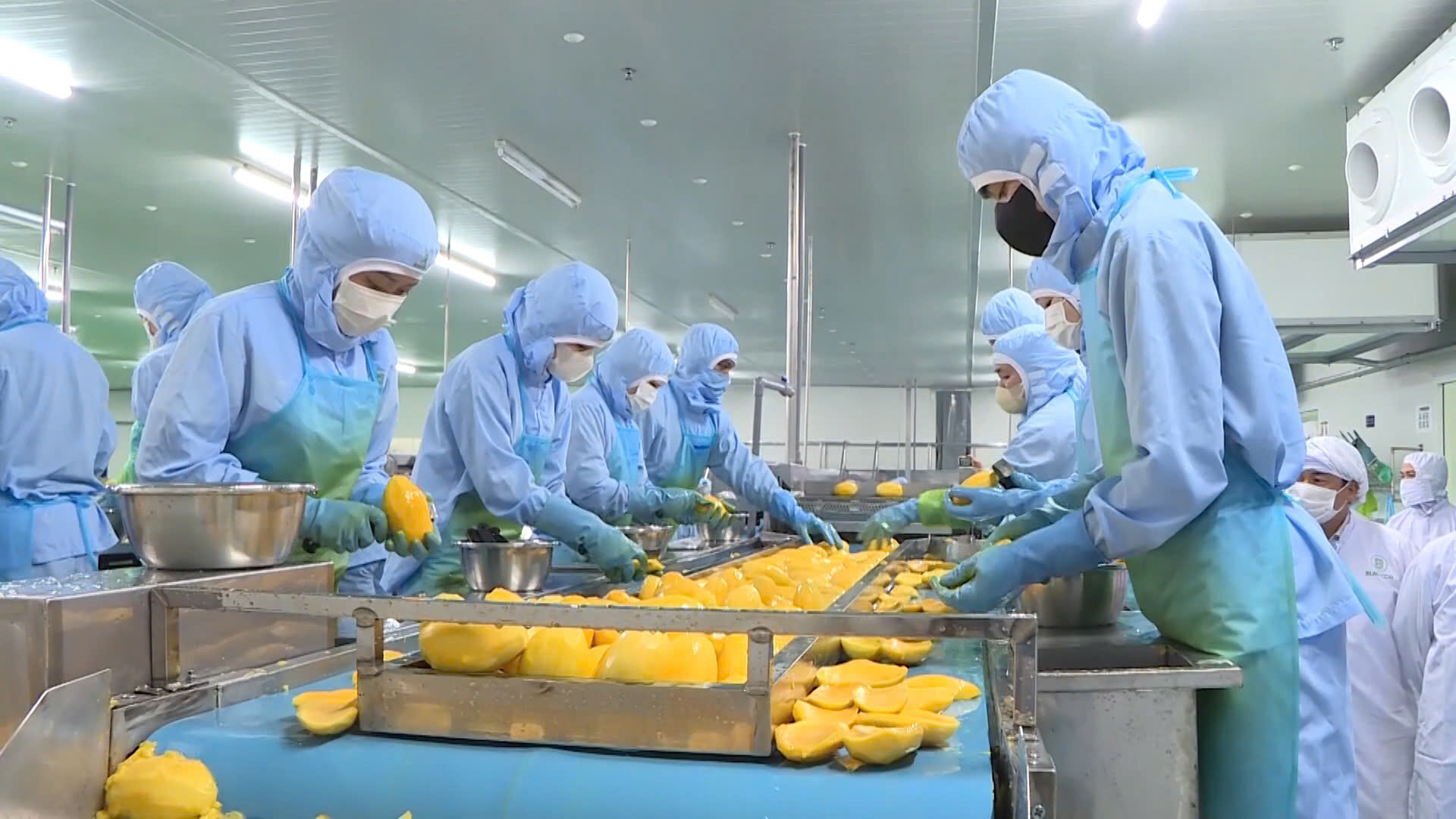
The sector is encouraging businesses to invest in deep processing, build brands, improve traceability and expand production in line with VietGAP, GlobalGAP and organic standards.
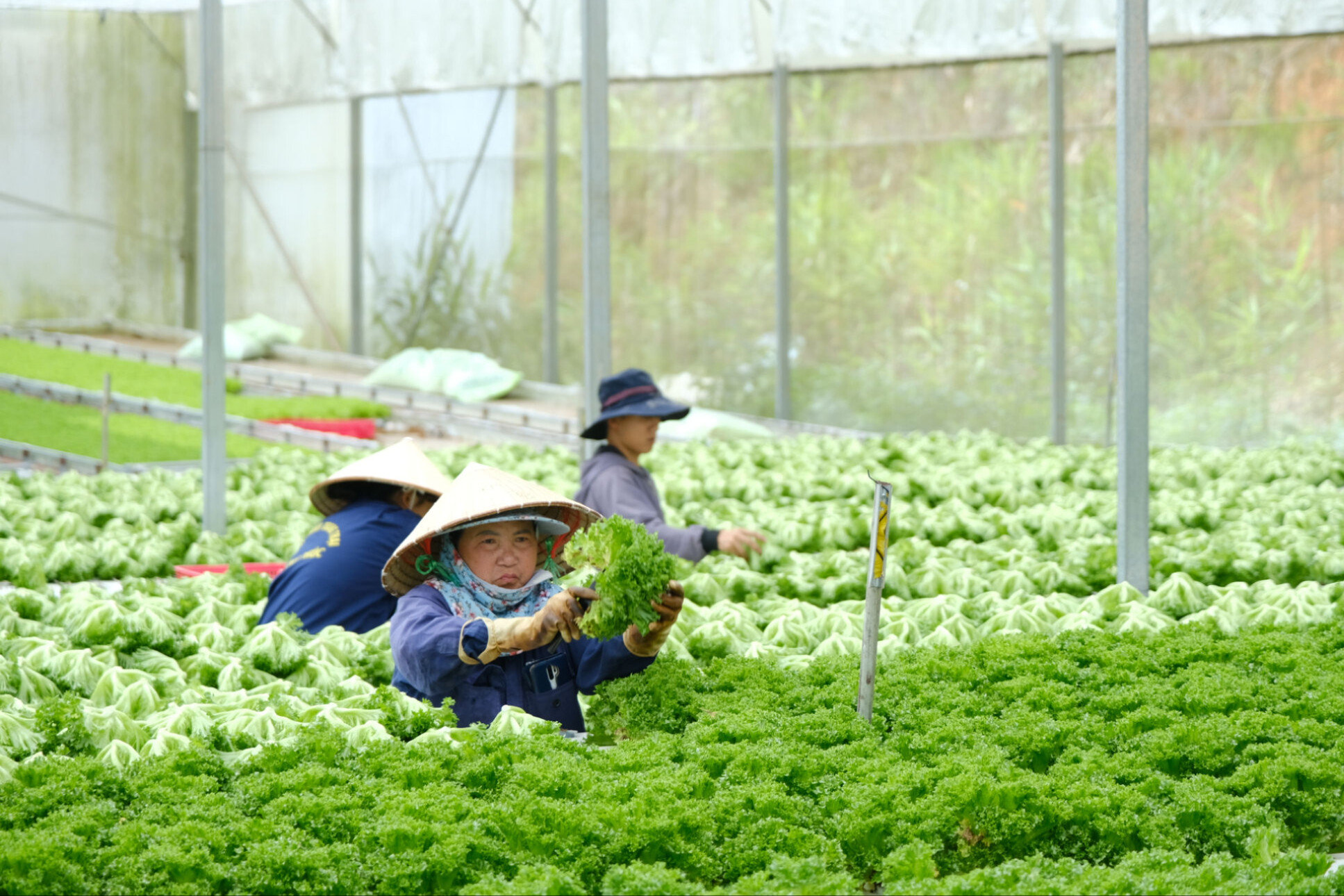
According to Phan Nguyen Hoang Tan, the untapped potential of Lam Dong’s agriculture does not lie in expanding cultivated areas or simply increasing output.
Instead, the potential lies in reorganizing production space and connecting existing advantages through land-use planning, processing infrastructure, cultivation-area codes, green standards and resource management.
Lam Dong needs to make a decisive shift from agricultural production to the agricultural economy; from selling raw materials to deep processing; and from relying on natural advantages to building advantages based on standards, brands and markets.
Phan Nguyen Hoang Tan, Director of the Department of Agriculture and Environment
According to Tan, administrative reform and digital transformation, together with efforts to resolve obstacles related to land, the environment and infrastructure, must facilitate business operations. Lam Dong also needs to strengthen sustainable linkages among enterprises, cooperatives and farmers.
On the revenue side, Chairman Ho Van Muoi has asked the tax and customs sectors to develop solutions to increase revenue from the import and export of key products.
Relevant agencies are also tasked with encouraging major exporters to complete customs procedures through border gates in Lam Dong. The Department of Agriculture and Environment is responsible for proactively coordinating with relevant sectors to maximize the province’s untapped potential.
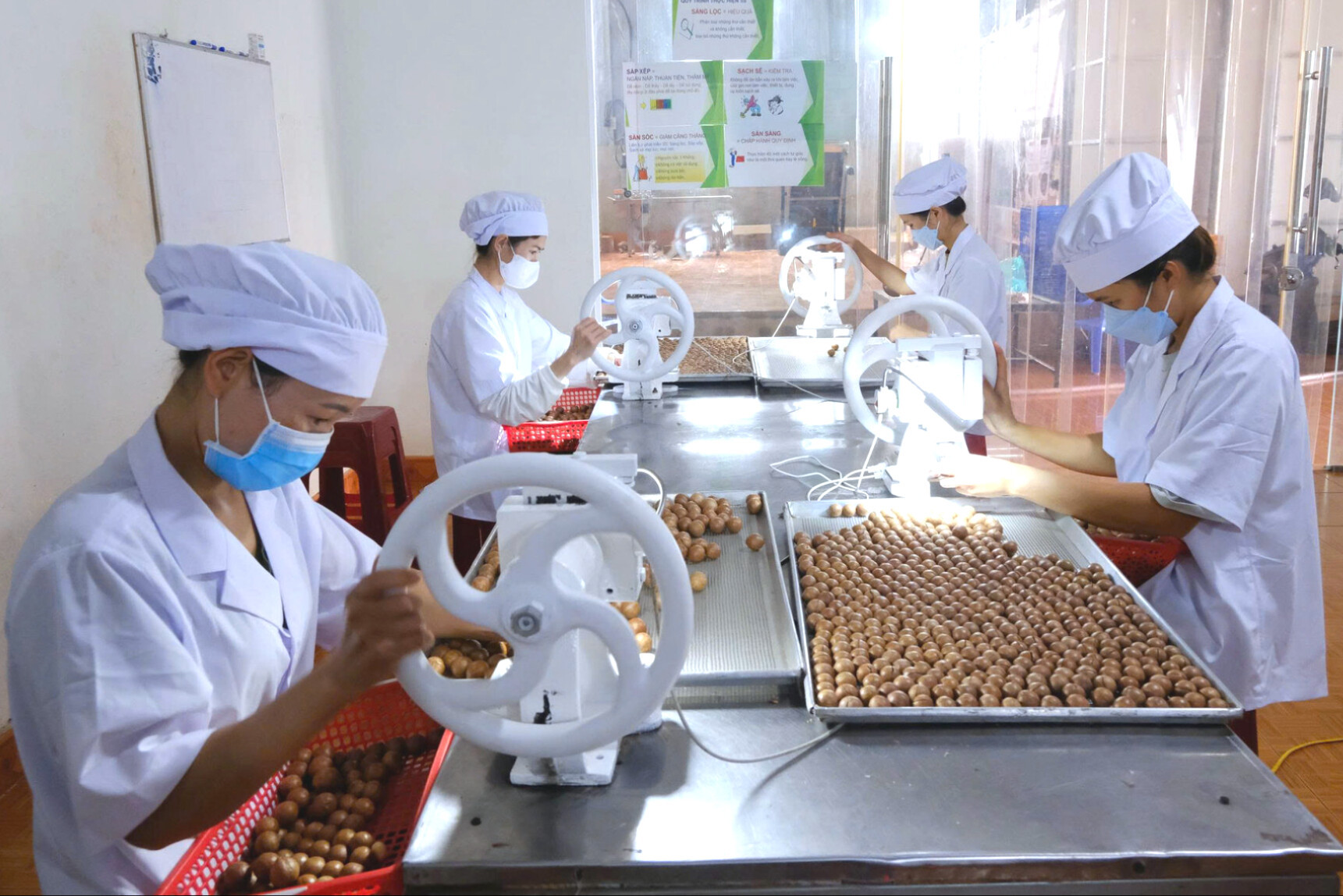
The reality is that Lam Dong does not lack agricultural products for export. The challenge is that the province has yet to fully capture their value before they reach international markets. The same volume of raw materials can generate significantly different returns depending on whether products are exported in raw form or after processing.
Therefore, alongside export turnover, the province should measure the share of processed goods in total exports, the number of enterprises exporting directly, the value generated per ton of raw materials and the state budget revenue generated by import-export activities. Until these indicators can be measured effectively, it will remain difficult to determine whether exports are truly becoming more valuable or simply increasing in volume.
With its substantial potential and room for growth, Lam Dong has a strong foundation for a major step forward. The remaining task is to identify the right breakthrough areas: deep processing, branding, markets and sufficiently decisive implementation to turn advantages into value and production volume into sustainable revenue.