

A Source of Raw Materials for the Global Market
Following the merger, Lam Dong has strengthened its position as one of Vietnam's leading agricultural provinces. Bringing the province's key products to international markets presents both challenges and opportunities for businesses and farmers to transform production methods, increase value and enhance competitiveness.
Key Crops with Strong Potential
Due to its advantageous natural environment, unique temperate climate, and rich soil, Lam Dong has a longstanding reputation as an agricultural center.
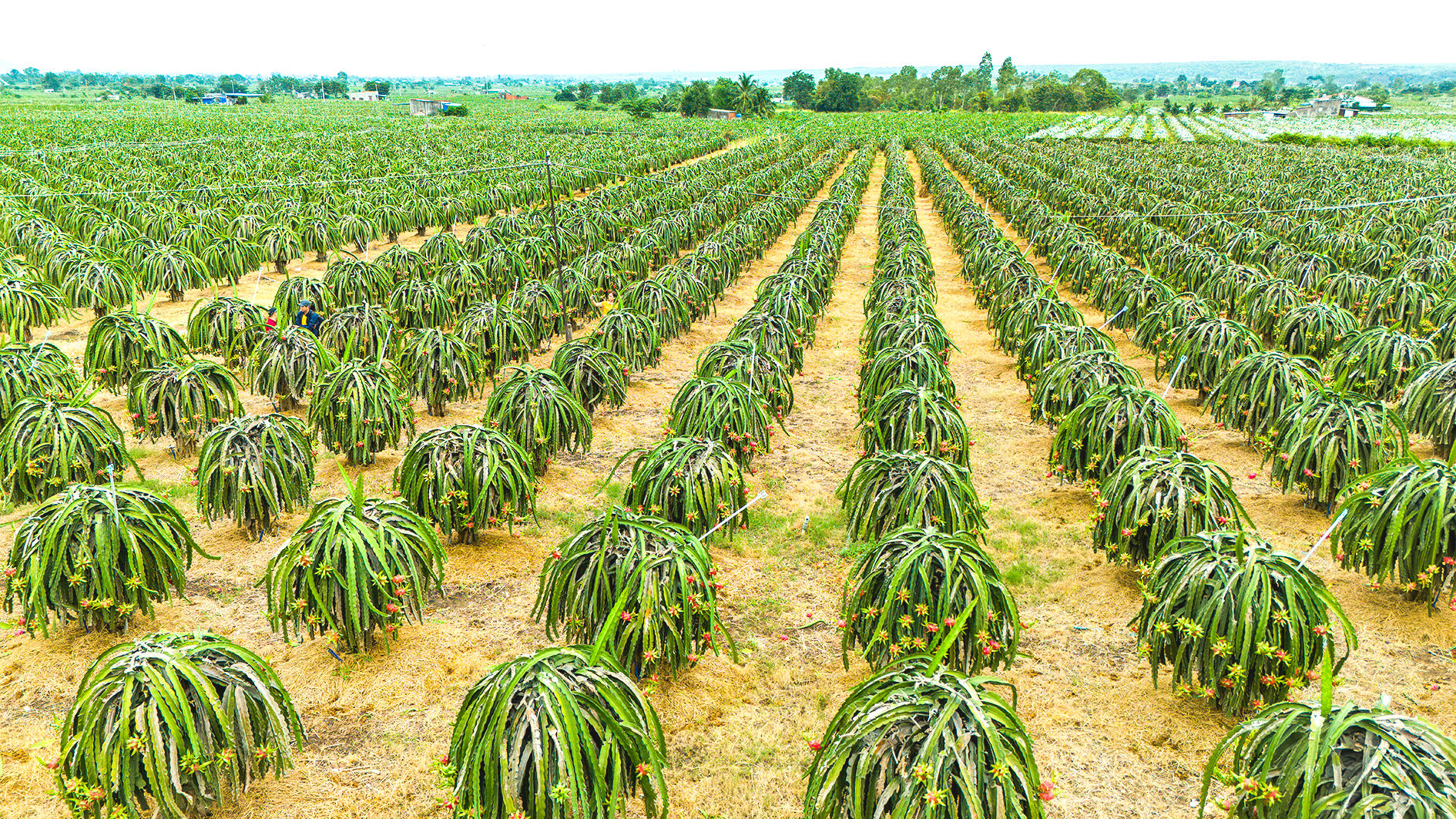
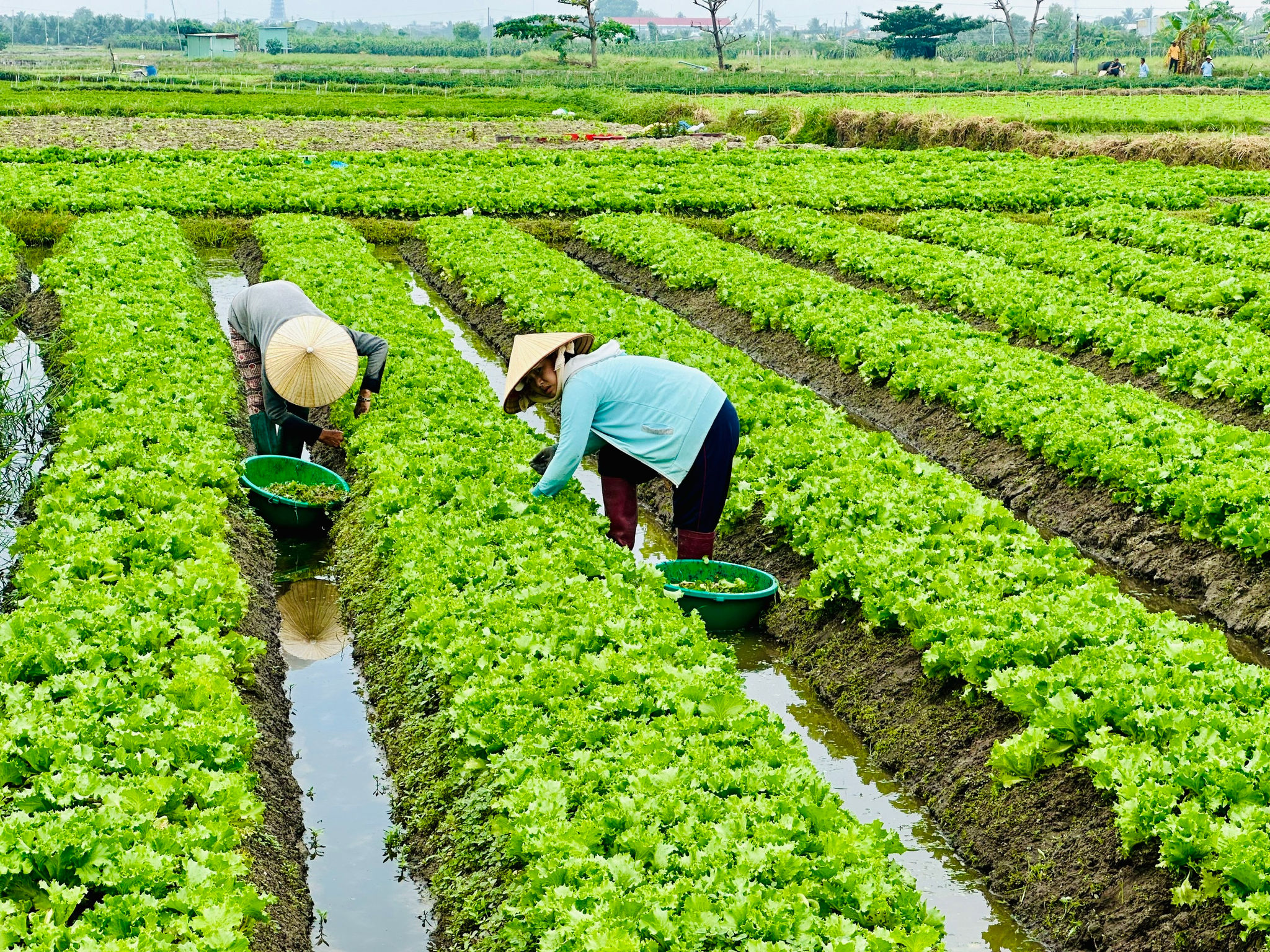
The province has nine major crop groups, which boast some of the largest cultivation areas in the nation, including vegetables, flowers, dragon fruit, coffee, durian, avocado, pepper, macadamia, and mulberry.
Lam Dong is utilizing technological advancements to develop smart, sustainable, and eco-friendly farming practices while also seeking to broaden its market reach.
According to the Department of Agriculture and Environment, over 153,000 hectares throughout the province are currently approved for safe and sustainable farming practices. Agricultural products from Lam Dong have successfully entered significant markets such as China, the United States, Japan, South Korea, the EU, and Australia.
Among its primary crops, vegetables are cultivated on roughly 101,000 hectares, yielding 3.5 million tonnes each year. Floral production spans nearly 12,000 hectares, about 30% of Vietnam's overall flower cultivation area, with an annual output of 4.8 billion stems and export earnings surpassing US$70 million.
Additionally, coffee, durian, avocado, pepper, macadamia, and dragon fruit hold significant potential for export expansion.
To grow crops in accordance with standards required by the European market, farmers must change their production mindset and strictly follow established procedures.
Tran Quoc Thang, a dragon fruit farmer in Ham Thuan Nam
Significantly, information from the Lam Dong Statistics Office for the first half of 2026 indicates that the province's perennial crop composition is increasingly leaning towards higher-value crops like coffee, durian, pepper, and mulberry.
Specifically, Lam Dong dragon fruit has been granted geographical indication protection by the European Union (EU), and its brand is secured in multiple nations. The rising consumer demand for safe agricultural products and traceability is also fostering new opportunities for export.
Tran Quoc Thang, a dragon fruit farmer from Ham Thuan Nam, recounted his journey of introducing Lam Dong's agricultural strengths to global markets: “For over a decade, my farm has cultivated dragon fruit on 46 hectares following GlobalGAP standards.
The entire farming area now provides produce to customers exporting to Europe, maintaining consistent year-round prices of VND18,000 per kilogram for white-fleshed dragon fruit and VND30,000 per kilogram for red-fleshed dragon fruit. After accounting for expenses, growers still achieve profit margins of 40-50%.”
Driving Competitiveness
The path from areas of raw material production to international markets is illustrated by EDEN Farm located in Ham Thuan Commune.
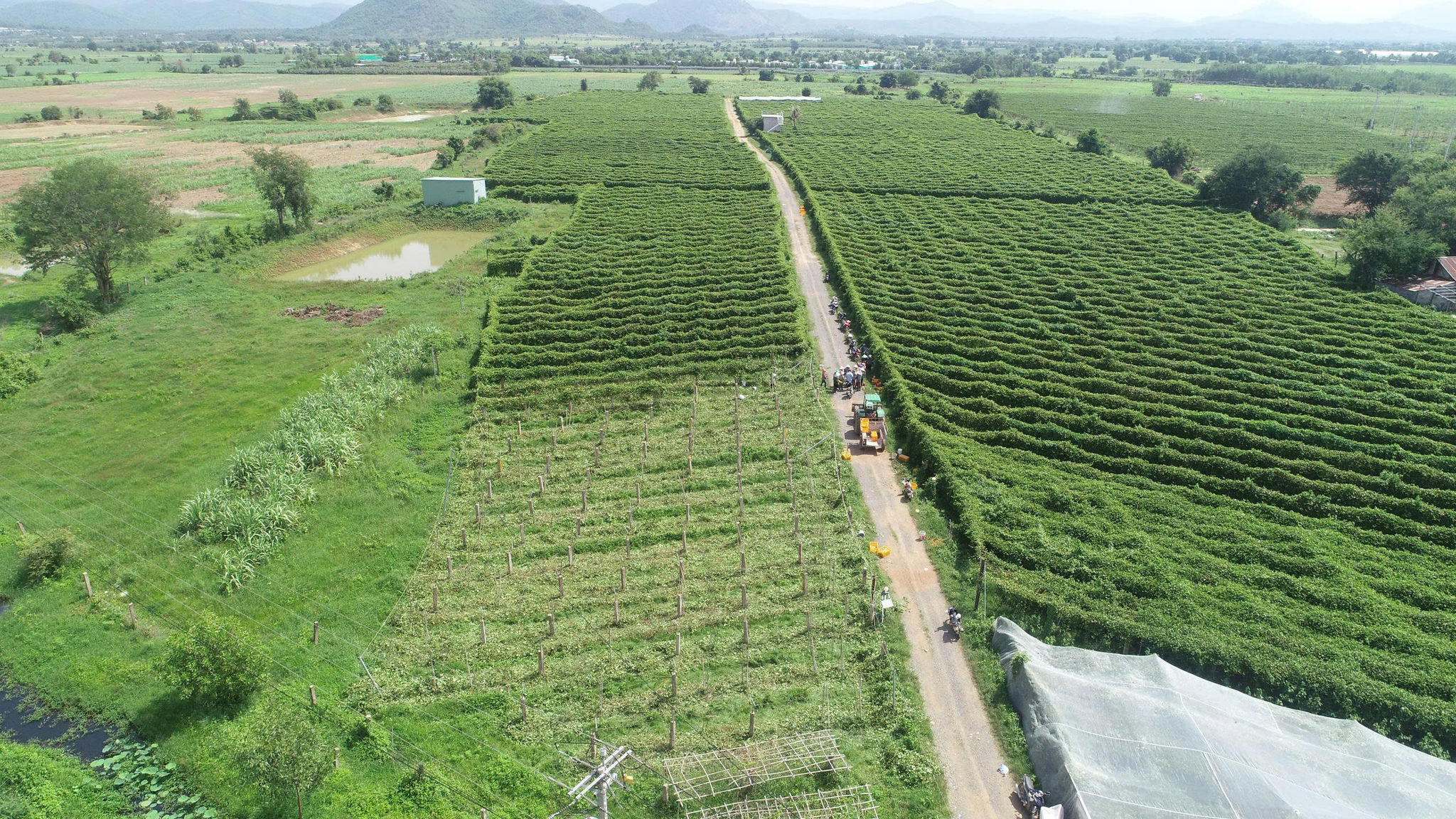
Nguyen Van Duc, General Director of Eden Farm Joint Stock Company, said that by August 2026, the farm had 13 hectares dedicated to concentrated yellow passion fruit production and had formed partnerships with local farmers managing an additional 15 hectares. Eden is also aiming to establish market connections in China, Thailand, South Korea, Japan, Taiwan, the UAE, and Europe.
From a business viewpoint, Duc expressed that for agricultural products to effectively penetrate global markets, producers must shift from a production-centered approach to organizing comprehensive value chains. Additionally, there is a need for increased investment in post-harvest technologies, cold storage, initial processing, and advanced processing.
The potential of Lam Dong's agriculture lies not only in expanding cultivated areas or increasing output, but also in the ability to reorganize production spaces. When these advantages are connected through land-use planning, processing infrastructure, growing-area codes, green standards and resource management, agriculture can become one of the province's key drivers of sustainable, higher-value growth.
Phan Nguyen Hoang Tan, Director of the Department of Agriculture and Environment
This change in perspective was also emphasized by Huynh Canh, Chairman of the Binh Thuan Dragon Fruit Association in Lam Dong. Instead of primarily concentrating on output as they had previously, producers are now placing greater importance on quality, food safety, and market demands.
Areas of production that comply with VietGAP, GlobalGAP, and other safe farming standards continue to grow. This establishment serves as a crucial basis for agricultural products, such as Lam Dong dragon fruit, to fulfill the requirements of stricter foreign markets.
The chairman of the Binh Thuan Dragon Fruit Association said that dragon fruit from the province has been shipped to over 20 countries and regions, including high-demand markets like the EU, the United States, Japan, South Korea, and Australia. This underscores the product's quality, safety, and its capability to meet global standards.
Additionally, dragon fruit has received recognition for its value as a specialty food with an Asian record, which further boosts the reputation and international recognition of the province's dragon fruit sector.
However, the global economy is currently facing considerable volatility, increasing transportation and logistics costs and affecting agricultural supply chains worldwide. At the same time, import markets are imposing increasingly stringent requirements for product quality, traceability, food safety, growing-area codes, packing-house codes and green agricultural development. These requirements represent both challenges and incentives for Lam Dong's agricultural sector to continue innovating.
According to the Lam Dong Department of Agriculture and Environment, the province's agricultural and fishery exports were estimated at US$805.7 million in the first half of 2026. Coffee beans, pepper, cashews, seafood, vegetables, fruit and flowers remained the province's key export groups.