

When Young People Build Life Experience Through Work
From handmade crafts and product quality checks to restaurant jobs and resort reception work, many young people are choosing to gain work experience early, not only to earn an income but also to learn lessons that textbooks cannot fully teach. Each job offers a different experience, helping them develop skills, build confidence, adapt to new environments, better understand career options and broaden their life experience as they grow into adulthood.
Lessons from Real-World Experience
Meticulously checking every adhesive edge and decorative detail of a product—the final step before packaging an order—may seem physically undemanding, yet it requires intense concentration and great attention to detail, as every item is handmade according to specific designs. After working for several months, Truong Ngoc Y Nhu has become more careful and focused, knowing that minor, undetected flaws can compromise the final product's quality. "I bought new books and clothes and paid for my summer classes using my own salary. More importantly, I feel I’ve learned a great deal, especially about taking responsibility for every task assigned to me. My parents are also happy to see this change in me," Nhu shared.
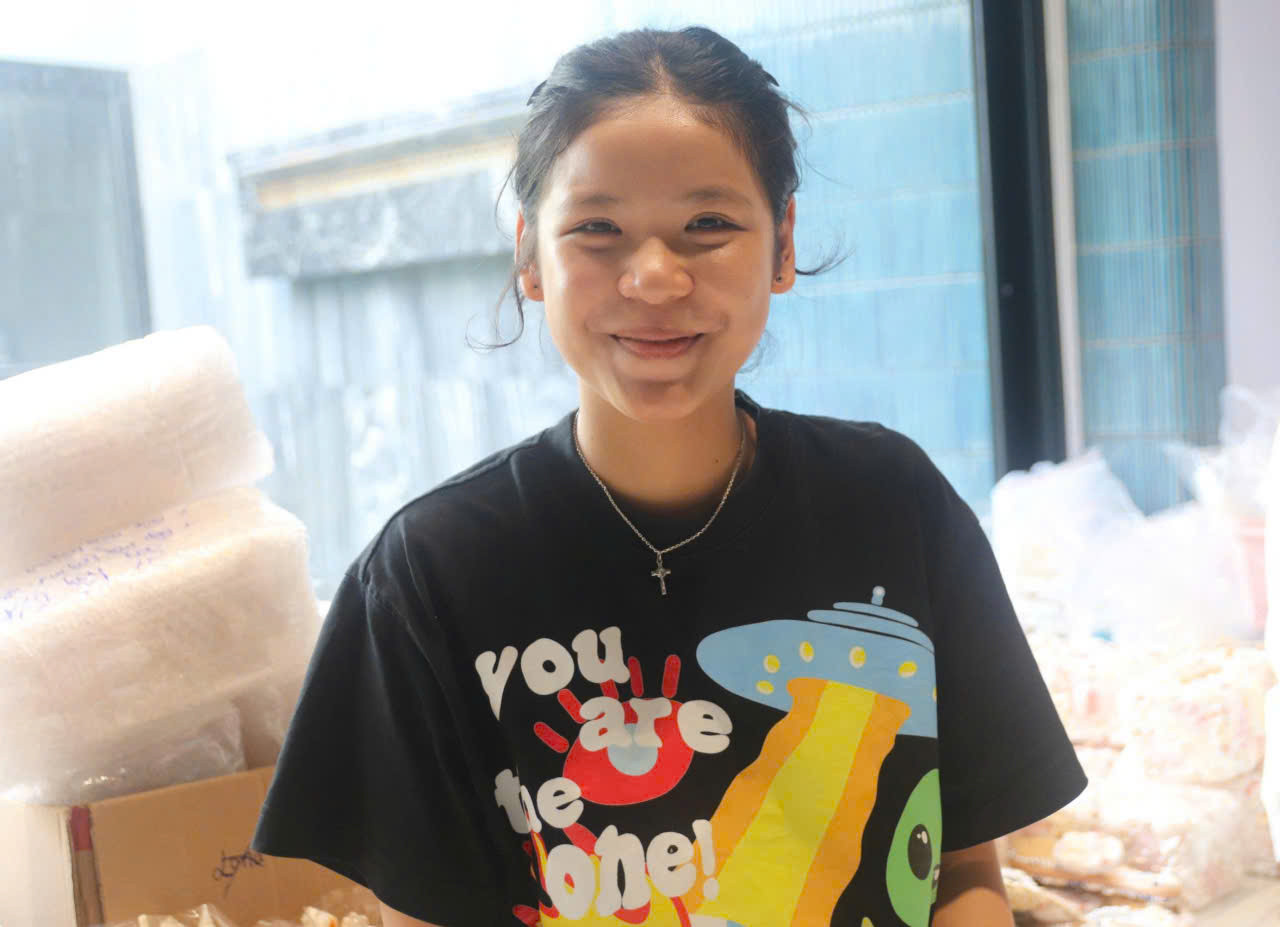
Sharing similar duties, Lan Anh noted that her parents fully support her part-time work. Beyond the monthly income, she feels much more mature, having learned patience by following work procedures and gained a deeper appreciation for the value of labor. However, she plans to take a temporary break after this month as she enters Grade 12 and wants to devote more time to her studies.
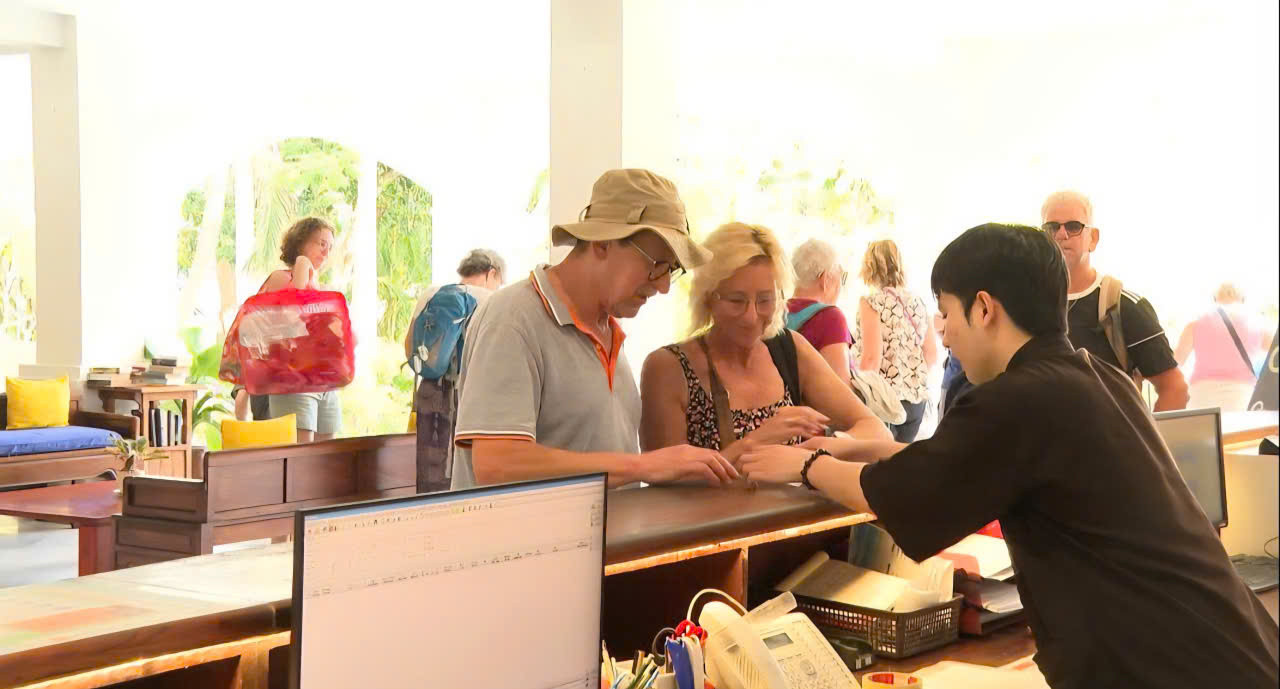
Experiences from work often stem from seemingly small fundamentals: punctuality, completing tasks on schedule, coordinating with other departments, and proactively handling unexpected situations. These are skills that cannot be fully acquired from textbooks alone. This is particularly true for Nguyen Minh Quan, a second-year tourism major. Working part-time at an accommodation facility offers a practical testing ground for classroom theories. Concepts like customer service or service quality, which might seem abstract in a lecture hall, quickly become concrete when dealing directly with a guest who needs a solution. "The job helps me better understand the profession, improve my communication skills, and teaches me how to conduct myself in a service environment. Such encounters also help me identify my strengths, boost my adaptability and self-confidence, and ultimately broaden my life experience."
More Than Just a Youth Trend
Part-time work as a way to learn and gain experience is not unique to Vietnamese youth. Deloitte’s 2025 Global Gen Z and Millennial Survey, which covered nearly 23,500 respondents in 44 countries, found that learning and development opportunities are among the key factors Gen Z considers when choosing an employer. Some 88% said they place a high value on on-the-job learning and practical experience.
The Organisation for Economic Co-operation and Development (OECD) has also noted that part-time work can help young people build skills, expand social networks and gain confidence as they explore career paths. At the same time, excessive work while still in school can affect academic performance.
For many young people, therefore, the value of a job lies not only in the income it brings but also in what they learn from it. Jobs unrelated to their field of study can still foster responsibility, teamwork and problem-solving skills, while work related to their major can help them test career choices and workplace fit at an early stage.
Part-time work can offer Gen Z valuable opportunities to learn, gain experience and grow. Its benefits, however, are greatest when the job suits a young person’s age, abilities and academic goals.
Most importantly, young people still need appropriate guidance and supervision from families, schools and employers to balance work and study. Part-time work is more than a passing trend; it can help young people better understand themselves, explore career options and prepare for the future.