

Lam Dong Education on the Path to Reform
From the major orientations set out in Resolution No. 71-NQ/TW to changes taking place in classrooms, education in Lam Dong is gradually transforming toward a modern, substantive approach centered on learners.
Innovation Begins in the Classroom
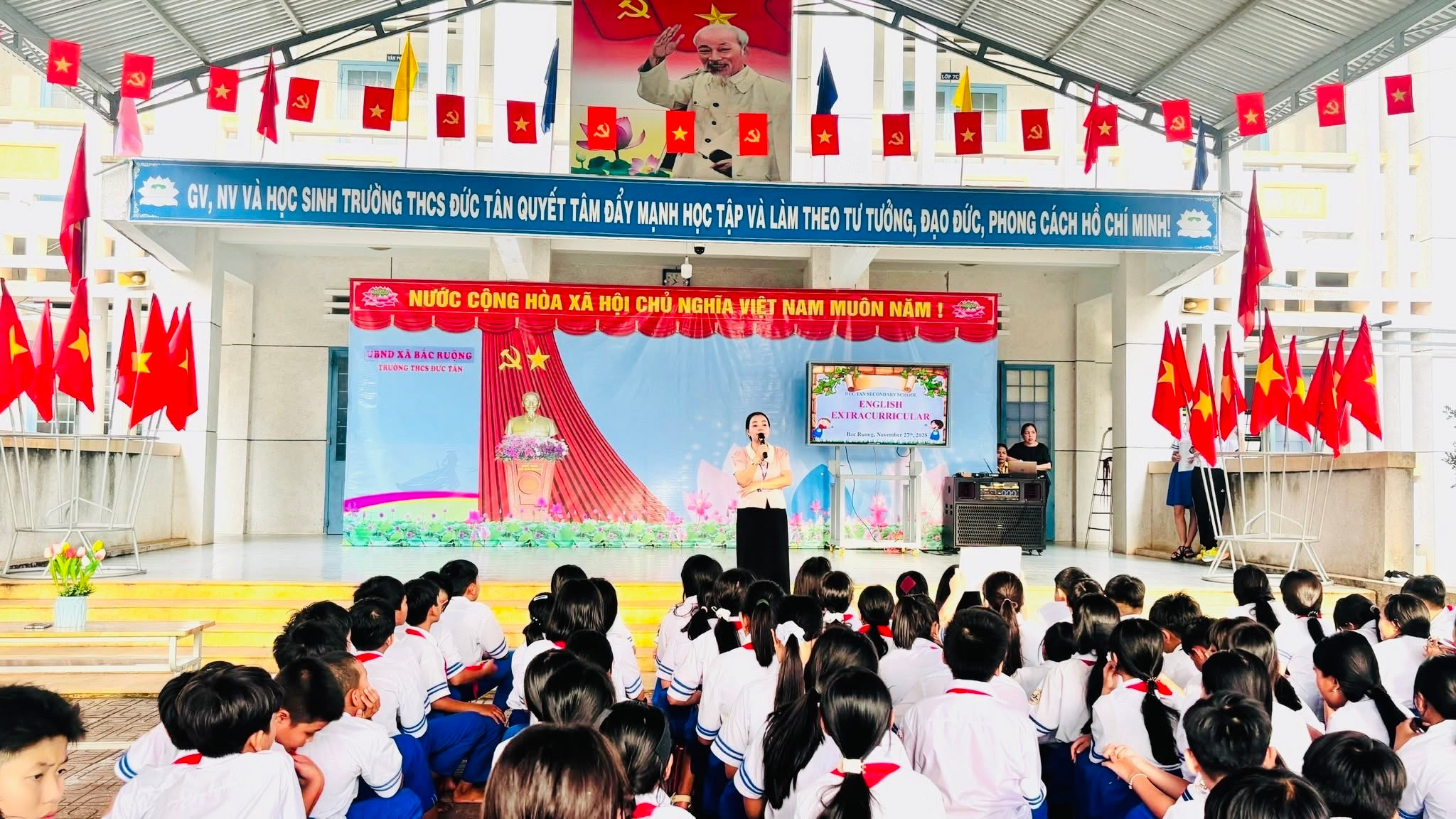
At Tran Phu High School in Da Lat, digital transformation has been identified as an important direction for renewing school governance and teaching methods. All classrooms are equipped with televisions; professional records are managed through VnEdu; and 100% of staff and teachers use digital signatures, with electronic academic records and gradebooks fully implemented.
In the classroom, teachers use tools such as Kahoot, Quizizz and Padlet to increase interaction with students, while developing and sharing lectures, videos, learning materials and question banks. Artificial intelligence (AI) is also being introduced to support lesson design, learning materials, question development and differentiated learning tasks.
At the provincial “Application of Information Technology and AI in English Language Teaching, 2025–2026” competition, two English teachers from the school won first prizes, marking a notable step in the school’s willingness to experiment and innovate.
Vũ Thi Que, Principal of Tran Phu High School, said “Digital transformation is no longer simply about using computers or software. It is gradually becoming a new way of working that effectively supports school management and teaching.”
Every policy and solution must ultimately aim to improve the quality of education and create the best possible environment for students to develop.
Nguyen Minh, Vice Chairman of the Lam Dong Provincial People’s Committee
While Tran Phu High School is making its mark through digital transformation and AI, Duc Tan Secondary School in Bac Ruong Commune has begun its reform journey by reorganizing learning time.
With 455 students, including those facing difficult family circumstances, the school has faced challenges in organizing two learning sessions a day in terms of staffing, facilities, timetables and educational activities.
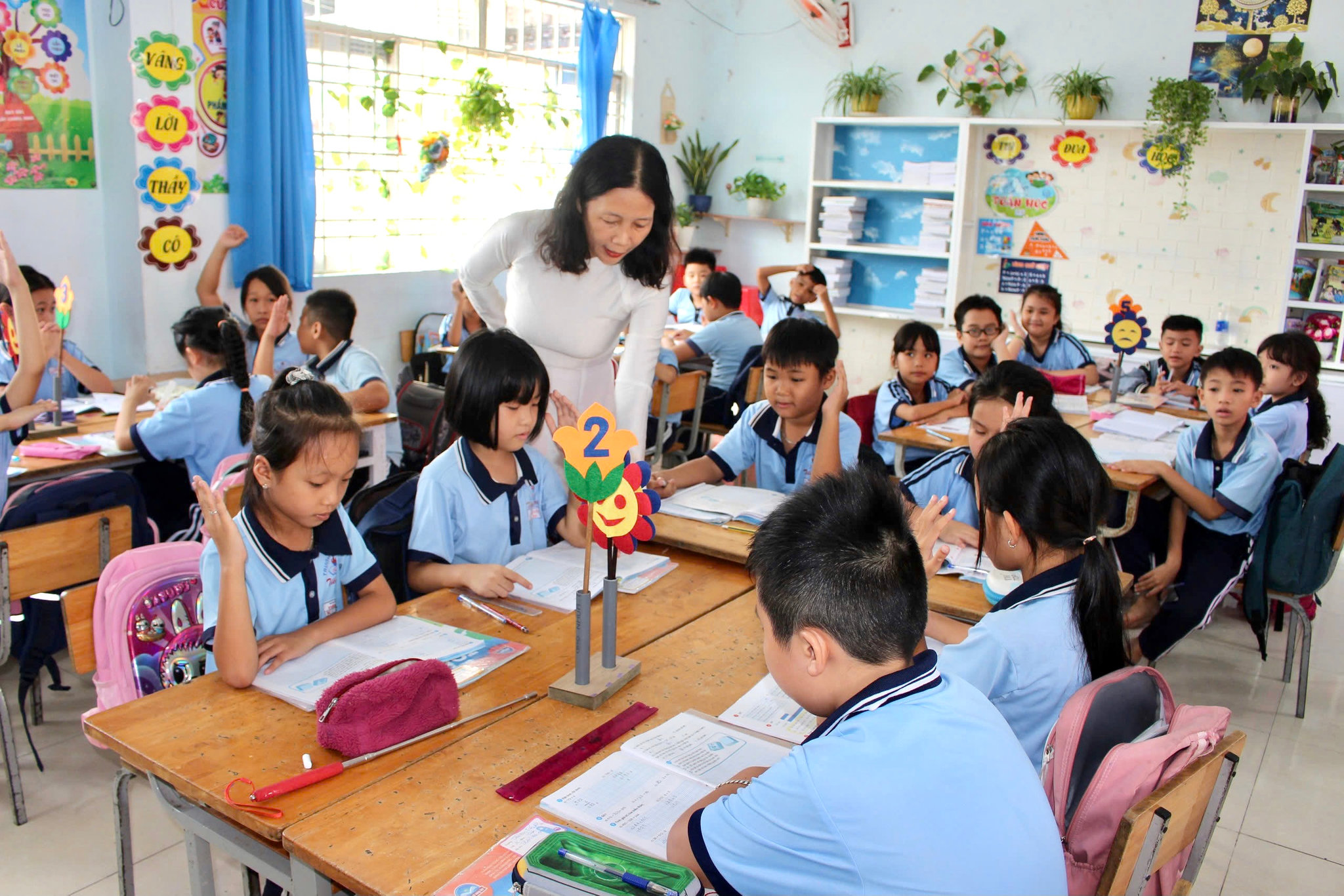
The school has chosen an approach that does not simply seek to “add more hours” but instead reorganizes learning time to meet students’ different needs.
“We determined that the second session should not be an extension of the first, and certainly should not become an ‘extra class.’ What matters is how to make that time more valuable for students, helping them improve, develop their abilities and discover their interests,” said Vo Van Chien, Principal of Duc Tan Secondary School.
During the 2025–2026 academic year, the school organized 240 remedial periods in Mathematics, Literature and English for students who had not met required standards. Higher-performing students participated in STEM activities, clubs, extracurricular programs, sports, arts, career guidance and life-skills education.
As a result, more than 67% of students achieved good or above-average academic performance, an increase of 8.8% from the previous academic year. Nearly 95% achieved good or above-average conduct ratings, while 100% completed the lower-secondary education program.
A Broad-Based Transformation Across the Education Sector
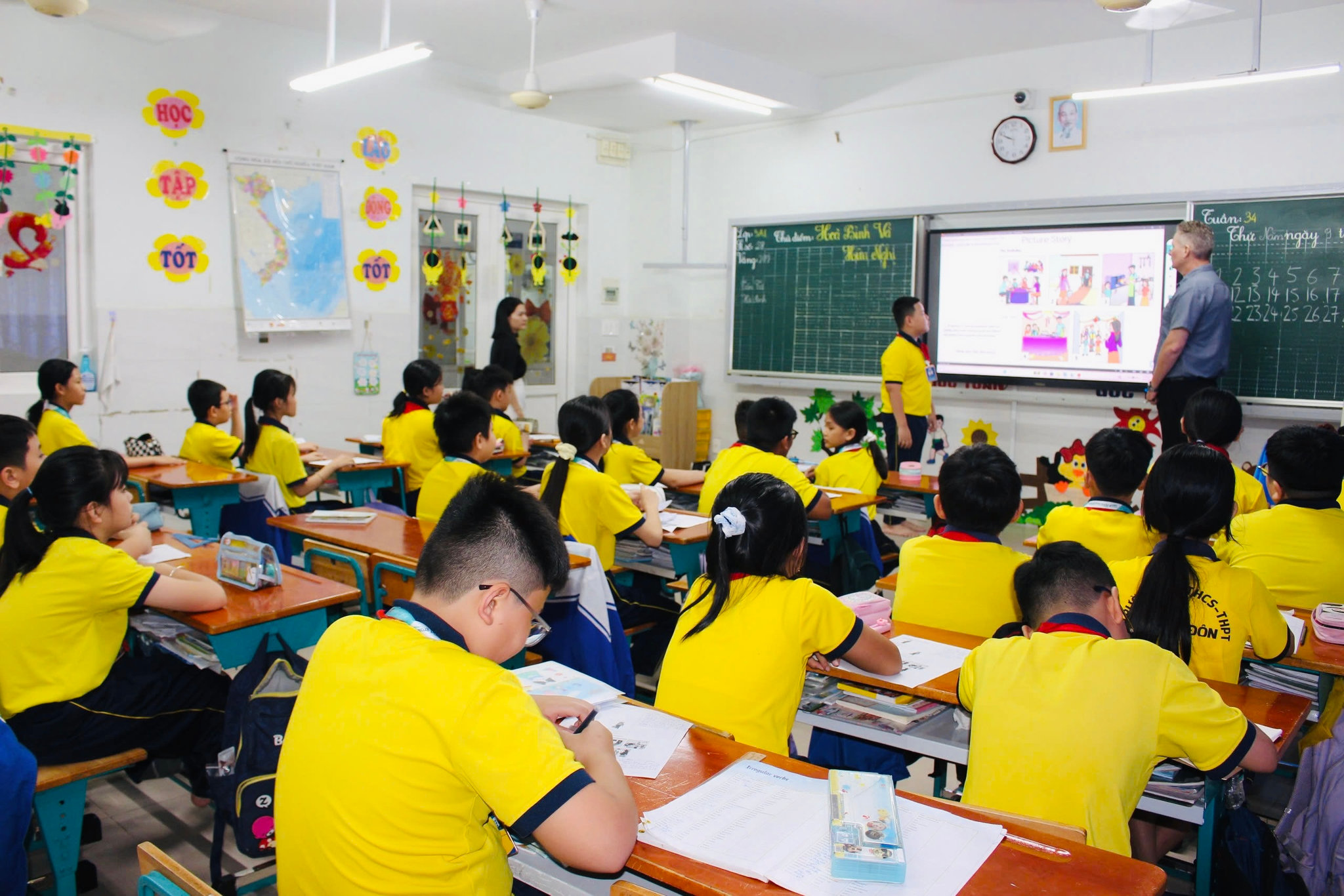
From innovative models at the grassroots level, education in Lam Dong is gradually undergoing broader transformation.
The province currently has 1,591 educational institutions, reduced to 963 following restructuring, with 25,799 classes. A total of 854 schools have achieved national standards.
All educational institutions are connected to the internet and use school management software. Lam Dong is also piloting AI education at 47 general education schools, while increasing attention to STEM/STEAM, foreign languages, life skills, experiential learning, career guidance and comprehensive education.
These developments reflect a broader understanding of education. Schools are no longer expected merely to transmit knowledge; they must also help students develop competencies, skills, qualities and adaptability, enabling them to confidently prepare for the future.
This is also the spirit of Resolution No. 71 of the Politburo, which seeks to create breakthroughs in education and training, improve human resource quality and build a modern, equitable education system that meets the country’s development requirements.
Nevertheless, the reform process still faces challenges that need to be addressed. Investment resources remain insufficient in some areas, while facilities and equipment in disadvantaged regions are still lacking. Teacher shortages also persist in certain localities.
Digital transformation, vocational education, student streaming, training partnerships and scientific research also require more appropriate and coordinated solutions.

At a recent conference reviewing the 2025–2026 academic year and implementing tasks for the 2026–2027 academic year, organized by the Lam Dong Department of Education and Training, Vice Chairman of the Provincial People’s Committee Nguyen Minh asked the education sector to continue effectively implementing Resolution No. 71 and other education policies and guidelines.
The sector must review existing programs and plans, clearly identify key and urgent tasks linked to specific timelines and deliverables, and ensure substantive implementation while avoiding formalism and fragmented efforts.
Education management and governance must also continue to be renewed, with greater emphasis on the accountability of leaders and the initiative and creativity of each educational institution.
Under the provincial leadership’s direction, education reform must begin with practical measures suited to the conditions of each locality. The restructuring of the school network must be carefully planned, alongside organizational consolidation, appropriate staffing and the selection of capable managers for the right positions.
At schools, reform efforts must continue to focus on teaching methods, testing and assessment, as well as the comprehensive development of students.
Alongside academic knowledge, greater attention is being given to moral education, physical development and life skills, while efforts continue to build safe and friendly learning environments and prevent school violence.
STEM, innovation, digital transformation and the safe application of AI are also being encouraged, gradually bringing new approaches into classrooms.