

Linking Destinations to Extend the Travel Experience
Each coastal locality in the eastern part of Lam Dong Province offers its own distinctive blend of marine landscapes, culture, cuisine and experiences. By connecting these individual attractions, destinations can be woven into seamless travel itineraries, expanding the tourism space and enhancing the region’s appeal to visitors.
Each Locality Has Its Own Strengths
The needs of tourists and travel patterns are evolving quickly. Modern travelers are seeking more than just a place to unwind; they aspire to immerse themselves in local culture, savor regional flavors, engage in leisure, entertainment and sports activities, and gain insights into the life of the community.
As a result, the challenge lies not just in attracting more visitors, but also in encouraging them to stay longer, spend more and return more often. Along the eastern coast, the locations of Mui Ne, Phu Thuy, Phan Thiet, Tien Thanh, and Hoa Thang are in close proximity, yet each area possesses its unique strengths.
Organizing a tourism linkage conference among localities is an effective and creative approach. Hopefully, in the coming time, the localities will continue to develop and introduce new tourism products, helping shape a destination image based on connectivity and diverse tourism offerings while enhancing the appeal and competitiveness of local tourism.
Ho Van Muoi, Member of the Party Central Committee, Deputy Secretary of the Provincial Party Committee and Chairman of the Lam Dong Provincial People's Committee, said at the conference on tourism linkages among five coastal localities in the eastern part of the province
This lays the groundwork for creating interconnected tourism routes that enhance one another rather than being utilized individually.
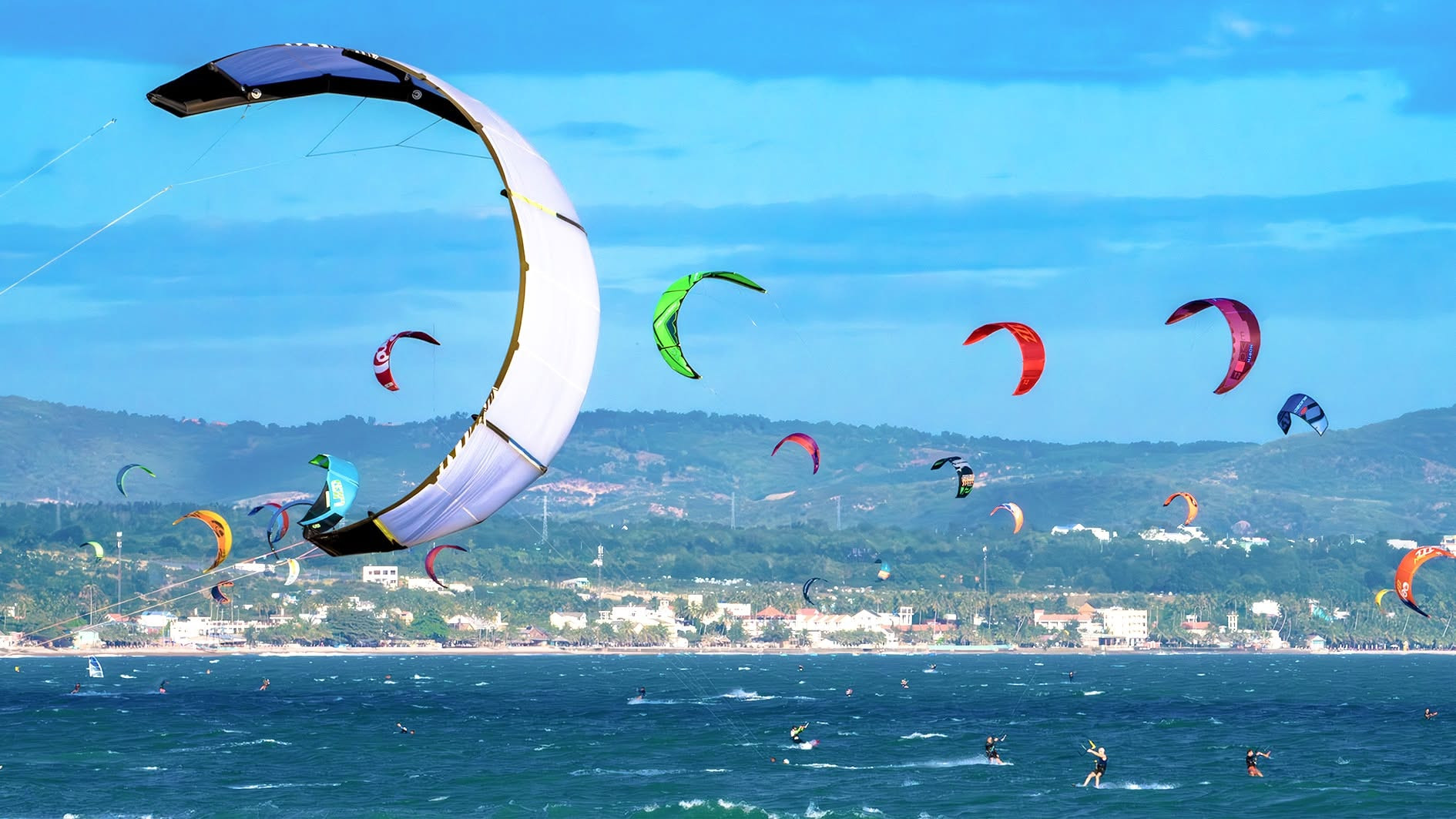
Mui Ne is well-known for its beach tourism, featuring a network of resorts, sand dunes, fishing villages, community-based cultural experiences, and water sports.
Phu Thuy has strengths in urban development, trade, services, shopping, entertainment, and its ability to connect with the central region.
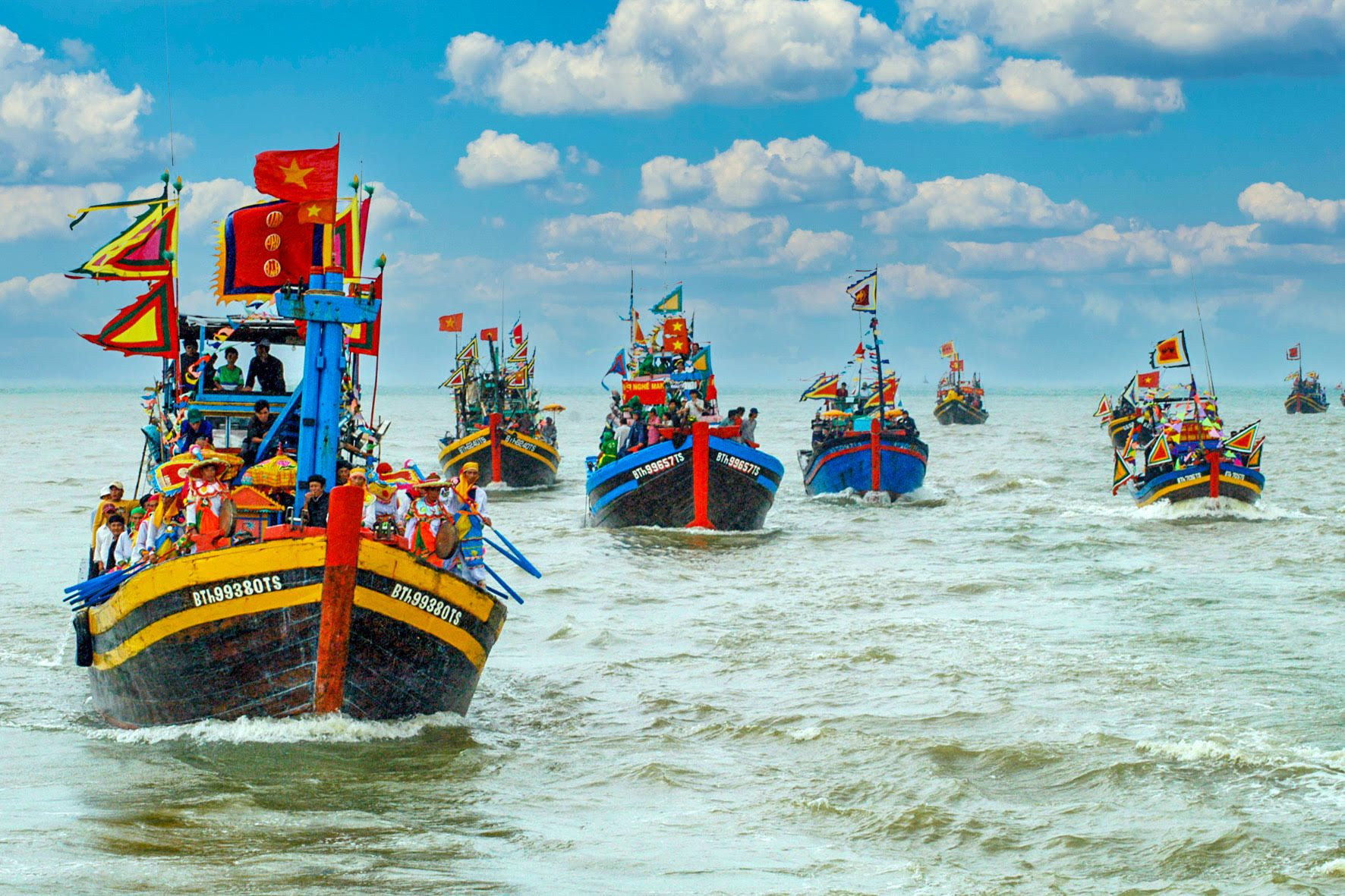
Phan Thiet is rich in historical and cultural significance, offering diverse cuisine, religious customs, and heritage linked to fishing communities.
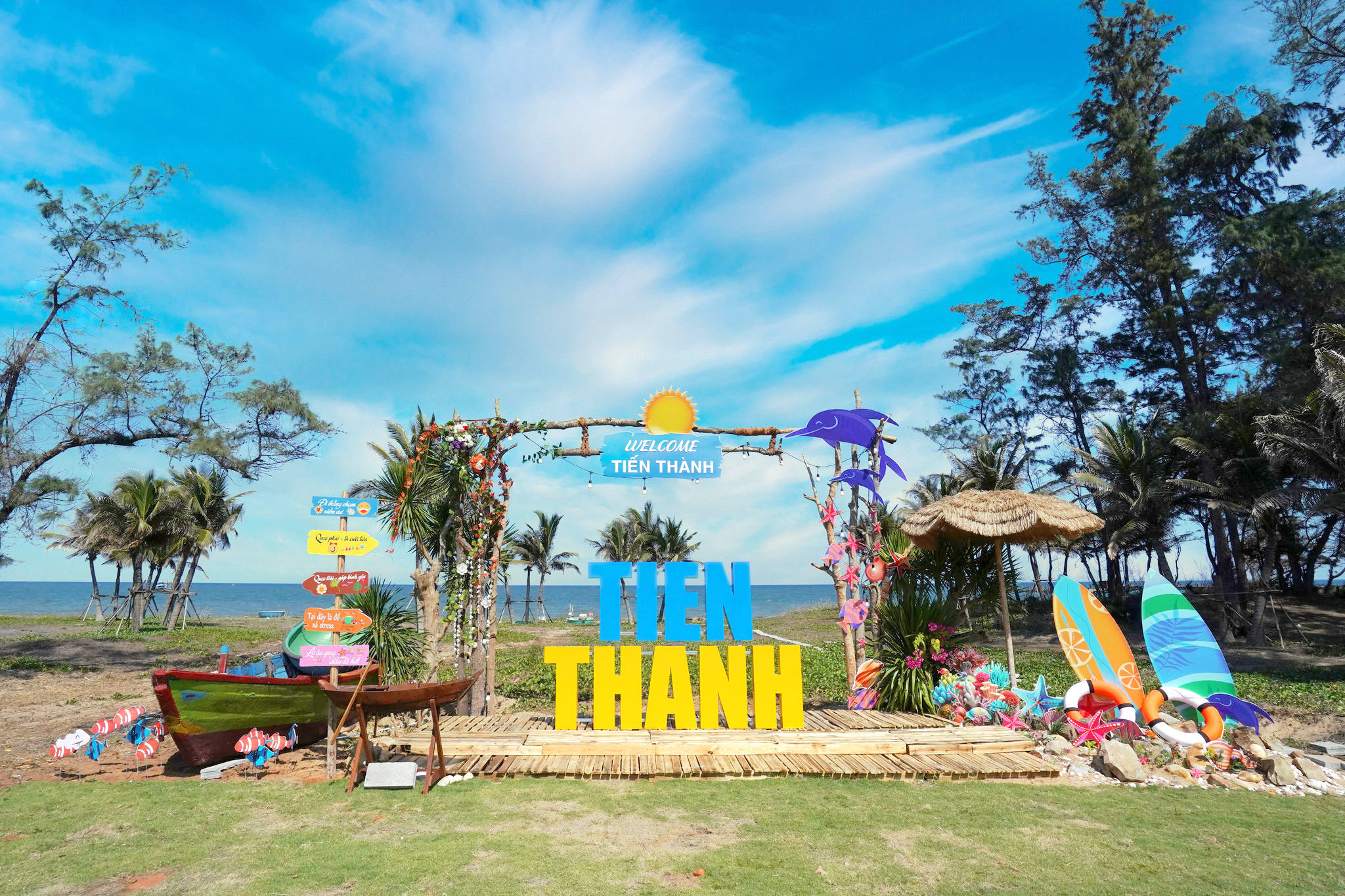
Tien Thanh is gradually emerging as a tourism and resort center that includes entertainment, events, and extensive services.
Meanwhile, Hoa Thang is characterized by unique natural landscapes that are ideally suited for experiential, exploratory, ecological, and adventure tourism opportunities.

Many travelers find that an itinerary that includes a broader variety of options is more appealing, particularly when the destinations are easily accessible.
Nguyen Thi Binh, a traveler from Hung Yen Province, expressed, “I appreciate trips that provide more than just leisure, enabling me to taste local dishes and immerse myself in the local culture. If nearby destinations were linked in a single itinerary, complemented by clear information and convenient transportation, I would gladly spend more time exploring”
Expanding the Travel Journey
As the needs of tourists grow more varied, establishing connections between destinations, tourism products, and services has become essential for enhancing the tourism sector. This was a significant topic at the recent conference titled “Linking Destinations - Connecting Products - Expanding Markets - Developing Sustainable Tourism,” held in Phu Thuy Ward.
During the conference, local officials, tourism operators, and professionals in the tourism industry collectively acknowledged that effective linkage must be realized through tangible offerings, such as products, tours, travel routes, collaborative marketing efforts, and cooperation among authorities, businesses, and local communities.
This process should also focus on enhancing service quality, promoting digital transformation, and giving more attention to the environment, landscapes, and tourism workforce.
An important aspect to consider is that connectivity involves more than just transporting visitors from one location to another. Its purpose is to inspire them to discover a variety of destinations within the same journey, stay longer and gain more from each trip. By transitioning from a perspective of “visiting a single destination” to “immersing in a complete series of offerings,” every region will have greater chances to showcase its unique advantages.
When attractions are linked into tours and travel itineraries and promoted together, the duration of visitors' stays and their spending are likely to rise.
Nguyen Van Nghi, Chairman of the Phu Thuy Ward People's Committee, noted: “Phu Thuy has pinpointed its goal as creating unique offerings such as night-time activities, local cuisine, shopping opportunities, pedestrian areas, entertainment, OCOP products, and cultural experiences. Additionally, we place significant emphasis on the environment, landscapes, public safety, and service quality, as these aspects play a crucial role in whether visitors choose to return.”
From the viewpoint of businesses and tourism professionals, the importance of connectivity becomes even more apparent during the process of serving travelers.
Phan Thi Phong, a representative of the Binh Thuan Tour Guide Association, remarked: “While guiding tours, I’ve observed that tourists are increasingly seeking itineraries that provide a variety of experiences instead of just visiting a single location and concluding their journey. Thus, linking the five coastal regions will create better opportunities for designing programs that cater to a wider range of visitors.”
If we develop separately, we may have many individual destinations. But when we connect these values, we can create a complete tourism journey and a more competitive tourism space.
Le Thanh Son, Chairman of the Mui Ne Ward People's Committee
In the meantime, Tran Van Binh, Chairman of the Mui Ne - Phan Thiet Tourism Association, emphasized: “It is essential that we adopt a collaborative mindset to develop an integrated tourism ecosystem. In this ecosystem, local authorities should act as facilitators connecting stakeholders and fostering a supportive environment; businesses are responsible for creating and managing tourism products, while communities contribute to delivering authentic experiences.”
When regions collaborate to create a unified narrative, each destination will not only highlight its distinct attributes but also become part of a larger exploration journey.
As a result, when travelers have additional motivations to visit, explore and stay longer, the benefits produced by tourism will extend to businesses, communities, and local residents.