

Lam Dong Pushes to “Green” Its Coffee Value Chain
With more than 328,700 hectares of coffee cultivation and output estimated at over 1 million tonnes, Lam Dong is home to one of Vietnam's largest coffee-growing regions. As international markets raise the bar on environmental, social and governance (ESG) standards, the province's coffee industry is gradually shifting away from a volume-driven model toward one built on sustainability, transparency and higher value for growers.
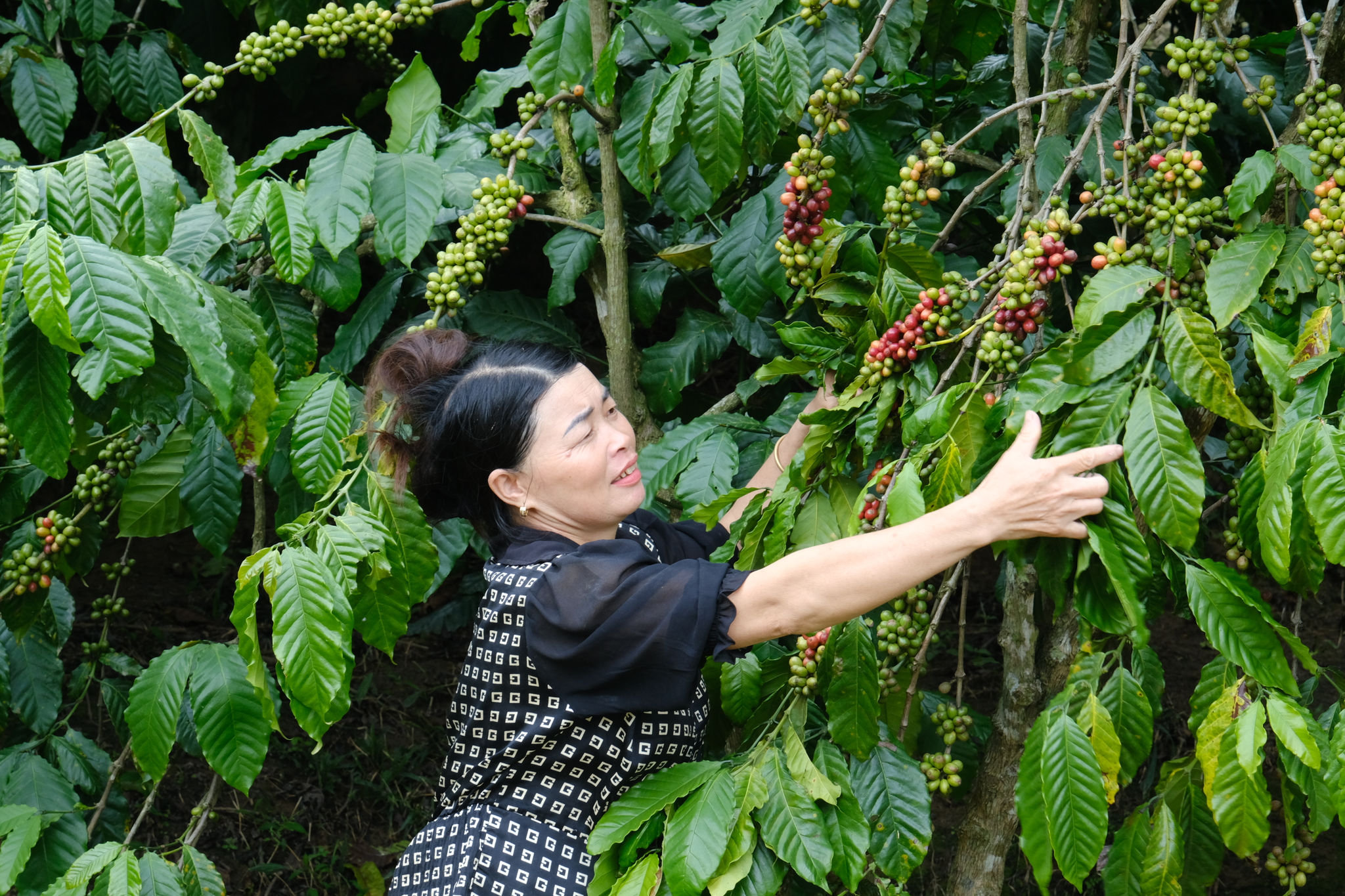
More Than a Story About Output
According to Ha Ngoc Chien, Director of the Lam Dong Sub-Department of Cultivation and Plant Protection, the province has about 328,732 hectares under coffee, meeting 100 percent of its annual plan and up 0.7 percent year on year, with roughly 82 hectares of new planting. The crop is currently in its fruiting stage. Output is estimated at 1,001,710 tonnes, up more than 11 percent from 2021 and the highest level on record.
The scale of production continues to affirm coffee's position in Lam Dong's agricultural economy, but it also raises new demands around quality and how growth is achieved. Standards covering green development, traceability, responsible production and data transparency are increasingly becoming prerequisites for accessing higher-standard markets. In particular, new European Union regulations such as the Deforestation Regulation (EUDR) are driving profound changes across the coffee supply chain.
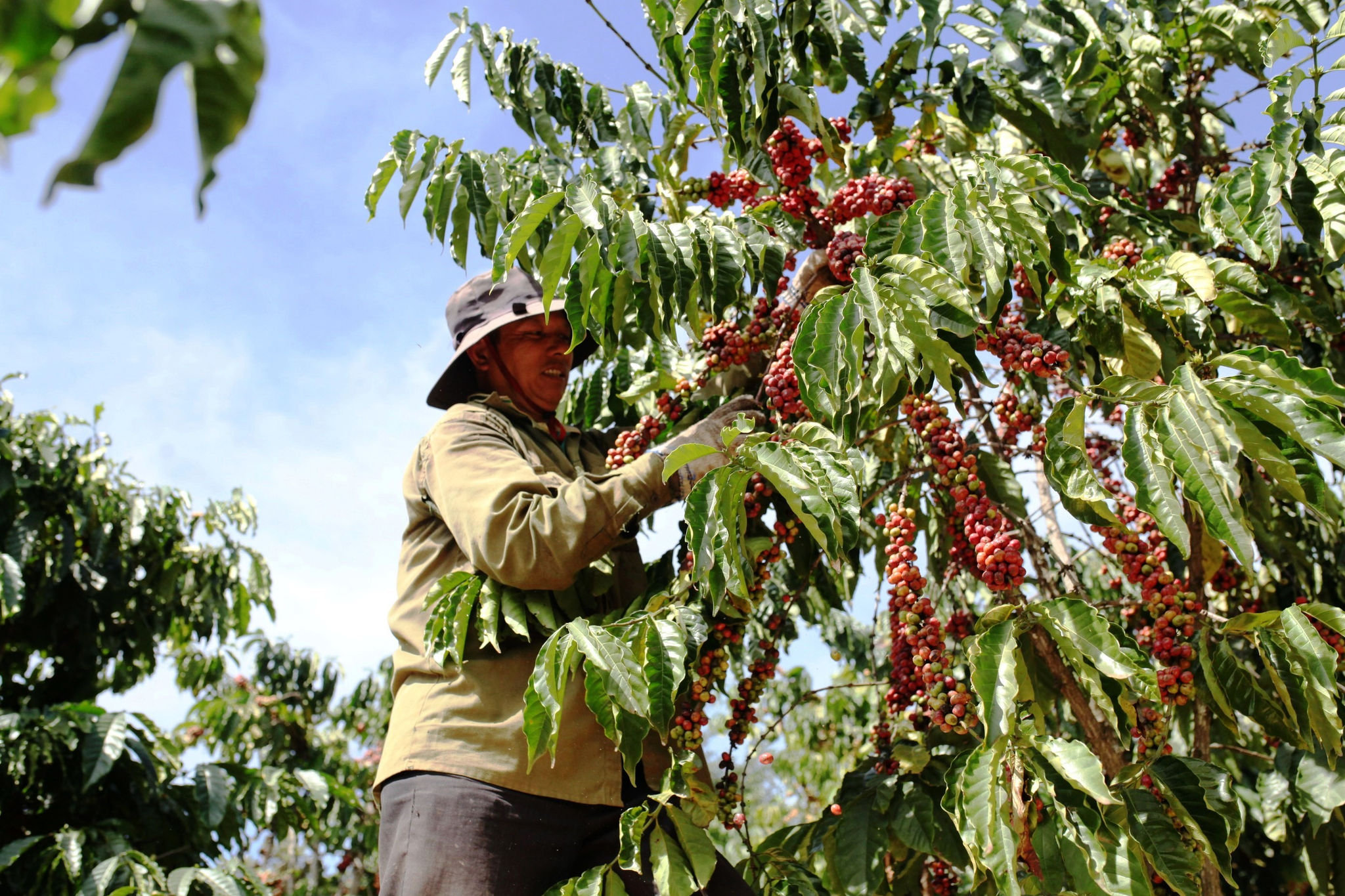
According to Ha Ngoc Chien, with the province's coffee area now exceeding 328,000 hectares, the story is no longer just about how much is produced.
What matters isn't just how many tonnes of coffee we produce, but how it's produced, and how responsibly, toward the land, the environment, growers and the market. Now that output has reached its highest level ever, the next step has to be raising quality and value on every hectare under cultivation.
Ha Ngoc Chien, Director of the Lam Dong Sub-Department of Cultivation and Plant Protection
That means Lam Dong's coffee industry must move toward ESG standards — a framework used to measure and evaluate the sustainability and impact of agricultural production and business across three core dimensions: environmental, social and governance. Under this approach, ESG practices need to begin at the farm level, through concrete steps such as the rational use of water, fertilizer and pesticides; protecting soil and water sources; reducing environmental impact; safeguarding workers' rights; and strengthening record-keeping, data management and traceability.
"For ESG to become substantive, it has to start on the coffee farm — in how farmers tend their trees, use resources and keep records and manage production. Only when every household and every cooperative does its part well can the whole coffee chain develop sustainably," Chien said.
Turning Responsibility Into Value
Along with Son La, Lam Dong is one of two localities chosen to implement the "Enhancing the Value and Sustainable Development of Vietnam's Coffee Industry" project (SCE), which aims to promote ESG practices over the 2026-2029 period.
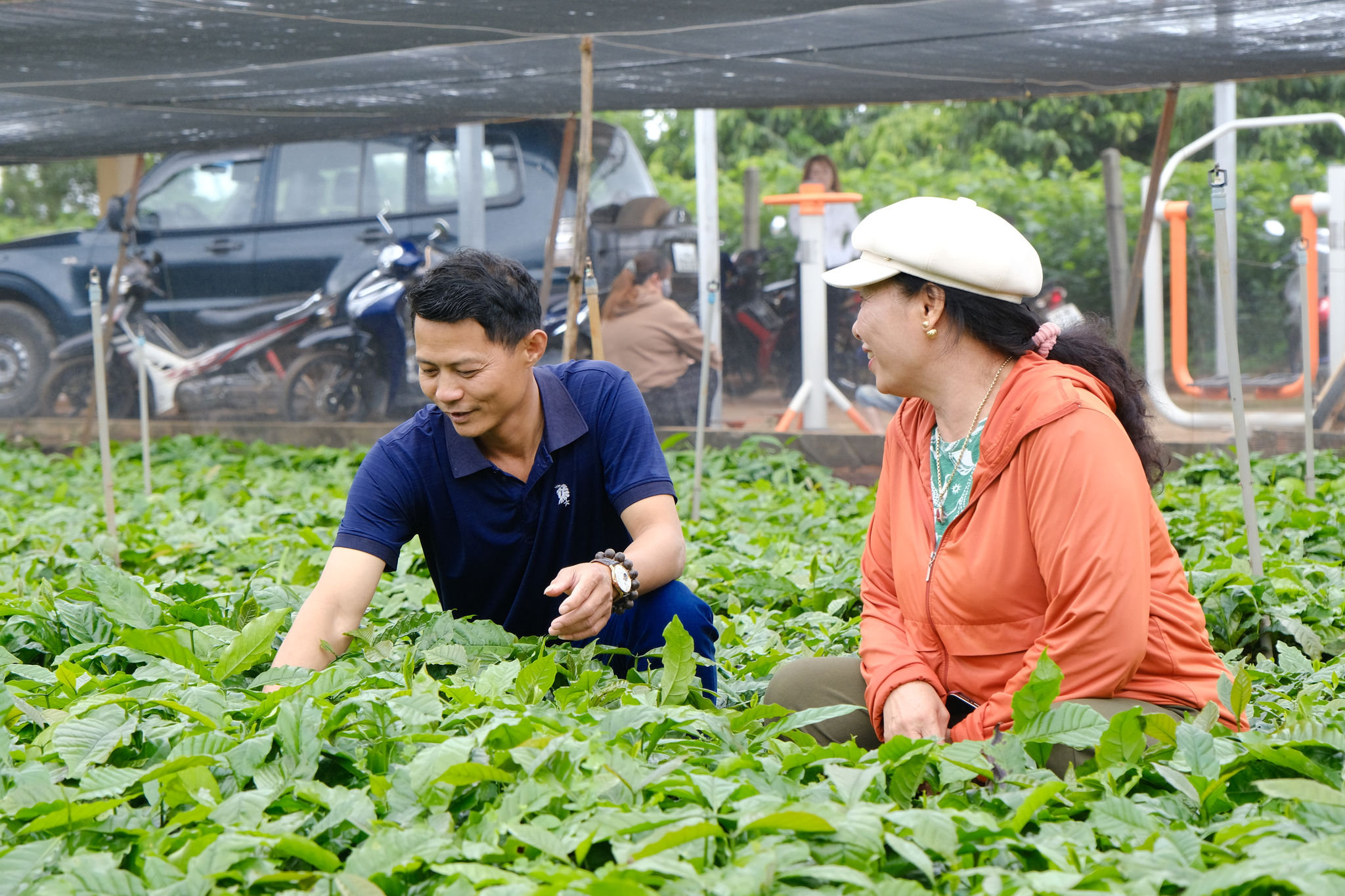
The project supports 65 micro, small and medium-sized enterprises, industry associations, social organizations and mass organizations across the two provinces. It is developing ESG tools, providing advisory and technical support, building an online ESG Resource Center, connecting investment, and fostering dialogue among stakeholders across the coffee value chain.
By 2029, the project aims to train 40 businesses, cooperatives and industry associations, along with 25 social and mass organizations, on ESG practices, with 40 percent of participating businesses expected to apply ESG toolkits and build action plans. It also targets having 75 percent of participating businesses and cooperatives adopt and improve their ESG practices.
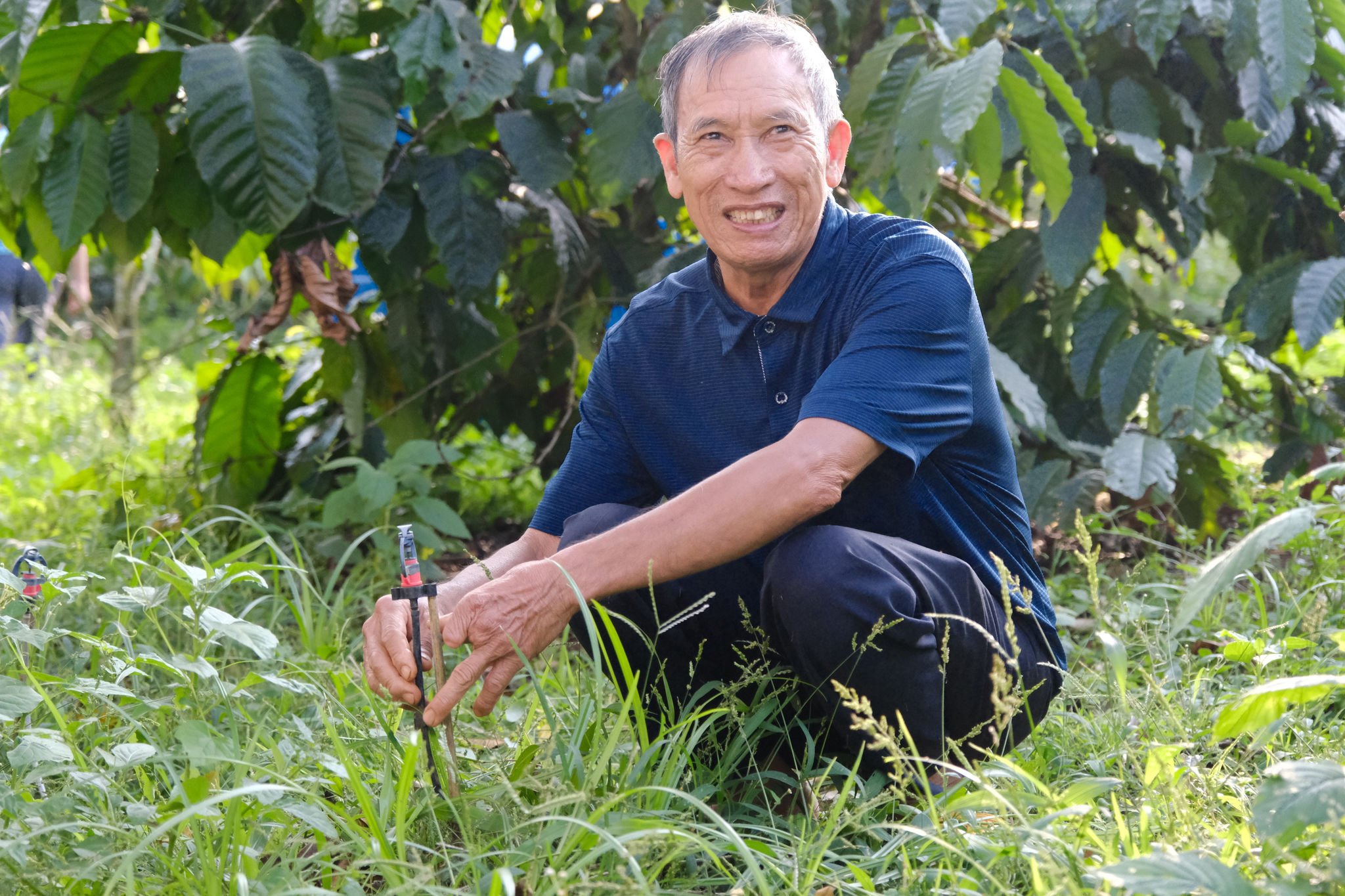
Notably, ESG is no longer viewed merely as a compliance requirement but is increasingly seen as a new source of competitiveness. Measurable ESG improvements are expected to open up greater access to green credit, sustainable investment and higher-value procurement arrangements.
From an industry management standpoint, Ha Ngoc Chien said the transition needs to be made concrete enough for producers to understand, implement and see the benefits of.
"You can't ask farmers to change their practices based on concepts that are too far removed from the realities of production. ESG has to be translated into things people can understand, that they can act on, and — importantly — that they can see benefiting them. It's only when coffee growers realize that saving water, using inputs correctly, protecting soil, keeping records and following procedures not only protect the environment but also open the door to higher product value that ESG truly takes root in practice," Chien said.
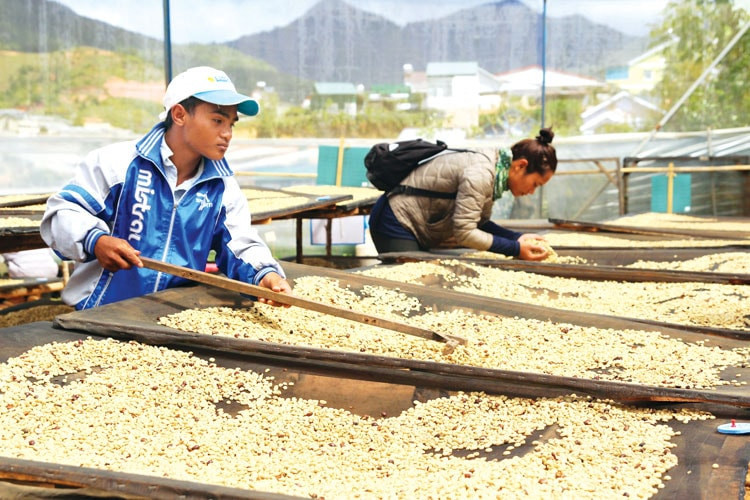
Chien said an effective transition requires a strong, connected chain: management agencies setting direction and providing support; businesses leading the market; cooperatives reorganizing production; and farmers implementing the practices on the ground.
Echoing that view, Doan Manh Trinh, owner of a major coffee exporting company in Nam Ban Lam Ha commune, said that with more than 328,000 hectares under coffee, every shift in farming practices in Lam Dong can have a major impact on the environment, livelihoods and product quality.
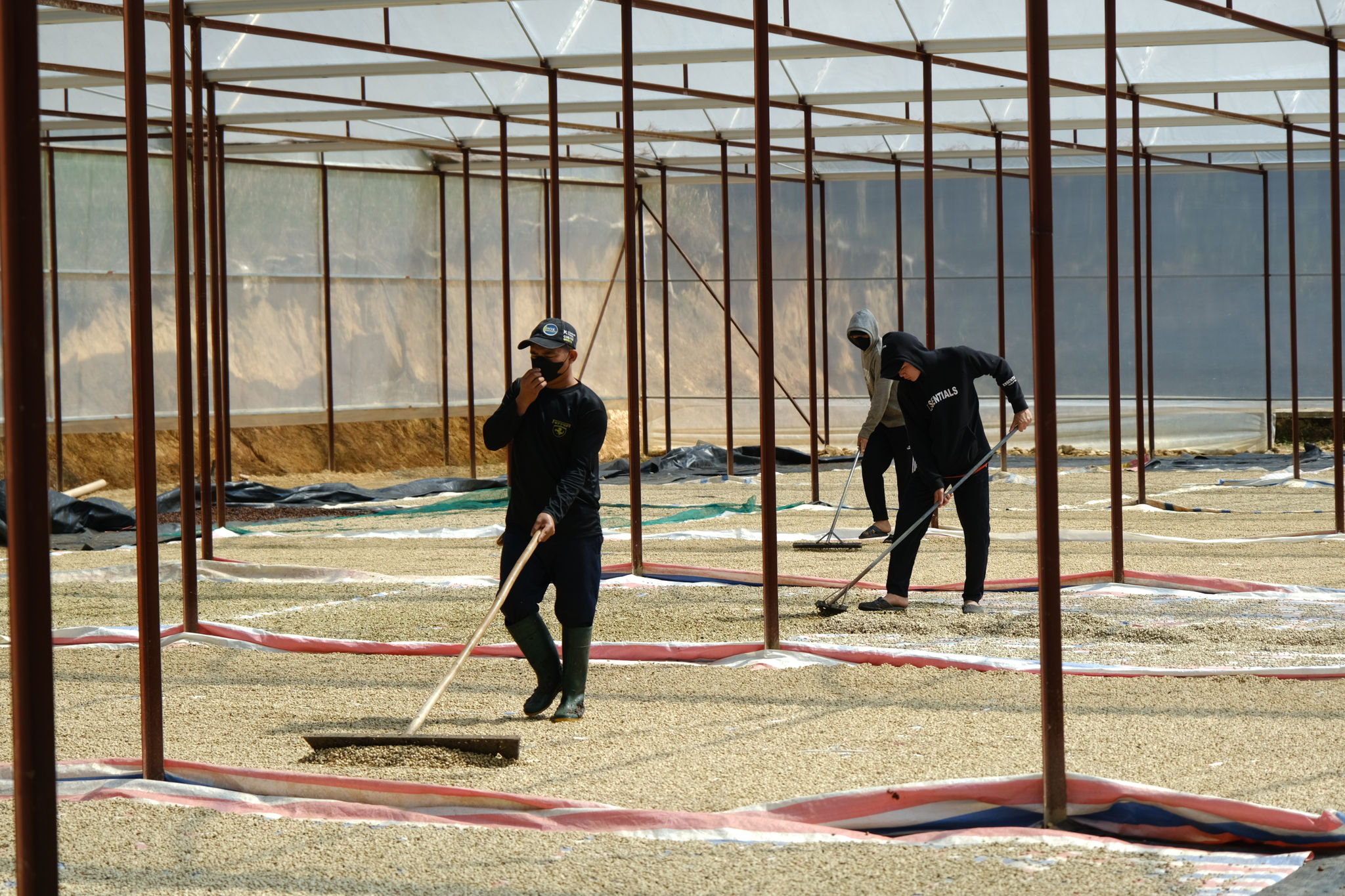
As a result, the ESG transition needs to be carried out in a coordinated way — from building data on growing areas and traceability to resource management, reducing environmental impact and strengthening social responsibility. This is also the foundation the coffee industry needs to meet the rising demands of international markets.
At the same time, Lam Dong already has a substantial foundation in terms of growing area, output and coffee production experience. The question now is how to turn that foundation into a new source of strength. ESG is one of the pathways to doing that: producing more efficiently, more responsibly, and generating more sustainable value for coffee growers.
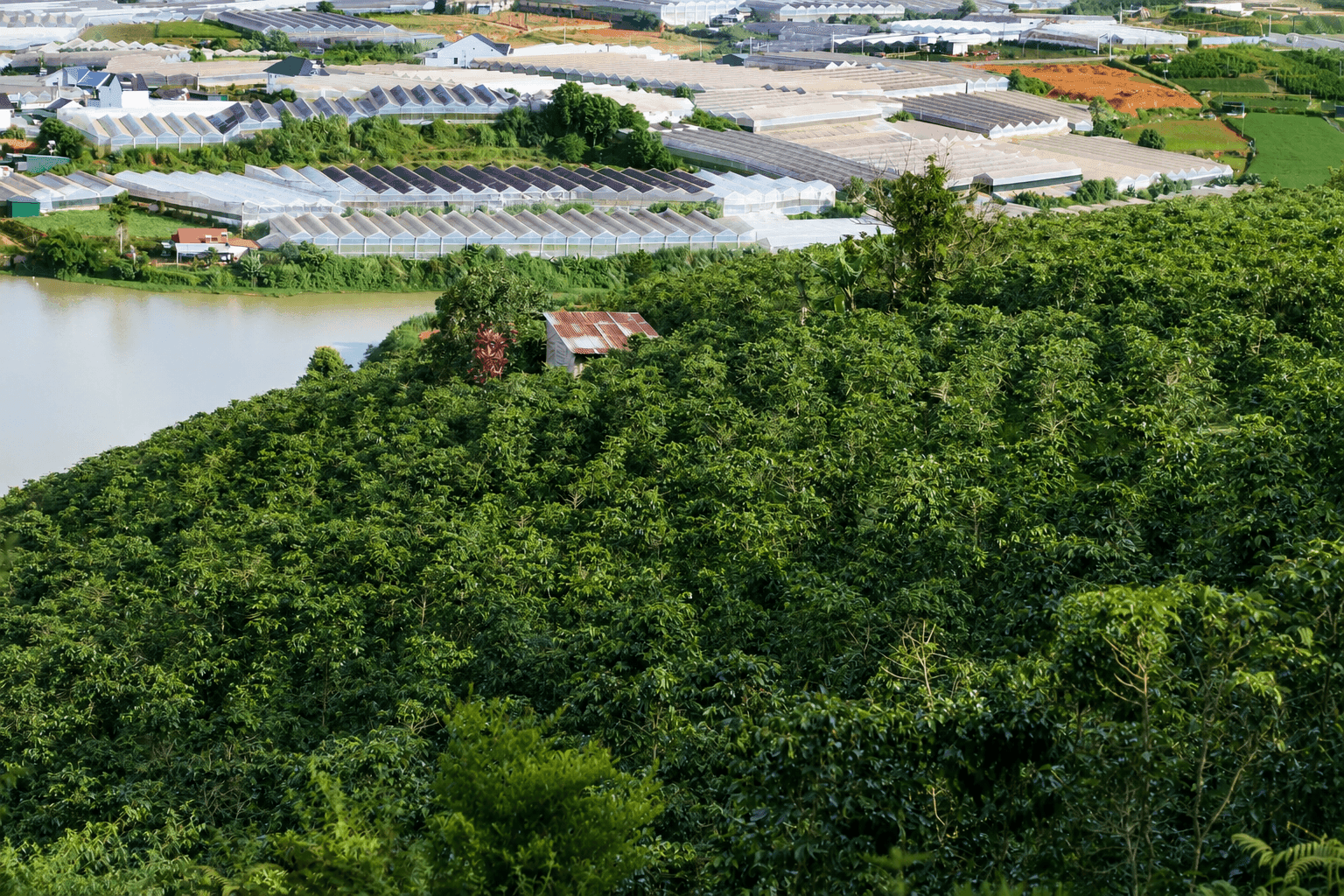
From gardens where the fruit is still ripening, the value of Lam Dong's coffee beans in the future will be measured not only by yield or output, but also by origin, environmental responsibility, treatment of workers, and the transparency of the entire value chain.
As ESG becomes embedded in how coffee is grown and traded, it will serve as a driving force for Lam Dong to raise quality, add value, meet the market's new "rules of the game," and grow more sustainably.