

Promoting the Green Energy Economy in Western Lam Dong
According to Power Development Plan VIII, Lam Dong has significant potential for developing wind power, solar power and other forms of new energy.
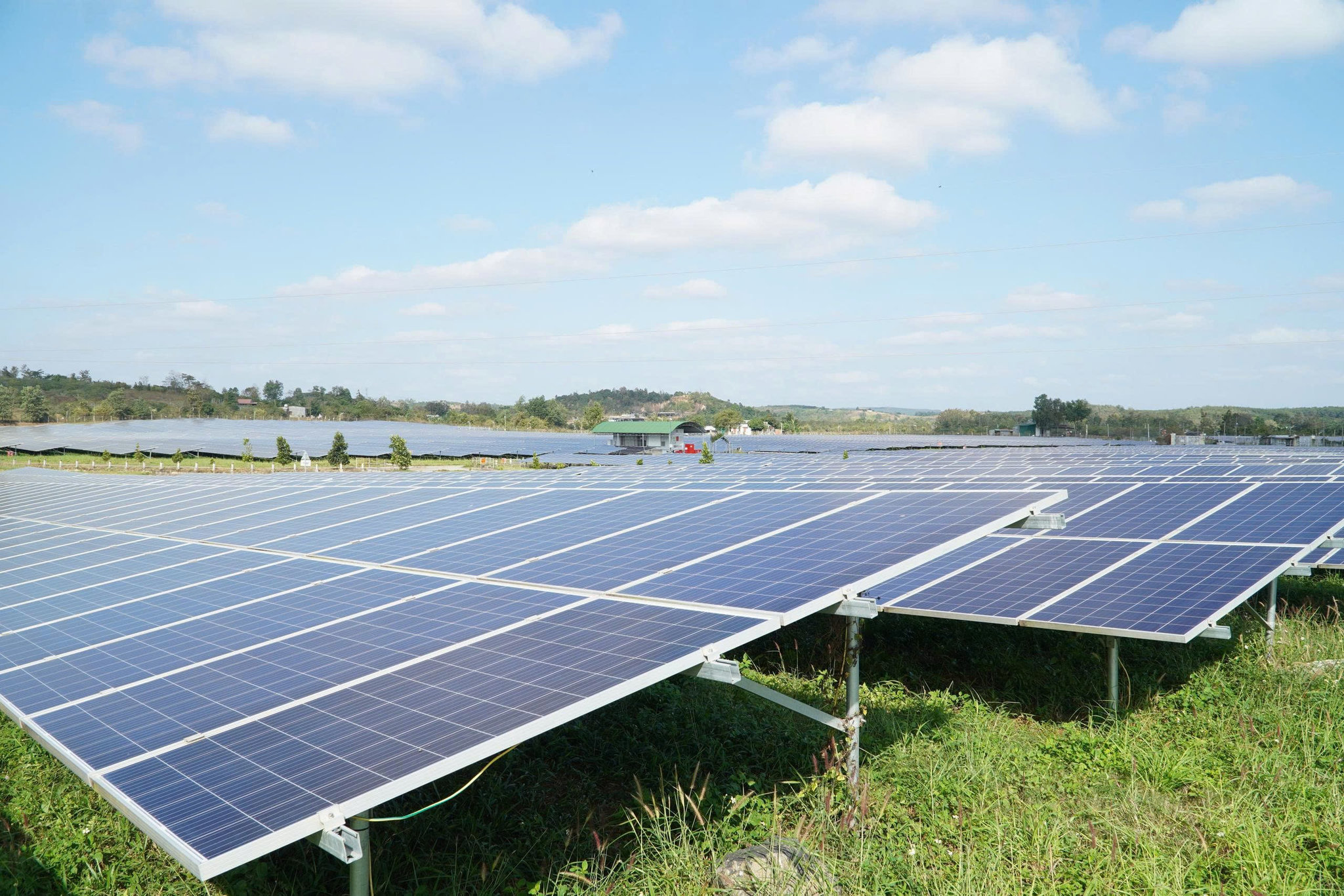
Cu Jut Commune currently hosts 38 rooftop solar energy projects that support agricultural activities, alongside two solar power facilities with a total capacity of 136 MWp. In the first half of the year, the renewable energy sector significantly boosted the local industrial and handicraft industries, with a total estimated value exceeding VND 900 billion.
Ngo Quoc Phong, Chairman of the Commune People’s Committee, stated that solar energy represents one of the area's key advantages, offering substantial potential for further expansion. It has played a vital role in driving economic growth while also contributing to national energy security. The Commune People’s Committee plans to continue working closely with relevant authorities to tackle the challenges and barriers faced by solar energy investment initiatives.
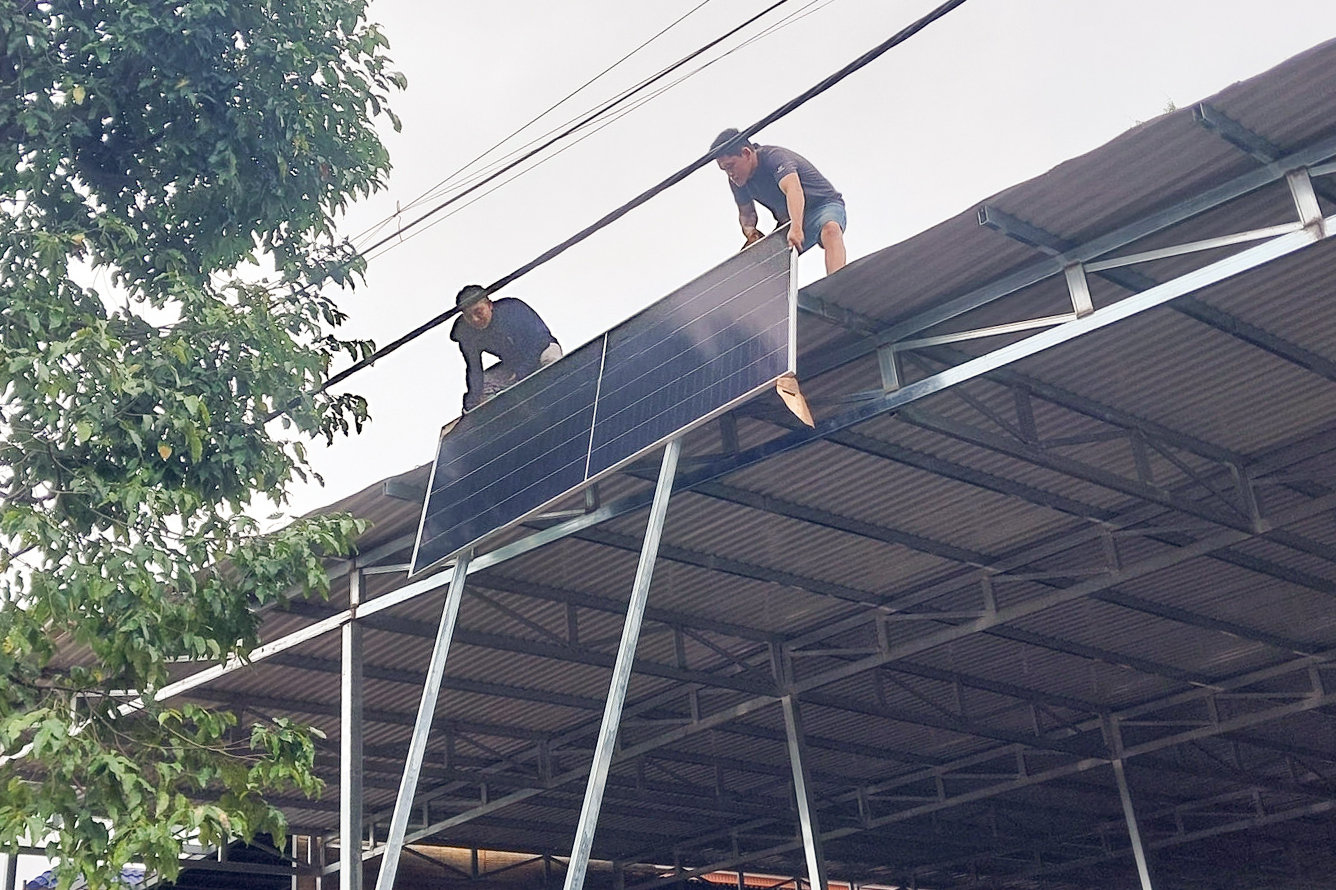
In Dak Mil Commune, Nguyen Tang Hung from Bac Son Village mentioned that his family has run a livestock farm for many years, with a rooftop solar power system covering thousands of square meters.
This system has provided numerous advantages, especially by ensuring a steady energy supply for livestock operations and the daily needs of workers at the farm. During times of extreme heat, having a self-sufficient energy source has notably lowered production costs and ensured the safety of livestock breeding.
According to Nguyen Quoc Dung, Chairman of the Dak Mil Commune People’s Committee, every household in the commune now has access to the national power grid. Nevertheless, further investment is required in certain areas to support socio-economic development, especially in remote areas and in newly formed concentrated production zones.
Therefore, in addition to the national power grid infrastructure, the local government is promoting investment in solar energy in appropriate areas and locations to broaden energy sources and encourage the growth of renewable energy.
In addition to Cu Jut and Dak Mil, the 28 communes and wards in western Lam Dong possess significant potential for solar energy and other forms of green energy. Many localities have outlined pathways in their development plans that correspond with the larger strategy for energy development, which aids in realizing their potential and fostering new opportunities within the energy sector.
In recent years, the communes and wards in western Lam Dong have promoted a green energy economy through various initiatives. These efforts include integrating green energy development into official resolutions and growth plans, encouraging the use of rooftop solar energy and solar-powered street lighting among residents, and proactively tackling the challenges and obstacles associated with energy projects in their regions. Local authorities have also played a role in attracting investment to energy projects.
Under the Decision on the adjustment of the Lam Dong Provincial Planning for the 2021–2030 period, with a vision to 2050, the province aims to develop energy infrastructure and power supply networks in an integrated manner, ensuring coordination between power sources, the power grid and technical infrastructure to meet the requirements of high economic growth and ensure energy security.
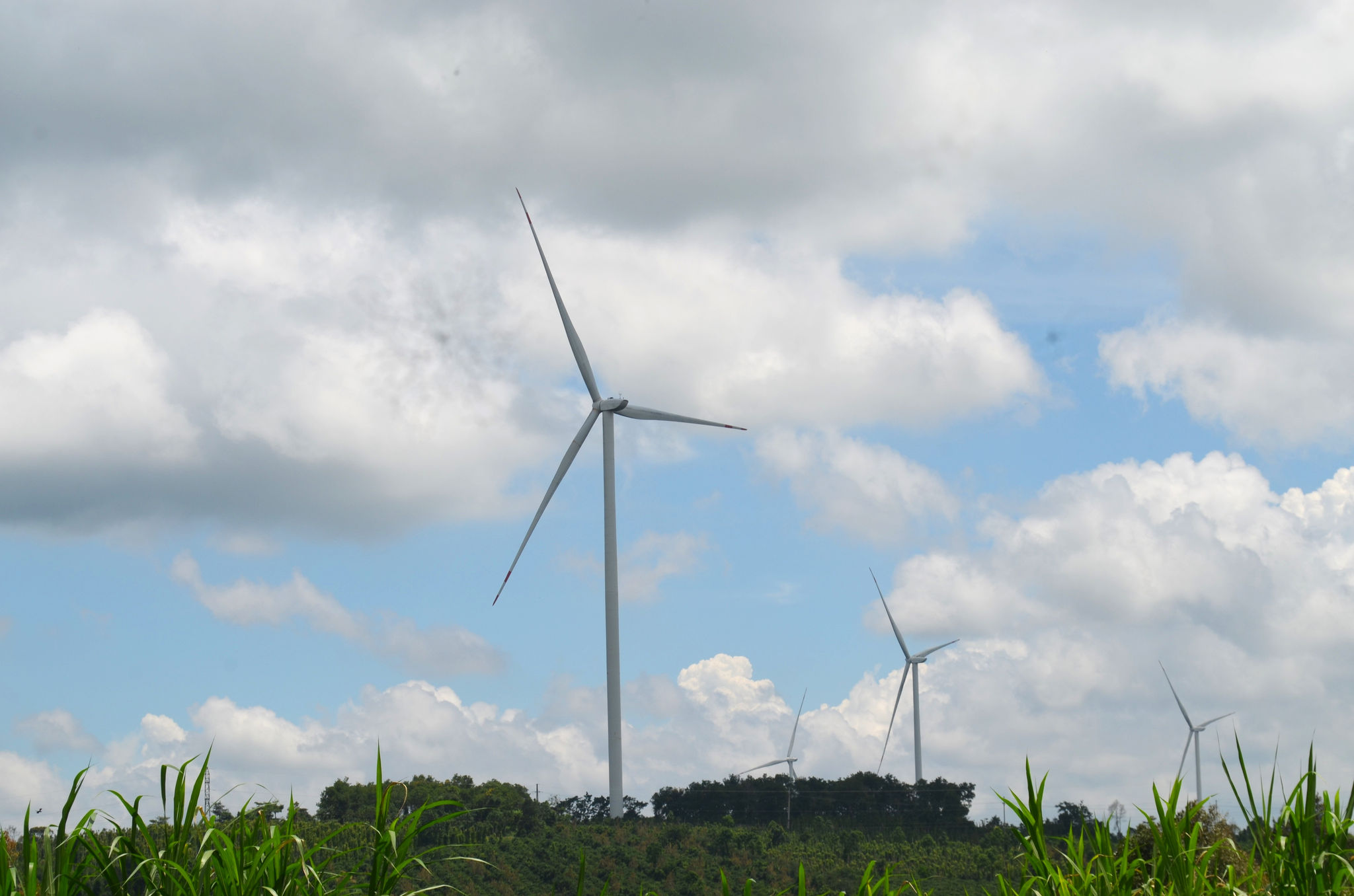
Accordingly, the province is accelerating the development of various forms of power generation, particularly renewable energy sources such as wind power, solar power, biomass power and green hydrogen/ammonia.
Lam Dong is prioritizing investment attraction and the development of renewable energy projects in line with the grid’s capacity to absorb and evacuate power. The province is also encouraging the development of wind power, solar power and rooftop solar systems under self-generation and on-site self-consumption models.