

Lam Dong Education Sector Steps Up Digital Governance Using Population Data
As part of the implementation of Project 06 on developing applications based on population data, identification and electronic authentication, the Lam Dong education sector is stepping up the use of data in management and admissions, integrating digital school records and equipping students with digital skills.
.jpg)
Linking Data to Reduce Paperwork
As of September 2026, the education database of Lam Dong on the VnEdu platform has been integrated between the Department of Education and Training and general education institutions, and it is also connected to the national database overseen by the Ministry of Education and Training.
The system provides updated information regarding schools, classes, officials, teachers, students, curricula, and facilities. Data for students and teachers have been standardized and are linked to their personal identification numbers, which helps to minimize duplicate entries and enhances the convenience of information verification.
.jpg)
A significant accomplishment is that Lam Dong has successfully synchronized digital school records with the Ministry of Education and Training's information platform, achieving a rate of 99.18%, which is 18.4 percentage points higher than the assigned goal. This outcome was noted during the education sector's 100-day initiative launched in August 2026 aimed at overcoming challenges in digital transformation.
Phan Thanh Hai, Deputy Director of the Department of Education and Training, stated that utilizing population data has allowed the sector to expedite student admissions and the verification of documents. Information from the national population database is progressively being used instead of requiring parents to complete forms and resubmit paperwork.
Consistently updated information also aids the education sector in conducting statistical analyses, making forecasts, and managing operations.
Additionally, the department is collaborating with the provincial police and the Public Administration Service Center to assess and standardize data concerning diplomas and certificates, while incorporating personal identification numbers for students in anticipation of integrating electronic documents into VNeID.
When the systems are fully aligned, verifying academic qualifications will be easier, thereby minimizing the time and paperwork needed for administrative processes.
Bringing Digital Skills into Schools
In addition to the digitalization of administration, the education sector in Lam Dong is focusing more on equipping students with digital competencies.
In line with the Digital Competency Framework for Learners outlined in Circular No. 02/2025/TT-BGDDT, the Department of Education and Training has trained all education managers and teachers and has guided educational institutions to incorporate digital citizenship themes into their teaching and educational activities.
.jpg)
According to Nguyen Vu Minh Tu, Principal of Bao Loc High School for the Gifted, students are being taught how to use technology safely, safeguard their personal information, engage in responsible online behavior, recognize misinformation, and steer clear of online fraud. Students are also encouraged to use open educational resources and digital libraries to enhance their learning.
Consequently, Project 06 in the education sector has evolved beyond merely digitizing records and administrative processes. It now also focuses on data management and the development of digital skills among students.
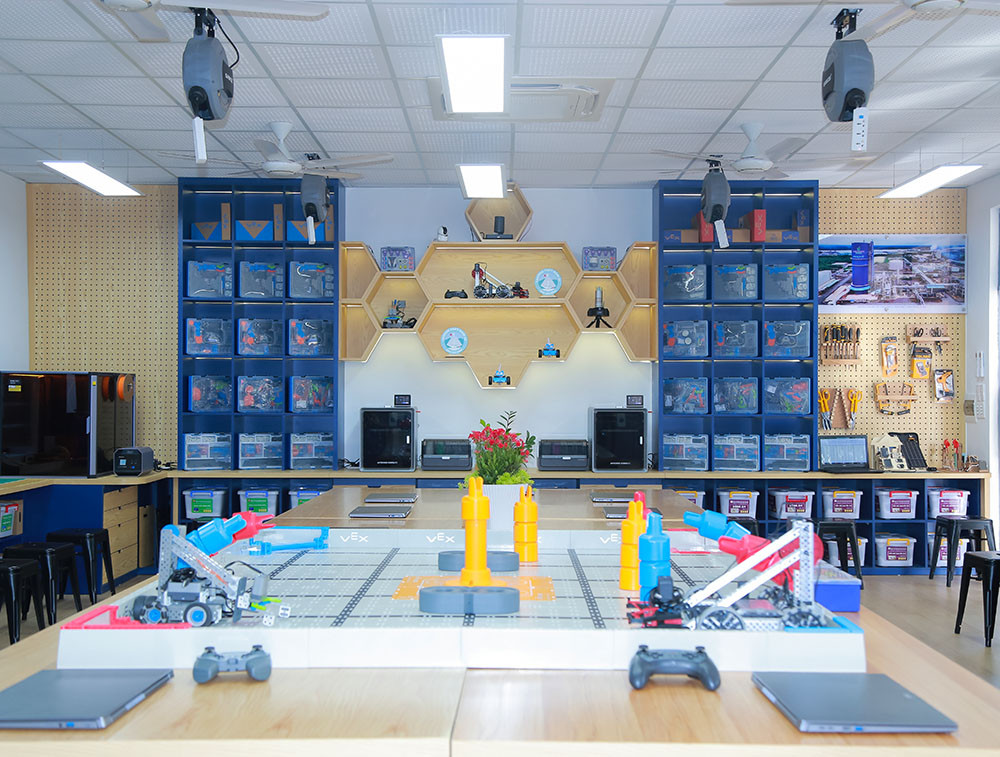
In the coming period, the Lam Dong education sector will continue to standardize and update its specialized databases, improve digital platforms and accelerate the integration of diplomas and certificates into VNeID. The goal is to reduce paperwork, improve management efficiency and make education-related administrative procedures more convenient for residents and students.