

A Gift from Da Lat's Pine Trees
From dried pine cones and fallen pine needles beneath the forest canopy, young people in Da Lat are creating handmade paintings, decorative items and new experiences for visitors. Through a fresh perspective, these familiar materials of the highlands are being transformed into gifts that carry the spirit of Da Lat.
Turning Pine Cones into Art
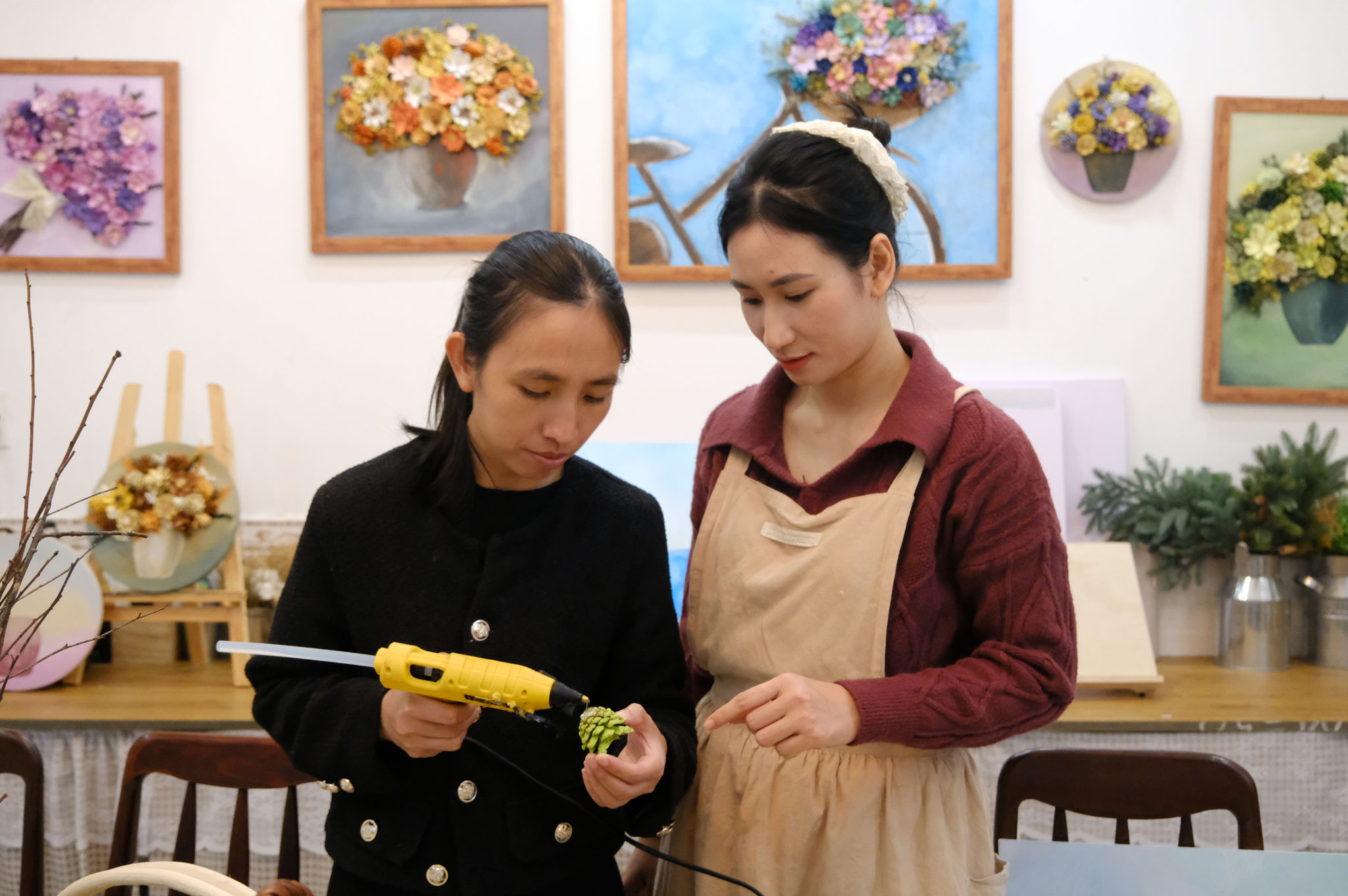
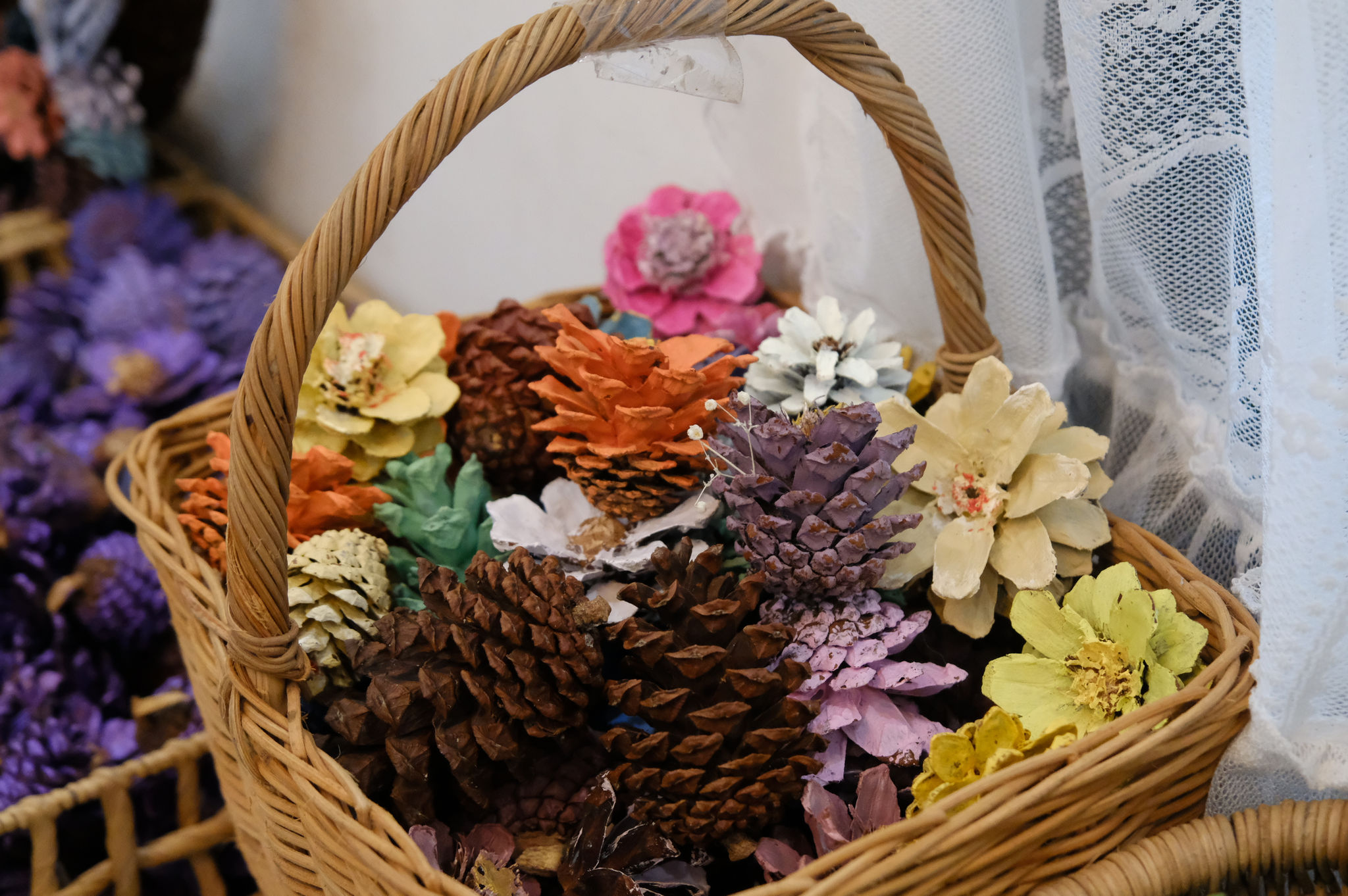
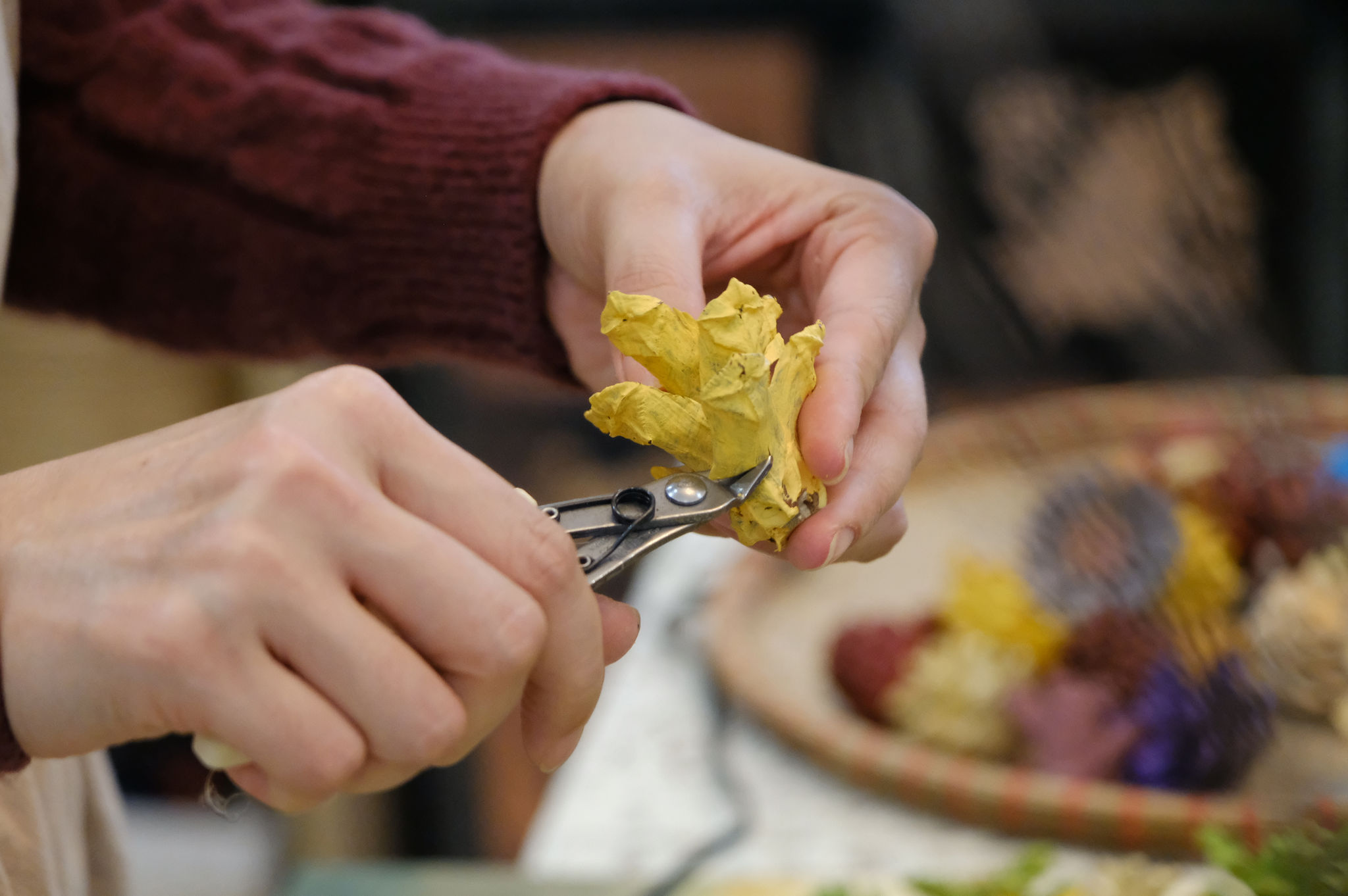
In a small shop in Xuan Huong - Da Lat Ward, Nguyen Thi Thu Hang spends much of her time working with dried pine cones. Each cone is carefully selected, dried and treated before being cut, painted and incorporated into handmade artworks.
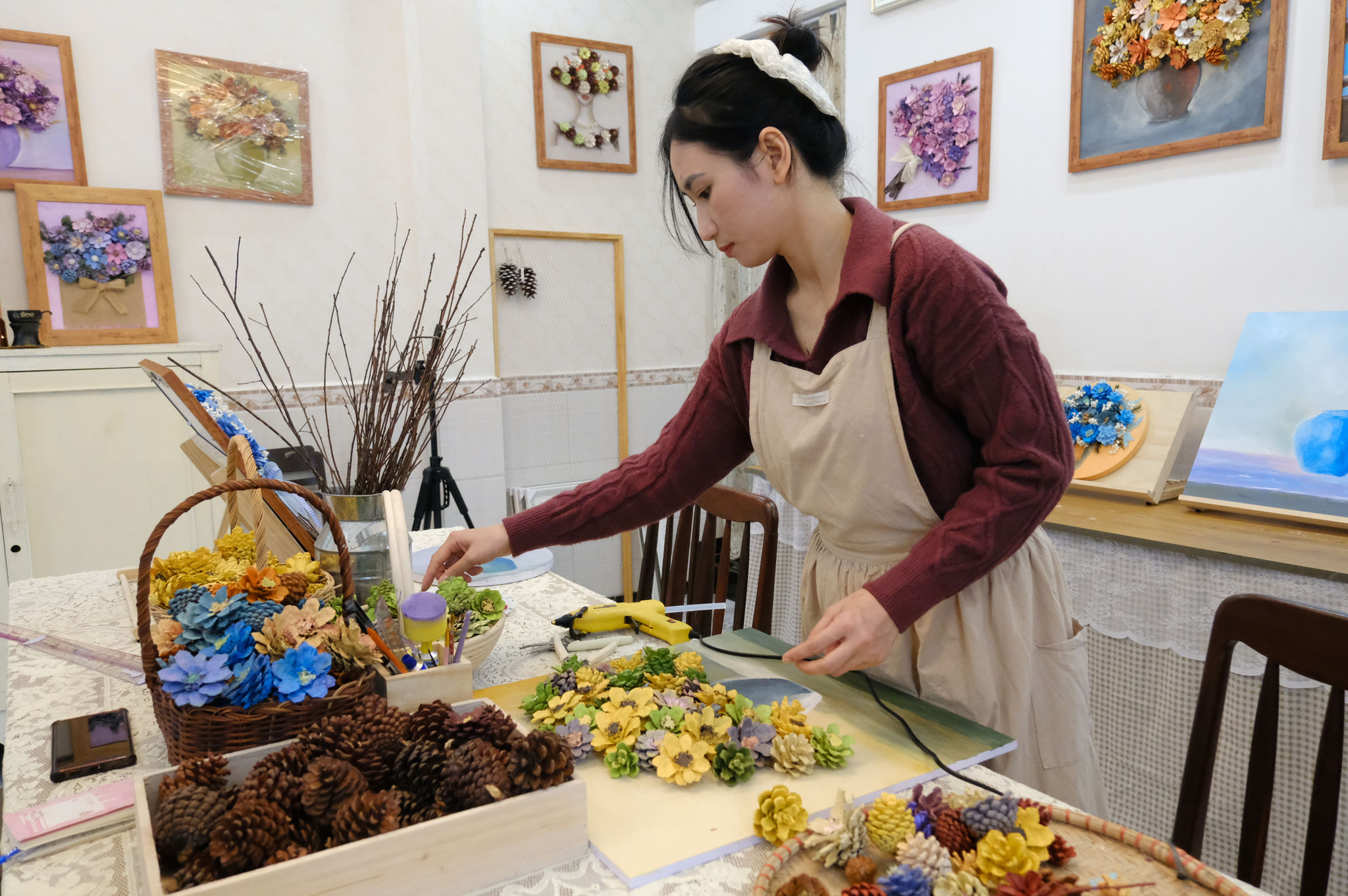
Hang said she initially had no intention of making paintings. She simply wanted to experiment with familiar products associated with Da Lat.
A video she posted on social media happened to attract considerable attention. Many people sent messages asking how the paintings were made or inquiring about purchasing them. Encouraged by the positive response, she decided to experiment further.
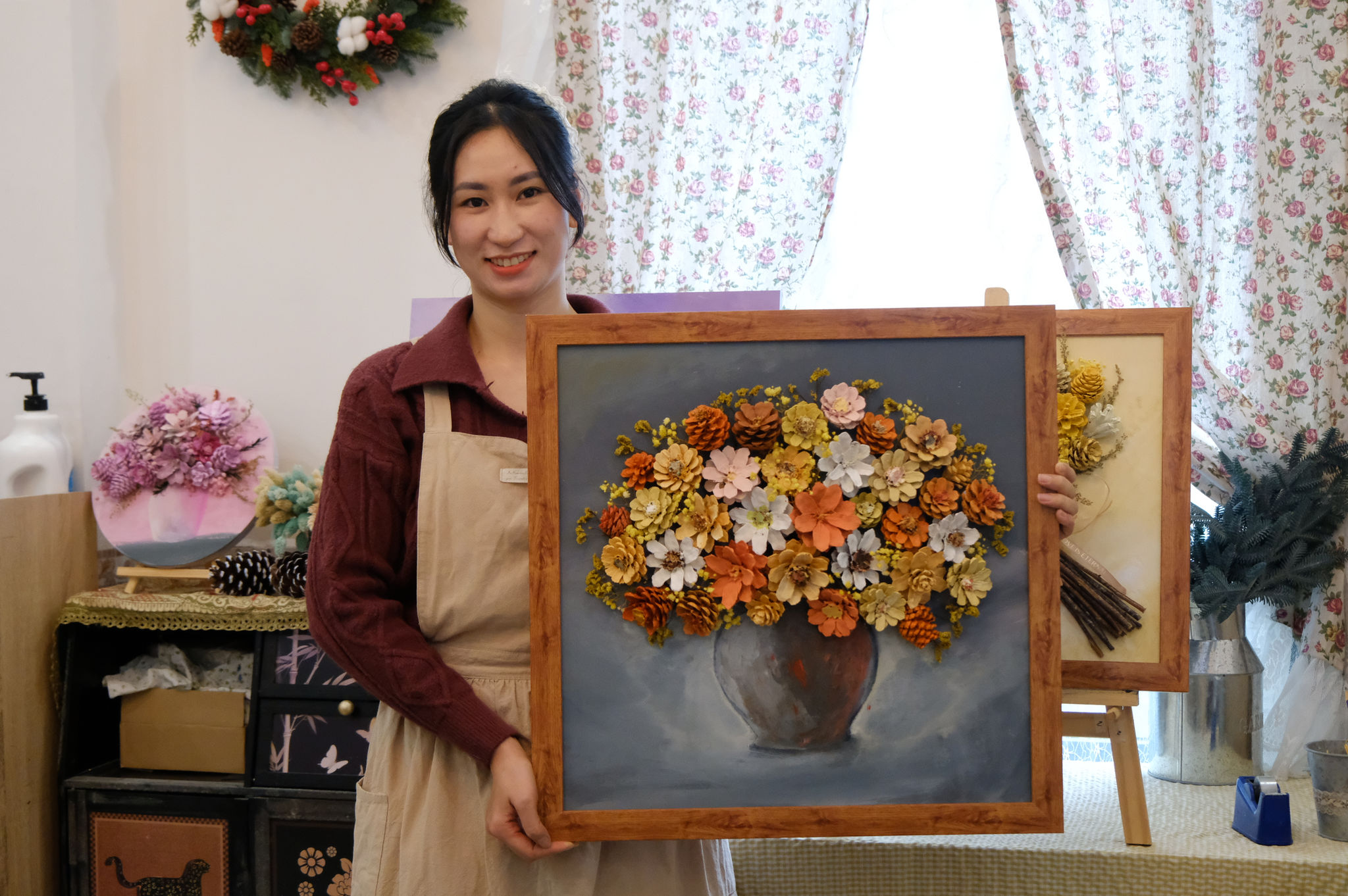
When she began making her first paintings, Hang realized how much time and patience the work required. She had to figure out every step herself, from cutting and processing each pine cone to assembling the final piece.
At times, she struggled for hours, cutting until her hands hurt, only to find that the result was still not what she had envisioned.
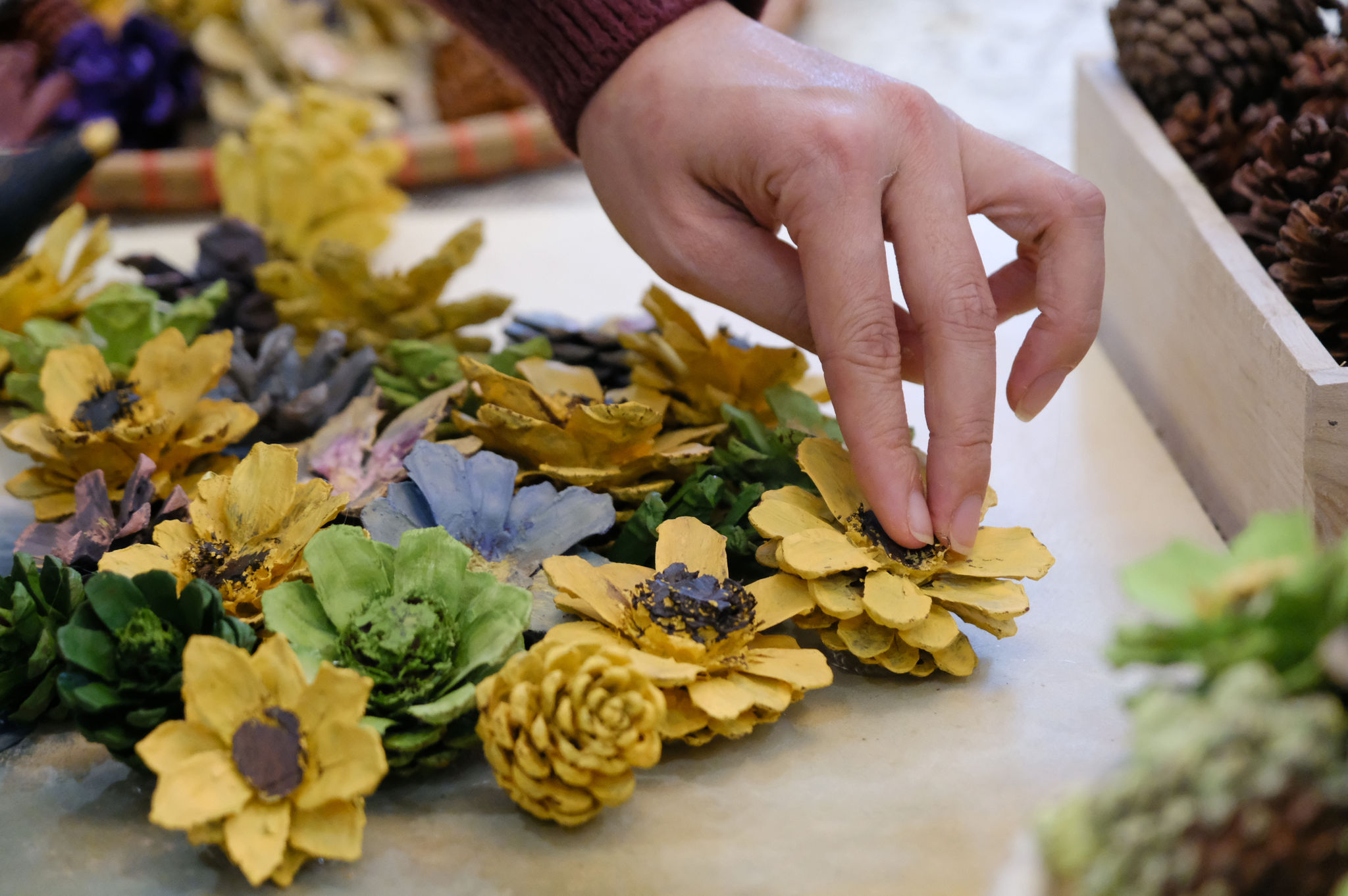
Her small room gradually became both a creative studio and a display space. From time to time, it also welcomes visitors who want to make their own one-of-a-kind pine cone painting.
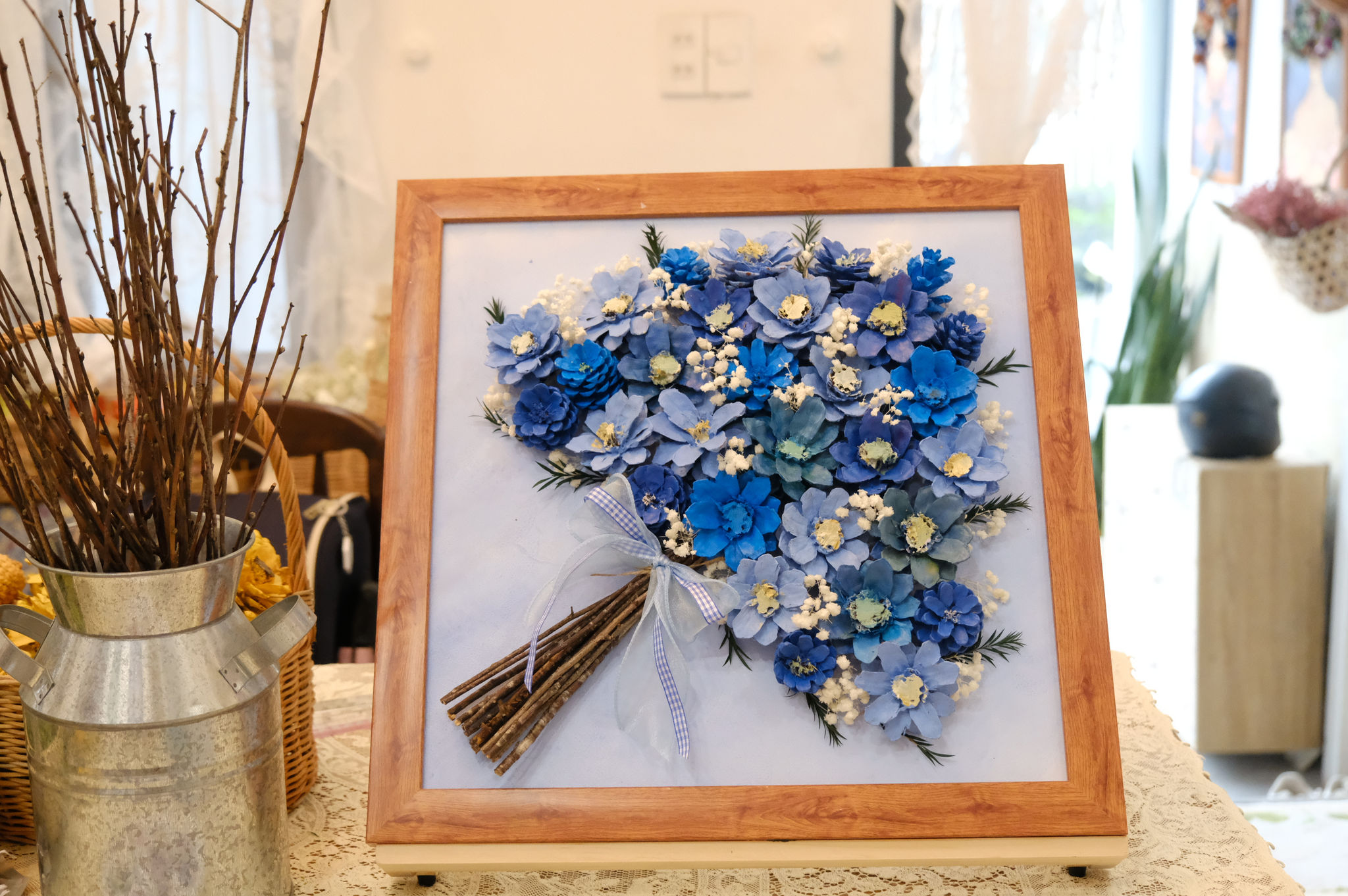
Hang said a typical painting takes around 2 - 3 hours to complete, from sketching and waiting for the paint to dry to attaching each pine cone and adding flowers and foliage.
The largest painting she has made measures 1.1 by 1.5 meters. It uses about 4 kilograms of pine cones and took 10 consecutive days to complete.
Wrapping Da Lat into Every Gift
According to Hang, customers often buy pine cone paintings as gifts or as a way to keep a small piece of Da Lat with them.
That is why she preserves a rustic aesthetic by combining pine cones with flowers, leaves and wild grasses.
During the peak period from October 20 to the Lunar New Year last year, she sold around 100 paintings. As orders increased, she hired additional workers to cut and paint the pine cones, while she focused on developing ideas and completing the artworks.
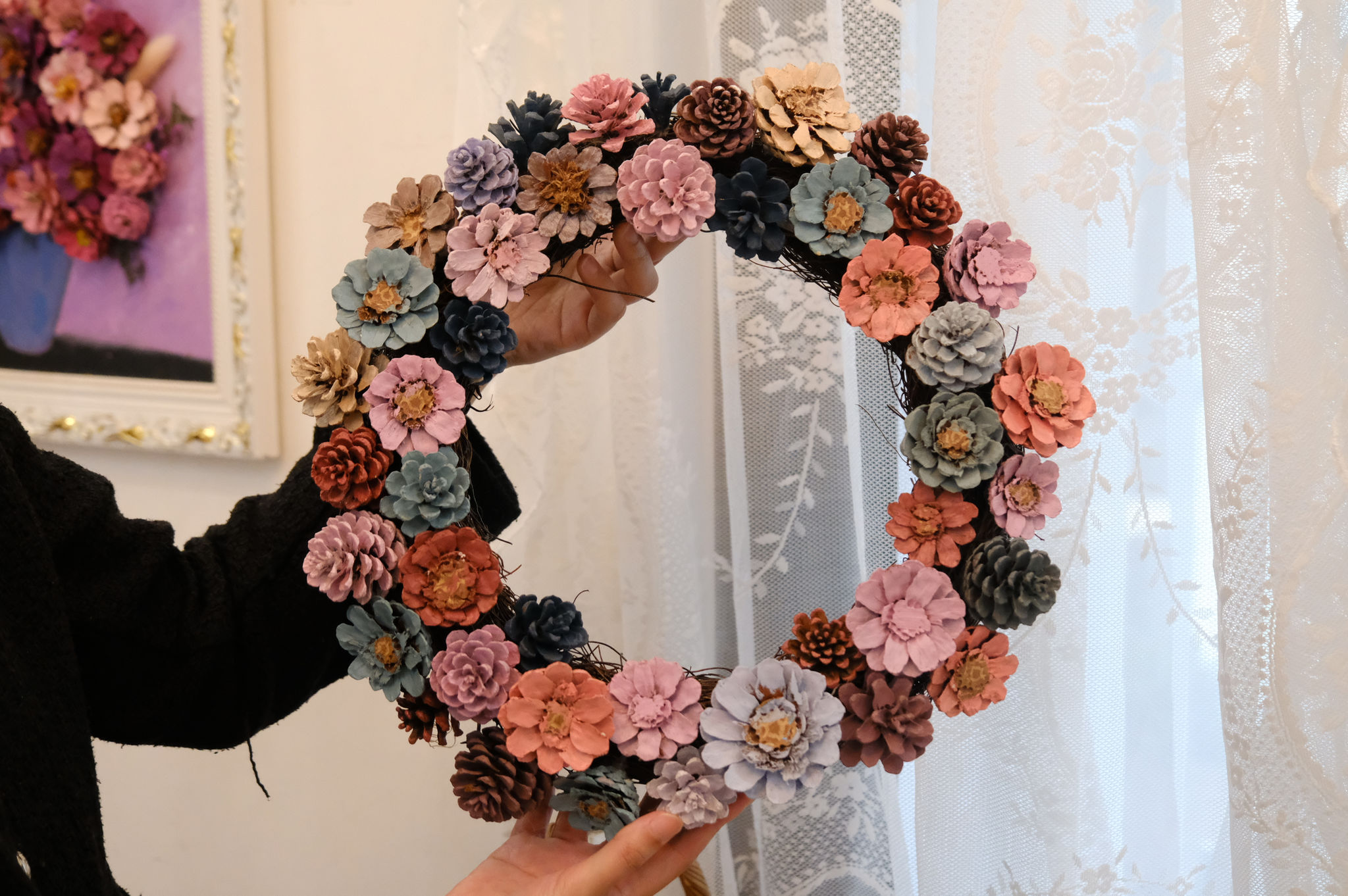
“We live in a land of pine trees. Pine cones are not simply a material; they are also an image closely associated with Da Lat’s climate, landscapes and memories. Each painting is like a gift from nature, specially given to this land,” Hang said.
Pine cones are not the only material being put to new use. Dried pine needles are also being transformed into handmade products and new experiences for visitors.
At Mo Pine Forest Tourism Area, beneath the cool green canopy, guests can take part in a pine-needle weaving workshop, an activity connected with the story of nature conservation.
Freshly fallen pine needles are collected and processed into strands, which are woven together with rustic pottery made by the Churu ethnic community to create products such as jar lids, coasters and plates.
Like Hang’s pine cone paintings, products made from pine needles offer visitors another way to take a piece of Da Lat home.
Familiar natural materials are viewed from a new perspective and transformed into handmade products closely connected with the travel experience.
Da Lat offers visitors many local specialties and souvenirs to choose from. But a painting made from pine cones or an item incorporating dried pine needles carries its own story.
The materials come from the very places visitors have just experienced, the pine forests, roads and green hillsides.
When they return home, these gifts do more than remind them of a trip. They also carry with them a small breath of Da Lat.