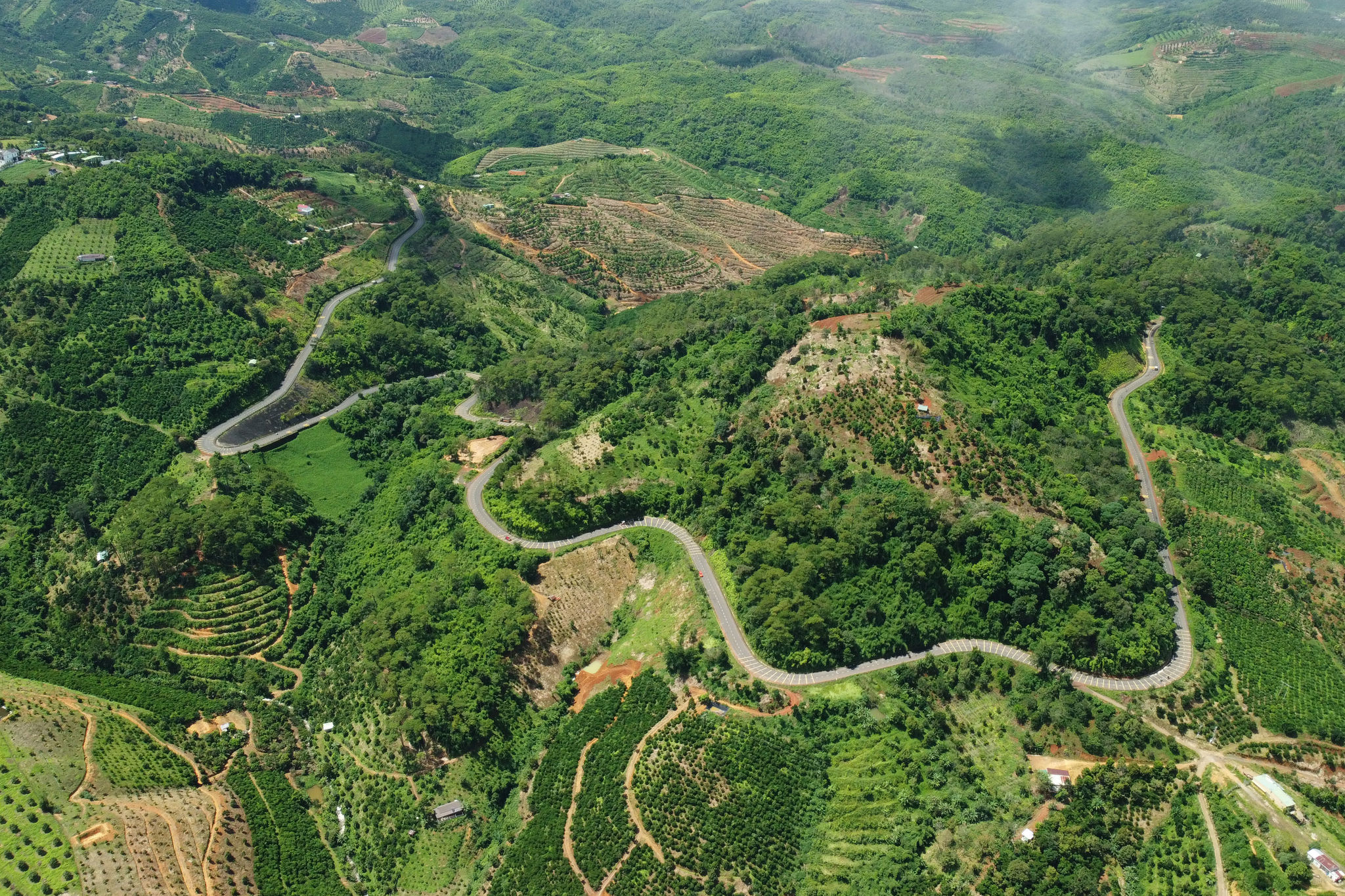

Gia Nghia–Bao Lam Strategic Road to Open a New Corridor in Lam Dong
Lam Dong is investing VND 2.85 trillion in an 8.87-km strategic road linking Gia Nghia with Bao Lam. The route will cross the Dong Nai River and connect with the planned National Highway 55 corridor, creating a new transport link between the two areas.
A new transport connection
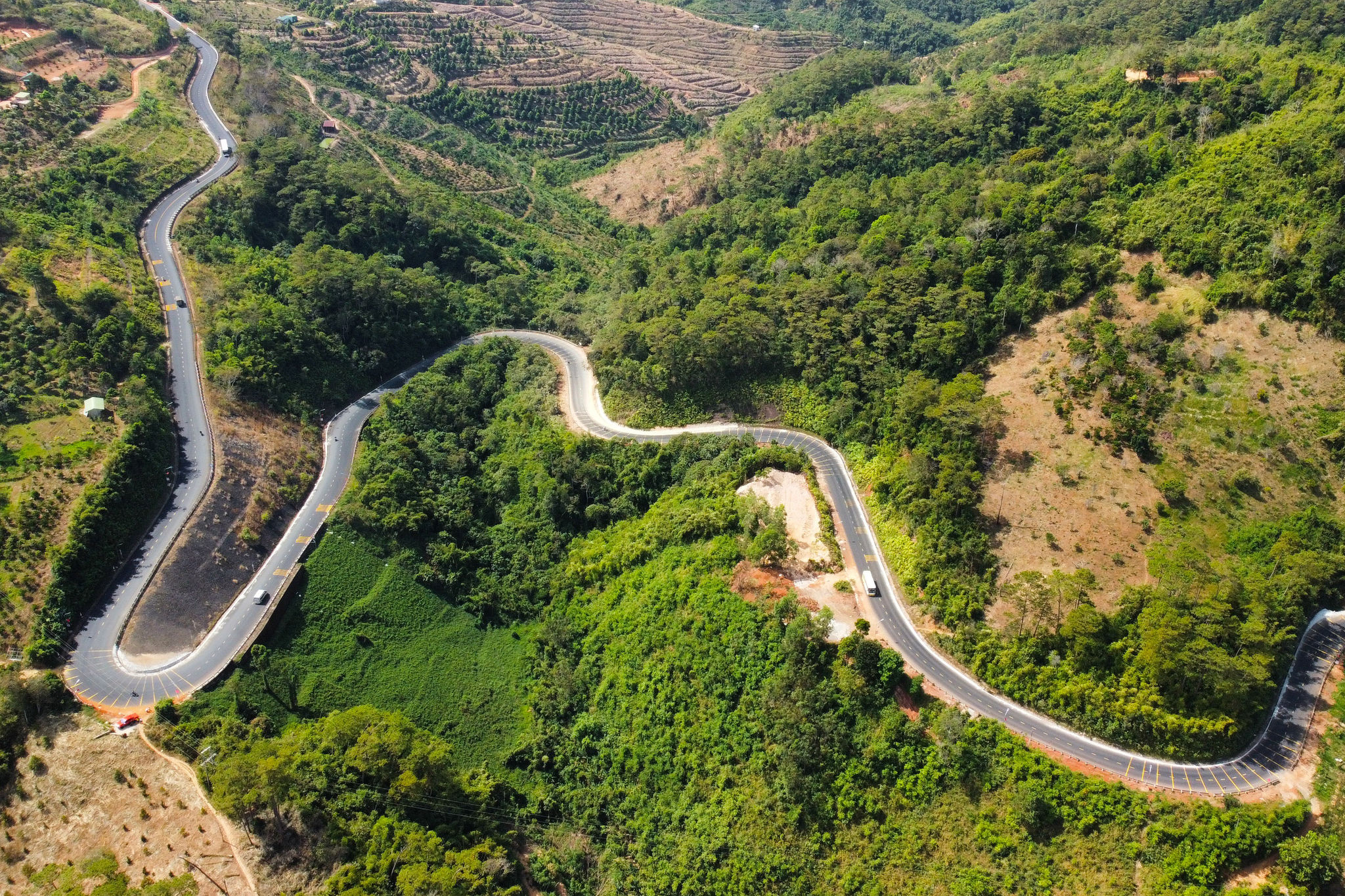
Gia Nghia and Bao Lam are currently linked mainly by existing roads, including National Highway 28. The journey from central Gia Nghia to Bao Lam 1 Commune covers nearly 95 km, including approximately 65 km along National Highway 28 through challenging terrain.
Local residents say the journey takes around two and a half hours. Sections of National Highway 28 running through Quang Khe and Bao Lam 5, particularly near Dong Nai 4 Hydropower Plant, have narrow road surfaces and numerous hazardous bends. Landslides are also a recurring problem, disrupting travel and the transportation of goods.
To establish an alternative connection, Lam Dong Province is investing in the Gia Nghia–Bao Lam strategic road. The route will begin at the eastern gateway to Gia Nghia, cross the Dong Nai River and connect with the road leading to Dong Nai 4 Hydropower Plant, following the planned alignment of National Highway 55.
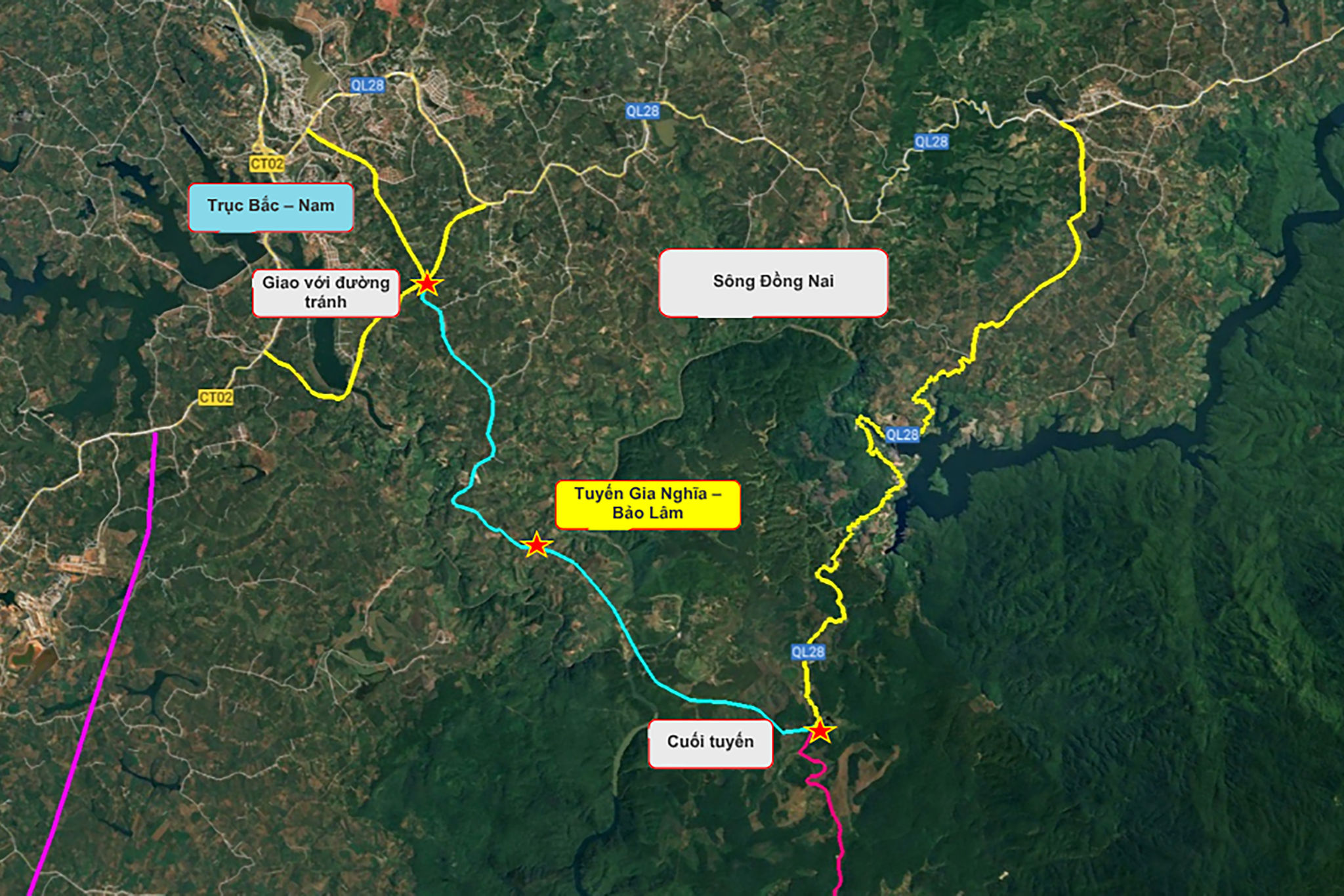
Under Decision No. 4090/QD-UBND dated August 13, 2026, issued by the Lam Dong Provincial People's Committee, the project will cover approximately 8.87 km across Dong Gia Nghia Ward and Bao Lam 5 Commune. With a total investment of VND 2.85 trillion from central and provincial budgets, construction is scheduled for 2026–2029.
According to Construction Investment Project Management Board No. 3, the project owner, the new road is expected to shorten the distance between Gia Nghia and Bao Lam by approximately 26 km. It will also bypass landslide-prone sections of National Highway 28, including the area near Dong Nai 4 Hydropower Plant. Its alignment and longitudinal profile are designed to facilitate goods transport, including export cargo.
The road is designed to meet Class III road standards for flat terrain, with a design speed of 80 kph. The roadbed will be 12 meters wide along ordinary sections and 21.5 meters wide in areas with difficult terrain, with the design providing for four traffic lanes.

A key feature of the project is a bridge spanning approximately 1,166.8 meters across the Dong Nai River, with a 350-meter main cable-stayed span. The bridge will use a single-plane cable-stayed structure, with approach spans made of prestressed reinforced concrete girders.
According to the project owner, the bridge design has been studied to meet traffic and structural safety requirements while creating an architectural and landscape landmark for the area.
Strengthening trade links and production networks
Construction Investment Project Management Board No. 3 said road connectivity between Gia Nghia and Bao Loc remains limited. Regional transport planning identifies the Gia Nghia–Chon Thanh Expressway and the Tan Phu–Bao Loc–Lien Khuong Expressway as key routes for improving links between localities. Once these expressways and the Gia Nghia–Bao Lam strategic road are completed, regional transport connectivity is expected to improve.
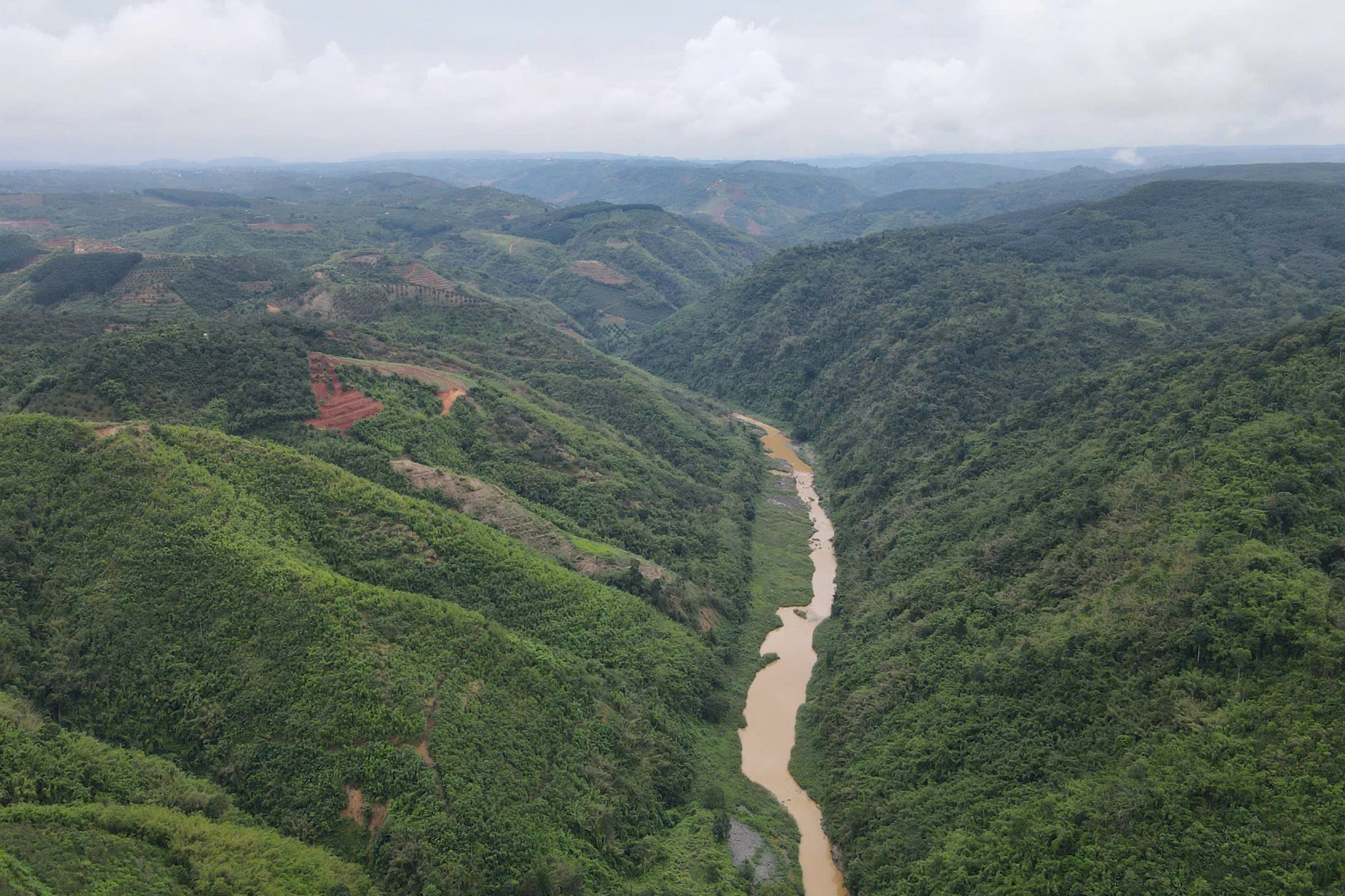
Within the wider transport network, the new road is expected to strengthen links between the southern Central Highlands and eastern economic areas, while improving the movement of goods to major trading hubs.
The project also aims to improve connectivity between the Tan Rai bauxite ore-processing and non-ferrous metallurgy complex in Bao Lam and the Nhan Co industrial complex. According to leaders of Vietnam National Coal and Mineral Industries Group (TKV), the group currently operates two alumina production complexes, at Tan Rai and Nhan Co.
TKV plans to increase the capacity of both complexes and invest in additional aluminum production facilities. If completed, the Gia Nghia–Bao Lam road would improve links between the complexes and support the transportation of raw materials along the bauxite–alumina–aluminum production chain.

A representative of Construction Investment Project Management Board No. 3 said the proposed alignment has relatively few steep gradients and sharp curves, making it more suitable for transporting oversized and overweight loads. Actual operations, however, will still need to comply with technical requirements and transport-management conditions.
Beyond freight transport, the project proposal also identifies opportunities to expand Gia Nghia's urban area and develop tourism around the Dong Nai River and the special national historical site of Bon Cay Xoai, while creating a potential connection toward Da Lat.
The Lam Dong Provincial People's Committee has identified the Gia Nghia–Bao Lam strategic road as an important transport corridor for the province, strengthening links with the South Central Coast and Southeast Vietnam. The project's effectiveness will depend on implementation progress, construction quality and coordinated connections with other relevant transport routes.