

Lam Dong brings geopark closer to local communities
Bringing the Dak Nong UNESCO Global Geopark closer to local communities helps raise awareness and strengthen their sense of responsibility for heritage protection. It also creates livelihood opportunities, allowing Lam Dong residents to benefit from the cultural and natural values of the geopark.
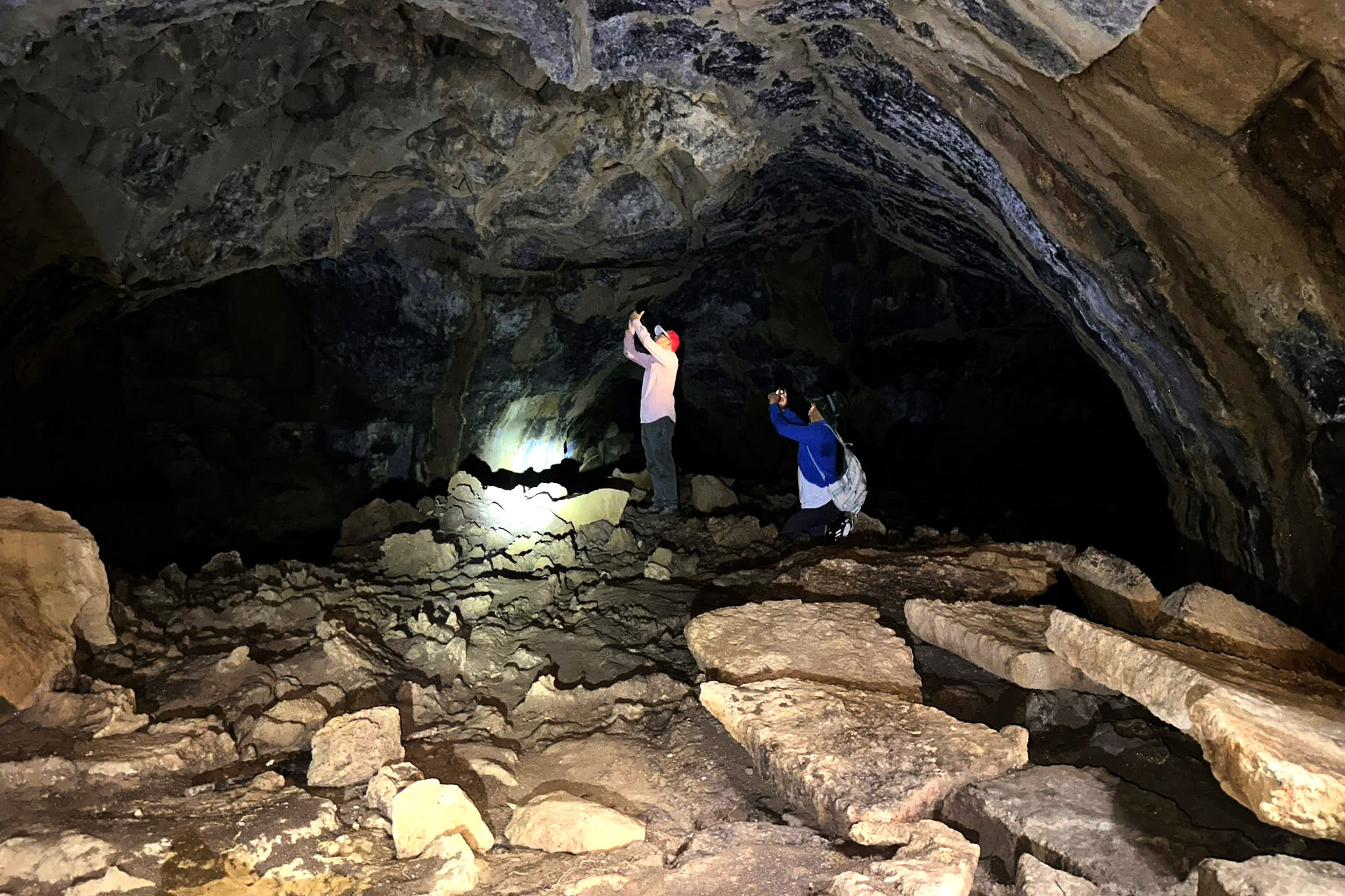
Raising community awareness of heritage
Local residents play a central role in the sustainable conservation and promotion of the Dak Nong UNESCO Global Geopark. They are directly involved in protecting heritage while also tapping local potential and advantages to support economic development.
Since the geopark received UNESCO recognition, the focus has extended beyond protecting individual heritage sites to bringing the values of the Dak Nong Global Geopark closer to local communities.
Alongside measures to improve management and promote heritage values, Lam Dong Province has identified raising public awareness as one of its key priorities.
In Buon Choah, Nam Da Commune, part of the core area of the Dak Nong Global Geopark, communication and community outreach efforts have brought positive changes in local awareness and behavior.
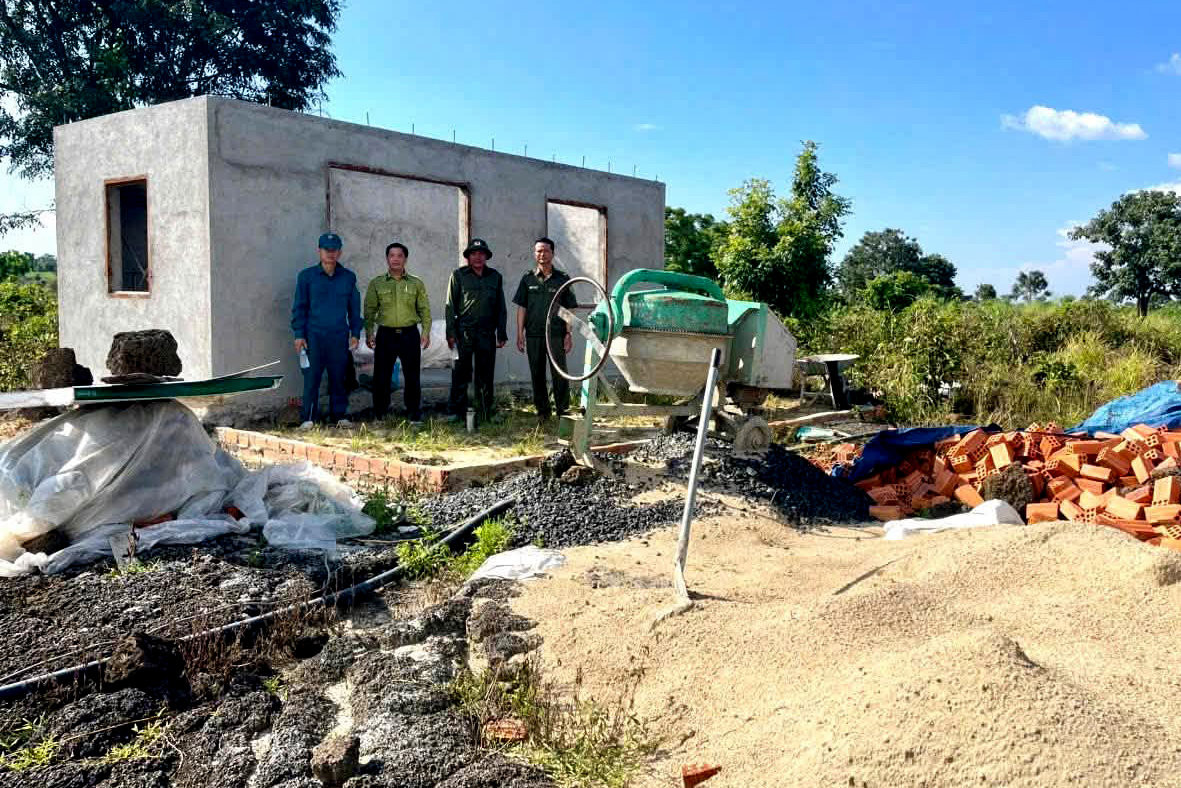
On October 4, after a period of outreach and explanation by local authorities and relevant agencies, a household involved in a land-use violation in Subzone 1260 voluntarily dismantled structures, removed property and restored the site to its original condition.
Initially unfamiliar with land management and use regulations, the household came to understand the requirements and took the initiative to remedy the violation.
Experience in Nam Da shows that heritage conservation depends not only on management regulations but also on community understanding and support. As awareness improves, residents become more active in protecting heritage and better able to turn cultural and natural values into opportunities for economic development.
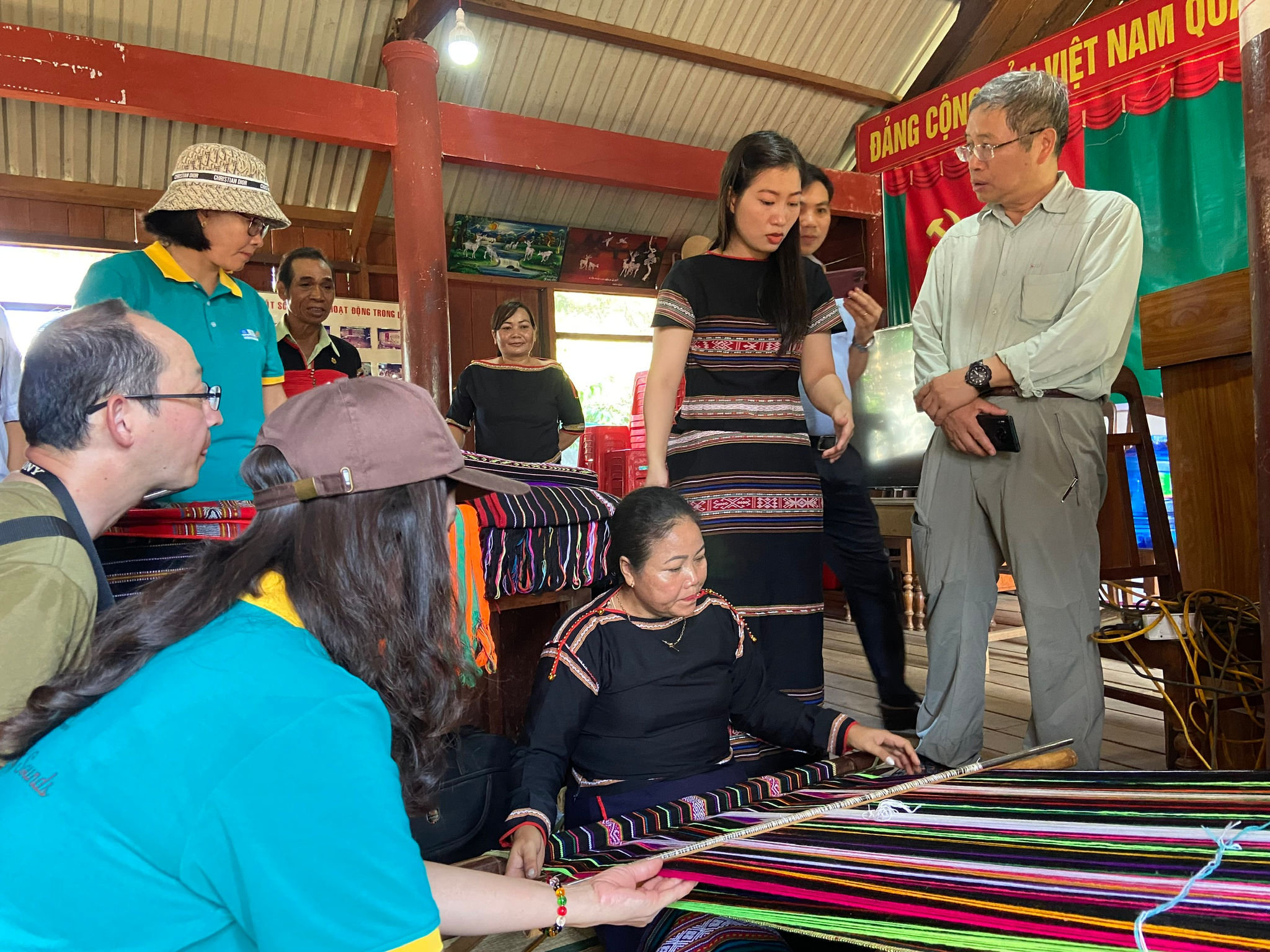
In Buor Village, Cu Jut Commune, community awareness efforts are closely linked to sustainable tourism development.
As one of the attractions within the Dak Nong Global Geopark, Buor Village has opportunities to develop tourism around the distinctive cultural heritage of the Ede people, including traditional longhouses, gong performances, festivals, brocade weaving and basketry.
As local heritage is brought into tourism, residents have become increasingly aware of the importance of preserving cultural identity while creating sustainable livelihoods.
At a recent conference on community-based tourism organized by the Cu Jut Commune People's Committee, artisans, gong teams, performance groups and households engaged in traditional crafts actively contributed ideas and proposed solutions for tourism development.
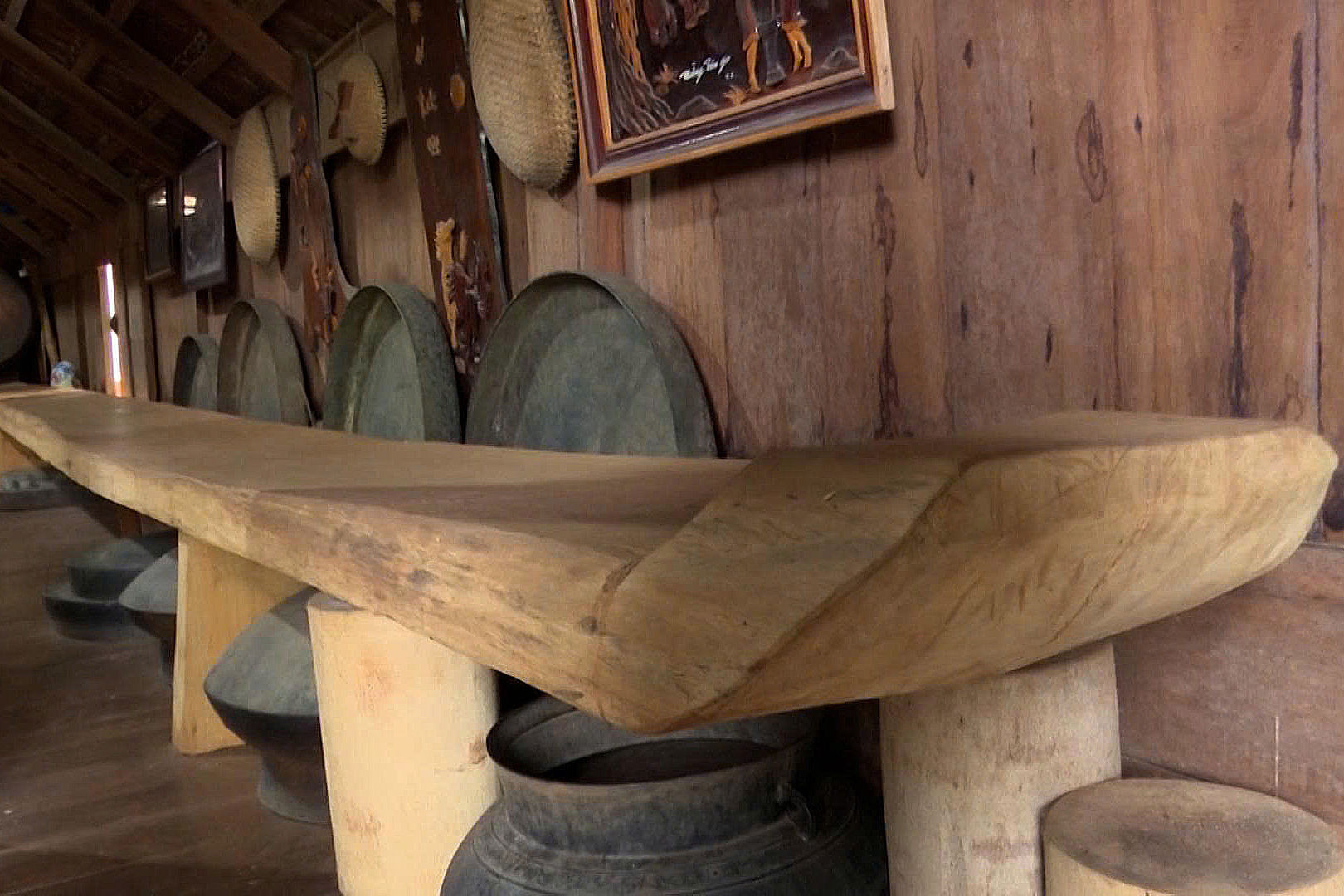
Residents hope to receive support in preserving traditional crafts, developing homestays, creating cultural experiences and improving visitor-service skills. These efforts would allow them to participate more directly in tourism and earn additional income from the heritage values of their own community.
The Cu Jut Commune People's Committee said the proactive involvement of residents demonstrates that stronger community awareness is fundamental to linking heritage conservation with sustainable economic development.
Education to preserve and spread heritage values
Lam Dong Province is placing greater emphasis on education and public awareness, particularly among younger generations, as part of efforts to preserve and promote the values of the Dak Nong Global Geopark. This is seen as an important way to ensure that heritage values are protected, shared and passed on to future generations.
Since the geopark received UNESCO recognition, localities within the Dak Nong Global Geopark have maintained a range of communication and educational activities to bring heritage knowledge closer to the community.
Educating young people has been identified as a key priority, helping students develop awareness and a sense of responsibility for heritage protection from an early age.
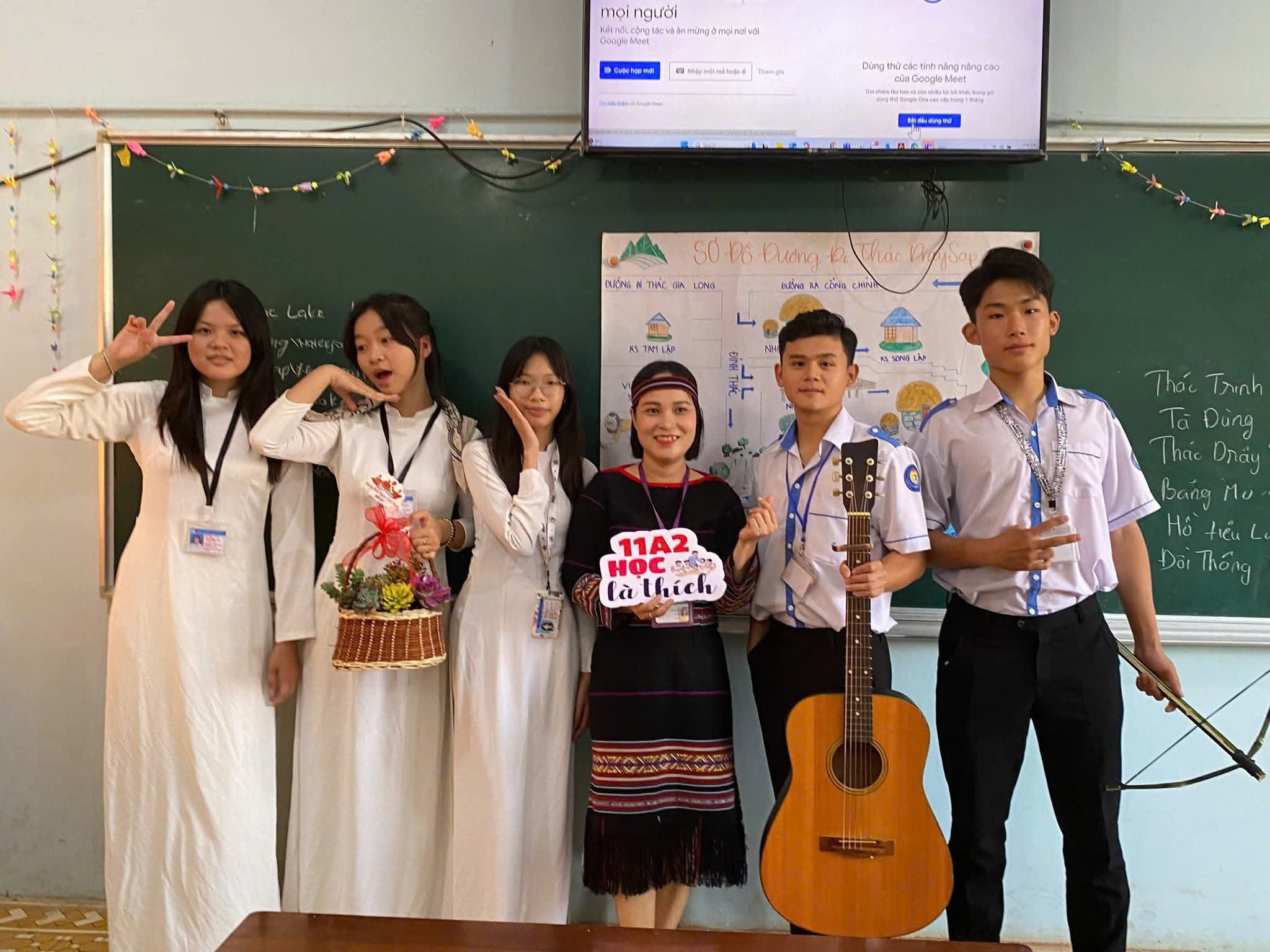
Recently, the Lam Dong Provincial People's Committee asked the education sector and localities within the geopark to strengthen communication and education on geological heritage, cultural heritage and biodiversity.
Activities are being implemented through knowledge competitions, experiential programs and educational formats tailored to different student age groups.
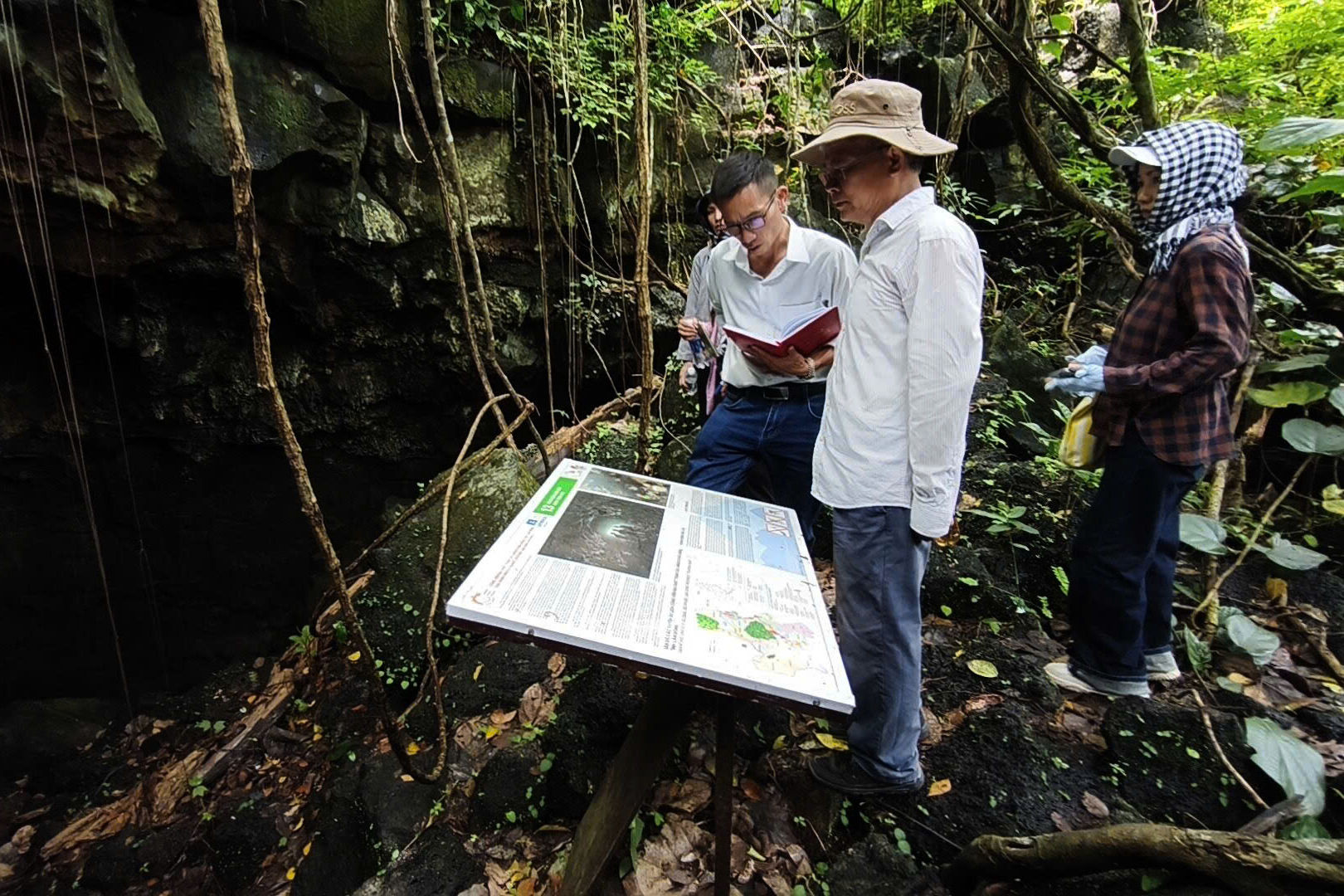
According to experts, sustainable conservation of the Dak Nong Global Geopark requires not only infrastructure investment and improvements at heritage sites but also greater public awareness. Bringing geopark knowledge into schools can help nurture a younger generation with a deeper understanding, appreciation and sense of responsibility for heritage.
MSc Dao Thi Yen Ngoc, an expert with the Vietnam UNESCO Global Geoparks Network, said many geoparks around the world have transformed specialized knowledge into educational materials suitable for students.
According to Ngoc, this experience could be studied and adapted in the conservation and promotion of the Dak Nong Global Geopark. Such an approach would make knowledge about geology, nature and culture more accessible and engaging for younger generations.
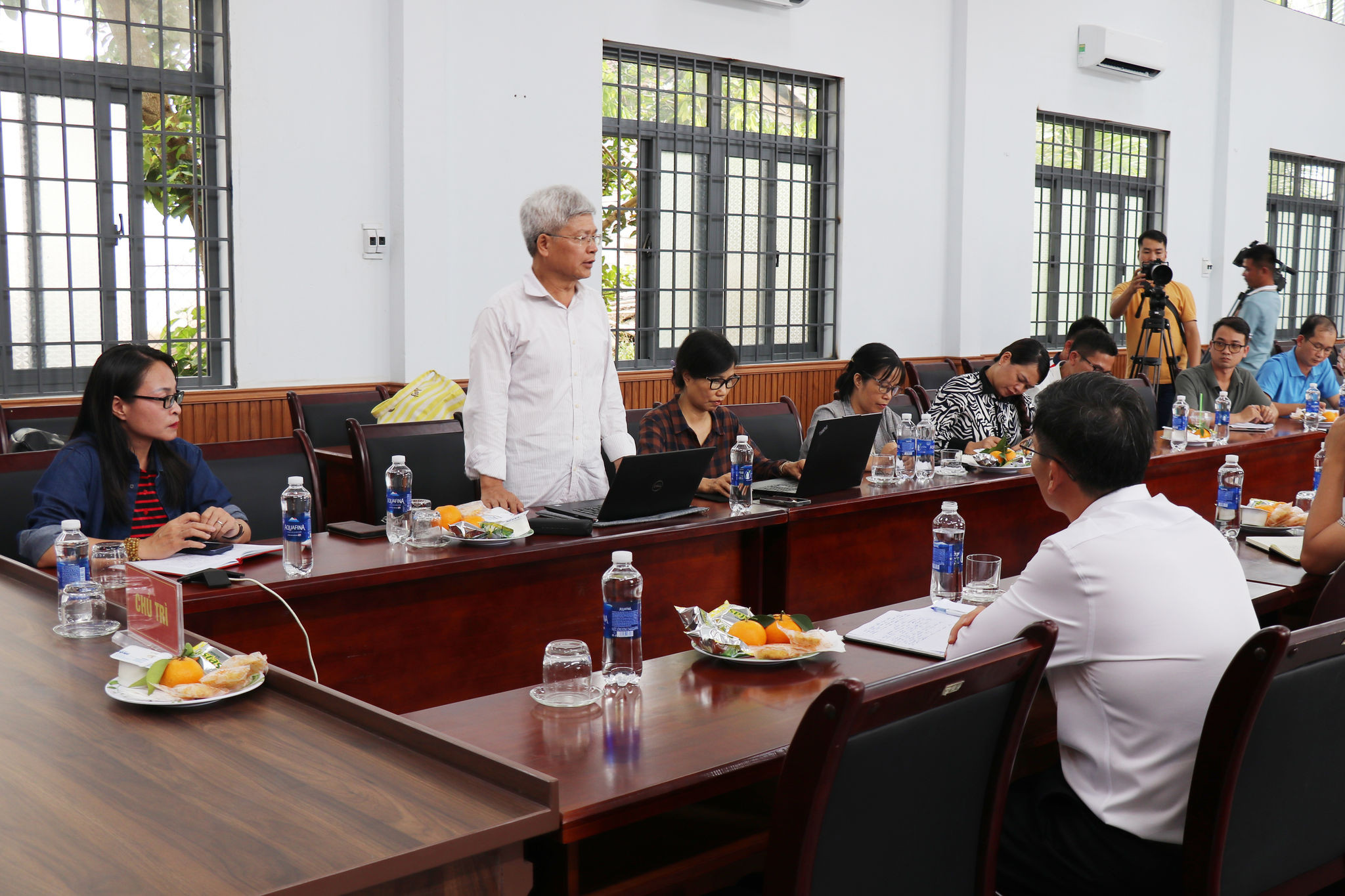
Awareness-raising efforts are not limited to students. They have also been expanded to officials, public employees and those directly involved in heritage management and protection at the local level.
In late September 2026, the Lam Dong Department of Culture, Sports and Tourism organized a training conference to strengthen awareness and management capacity among leaders, officials and public employees from communes and wards within the Dak Nong Global Geopark. The activity was part of efforts to implement UNESCO recommendations and prepare for the geopark's revalidation in 2027.
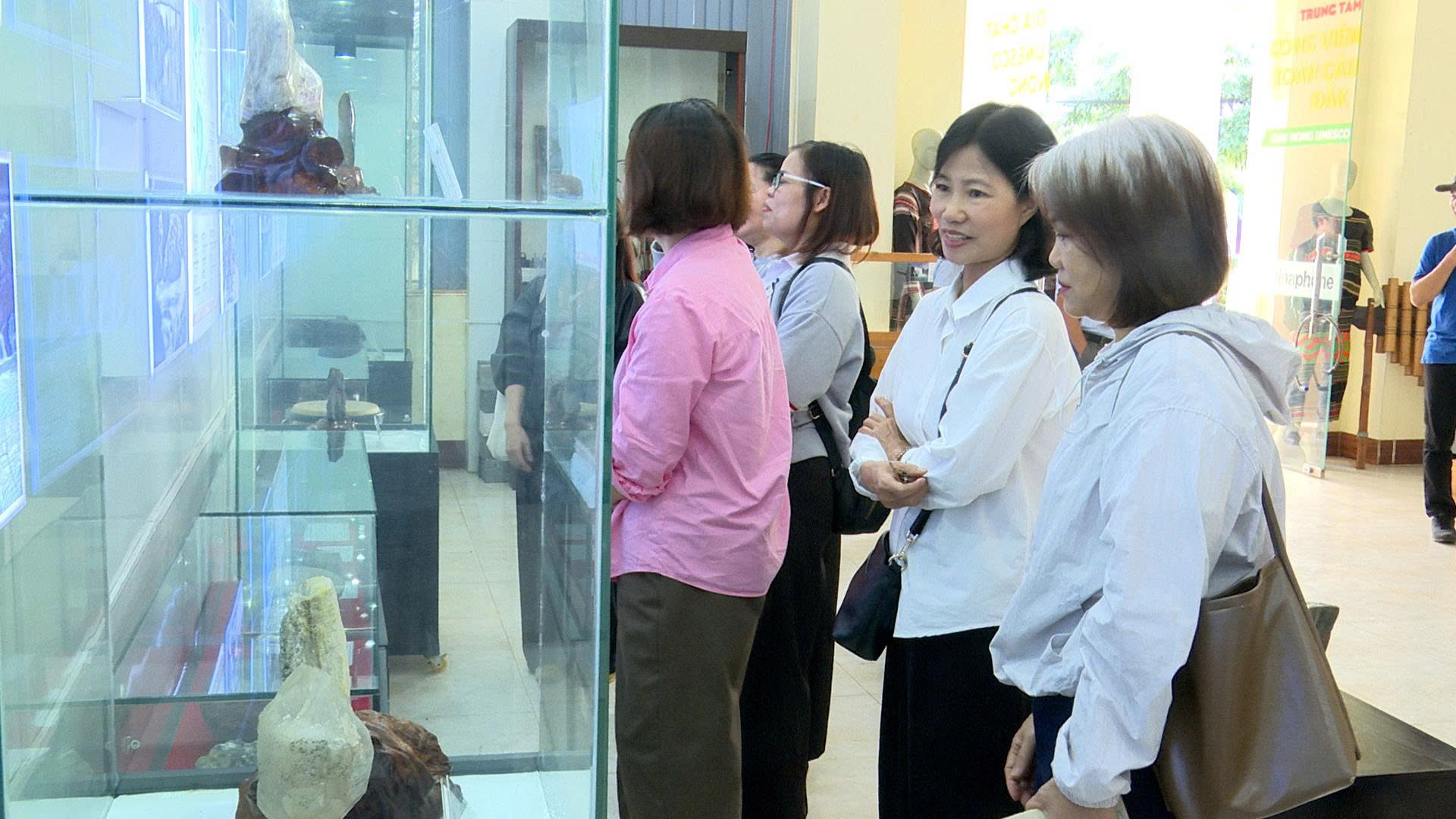
Through the training, localities were provided with updated information and guidance on solutions for conserving and promoting geopark values in connection with sustainable tourism development and community livelihoods.
The activity also helped strengthen management capacity, improve coordination among localities and reinforce the central role of residents in heritage conservation.