

Weaving Tradition Beneath the Clouds of Dung K’No
Amid the drifting mists around Dung K’No, often called the “Gateway to the Sky,” K'ho women sit at their looms, passing threads through one another with practiced hands. Day after day, they continue a traditional brocade-weaving craft handed down through generations, keeping their cultural heritage alive one strand at a time.
More than a means of earning a living, K'ho brocade has become a source of community pride. Today, its intricate patterns are finding their way beyond the highlands, while the craft provides a steady source of income for many local women.
A Loom in Almost Every Home
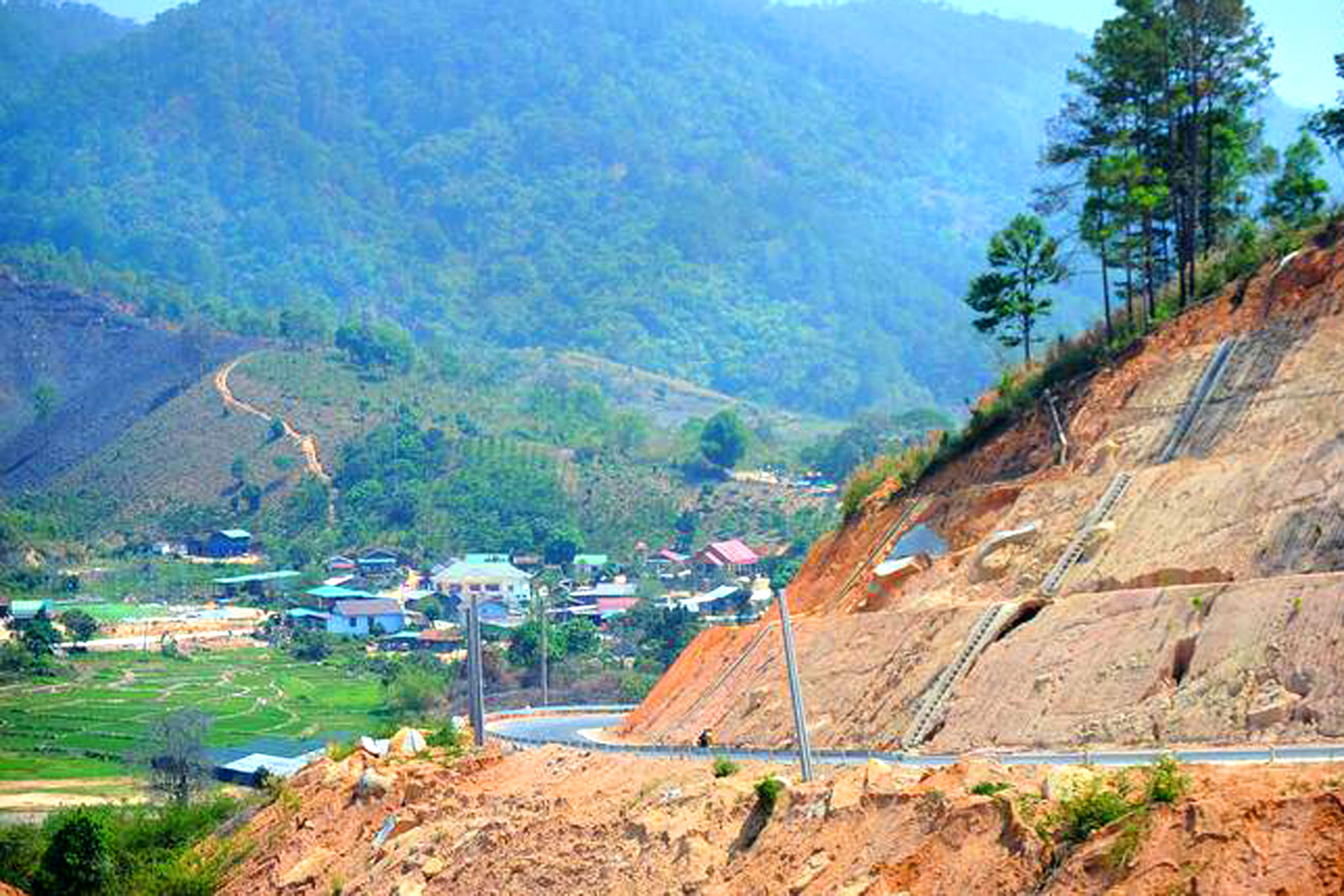
Dung K’No village, in Dam Rong 4 Commune, is nestled within the Nui Ba–Bidoup Biosphere Reserve and is home to the K'ho people. Across the village, almost every household has a loom. The wooden frames, polished by decades of use, bear witness to generations of women who have devoted themselves to the craft.
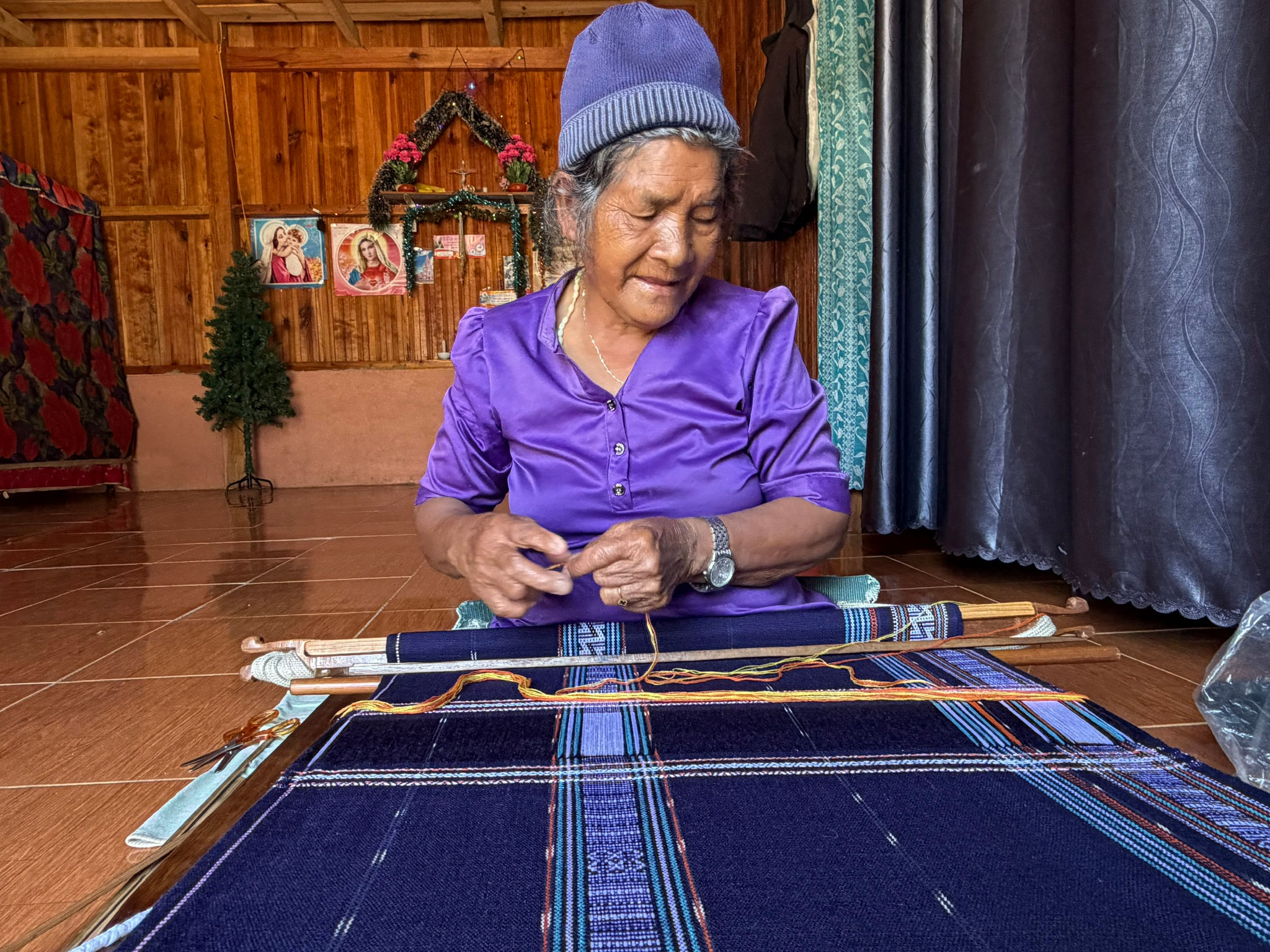
Whether in timber houses with sloping roofs, beside flickering hearth fires, or on the verandas of sturdy modern homes, women can be seen carefully guiding yarn through the loom, thread by thread. Their work has become an integral part of everyday life in the village.
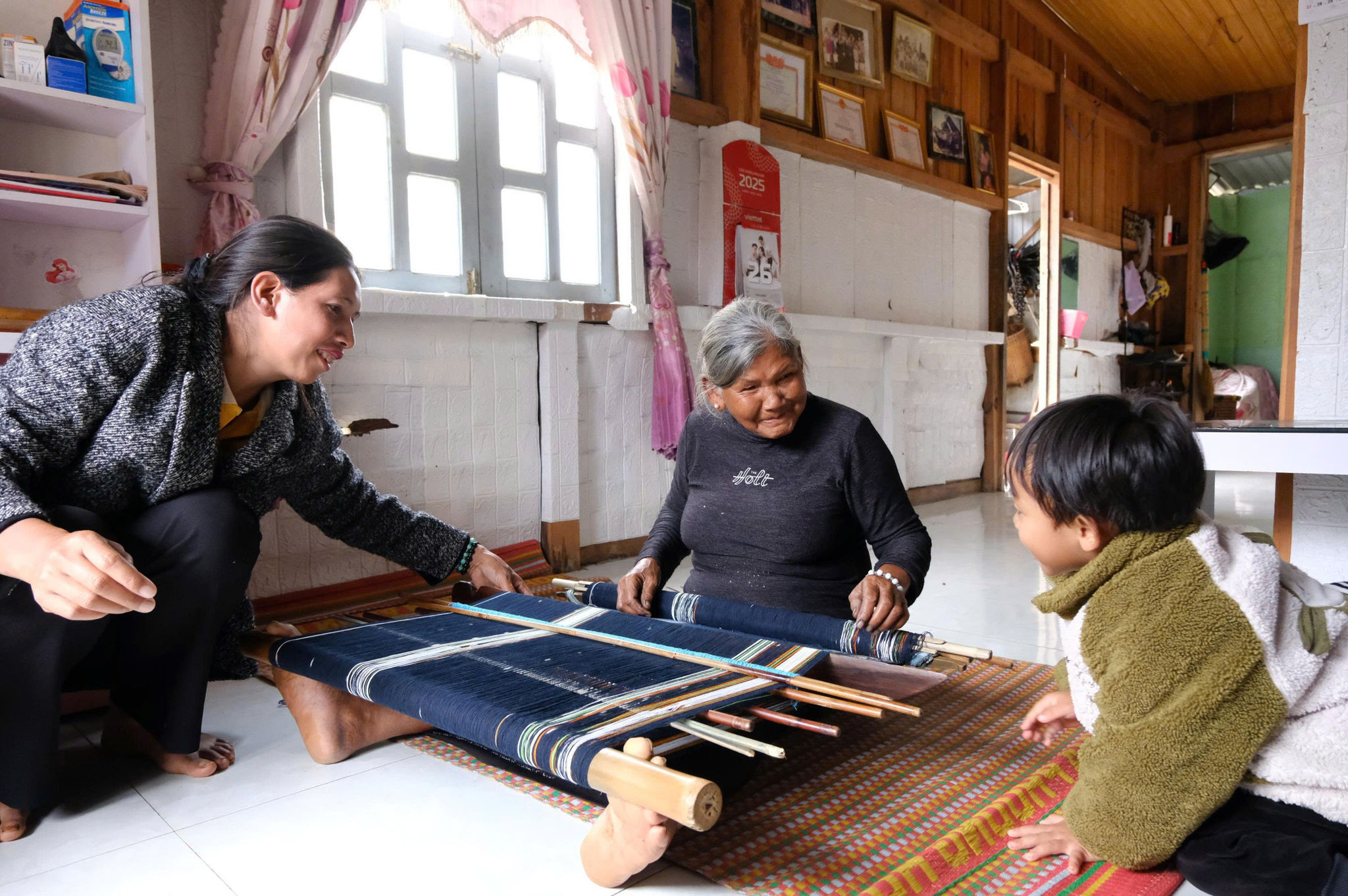
Ha Oanh, head of Dung K’No village, said the number of K'ho women who know how to weave brocade has continued to grow, despite the rapid pace of modernization. Older women are teaching their daughters and granddaughters, nurturing an appreciation for colourful threads from an early age. Experienced artisans are also sharing their skills and organizing opportunities for weavers to exchange techniques and learn from one another.
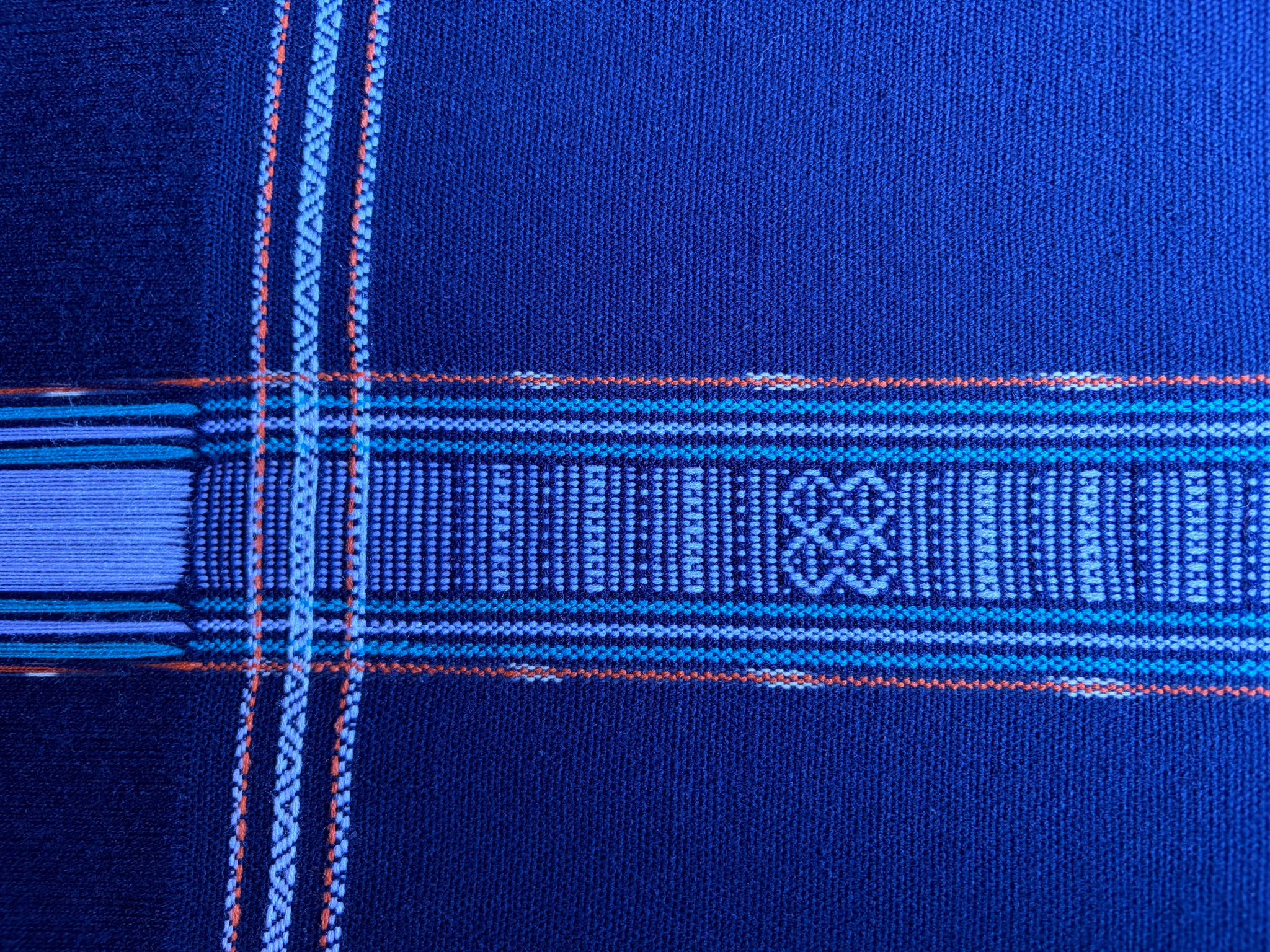
Bon Nieng K’Glong, a Meritorious Artisan with decades of weaving experience and one of the longest-practising weavers in the area, said each finished piece requires meticulous work across numerous stages, from preparing and dyeing the yarn to creating distinctive patterns.
One of the defining features of Dung K’No brocade is its use of natural dyes sourced from the surrounding forests and mountains. Turmeric roots produce yellow, curry seeds yield orange, bark from the lot tree gives red, and leaves from the drửm plant provide green.
K’Glong said the K'ho favour deep, subdued colours, including dark blue and black, giving their textiles a distinctive character. This palette differs from the red and black traditionally favoured by the Ede and the white tones associated with the Ma.
From Stilt-House Doorways to International Runways
Every weaver in Dung K’No has a personal story woven into the fabric. Bon Nieng Ka Gut has practised the craft for nearly 20 years, having learned from her grandmother and mother as a child. Alongside traditional patterns, she has taught herself to gather plants from the forest and use them to dye yarn, producing entirely handmade textiles without industrial processing.
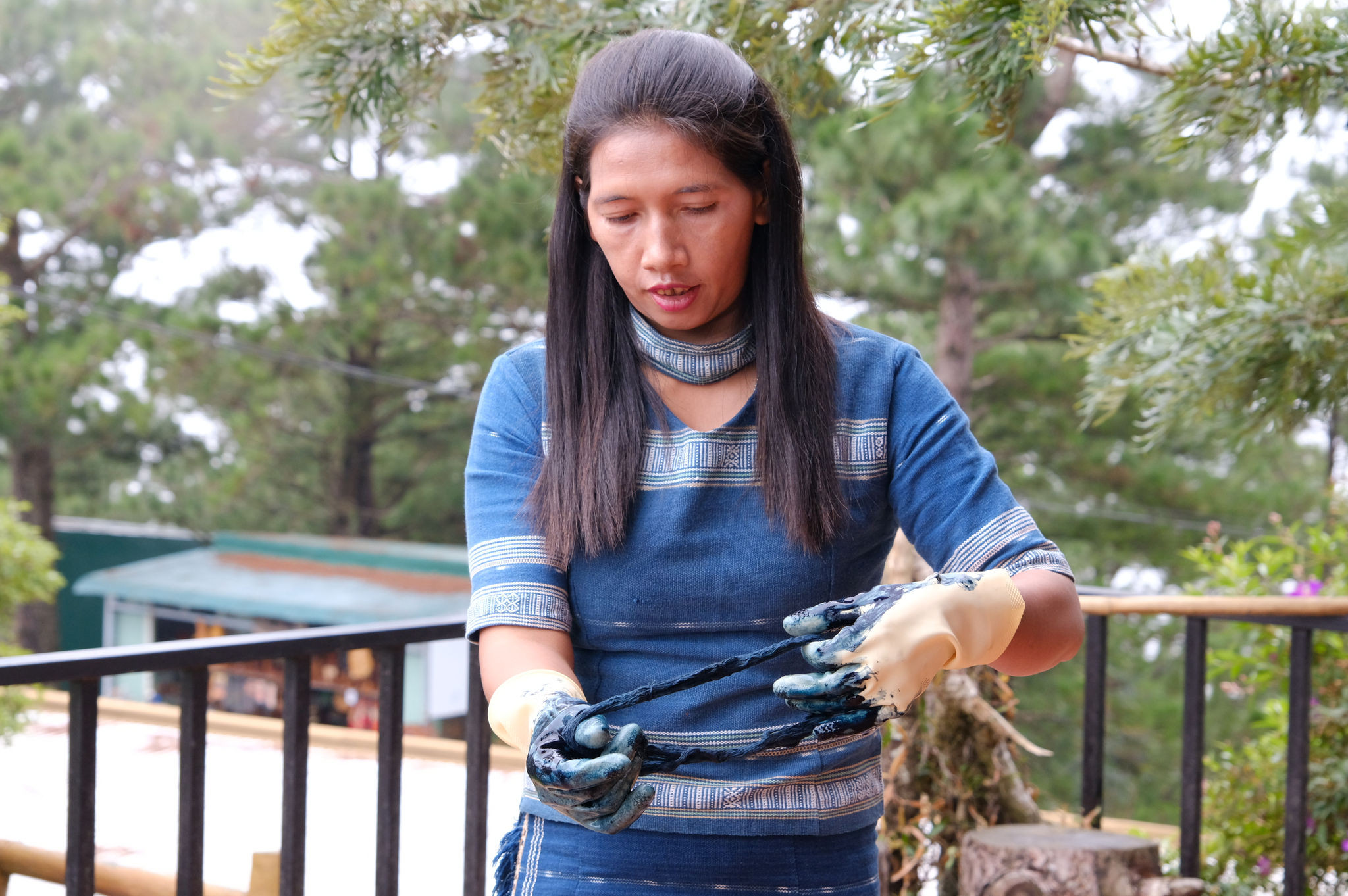
“Our ancestors passed this craft down to us, and we cannot allow it to disappear. I always teach the children in my family to understand its value, so they can carry it on after us,” Ka Gut said.
A weaver typically needs two to three days to complete a small piece of brocade. Smaller sections are then joined to create a larger textile measuring about 2 by 4 metres, which sells for approximately VND700,000. The fabric is used to make uniforms and performance costumes, and is also sold to visitors.
Each piece of brocade is more than a handicraft. It carries the weaver’s love for the craft and an entire community’s determination to preserve its identity.
Bon Nieng Ka Gut, weaver in Dung K’No village, Dam Rong 4 Commune
Weaving has become a meaningful source of supplementary income alongside farming, helping families cover living expenses while strengthening their pride in K'ho culture.
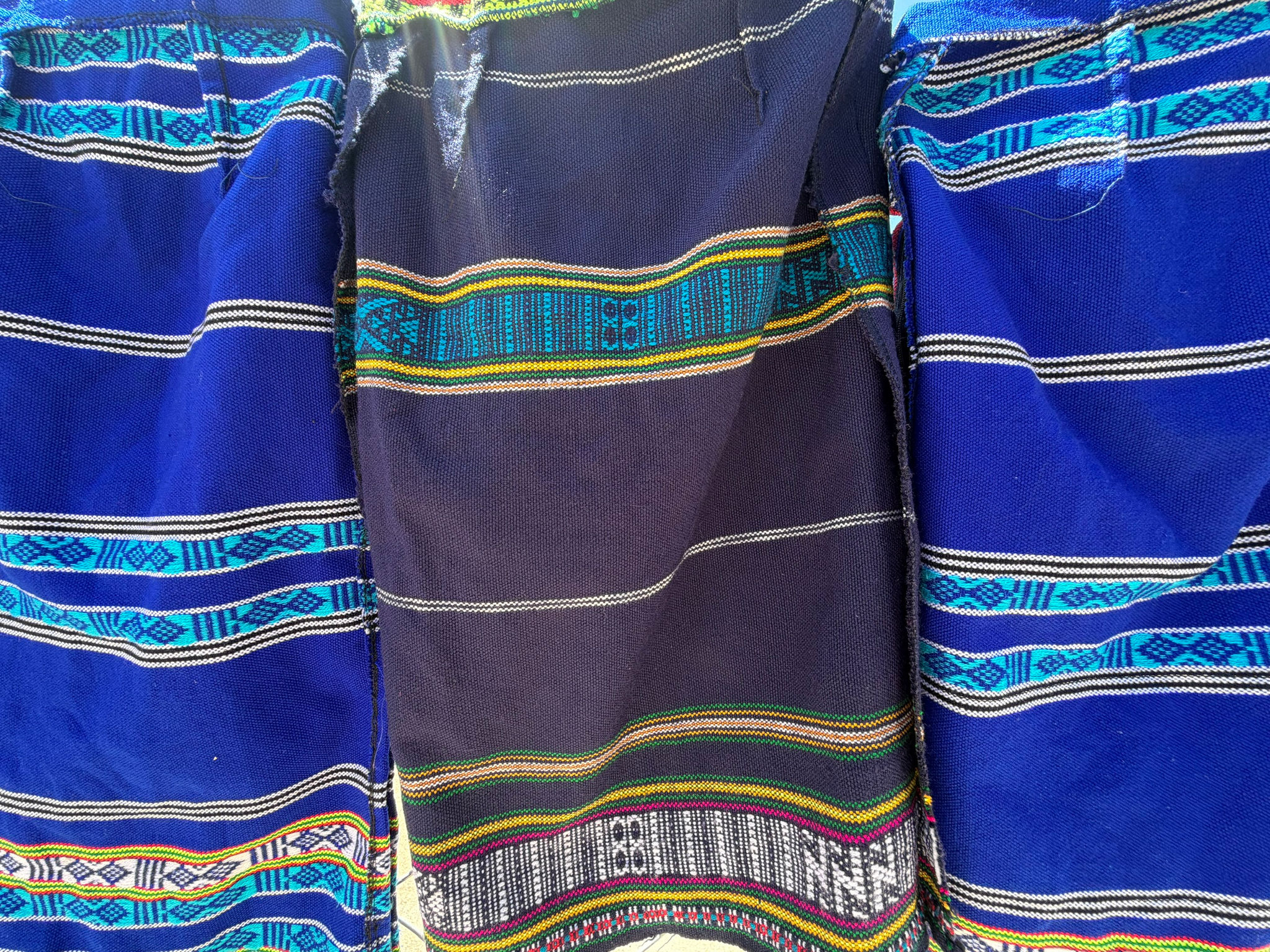
The reach of K'ho brocade from Dung K’No and other K'ho communities in Lam Dong now extends beyond local villages and national borders.
In 2018, brocade made by the Ma and K'ho communities, together with Bao Loc silk, appeared on an international fashion runway in Da Lat as part of a collection by designer Minh Hanh. The textiles were later showcased in Moscow, Russia, in a programme titled The Mystery of the Phoenix, introducing international audiences to the region’s distinctive weaving traditions.
A Gateway Opens, Carrying Heritage Further
The recent completion of Provincial Road DT722, linking Da Lat, Dung K’No, Dam Rong 4 and Dak Lak, has opened up new possibilities for the village’s weaving tradition.
Regarded as one of the scenic routes in Vietnam’s Central Highlands, the road is expected to shorten travel times between parts of the region and create opportunities for community-based tourism. It has also made transporting goods and farming equipment easier for local residents.

Lo Mu Ha Poh, Standing Deputy Secretary of the Party Committee of Dam Rong 4 Commune, said the locality was developing plans to make use of the new road, prioritizing tourism development rooted in local cultural values. Brocade weaving and the gong culture of the area’s ethnic communities are among the traditions the commune hopes to bring to a wider audience.
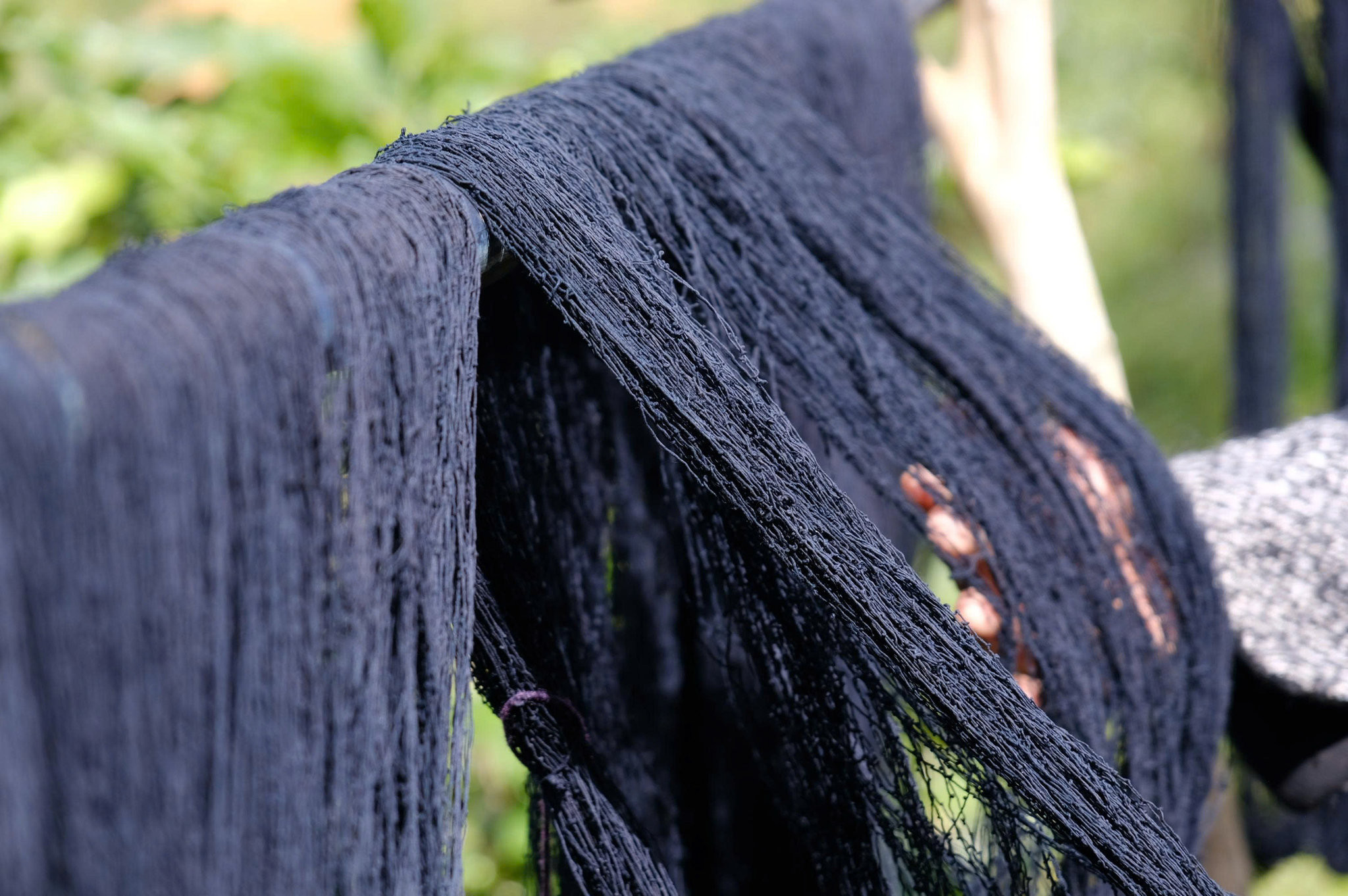
Experiential weaving activities at artisans’ homes and tours of the village’s weaving tradition are gradually taking shape. These initiatives aim to give visitors more than the opportunity to buy finished products: they can also experience the stages involved in making traditional fabric.
Beneath the clouds of Dung K’No, the soft clatter of the looms continues. The women are not simply making beautiful textiles; they are connecting the community’s past, present and future.
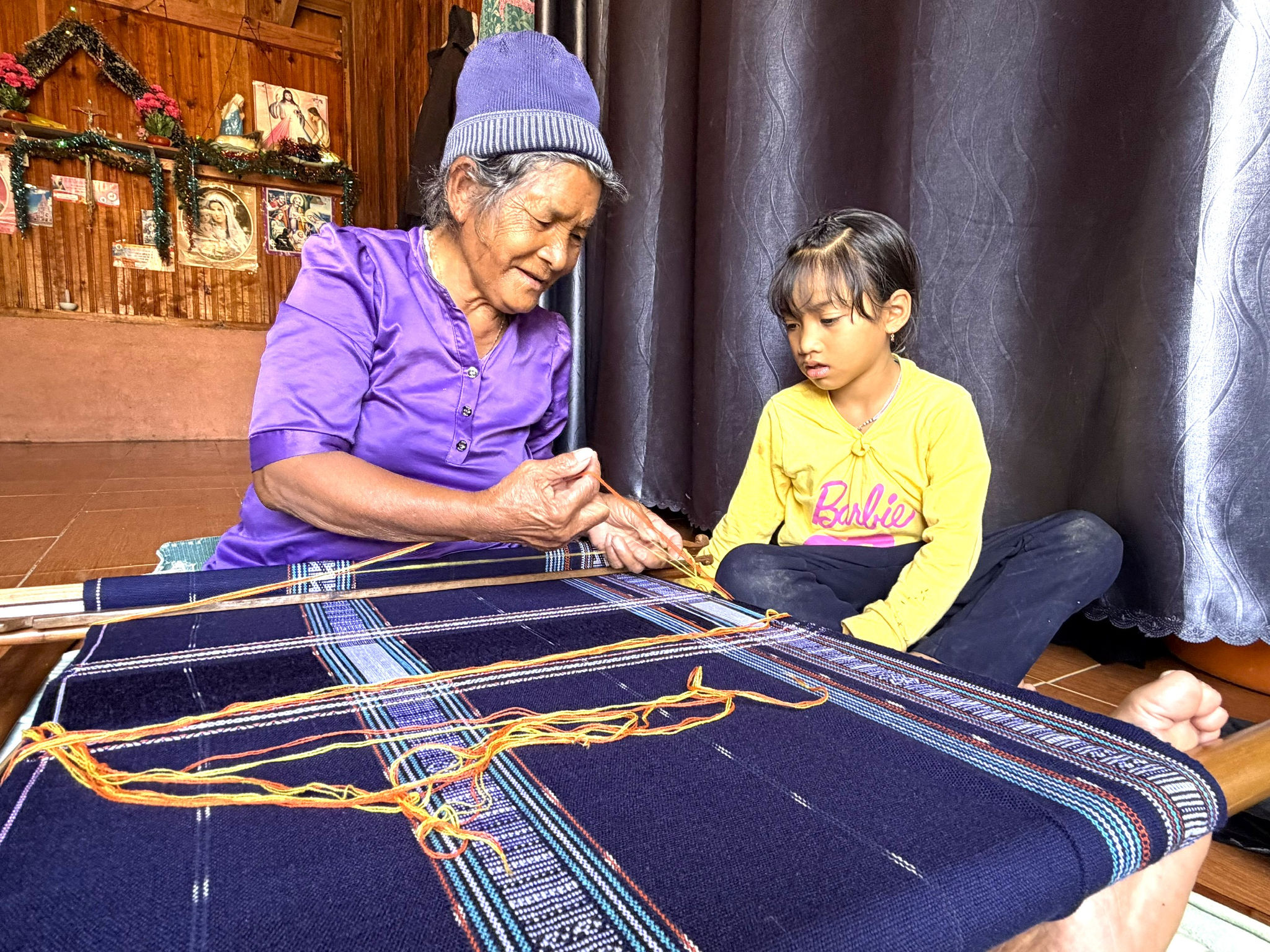
Whether sold locally or carried further afield, each piece of brocade holds the weaver’s dedication, pride in her roots and determination to preserve the cultural identity of the K'ho people.