

Lam Dong Steps Up Efforts to Meet 2026 Targets
With just over 60 days remaining to fulfill its 2026 socio-economic targets, accelerating public investment disbursement has become an urgent priority for Lam Dong. The province has assigned nine senior officials from provincial departments and agencies to work directly at major construction sites, helping investors and contractors resolve bottlenecks and speed up key projects.
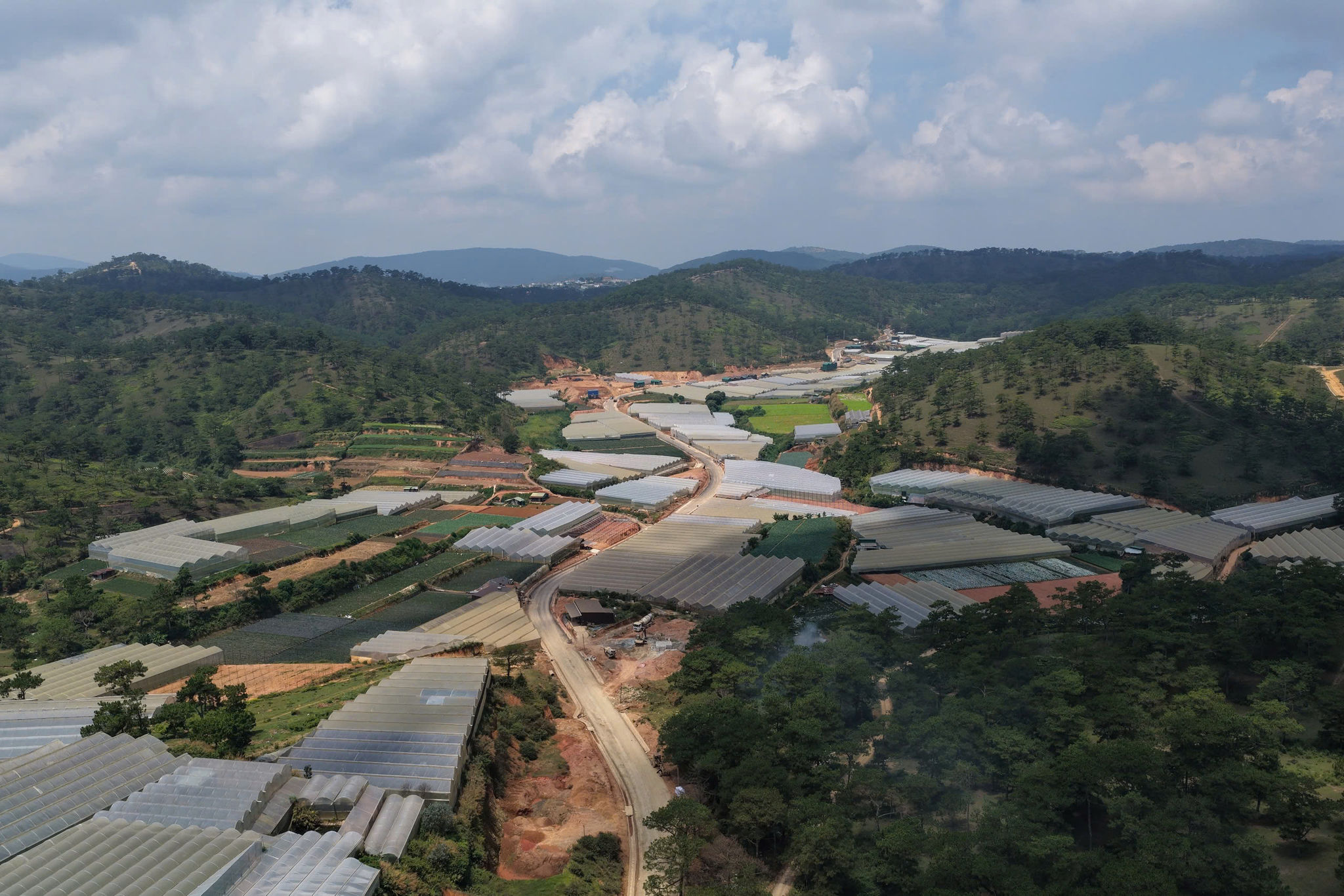
Tackling Bottlenecks at Construction Sites
At a conference reviewing socio-economic performance in October and the first 10 months of 2026, Ho Van Muoi, Member of the Party Central Committee, Deputy Secretary of the Lam Dong Provincial Party Committee and Chairman of the Lam Dong Provincial People's Committee, stressed the urgency of the year-end push.
Holding the conference earlier than usual, on October 23, sent a clear message from the head of the provincial government: progress must be reviewed proactively, shortcomings identified candidly, and individual obstacles resolved without delay.
In the first nine months of 2026, public investment disbursement in Lam Dong reached only about 54.05% of the annual plan. A substantial amount of work remains to be completed and funding to be disbursed in the final months of the year.
Chairman Ho Van Muoi called on provincial departments, agencies and local authorities to intensify their efforts, with clear accountability and deadlines for every task. Priorities include public investment disbursement, state budget revenue collection and resolving difficulties facing projects.
This directive has been translated into concrete action through the assignment of nine deputy directors from the Department of Construction, the Department of Agriculture and Environment, and the Provincial Land Fund Development Center to work directly at key project sites. The move is intended to bring provincial-level expertise and decision-making support closer to construction sites and localities, enabling bottlenecks to be addressed more quickly.

Identifying the Right Problems and Taking Targeted Action
In 2026, Lam Dong identified 21 key works and projects, including 13 financed by the state budget and eight funded by non-budget sources. They cover major areas such as road infrastructure, irrigation, urban development and tourism, industry, and high-speed rail.
A review found that project delays and difficulties are concentrated in four main areas: land clearance and resettlement; investment preparation procedures; design work; and the construction capacity of some contractors.
Assigning senior officials from relevant departments to work at the local level is intended to address these bottlenecks directly.
The involvement of leaders from the Provincial Land Fund Development Center is expected to speed up procedures for determining land origins, calculating compensation and arranging resettlement, with officials able to provide advice and handle issues directly on site.
Meanwhile, leaders of the Department of Construction will help resolve difficulties involving investment preparation procedures, planning and design appraisal, while monitoring contractors' construction capacity. The Department of Agriculture and Environment will handle issues related to land, irrigation and the environment.
When officials responsible for each sector are directly present at project sites and engage with those involved, proposed solutions can be clarified and agreed upon more quickly. This approach is also intended to reduce delays caused by documents moving back and forth between different levels of administration.
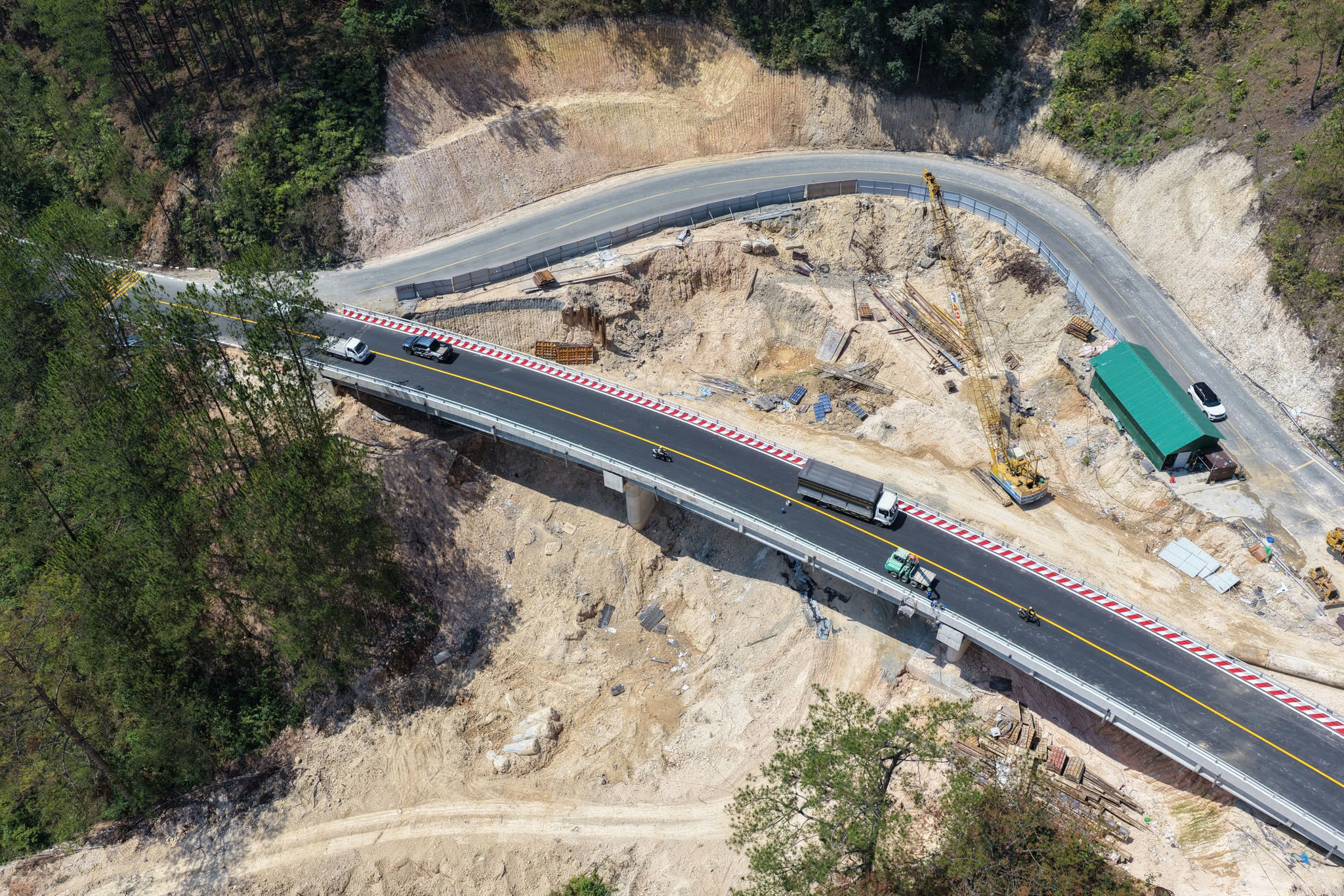
Accountability in the Final Stretch
Nguyen Duy Lang, a retired transport-sector official who regularly follows the province's socio-economic developments and now lives in Xuan Huong–Da Lat Ward, said assigning departmental leaders to construction sites was a necessary measure that addressed the practical challenges facing infrastructure projects.
However, he noted that its effectiveness would also depend on the initiative and willingness of officials at all levels to think creatively, take action and accept responsibility.
In recent years, the provincial leadership has consistently emphasized accountability, discipline and effectiveness. Sending departmental leaders to work at project sites is not intended to take over the responsibilities of project investors or project management boards. Rather, it is meant to provide direct support, share responsibility and resolve issues that exceed the authority of lower-level units. It also enables timely action to address contractors whose construction capacity is inadequate.
With little time remaining, Lam Dong is seeking to meet its 2026 targets through a more proactive management approach, with actual results serving as the measure of performance. The effort also reflects a shift toward an administrative system that stays closer to residents and on-the-ground realities, in support of the province's sustainable development.
A substantial amount of work remains to be completed and public investment funding to be disbursed in the final months of the year. Chairman of the Lam Dong Provincial People's Committee Ho Van Muoi has called on departments, agencies and local authorities to focus their efforts, assign clear responsibilities and set deadlines, and prioritize public investment disbursement, state budget revenue collection and the resolution of project-related difficulties.
Read more: Lam Dong accelerates to complete 2026 budget revenue target