

Traditional Vietnamese Music Resonates Across Generations
The first round of the 2026 National Traditional Musical Instrument Solo and Ensemble Competition has concluded, leaving a lasting impression of the vitality of traditional music. The event also highlighted the shared responsibility to preserve and promote national cultural values in line with the Politburo's Resolution No. 80-NQ/TW and the National Assembly's Resolution No. 28/2026/QH16.
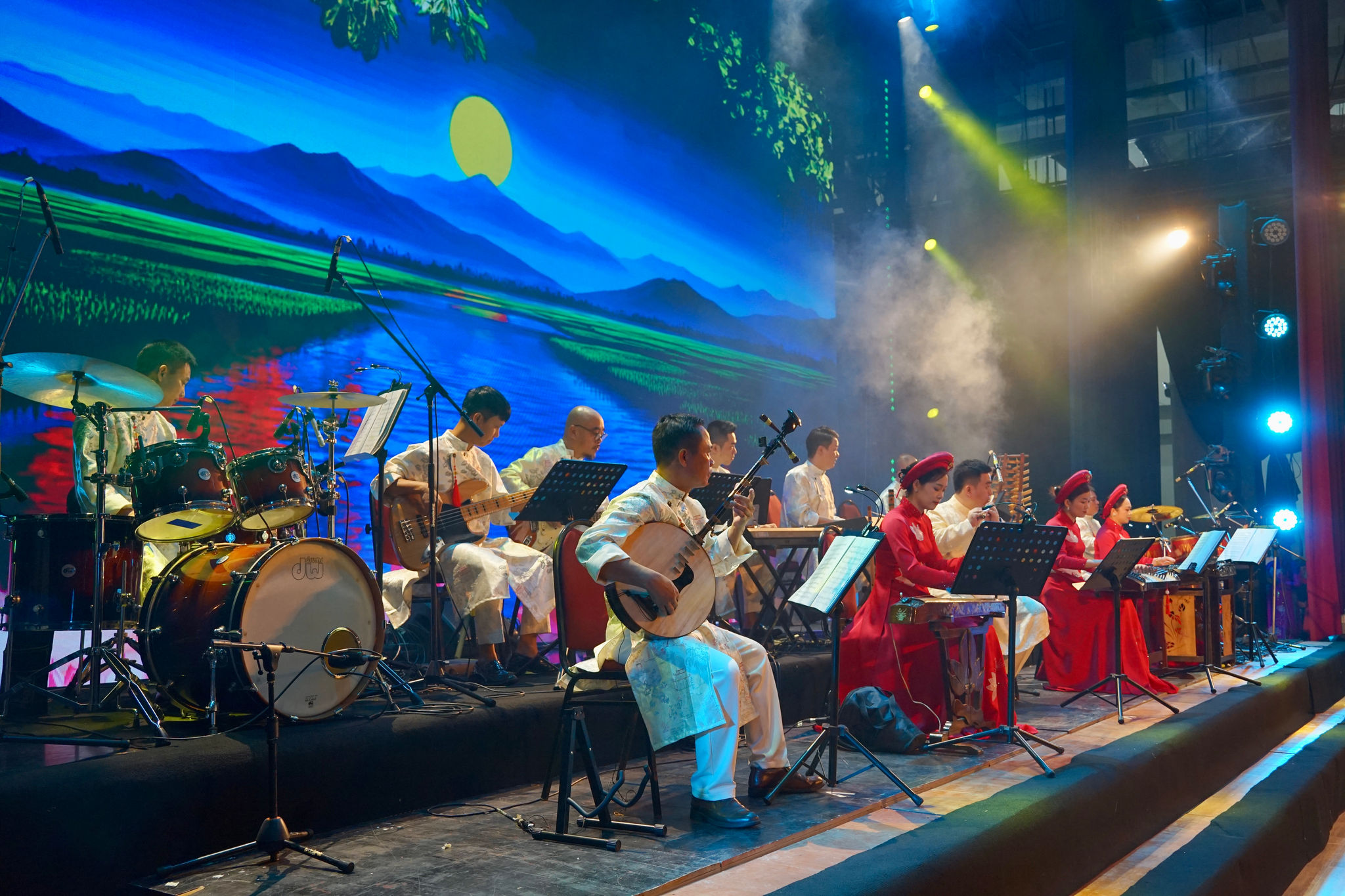
The Enduring Resonance of Traditional Instruments
Following the performances at the 2026 National Traditional Musical Instrument Solo and Ensemble Competition (first round), held at the Lam Dong Provincial Theatre and Cultural and Arts Exhibition Centre, audiences could appreciate the immense effort behind each performance, some lasting only a few minutes on stage.
Each performance told a story through music, virtuoso technique and the emotional depth of the artists. From the distant central region, where dry, scorching Lao winds sweep across the land, to Ca Mau at the southernmost tip of the country, the participating regions have all endured their own hardships and transformations. Their music carries the sentiments of generations past and the voices of people who reclaimed land, opened new frontiers and built villages and communities. Woven into every melody are memories of home, love for one's homeland and a deep-rooted faith sustained by the nation's cultural heritage.
Traditional music is a cultural heritage that must be preserved, while creativity should also be encouraged so that it can adapt to the demands of modern artistic development in the digital age. Achieving this requires not only the responsibility of management agencies, arts organisations and training institutions, but also the collective efforts of artists, audiences and the wider community.
Ta Quang Dong, Deputy Minister of Culture, Sports and Tourism
Audience member Mai Duc, from Phan Thiet Ward, said she was deeply moved after attending several consecutive evenings of performances. “I was genuinely touched. It has been a long time since I last had the opportunity to fully appreciate the melodies and distinctive sounds of Vietnam's traditional musical instruments. The young performers were outstanding and truly deserve recognition for their dedication to Vietnamese traditional music,” she said.
Traditional music has a distinctive way of reaching people's hearts. Sometimes, no elaborate words are needed; a single note from a moon-shaped lute can stir a profound longing for home. In each melody, listeners discover not only the beauty of sound but also the cultural depth distilled from everyday life.
Huynh The Thao Van, from Ham Thang Ward, shared a similar sentiment: “This is more than just a competition. It is also an opportunity to experience traditional music in its entirety. The performances were carefully staged, reflecting the artists' dedication and the distinctive character of each instrument.”
Encouragingly, alongside seasoned performers, the competition featured many young artists who have chosen to pursue traditional instruments, carrying forward the legacy of previous generations and helping bring traditional music closer to contemporary audiences.
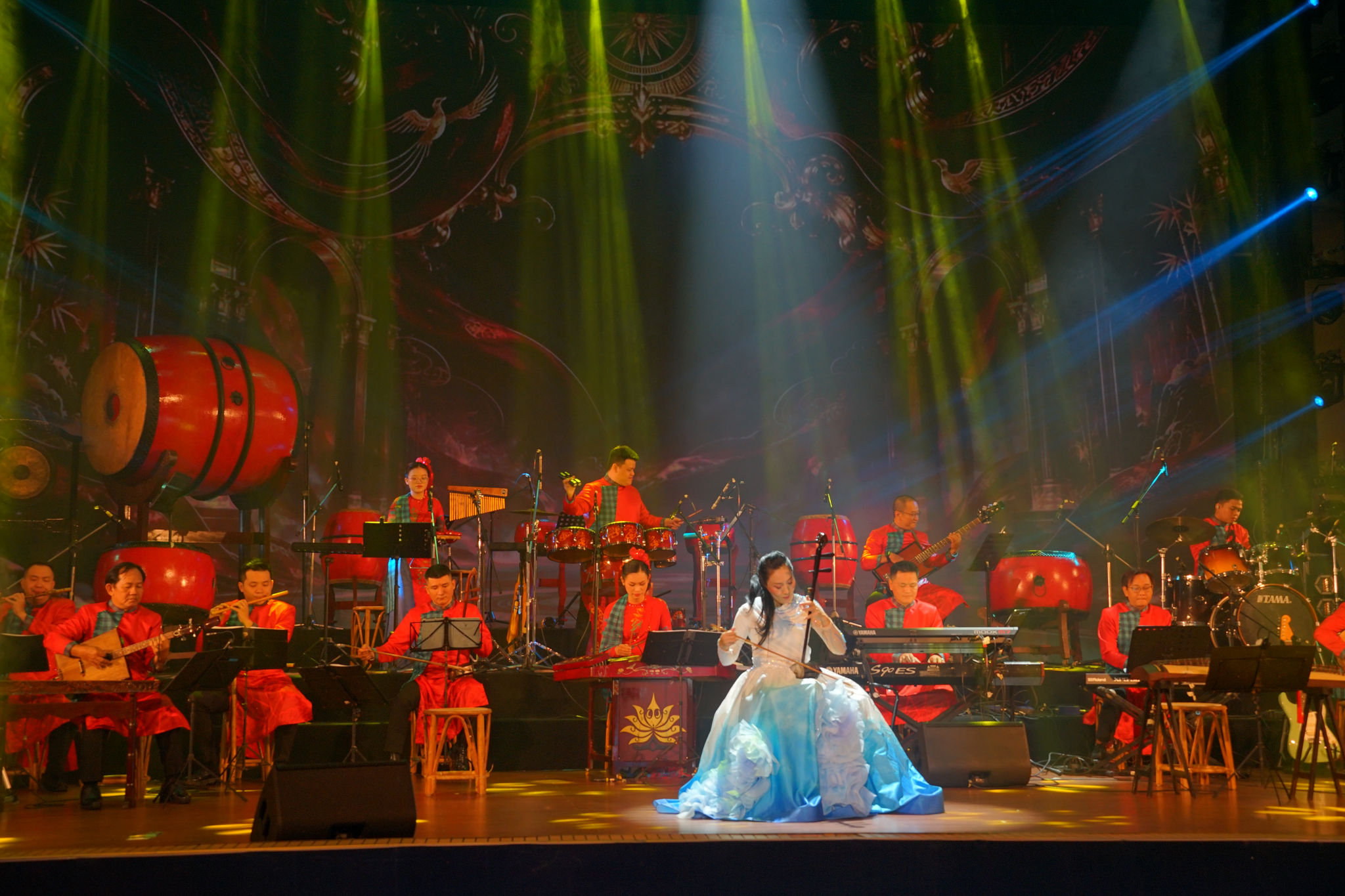
Vietnamese Musical Sounds Reach International Audiences
Under the theme “Vietnamese Musical Colours – Converging and Shining”, the competition brought together 16 participating units and nearly 400 contestants, who performed more than 50 works across a range of genres, including traditional music, folk opera, traditional folk songs, and new compositions or adaptations based on traditional musical materials.
The competition's appeal extended beyond Vietnamese audiences, attracting the attention of international visitors staying in Lam Dong. For them, the event offered a direct encounter with a musical space deeply rooted in Vietnamese cultural identity.
Elena, a Russian tourist from Saint Petersburg, expressed her enthusiasm for the event. She said that artistic programmes were regularly held where she lived, making her especially pleased to experience such a distinctive cultural event in Lam Dong. What she found particularly interesting was that each programme offered something different and brought fresh impressions.
Park Young Moo, a South Korean visitor, also showed keen interest. A music enthusiast, he learned about the competition while holidaying in the province and was eager to attend. “In South Korea, I also know how to play the flute and several other instruments, so I was very interested in learning about Vietnamese traditional music. I was surprised to discover instruments I had never heard before,” he said.
Visitors from different countries and cultural backgrounds came together through their shared emotional response to music. Through their own distinctive language, the sounds of traditional instruments, melodies and rhythms crossed linguistic barriers, offering an intimate introduction to Vietnam, its people and its cultural heritage.
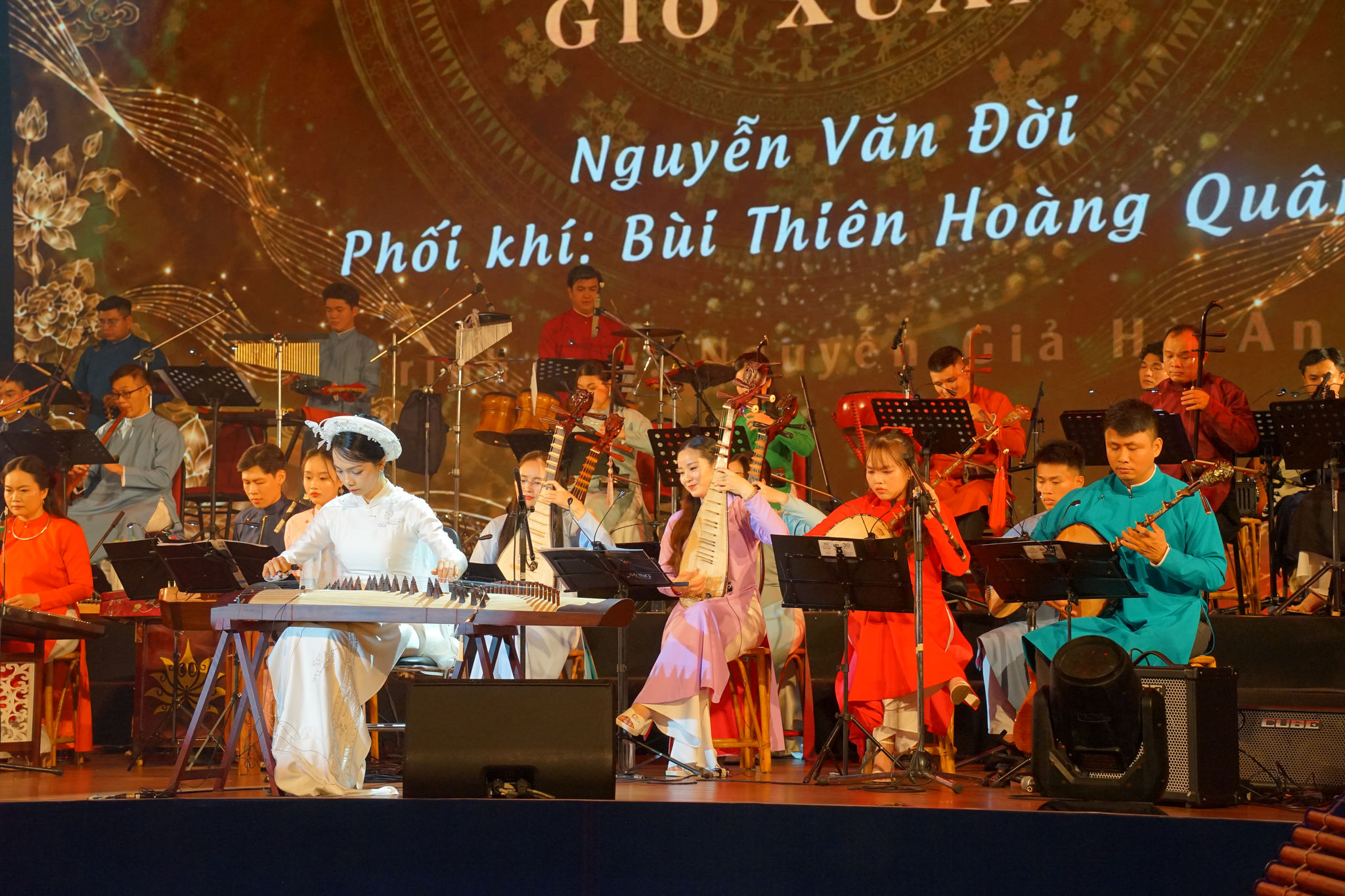
Confidence in the Next Generation
Meritorious Artist Thanh Tam, former Head of the Traditional Music Department at the Vietnam National Academy of Music and Chairwoman of the Competition's Jury, said the event showcased a rich diversity of musical styles and approaches to traditional instrumental performance. Several participating arts units made a particularly strong impression, notably some programmes presented by traditional opera and theatre troupes.
“One notable development was the participation of non-public arts organisations, as well as young artists who performed traditional classical pieces with confidence, deep understanding and impressive technical ability. This is an encouraging sign that traditional music can continue to appeal to younger generations when they are given opportunities to learn, engage with and express themselves through it,” she said.
What is particularly valuable is that many young artists are going beyond the restoration and performance of existing traditional pieces. They are actively composing, researching and exploring folk musical materials while mastering performance techniques. Their efforts help preserve the distinctive character of traditional music while giving inherited values renewed vitality and a place in contemporary life.
For some, a passion for traditional instruments begins with familiar sounds at home: a father's instrument, folk songs and melodies associated with childhood. Young musician Nguyen Khanh Dang, born in 2005 and a member of Phuong Nam Cam from Ca Mau, shared: “Since I was young, I have been fascinated by my father's music and traditional folk songs. I gradually became acquainted with various traditional instruments and learned to play the flute and drums. That passion led me to traditional performing arts.”
Behind every note lies years of rigorous practice and the transmission of knowledge and skills across generations. Ta Quang Dong, Deputy Minister of Culture, Sports and Tourism, said: “The investment reflected in each work, the performance techniques and the artists' expressive abilities have affirmed the value and appeal of Vietnamese traditional music. The competition has also contributed to preserving, honouring and promoting folk and traditional musical heritage, highlighting the distinctive character of traditional music in Vietnam's cultural life.”
The competition has come to a close, but its legacy extends beyond the memorable performances. It has also reinforced confidence in the enduring vitality of national culture. The musical heritage of Vietnam will continue to be preserved, passed down and shared with audiences in contemporary life.