

Infrastructure breakthroughs highlight public-private partnerships in Lam Dong
In Lam Dong's current socio-economic development landscape, transport infrastructure is emerging as a decisive driver of growth. To overcome connectivity constraints caused by its diverse terrain, the province has been actively promoting public-private partnerships (PPPs), turning private capital into a strategic lever for large-scale projects and creating new development space across the region.
Transport bottlenecks and the funding challenge
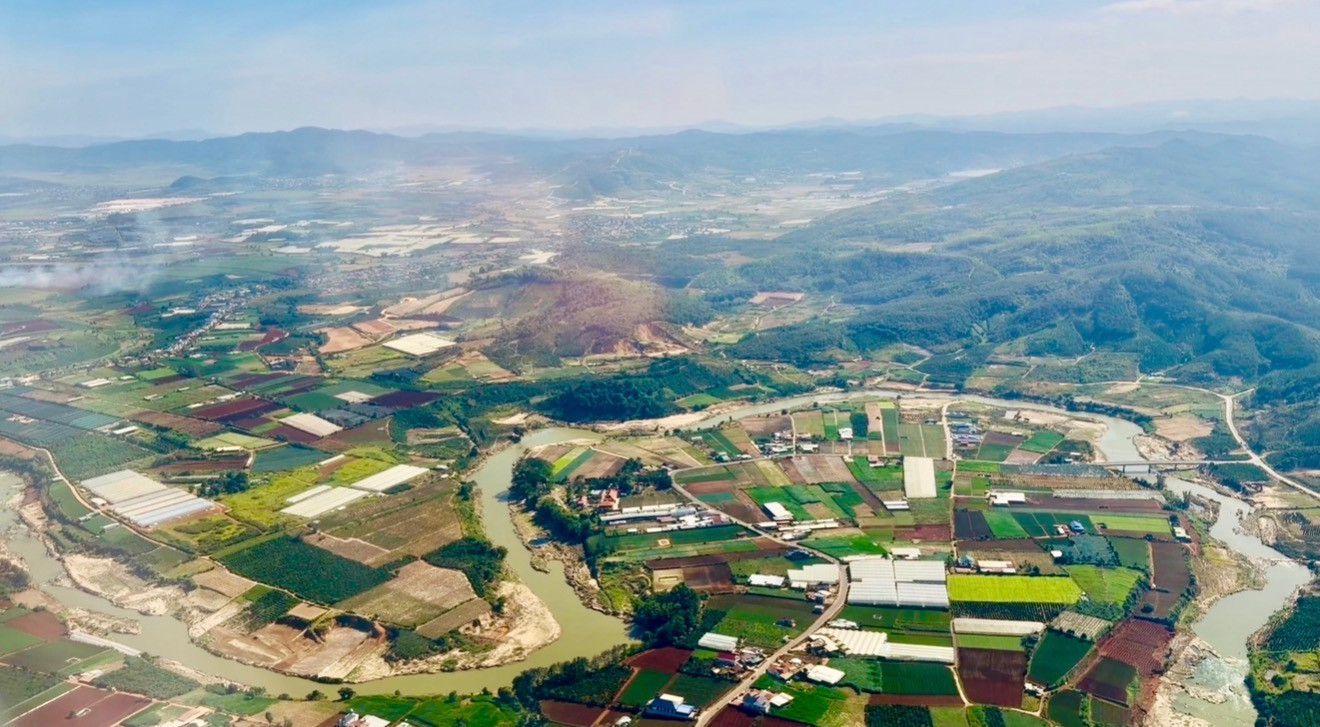
Lam Dong now spans a vast and diverse area from the highlands and mountainous regions to the coast, creating greater demands for transport planning, investment and management. Strengthening interregional connectivity, completing the infrastructure network and improving links among the province's three major centers are essential to shorten travel times for goods, agricultural products and tourists.
Upgrading, expanding and building expressways, national highways and other key routes require substantial investment. With state budget resources limited, relying solely on public investment would slow infrastructure development.
Lam Dong is therefore promoting more flexible investment mechanisms, particularly public-private partnerships (PPP), to mobilize private capital for large-scale, technically complex transport projects. The model is expected to accelerate key infrastructure projects, improve connectivity and support the province's development in the new period.
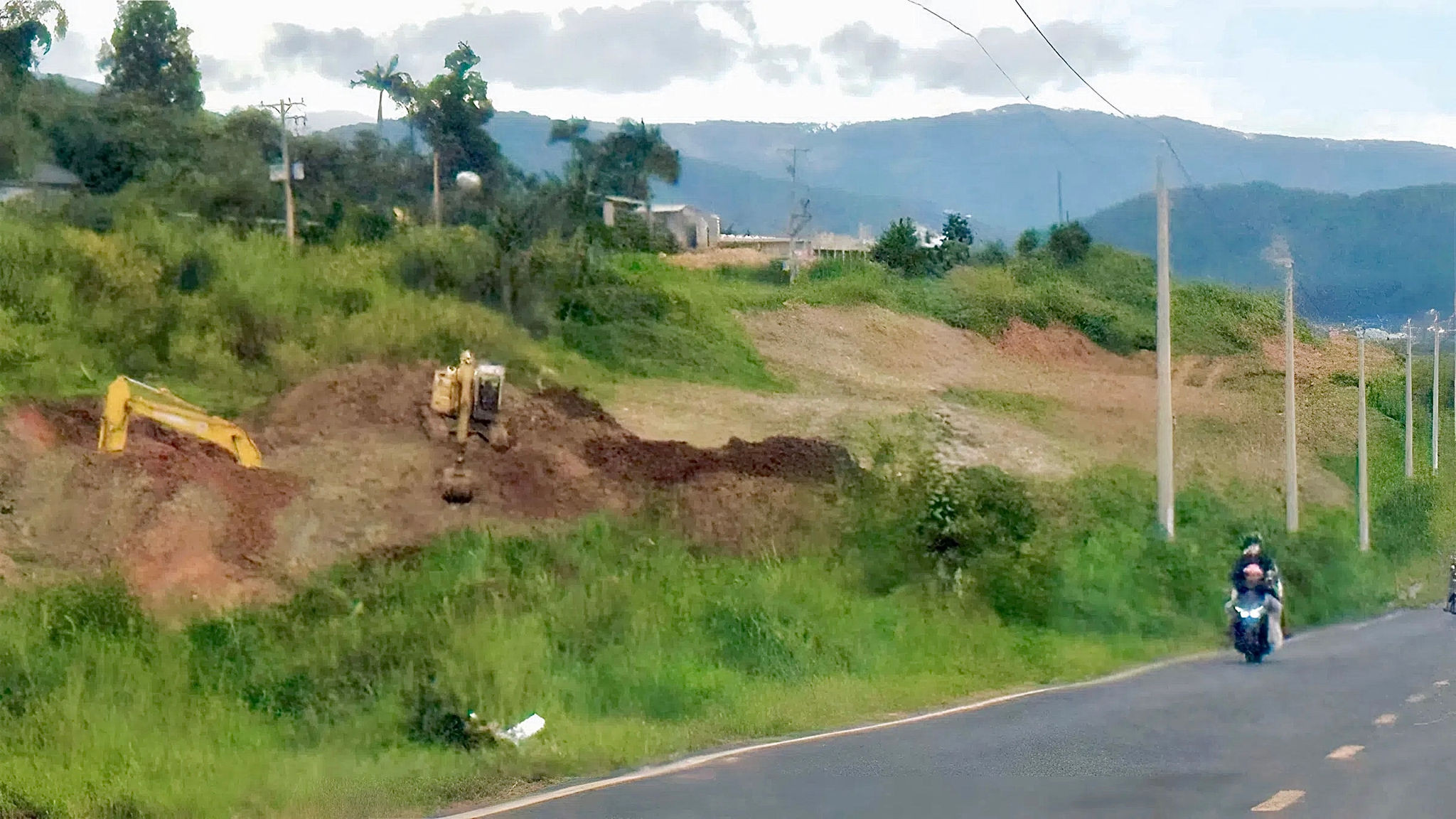
By actively working with investors, sharing risks and creating a favorable legal framework, the province has gradually unlocked non-budget capital. PPP investment is increasingly seen as a key solution to Lam Dong's transport funding bottleneck.
One example is the Dau Giay - Lien Khuong Expressway, considered a vital transport corridor, which is expected to reduce travel time from Ho Chi Minh City to Da Lat to under three hours.
The participation of major corporations and investors through PPP not only helps ease pressure on National Highway 20 but also creates a key transport axis to boost trade.
Public-private capital is also making a growing impact on urban infrastructure and logistics, including smart parking facilities, industrial cluster infrastructure and agricultural logistics centers. These projects are strengthening the emerging supply chain and expanding Lam Dong's socio-economic development space.
A strategic infrastructure boost
On October 28, the 11th Lam Dong Provincial People's Council for the 2026-2031 term approved a resolution adjusting the investment policy for the Tan Phu - Bao Loc Expressway under the PPP model.
The project's financing structure reflects a typical public-private partnership, combining state and private capital. The project is targeted for technical opening in the third quarter of 2028 and full completion and operation in the fourth quarter of 2028.
The Tan Phu - Bao Loc Expressway has a preliminary total investment of about VND 17.561 trillion. State capital accounts for around VND 6.5 trillion, or about 37% of total investment, and will mainly be used for compensation, site clearance and resettlement in Lam Dong and Dong Nai, as well as partial support for construction costs.
Investor-mobilized capital totals around VND 11.061 trillion, or about 63% of total investment, including investor equity, bank loans and other lawful funding sources.
The Bao Loc - Lien Khuong Expressway has a total investment of VND 19 trillion. State budget capital accounts for about 47%, mainly for site clearance and construction support, while nearly 53% will be mobilized by investors through equity and credit.
Under this public-private financing model, the State's commitment to handling site clearance and contributing 37-47% of total project capital helps reduce initial risks, improve investment returns and strengthen investor confidence, allowing the private sector to contribute more than half of the required funding.
This clearly demonstrates the role of public capital as seed funding. For every VND 1 of state budget capital, around VND 1.7 in private investment can be mobilized, helping the province finance large-scale infrastructure without placing excessive pressure on the state budget.
Ho Van Muoi, member of the Party Central Committee, Deputy Secretary of the Lam Dong Provincial Party Committee and Chairman of the Provincial People's Committee, has repeatedly affirmed the provincial government's determination to resolve bottlenecks related to site clearance and administrative procedures.
He emphasized that completing and putting the projects into operation on schedule would create strong momentum for Lam Dong's socio-economic development in the years ahead.
Representatives of strategic investors have also pledged to mobilize maximum financial resources, modern machinery and equipment, and experienced engineering teams to accelerate construction and complete projects on schedule in line with the targets set by the Lam Dong Provincial Party Committee and Provincial People's Committee.