

Bringing Agricultural Traceability to Digital Platforms
Scanning a QR code to identify a producer is only the first step in tracing a product's origin. Lam Dong is developing and operating a traceability information system to help businesses connect data and ensure transparency throughout the agricultural supply chain.
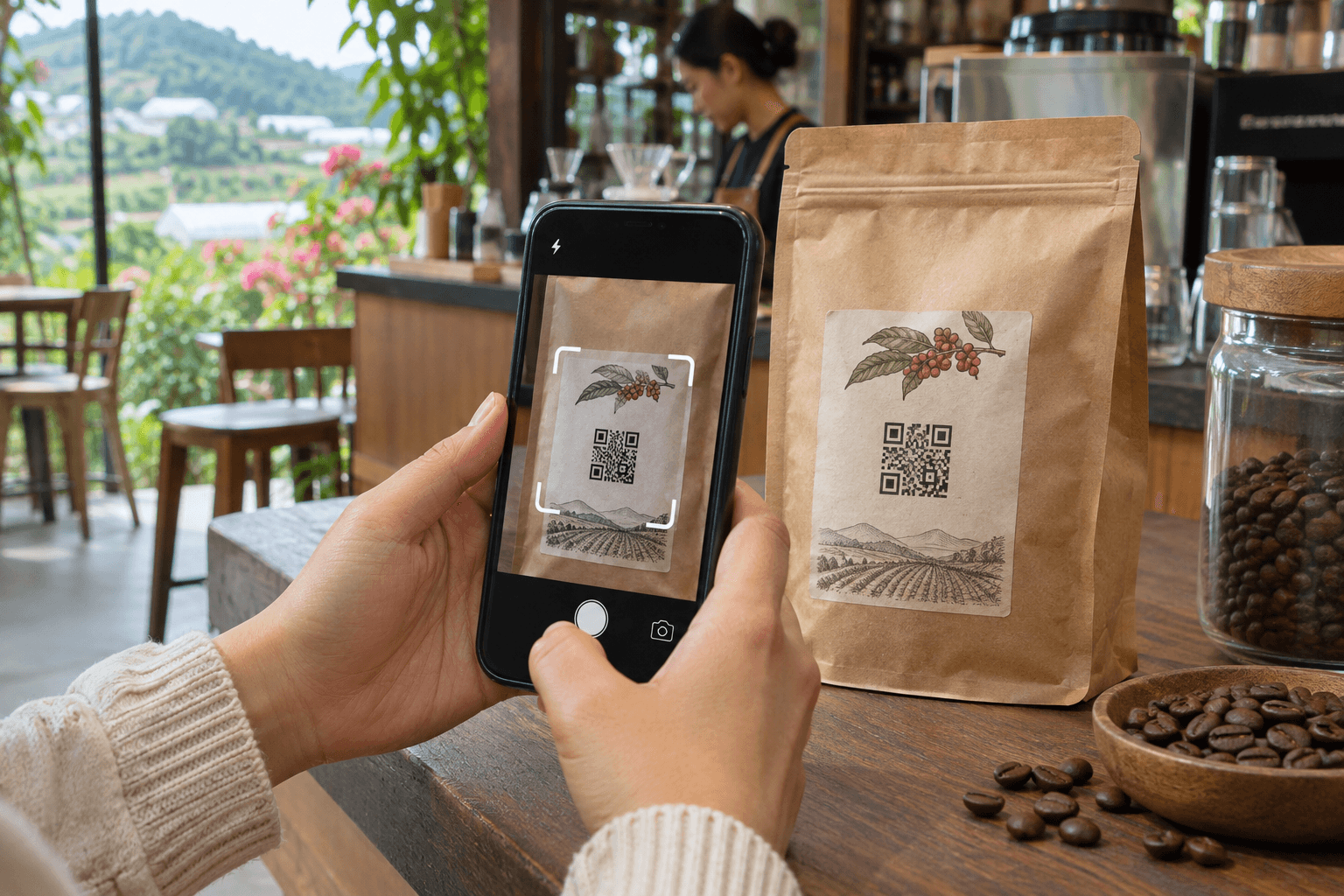
An agricultural product passes through several phases before it gets to consumers, including growing, processing, packaging, and distribution.
To grasp this process, fundamental details about the production location must be complemented with information that is directly associated with the product.
To address this need, Lam Dong has created a management system for tracking information about products and goods. The implementation of this system offers businesses a valuable tool for organizing data and simplifies the process for consumers to obtain information about local agricultural products.
Connecting Information from Farms to Finished Products
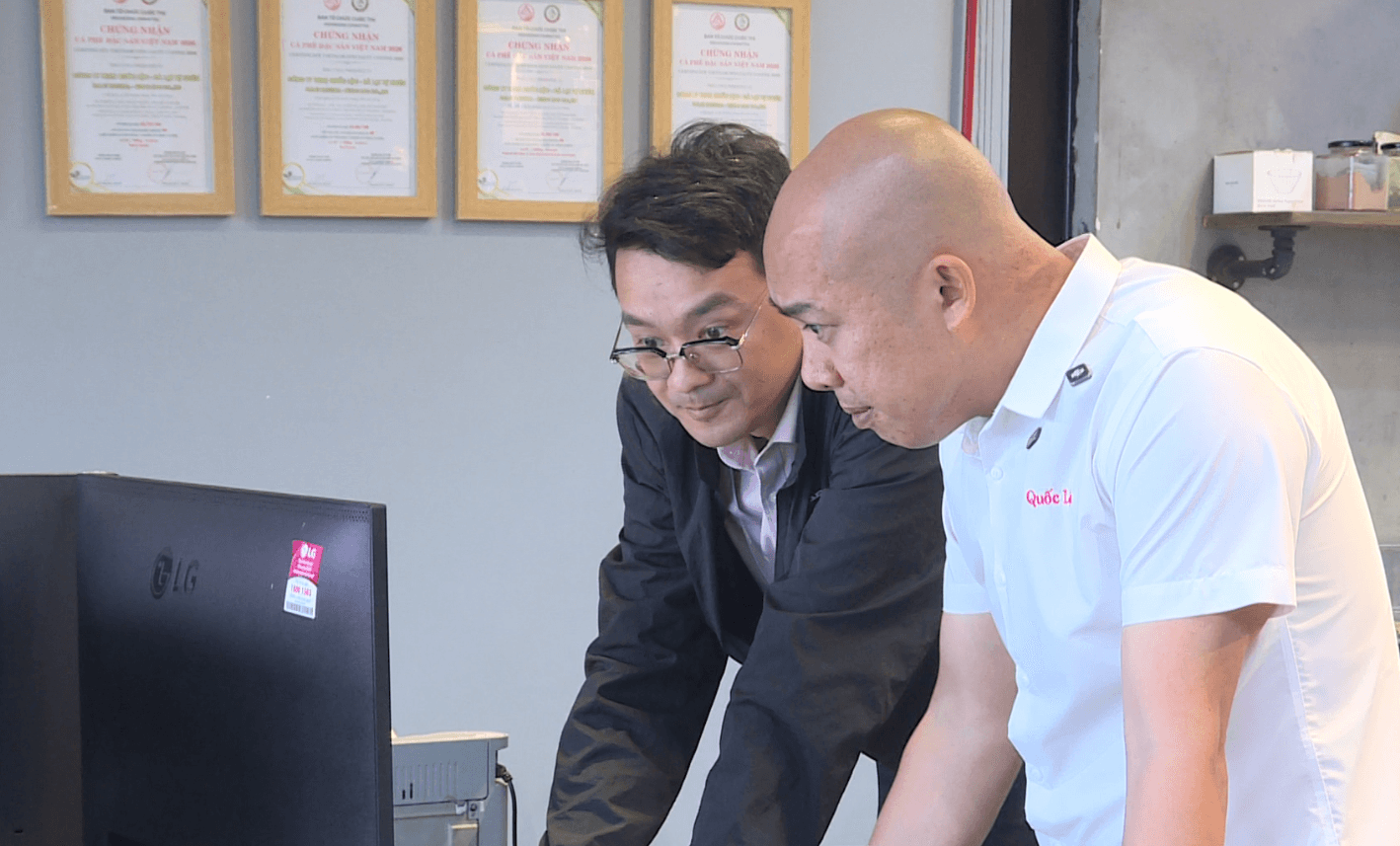
In the provincial framework, Quoc Loc – Da Lat Tu Nhien Co., Ltd., located in Duc Trong Commune, has documented its business details, coffee offerings, and cultivation regions.
The accessible information allows customers to better understand the origins of the products while giving the company an additional platform to market goods connected to their source materials.
"For agricultural items, linking information is crucial since the quality of the product relies on various stages throughout the supply chain. Well-maintained records simplify the process for businesses to share information with partners, verify raw materials, and track the production of finished products," stated Duong Quoc Loc.
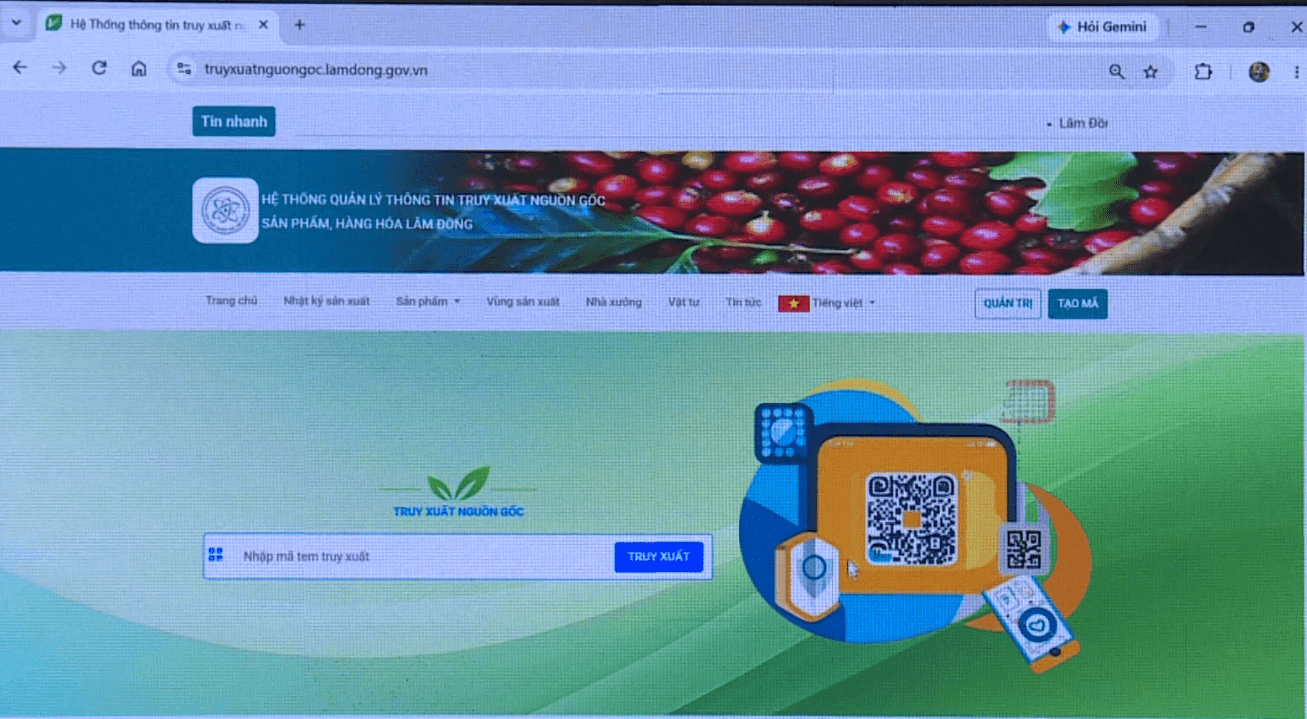
The software offered by Viettel Lam Dong encompasses sections dedicated to products, production regions, processing facilities, and production logs. These components lay the groundwork for companies to input data from their actual operations, systematically creating records that can be accessed and revised.
For instance, when dealing with a batch of coffee, the details regarding input materials must be connected to the processing, packaging, and finished product phases.
Once all information is accurately documented, the traceability system can assist businesses in pinpointing relevant production stages for inspections or addressing customer complaints about the goods.
Thus, product traceability aids in both marketing efforts and production oversight. With the information stored, businesses can review and verify records while also being able to provide necessary supporting evidence to customers as needed.
Supporting Businesses Throughout Implementation
Establishing the platform is just the initial phase. To ensure the system provides its intended advantages, there needs to be ongoing collaboration among technology providers, relevant authorities, and businesses throughout its usage.
Each entity has distinct responsibilities, all aiming to keep information thorough and easily accessible.
For businesses, designating staff to update information, keep production logs, and regularly verify data is vital for enhancing the system's records.
When the data accurately describes the circumstances on farms and within processing facilities, each inquiry can offer consumers increased insights about the product.
In the case of coffee, durian, and other important local agricultural products, clear traceability can assist businesses in finding partners and broadening their markets.
Nevertheless, traceability information must align with product quality, safety standards, and the specific needs of target markets to build consumer trust.
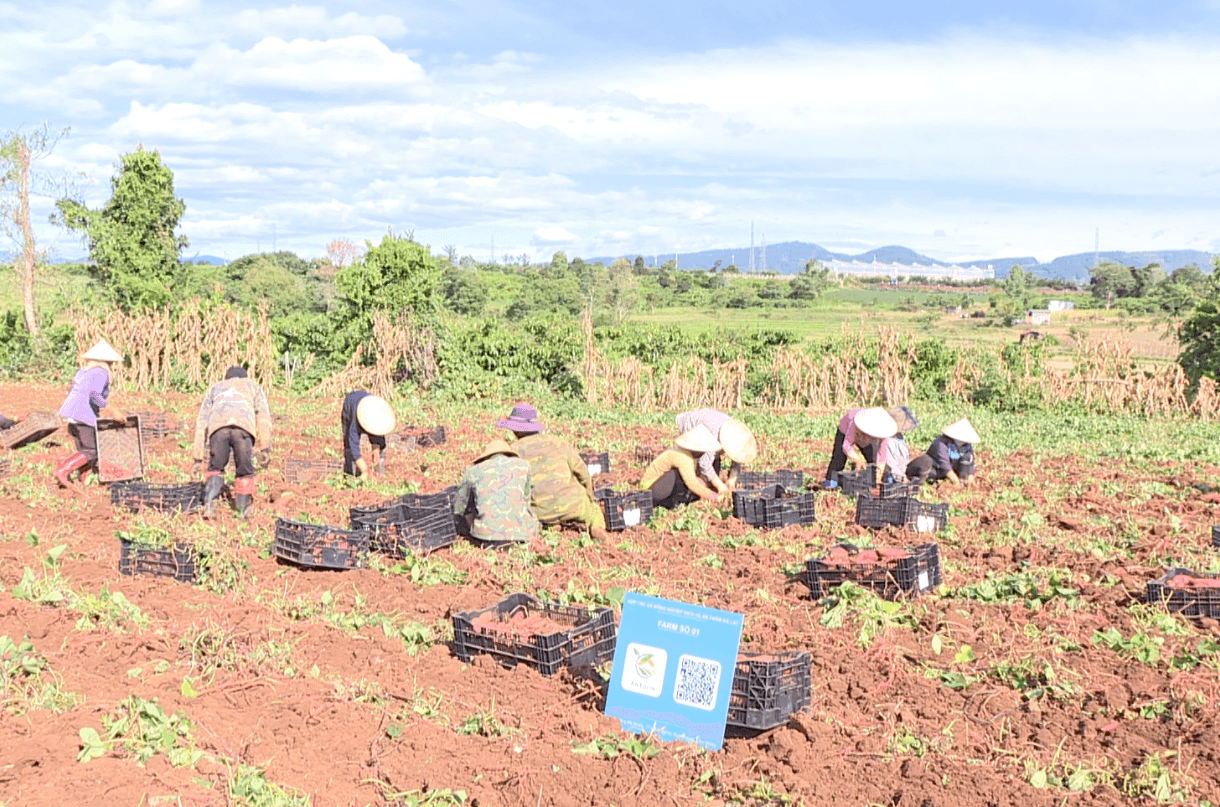
Lam Dong's efforts to develop and operate its traceability system are creating more favorable conditions for businesses to participate in this process.
Through a shared platform, information about agricultural products can be better connected and presented transparently, helping build consumer confidence and enhance the competitiveness of local products.