

Lam Dong Steps Up Efforts Around the Clock to Achieve “Double-Digit” Growth
With just over 50 days remaining to achieve annual growth of more than 10%, Lam Dong has entered a final sprint, working through weekends and holidays. The entire political system has been directed to race against time, stay close to local conditions and remove bottlenecks in individual projects, aiming to drive fourth-quarter GRDP growth to at least 12.88%.
Accelerating Growth in the Final Sprint
In recent months, the Lam Dong Provincial People’s Committee has maintained continuous and decisive leadership and management. In Week 43 alone, from October 23 to 30, 2026, provincial leaders attended 20 important meetings involving central agencies, the Provincial Party Committee and the Provincial People’s Council.
Provincial leaders also chaired 25 thematic working sessions to address difficulties facing non-state-funded projects, accelerate public investment disbursement, increase budget revenue and resolve issues involving surplus public assets.
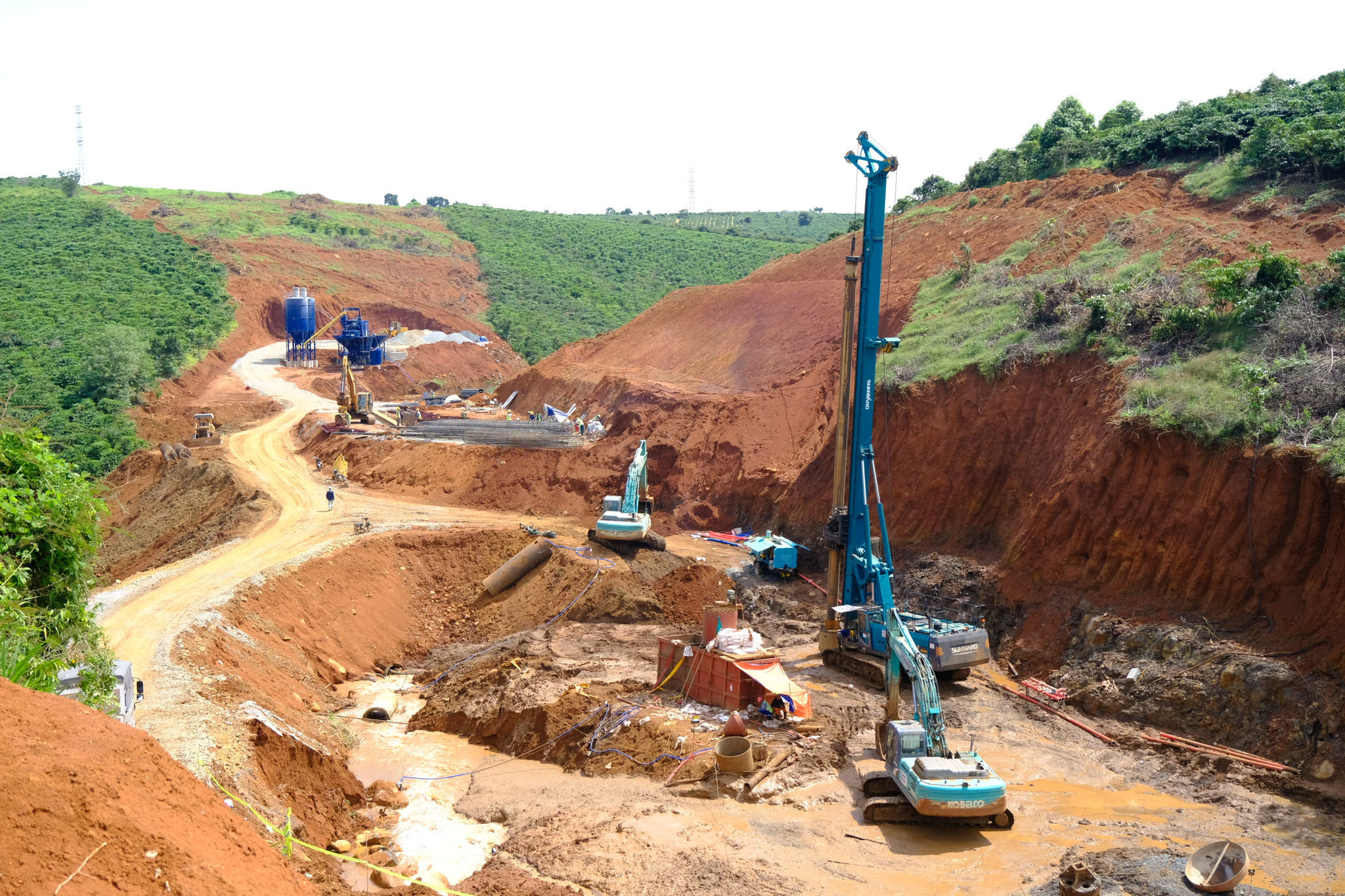
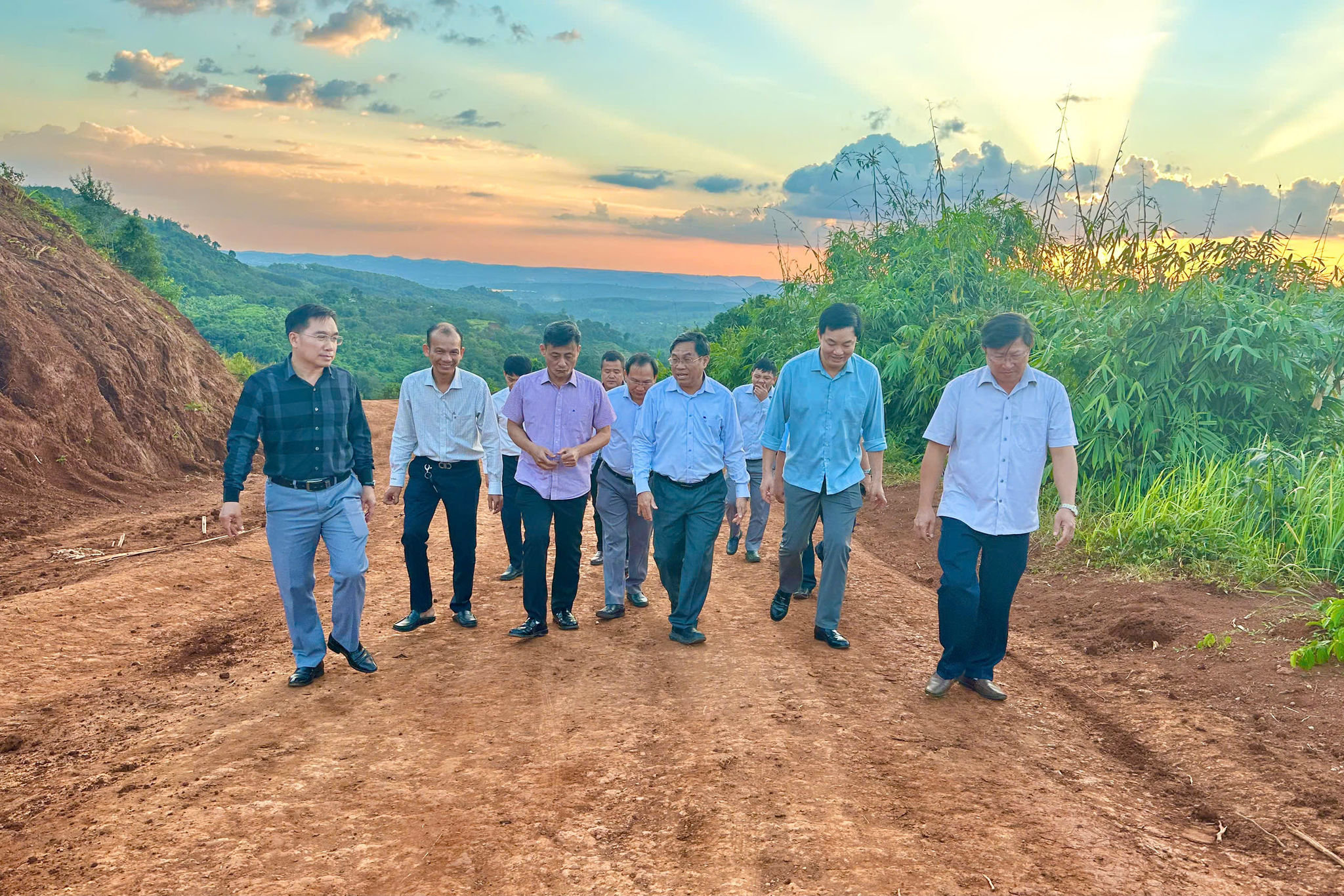
Numerous field inspections were also conducted, ranging from checks on the Bao Loc–Lien Khuong Expressway to working visits to Ta Hine and Ta Nang communes on public investment, forest protection and new-style rural development. The Provincial People’s Committee received more than 3,500 documents and issued over 920 directives covering various sectors.
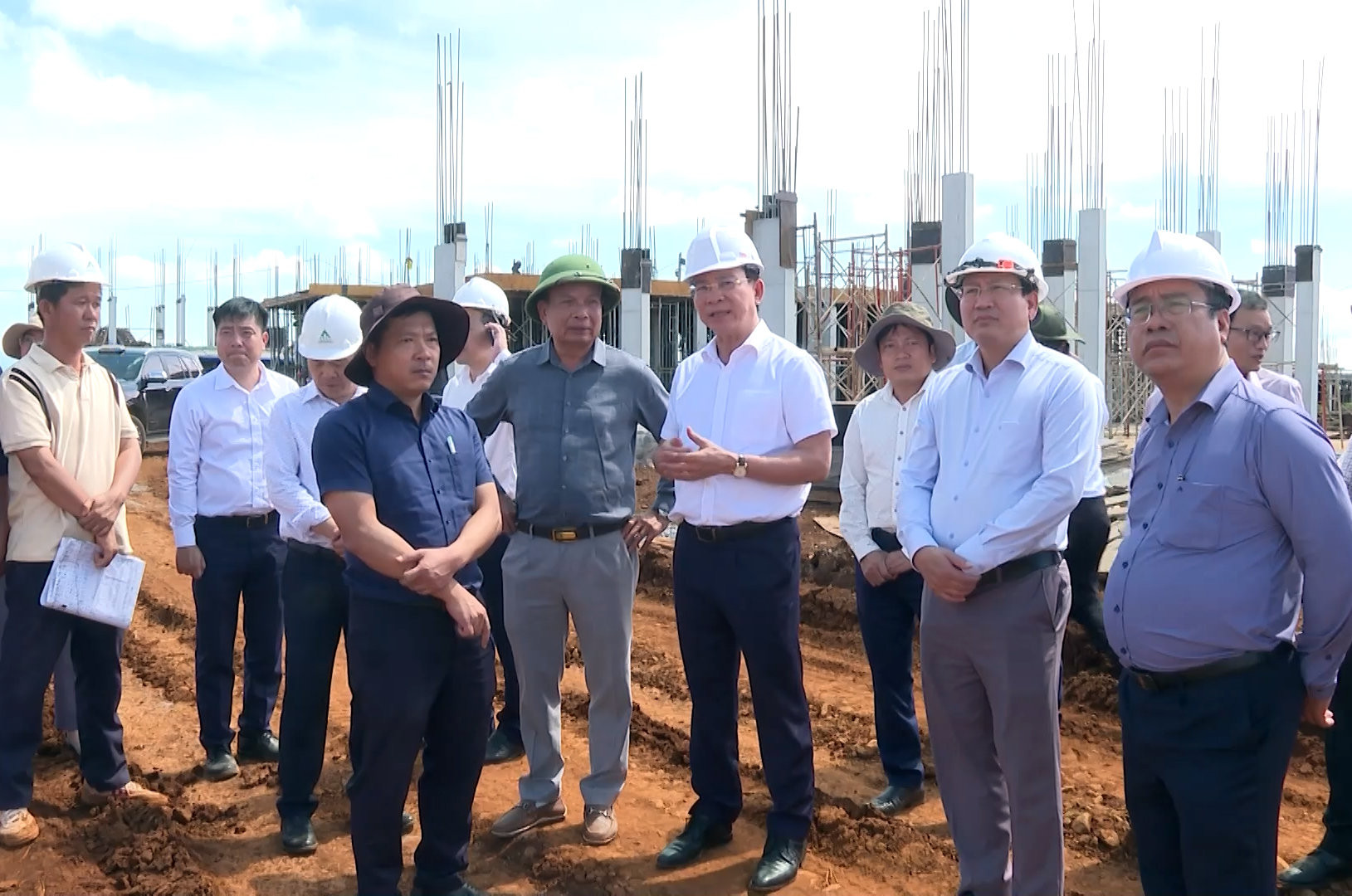
According to Ho Van Muoi, Member of the Party Central Committee, Deputy Secretary of the Provincial Party Committee and Chairman of the Lam Dong Provincial People’s Committee, the final months of 2026 are particularly important, as they will determine the province’s performance in meeting its socio-economic development goals, targets and tasks.
Heads of departments, agencies and local administrations must take full responsibility to the Provincial People’s Committee and its Chairman for the progress, quality and results of assigned tasks. Agencies must promptly resolve difficulties and obstacles, prevent delays and backlogs, and absolutely avoid shirking or shifting responsibility.
Ho Van Muoi, Member of the Party Central Committee, Deputy Secretary of the Provincial Party Committee and Chairman of the Lam Dong Provincial People’s Committee
Thanks to coordinated efforts across the political system, the province’s economic performance has shown significant positive changes. In particular, efforts to resolve difficulties facing businesses and investors have produced tangible results.
Of the 365 non-state-funded projects facing difficulties and obstacles, Lam Dong has resolved issues or concluded monitoring for 237, equivalent to 64.93%. Among these, 50 projects have commenced operations, with total investment exceeding VND36.4 trillion, while 38 projects have resumed construction.
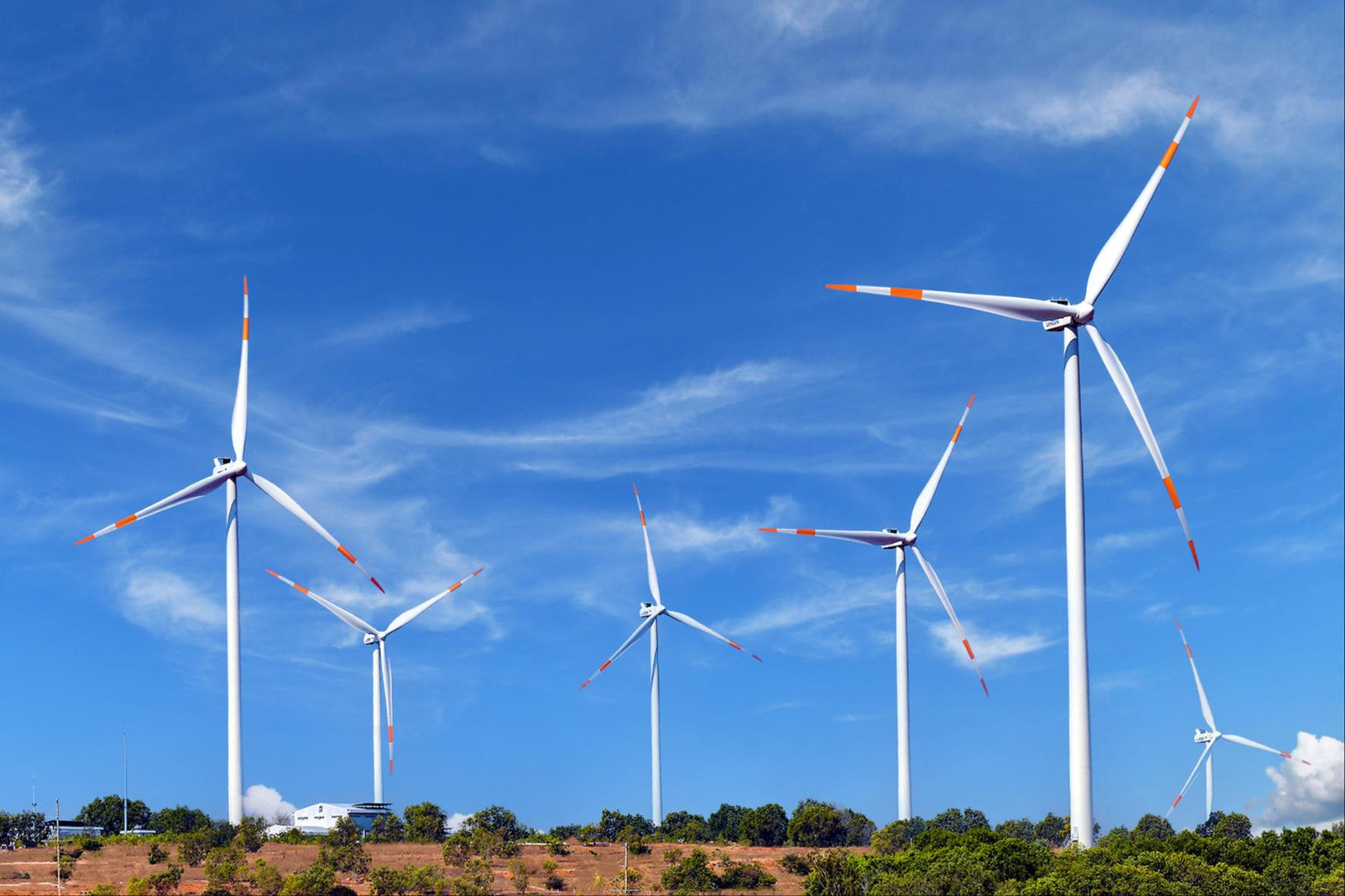
Chairman Ho Van Muoi has instructed departments and agencies to work closely with local authorities and take decisive action to address obstacles facing non-state-funded investment projects. For projects whose difficulties have been resolved, local authorities must coordinate with relevant specialized departments to work directly with investors and businesses, prioritizing those capable of commencing operations immediately.
Total state budget revenue in the province reached VND28.933 trillion, an increase of more than VND1.5 trillion in just one week, equivalent to 89.27% of the estimate assigned by the central government.
Lam Dong has also fully resolved issues involving 795 of the 1,255 surplus public buildings and land plots, ranking 12th among 34 provinces and cities. Its completion rate of 76.8% is higher than the national average pace.
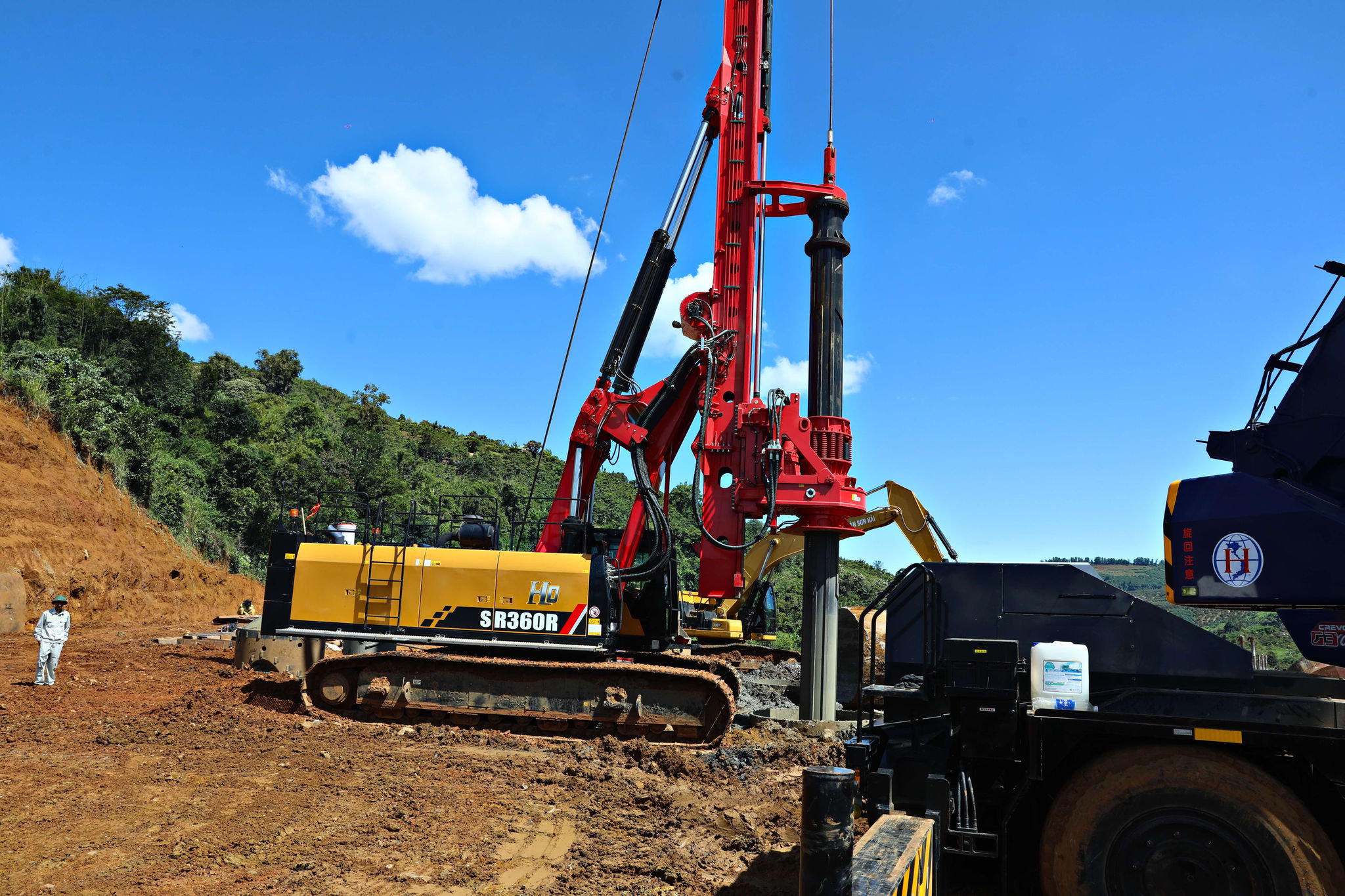
Regarding public investment disbursement, Chairman Ho Van Muoi has called on departments, agencies and relevant units to take decisive action and closely monitor construction progress on every project. Obstacles related to land, construction materials and site clearance must be addressed as a priority.
Regarding surplus public assets, buildings and land, the provincial chairman has called for greater efforts to lease or auction them, stressing that public assets must not be left unused and become a waste of state resources.
Despite these positive results, GRDP growth in the first nine months remained 0.69 percentage points below the projected scenario. In October 2026 alone, GRDP growth was 2.88 percentage points below the projected rate of 11.41%. The shortfall was concentrated mainly in manufacturing and processing, as well as wholesale and retail trade. These gaps must be made up in the final months of the year.
Year-End Pressure and the Demand to Work Without Days Off
Under the growth scenario, to achieve annual growth of more than 10%, Lam Dong’s GRDP must increase by 12.43% in November and 14.47% in December. This is a considerable challenge amid low revenue from land-related sources, high interest rates and increasingly complex natural disasters.
Chairman Ho Van Muoi stressed: “For a province as geographically extensive as Lam Dong, raising GRDP growth by one percentage point is a very substantial undertaking. Nevertheless, the 10% GRDP growth target must be achieved and cannot be revised downward.”
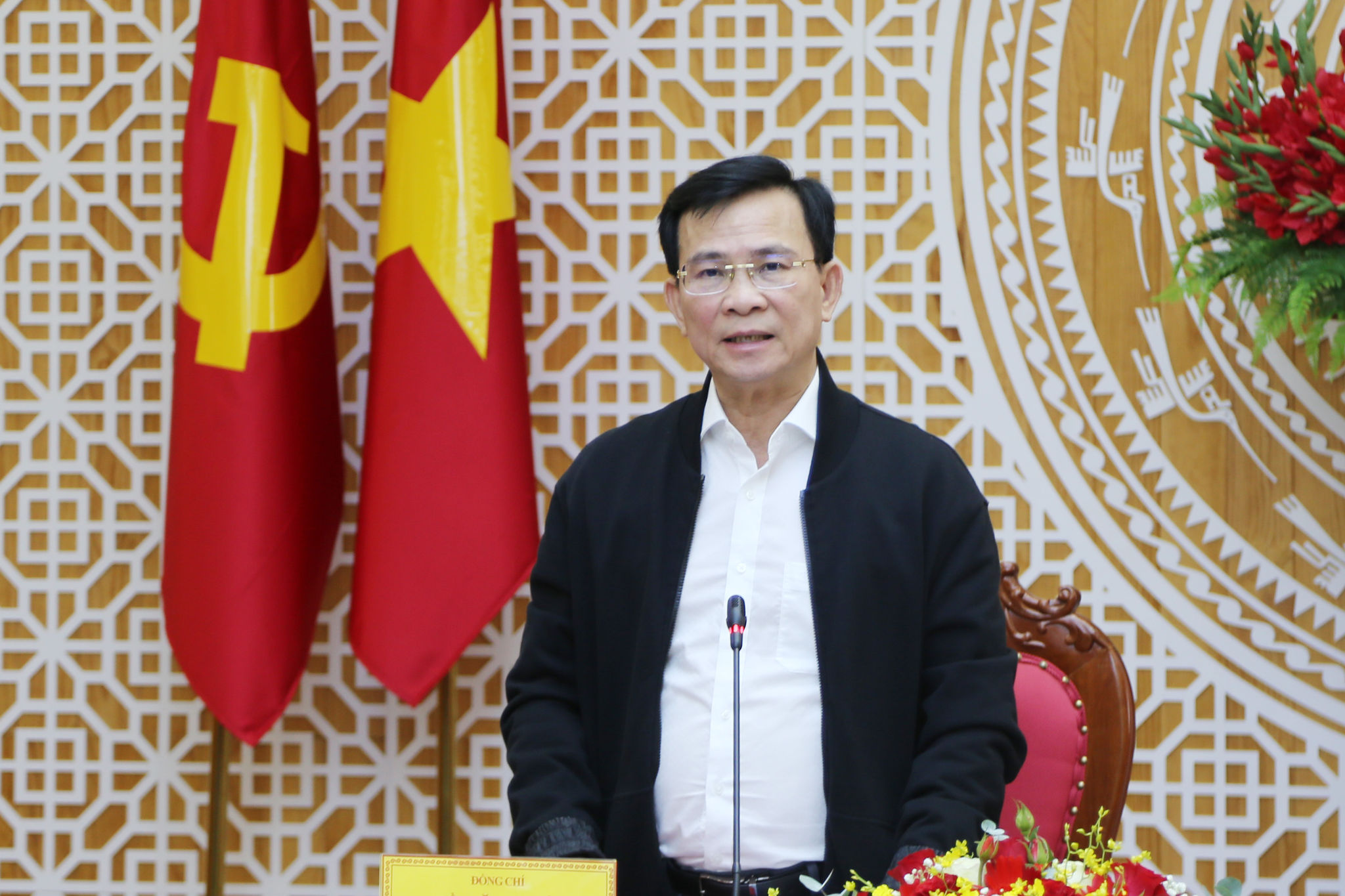
There is no more time to wait. This is the time to act rather than continue discussing solutions. The principle of ‘Responsibility, action, results and accountability’ must be firmly upheld. Management must shift from assigning general tasks to setting specific targets, with clear tasks, responsible individuals, deadlines and expected results.
Ho Van Muoi, Member of the Party Central Committee, Deputy Secretary of the Provincial Party Committee and Chairman of the Lam Dong Provincial People’s Committee
Standing Vice Chairman of the Provincial People’s Committee Nguyen Hong Hai also underscored the demanding growth requirements for the final months of the year: “The province aims to achieve GRDP growth of approximately 13.5% in the fourth quarter of 2026. Leaders of sectors and localities must take full responsibility for their proposed growth scenarios and the results of implementation.”
Provincial leaders have instructed the Department of Finance to work with the provincial statistics agency to break down growth scenarios by sector and by commune, ward and special zone. Any sector falling short must identify additional growth potential in other areas to compensate.
A key feature of the provincial administration’s directives is the requirement to work without days off. Vice chairmen of the Provincial People’s Committee have been instructed to arrange field inspections and working visits to localities on Saturdays and Sundays through the end of 2026, focusing on public investment disbursement, budget revenue, surplus public assets and non-state-funded projects.
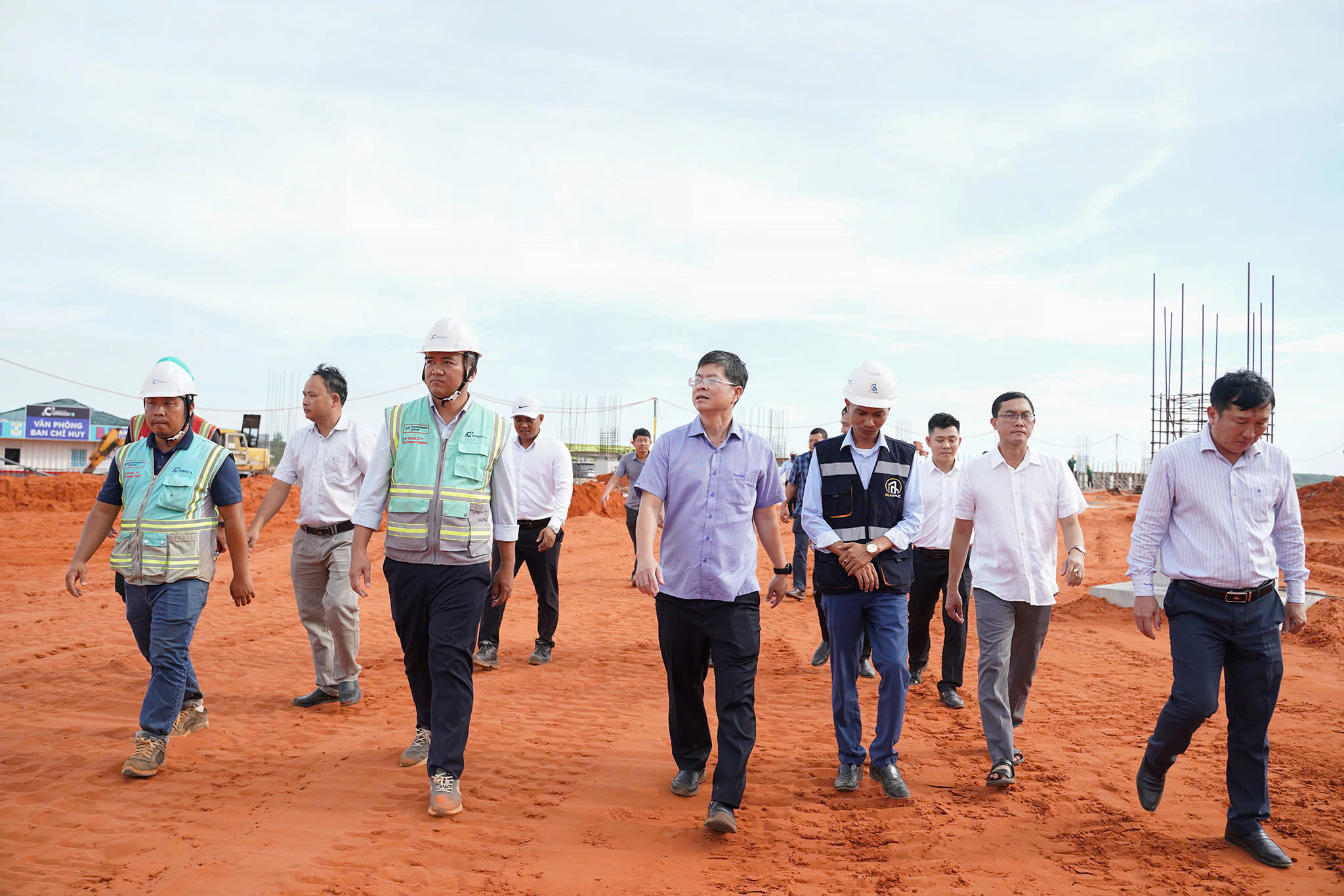
Heads of departments, agencies and local administrations must assign their deputies to conduct inspections and resolve outstanding tasks over weekends. Agencies and units are required to work beyond regular office hours, in the evenings or on days off when necessary. The Provincial People’s Committee Office will prepare work schedules for the Chairman and Vice Chairmen to conduct weekly field visits on Saturdays and Sundays.
Pointing out that some departments and agencies still rely primarily on official documents and reported figures, with their leaders failing to visit localities in person, the provincial chairman has instructed department directors and agency heads to establish working teams and conduct direct visits to localities, beginning on the weekend of October 31 and November 1, 2026.
These teams will prioritize communes, wards and project owners with the lowest performance. Obstacles falling within their authority must be resolved on the spot, or within three working days at the latest. They must not take over the work of local authorities, cause inconvenience, or organize receptions involving meals or gift-giving. Results from these field visits will serve as a basis for evaluating and rating agency and local leaders in 2026.
There are just over 50 days left before the end of 2026. GRDP growth is the province’s foremost goal in the final months of the year. Departments, agencies and localities must demonstrate determination, mobilize all available resources and race against time. There can be no delays in achieving this target.
Ho Van Muoi, Member of the Party Central Committee, Deputy Secretary of the Provincial Party Committee and Chairman of the Lam Dong Provincial People’s Committee
At the same time, efforts to resolve project-related obstacles are being accelerated according to specific deadlines. Lam Dong aims to address projects under provincial authority before November 15, 2026, while projects requiring central government opinions are expected to be completed within the year.
All surplus public buildings and land plots must be put into use before November 15, 2026, to prevent waste of resources. For underperforming contractors, relevant agencies must press them to accelerate progress and promptly propose appropriate measures.
Specific Targets for Each Sector
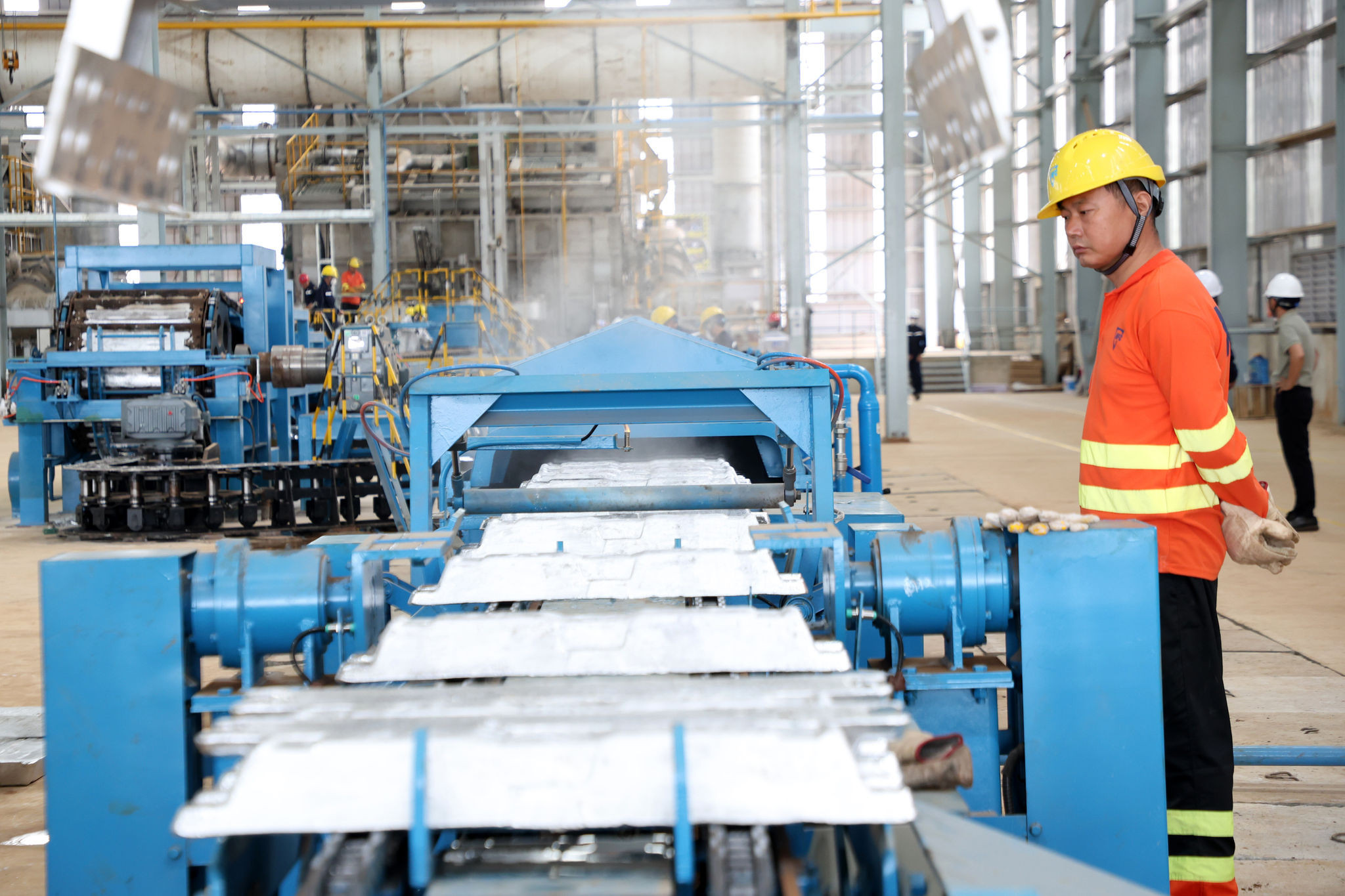
To mobilize all resources toward the growth target, key sectors have identified their remaining growth potential. Industry and construction continue to serve as the main growth drivers, with a required increase of more than 21.58% in the fourth quarter.
“In November, the entire sector is targeting growth of 21.57%, followed by 26.98% in December. Achieving these rates will depend on support for increasing the capacity of the Dak Nong Aluminum Electrolysis Plant and resolving obstacles facing investment projects, particularly those in the mineral sector,” a representative of the Department of Industry and Trade said.
In services and tourism, growth of 19.55% is required in the fourth quarter of 2026. The culture and tourism sector is placing high expectations on the year-end festival season. To achieve the target of attracting 25 million visitors by the end of 2026, the sector is making every effort to successfully organize major events.
“We are focusing on the 11th Da Lat Flower Festival, the Vietnam Jazz Heritage Festival 2026 and the domestic tourism stimulus program,” emphasized Ton Thien San, Director of the Department of Culture, Sports and Tourism.
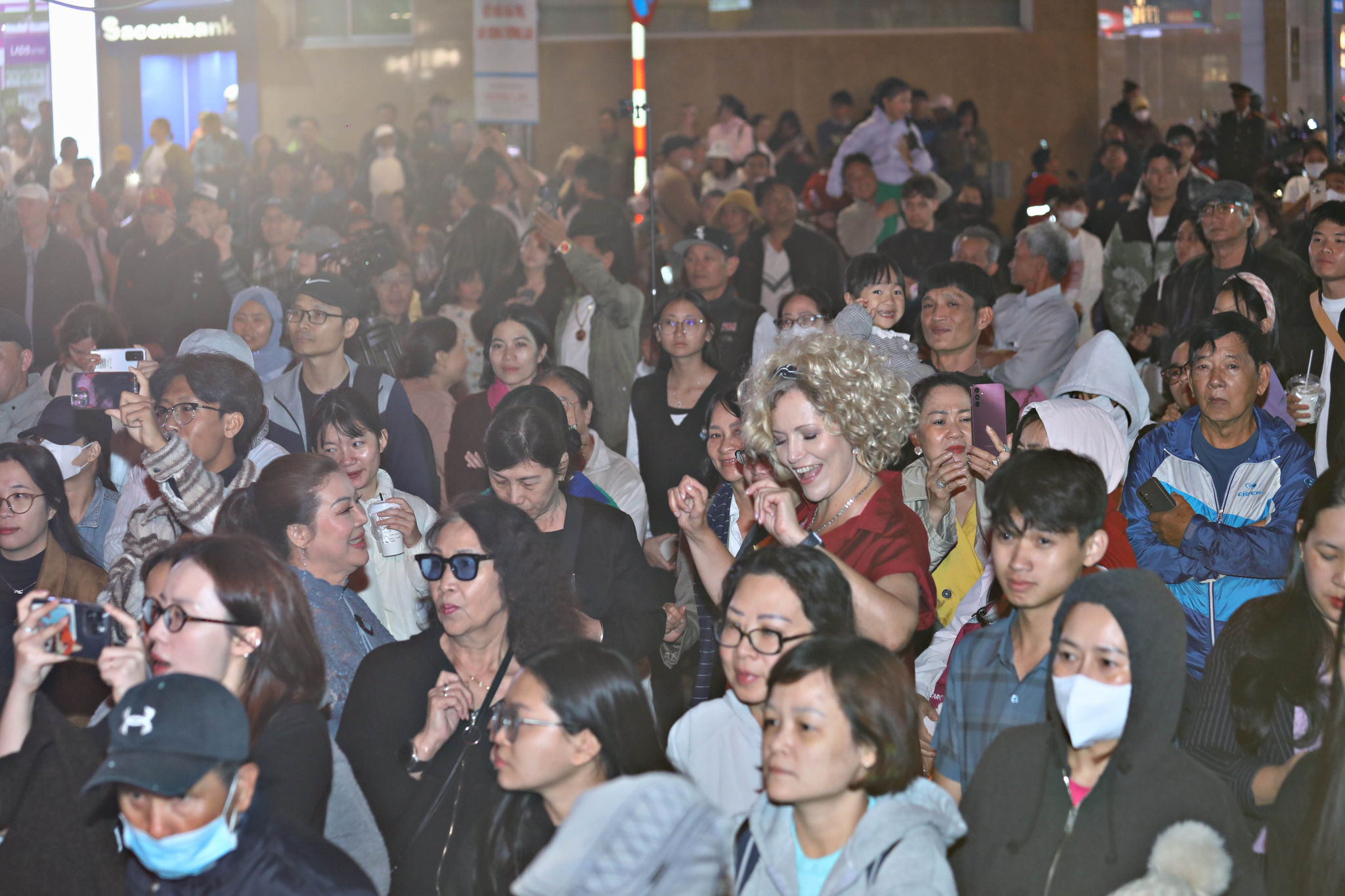
Agriculture will continue to serve as a pillar of the economy, targeting growth of more than 5.25% to provide a buffer against risks from natural disasters and disease outbreaks.
“We will focus on crop production, livestock farming, forestry and fisheries. Coffee harvesting will be accompanied by stronger efforts in purchasing, processing and marketing. We are also expanding the use of growing-area codes to meet EUDR requirements,” said Phan Nguyen Hoang Tan, Director of the Department of Agriculture and Environment.
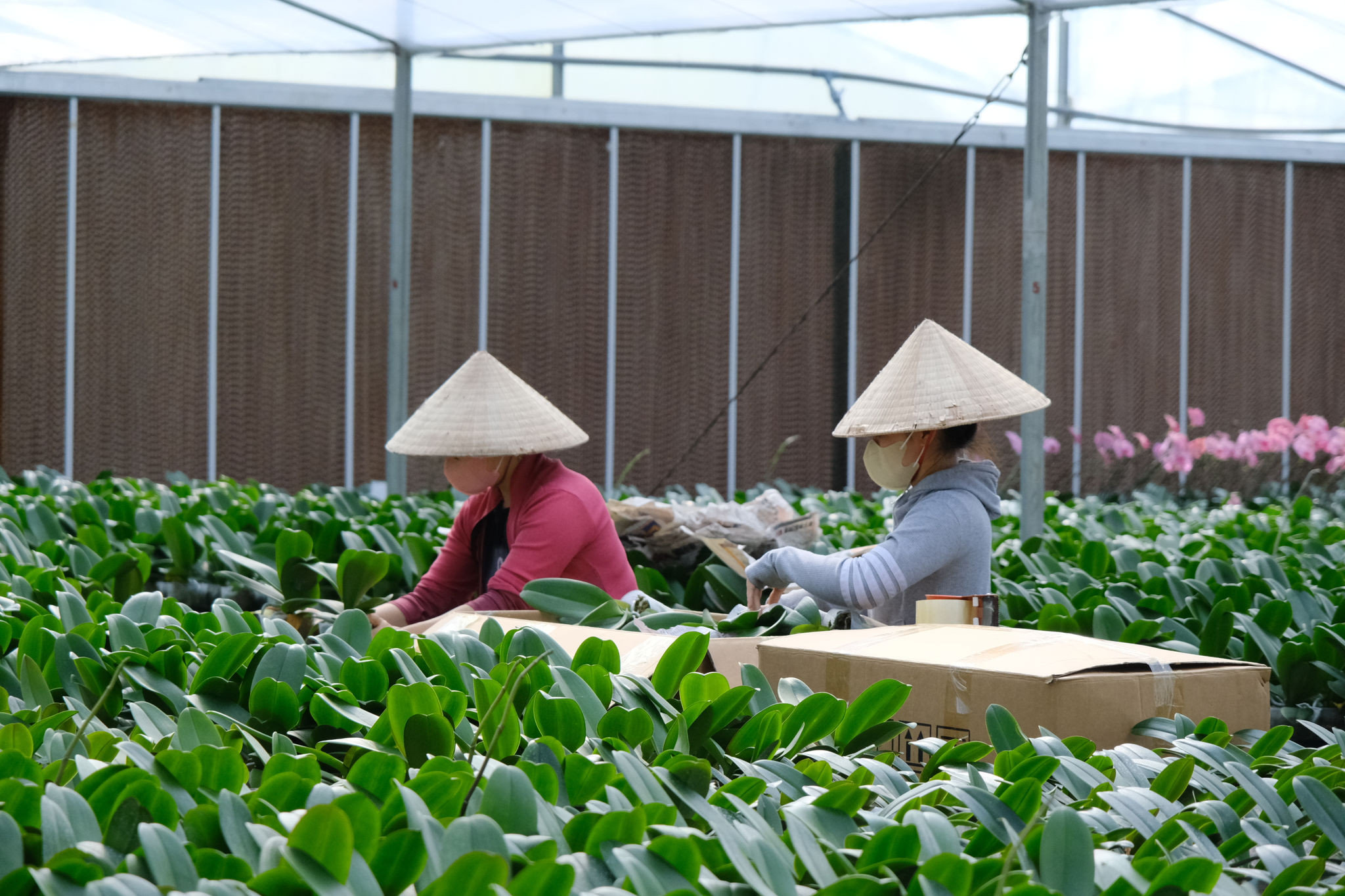
With growth scenarios tailored to individual months, sectors and projects, alongside the commitment of the entire political system to work without days off, Lam Dong is mobilizing all available resources for the final sprint. The province is determined to achieve its “double-digit” growth target.