

Promoting the Value of C2 Cave National Scenic Site
Nestled within the natural forests of Nam Nung Nature Reserve, in the core zone of the Dak Nong UNESCO Global Geopark in Lam Dong Province, C2 Cave (Duc Lap Hamlet, Nam Da Commune) boasts a fascinating landscape shaped by lava flows hundreds of thousands of years ago.
The site preserves geological, archaeological and ecological evidence of exceptional value. Recently recognized as a national scenic site by the Ministry of Culture, Sports and Tourism, C2 Cave now offers new opportunities to protect and promote its heritage values in tandem with the development of tourism in the province.
The Unique Values of the Heritage Site
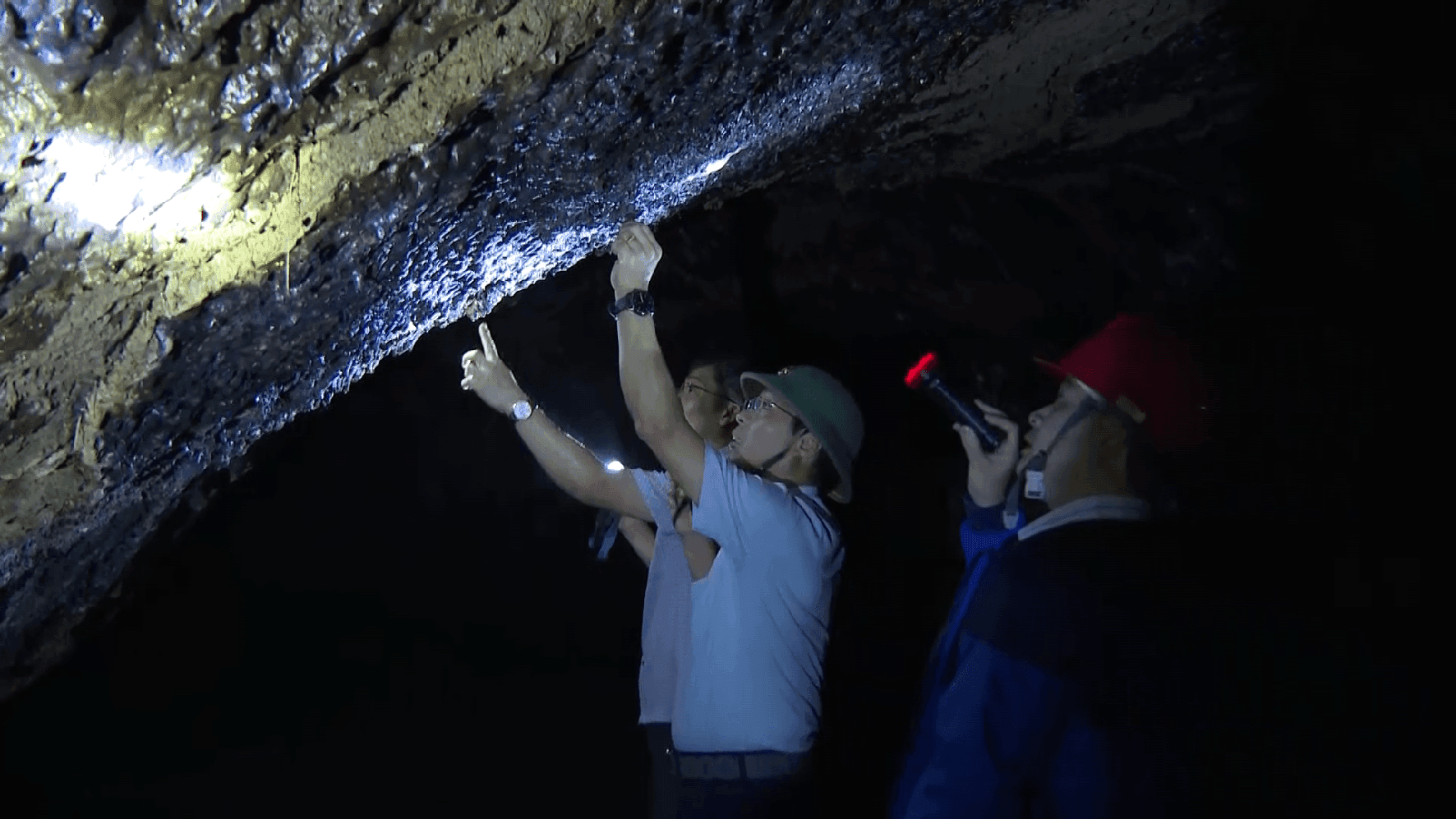
C2 Cave is part of the volcanic cave system in Krong No, which was created by eruptions from the Nam B’Lang Volcano around 689,000 to 199,000 years ago.
As the lava cooled and contracted, it released gases, leading to the development of underground tubes that formed a unique cave structure within the basalt rock.
C2 Cave stretches a total of 402 meters and features various branches and levels, as well as numerous original geological formations.
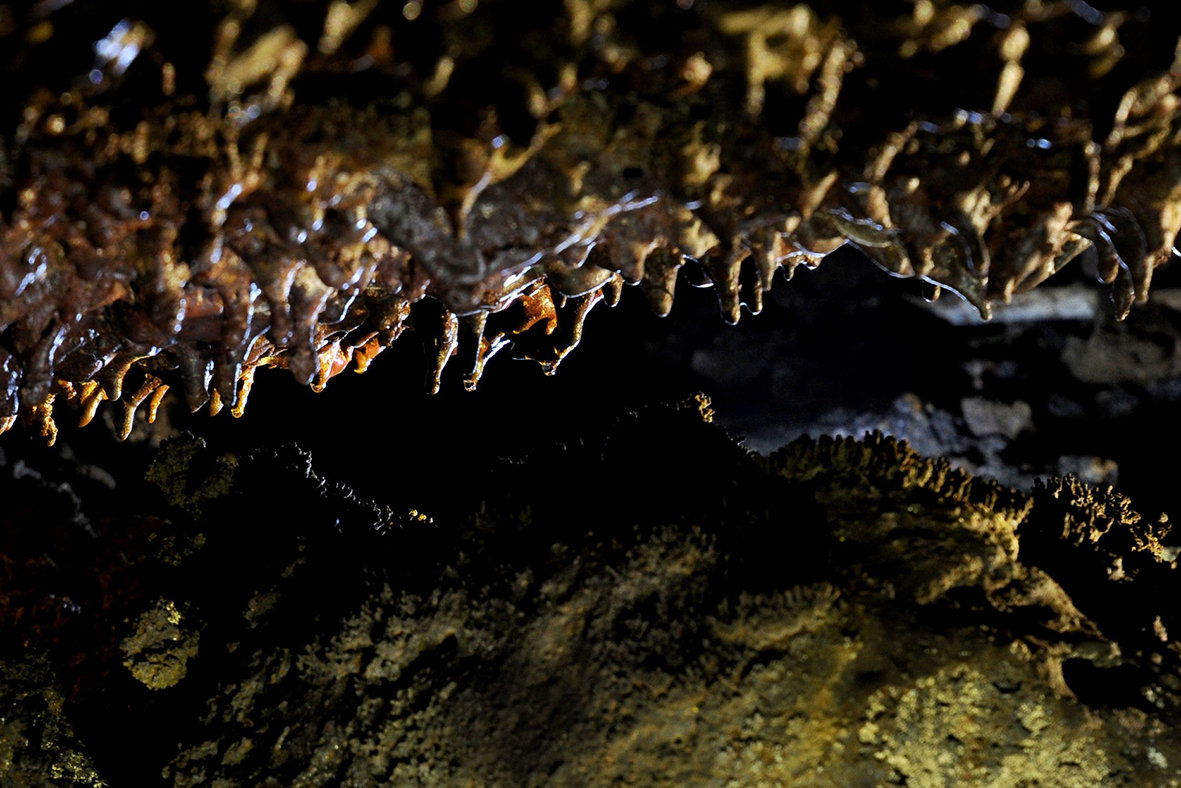
Within the cave, visitors can see skylights, lava falls, lava markings, lava levees, lava channels, lava windows, and a range of unusual mineral formations.
A notable aspect is the pattern of lava flows on the cave floor, which resembles a crocodile facing the entrance, giving the site a unique and rare characteristic.
These formations create a captivating natural landscape and vividly demonstrate the process of volcanic landform formation and evolution.
Additionally, C2 Cave showcases paleontological imprints of tree moulds on its walls. These imprints serve as evidence of the interactions between ancient vegetation and hot lava flows during volcanic eruptions, providing valuable insights into the geological and environmental history of the region.
In terms of archaeological significance, C2 Cave houses various remains. During investigations, researchers uncovered a range of artifacts, such as pottery shards, quartz pebbles exhibiting signs of flaking, ochre, animal bones, and human bone fragments likely linked to burial practices.
Notably, 36 pottery shards were located on the surface of a cave branch, displaying impressed, incised, cord-marked, and brushed designs. These features are reminiscent of Neolithic pottery dating back approximately 4,000 to 5,000 years.
This evidence suggests that prehistoric communities occupied the region for thousands of years, reinforcing C2 Cave's significant role in the archaeological heritage of the Krong No volcanic cave system.
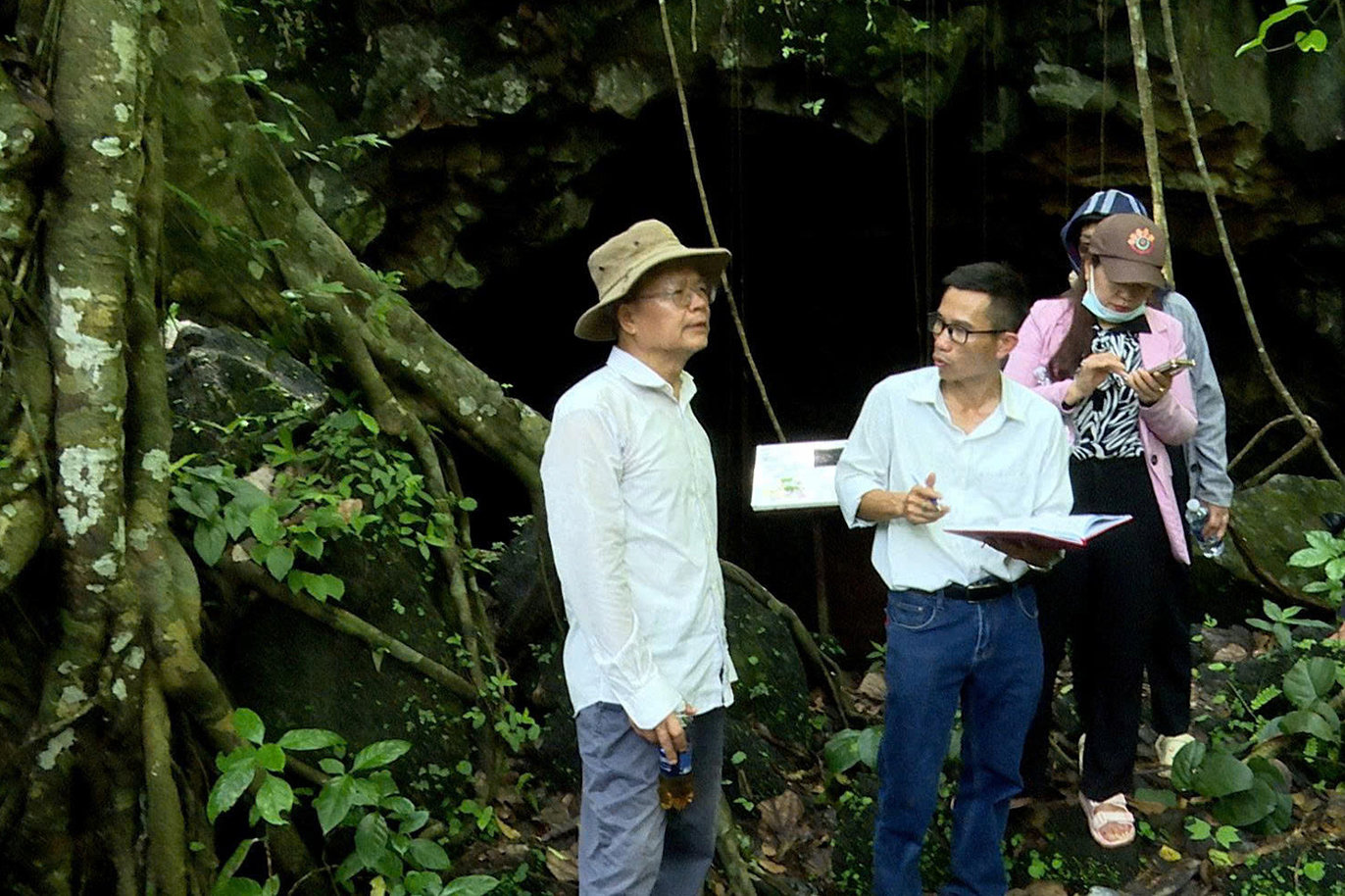
Located within Nam Nung Nature Reserve, C2 Cave is surrounded by a semi-deciduous broadleaf natural forest ecosystem with rich flora and fauna.
The combination of forest landscapes, volcanic terrain and underground cave formations creates an integrated natural environment of significant value for scientific research, education and biodiversity conservation.
Protecting Heritage While Promoting Tourism Development
C2 Cave is situated in Nam Da Commune, which is home to 19 different ethnic groups. The M'Nong, Ede, and other ethnic minority communities actively maintain their unique cultural traditions.
The gong culture, brocade weaving, bamboo and rattan crafts, festivals, and community rituals represent important cultural assets that can be incorporated into heritage tourism initiatives.
Capitalizing on these strengths, the C2 Cave National Scenic Site has the opportunity to create tourism offerings that blend geological exploration, nature experiences, and insights into local culture.
Visitors can not only appreciate the striking lava formations but also gain knowledge about local lifestyles, customs, and traditions, taste regional dishes, and engage in cultural activities led by the community.
This strategy could also generate new income opportunities and motivate local inhabitants to get involved in tourism services.
Situated about 15 kilometers from the centre of Nam Da Commune, C2 Cave is accessible via an upgraded road, featuring a gravel surface that leads directly to its entrance. The cave can be reached with relative ease and does not necessitate any specialized gear.
Being designated as a national scenic relic provides a legal basis and creates favorable conditions for effective long-term conservation initiatives.
In collaboration with the Nam Da Commune People's Committee, the Lam Dong Museum has established a protected zone spanning roughly 19.3 hectares to maintain the landscape, topography, geological structures, ecosystem, and other original features of the scenic area.
This marks a significant advancement in managing activities within the region and preserving the heritage site's integrity.
Nguyen Thi Bich Ngoc, Deputy Director of the Department of Culture, Sports and Tourism, stated:
"In the near future, the culture, sports, and tourism sector will collaborate with local authorities to increase awareness among both residents and visitors regarding the significance of safeguarding the landscape and ecological environment. Additionally, it will evaluate tourism products that align with the geological and geomorphological traits of volcanic caves, utilizing the scientific relevance and the original characteristics of the site as a foundation. The contribution of local communities in maintaining traditional culture will be emphasized, and residents will be motivated to offer services and engage in tourism activities, ensuring a balance between development and the preservation of heritage for the long term."
With its outstanding geological, archaeological, biodiversity and cultural values, C2 Cave is not only a highlight of the Krong No volcanic cave system but also enriches Lam Dong Province's heritage resources.
If properly protected and sustainably developed, the site could become an attractive destination for visitors interested in nature exploration, scientific research and local cultural experiences, contributing to the province's tourism development.