

Businesses Face Growing Pressure to Adapt to Trade Barriers
As export markets become increasingly volatile and tariff policies and import requirements grow harder to predict, businesses in Lam Dong are being urged to proactively adapt.
Trade Barriers Becoming Increasingly Difficult to Predict
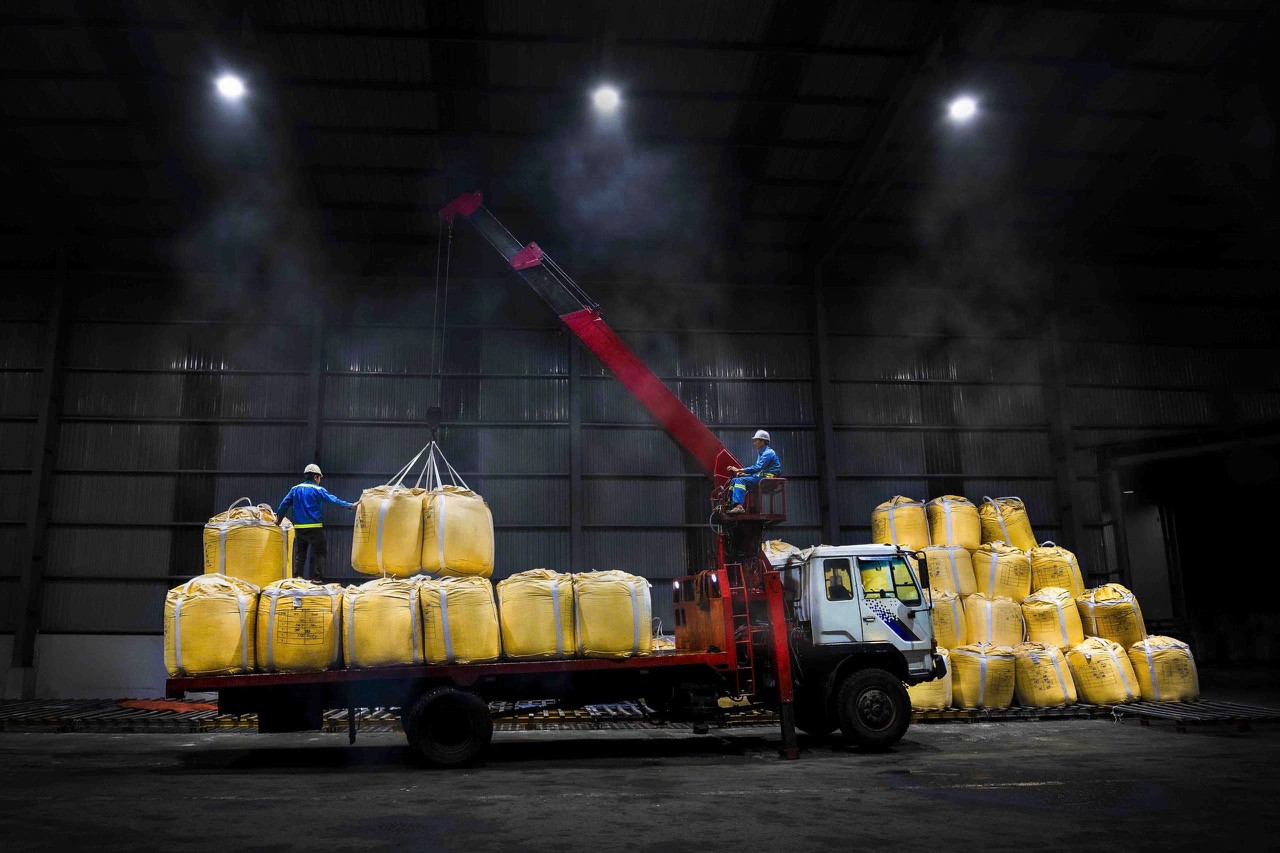
According to the Department of Industry and Trade, conflicts in the Middle East, U.S. tariff measures and responses from trading partners have pushed up energy and transportation costs, while making international trade policies more difficult to predict. In response, businesses have had to adjust their markets, supply sources and production plans.
The industry and trade sector has implemented trade promotion and industrial support programs to help businesses stabilize production, improve product quality and expand both domestic and international markets.
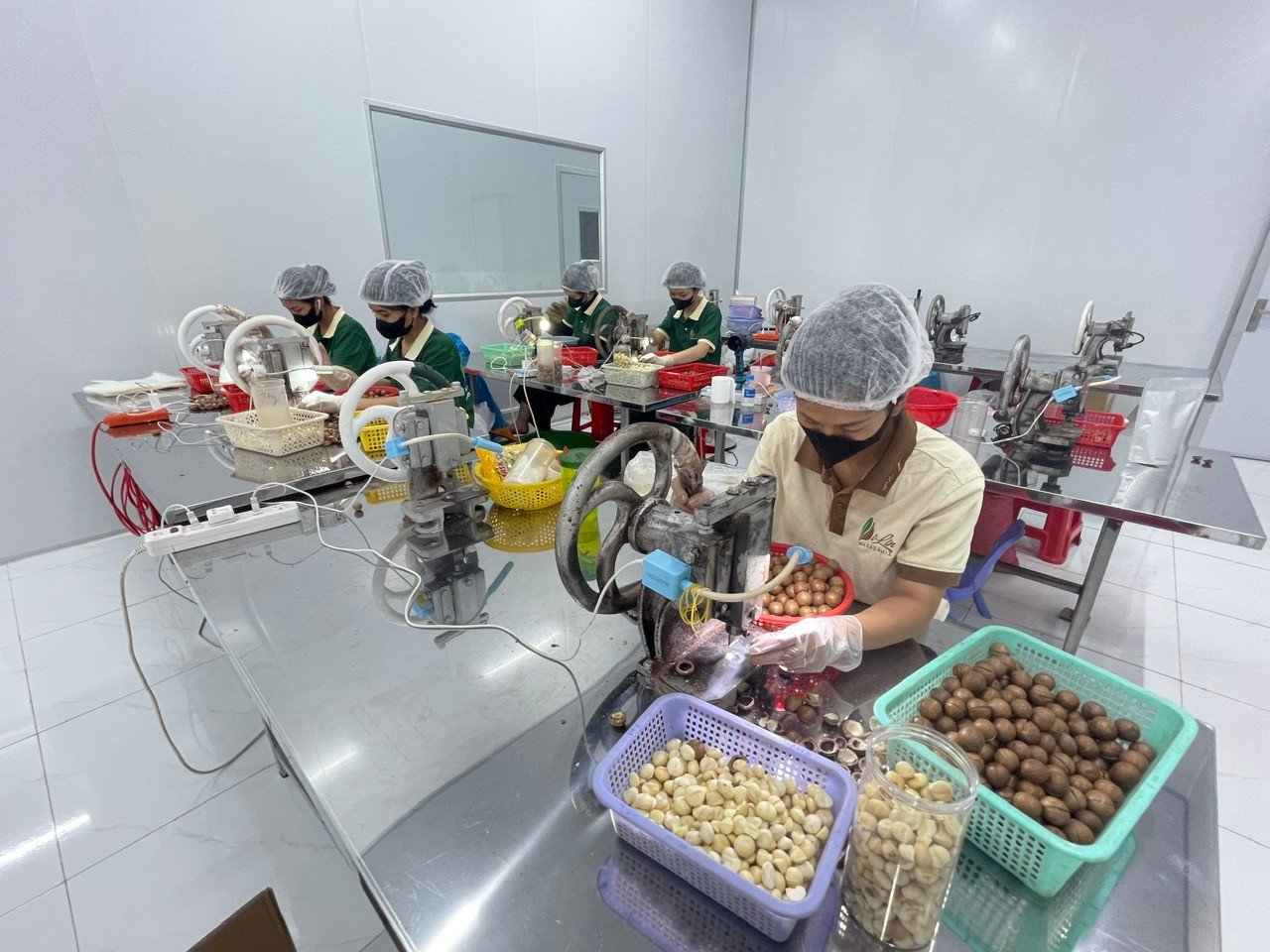
Taking advantage of its location within a raw-material production area, Dilin Agricultural Products Trading, Services and Processing Cooperative in Hoa Bac Commune has chosen to focus on deep processing of macadamia products rather than simply selling raw materials.
Pham Thi Ut, Director of the cooperative, said that diversifying its product range helps extend the value chain, reach new customer segments and improve competitiveness. With an annual production capacity of 150–200 tons, the cooperative supplies products to the domestic market and exports to several markets, including the Middle East, Malaysia and Taiwan ( China).
The experience of Dilin Cooperative demonstrates that deep processing is an effective way to increase product value. However, maintaining export operations also requires businesses to meet increasingly stringent requirements in importing markets regarding quality, food safety, traceability and rules of origin.
These requirements place significant pressure on small and medium-sized enterprises, which often face limitations in financial resources, human resources and access to market information.
Another risk is the possibility of goods being subject to trade remedy investigations or anti-circumvention measures. According to the Department of Industry and Trade, China’s adjustment of export flows from the U.S. market toward ASEAN and Europe could create new trade opportunities, but could also increase competition and the risk of trade remedy measures in these markets.
In this context, businesses need to proactively monitor trade policies in their export markets, while closely controlling raw materials, production processes and origin documentation. Ensuring traceability, meeting technical standards and maintaining complete documentation can help reduce customs clearance risks, protect eligibility for tariff preferences and improve businesses’ ability to respond to investigations.
Strengthening Early-Warning Systems and Business Support
In 2026, the Department of Industry and Trade organized two training conferences on international economic integration and supported businesses in participating in trade promotion activities.
The sector also worked with Vietnamese trade offices abroad to provide market updates and assist businesses in researching and connecting with potential partners.
However, business support remains limited. Trade promotion activities are still concentrated mainly in central areas and have yet to attract broad participation from businesses and cooperatives across the province. Data on businesses, production facilities and trade promotion needs have also not been fully updated.
These limitations affect businesses’ ability to access information and benefit from support policies, particularly for production facilities located far from central areas.
Meanwhile, changes in import regulations, quality standards, rules of origin and trade remedy warnings require information to be updated promptly and selectively according to specific industries and markets.
In 2027, the industry and trade sector will focus on updating trade policies, quality standards, rules of origin and warnings about trade barriers, while improving databases on businesses, products and export markets.
Diversifying export markets and expanding connections with markets in the Middle East, Africa and Asia will also be prioritized to reduce dependence on traditional markets.
Lam Dong has a relatively diverse export structure, including alumina, aluminum hydroxide, green coffee beans, seafood, vegetables, fruit, textiles and garments, footwear, cashew nuts, pepper, rubber and fresh flowers. In 2026, the province’s export turnover is estimated at USD 3.59 billion, up 31% year on year.