

Lam Dong Strengthens Oversight and Results-Based Governance
Lam Dong is tightening implementation discipline across its administrative system to achieve its 2026 economic growth targets. At recent meetings reviewing performance indicators, Ho Van Muoi, Member of the Party Central Committee, Deputy Secretary of the Lam Dong Provincial Party Committee and Chairman of the Lam Dong Provincial People's Committee, called on departments, agencies and local authorities to adopt a more results-oriented approach to governance, with stronger inspection and oversight, clearly assigned responsibilities, firm deadlines and measurable outcomes.
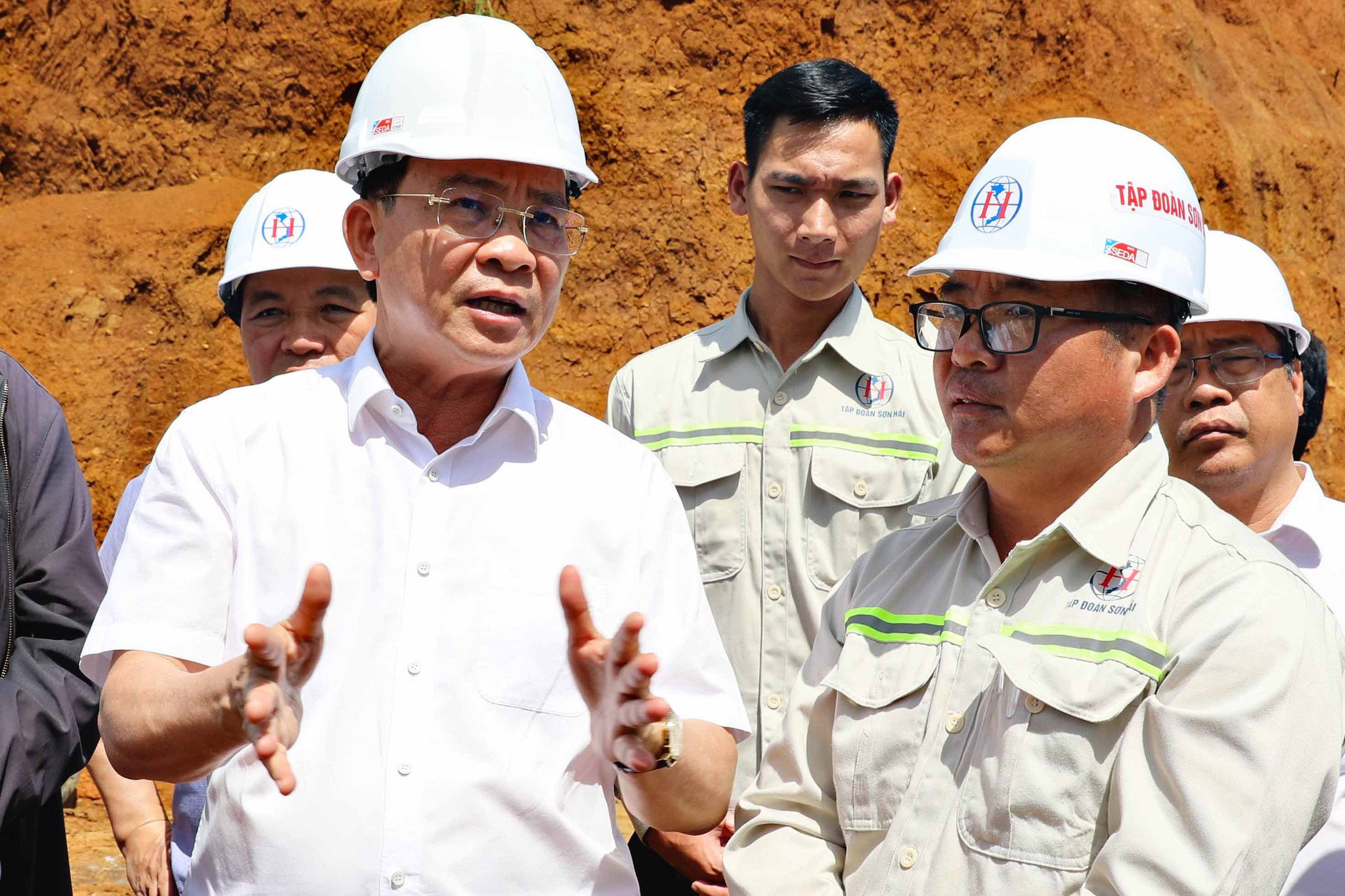
Strengthening Inspection and Oversight
More than two months after a task-monitoring software system was put into operation, the province has stepped up inspections, supervision and direct engagement with local authorities. Every assignment is now translated into a specific task with measurable requirements.
Many tasks have clearly defined completion deadlines and are subject to regular progress tracking and evaluation. This approach has helped strengthen reporting discipline and accountability throughout the administrative system.
However, establishing a new monitoring mechanism is only the first step. Chairman Ho Van Muoi has made it clear that departments, agencies and local authorities must exercise greater initiative and resolve matters within their authority. His directive is unequivocal: no waiting for others to act, no reliance on higher levels to solve local problems, and no evasion or shifting of responsibility.
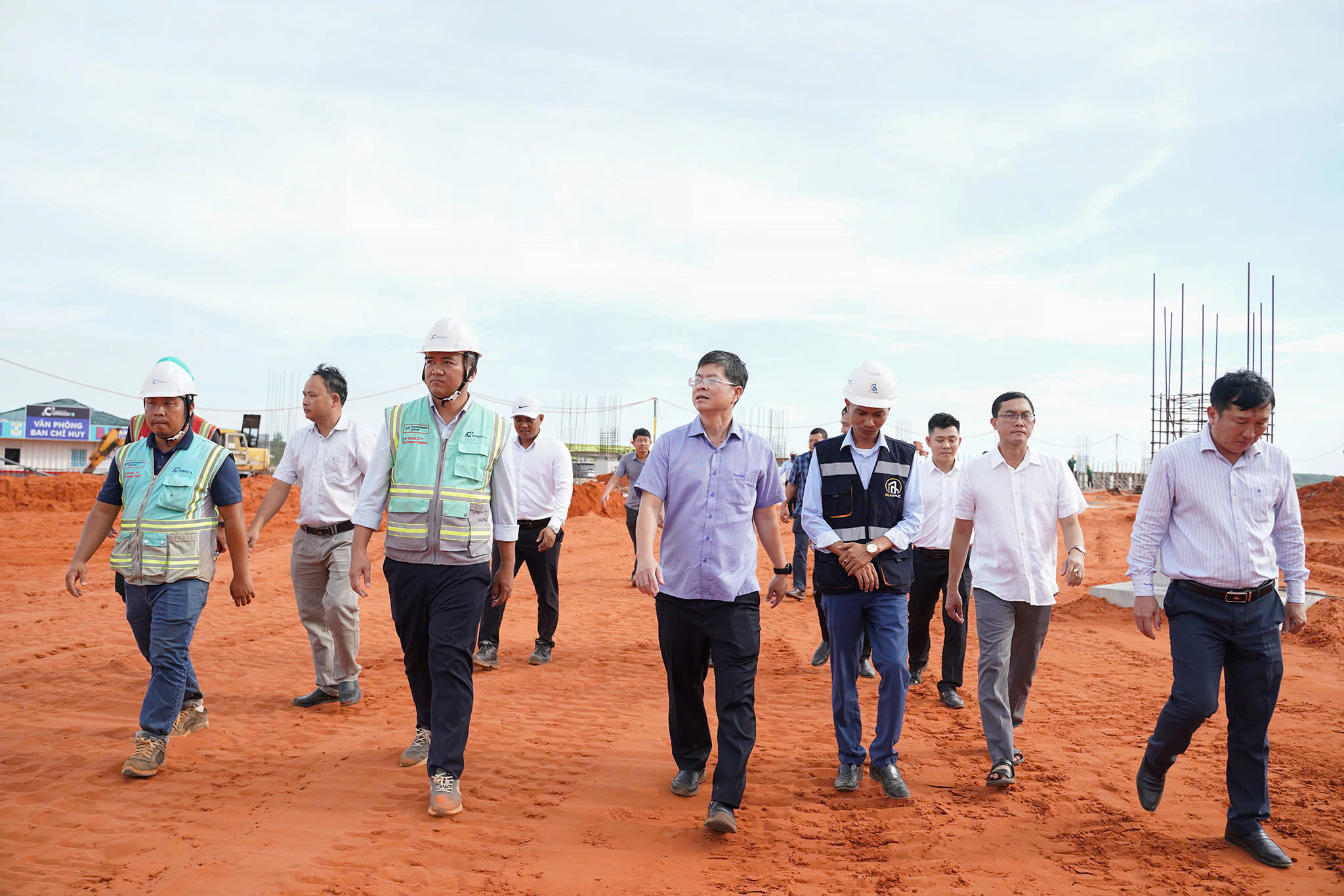
For key construction projects, the province is imposing stricter requirements, from selecting contractors with proven capabilities to closely monitoring construction quality and progress.
The provincial chairman has consistently stressed that promises without action will not be accepted. Underperforming contractors and irresponsible project owners must be prepared to be replaced. Lam Dong will not allow delays caused by any individual or organization to undermine the province's overall growth momentum.
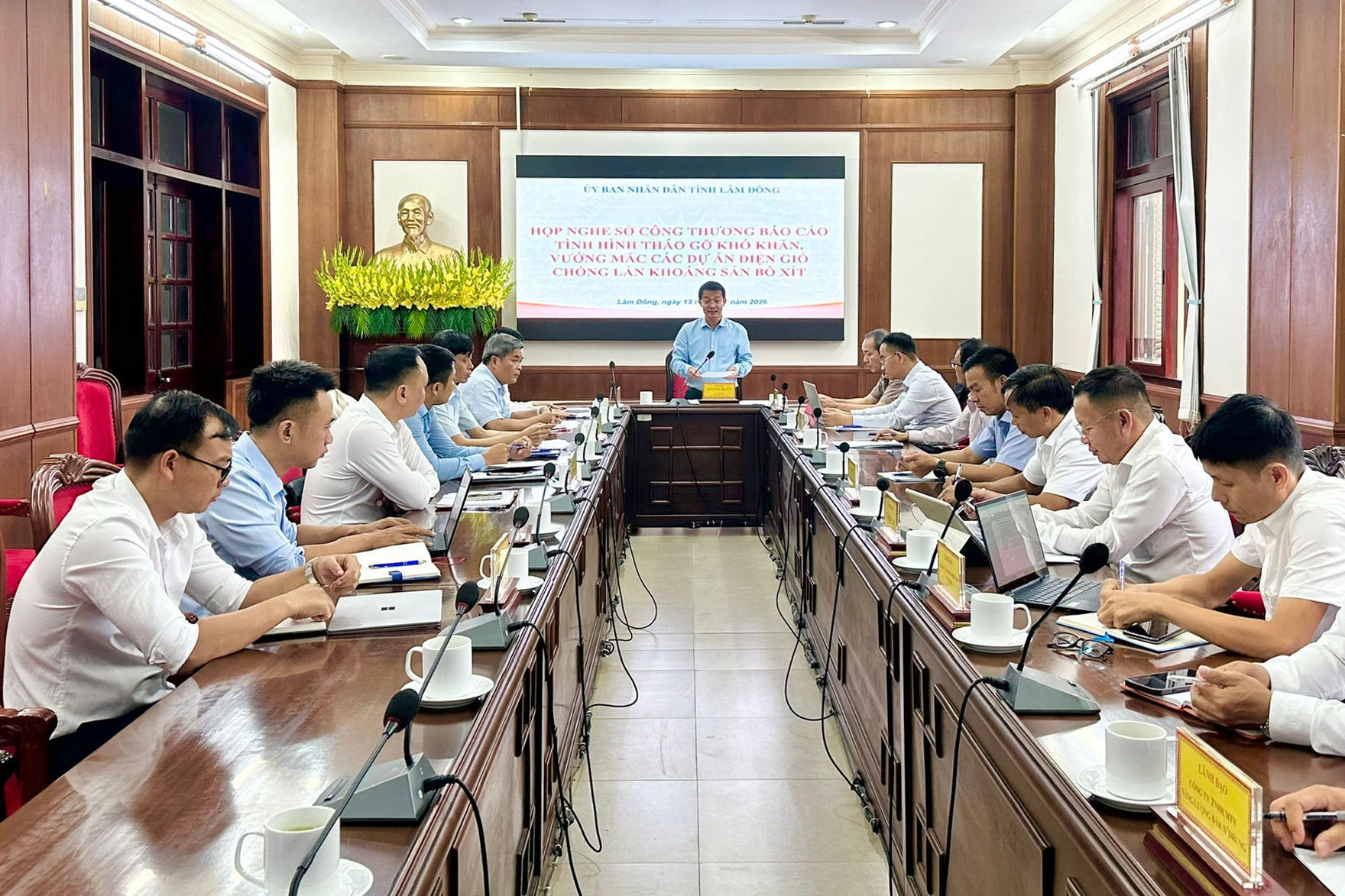
A recent example was the decision by Construction Investment Project Management Board No. 1 to terminate its contract with Truong Thanh No. 1 Construction Company Limited, the contractor for Ba Can Bridge under Package No. 7 of the Project to Replace Five Structurally Deficient Bridges. The move demonstrates the province's determination to enforce discipline in public investment.

Earlier, Construction Investment Project Management Board No. 1 had also terminated contracts with Anh Tuyen Private Enterprise, the contractor for Phuoc Cat Bridge under Package No. 7 of the same bridge replacement project, and Phuong Hoang Mai Company Limited, the contractor for Package No. 7 of the Provincial Road 721 Upgrade Project. The board has also imposed penalties on several contractors for failing to meet contractual deadlines.
These contract terminations and penalties show that project discipline in Lam Dong is no longer confined to official directives but is being enforced through concrete measures.
This reflects the consistent message from Chairman of the Provincial People's Committee Ho Van Muoi: all commitments on construction progress and quality must be honored. A contractor's capability must be assessed through actual work delivered, not an impressive-looking dossier or verbal assurances.

This more decisive approach is gradually restoring discipline in construction investment and helping ensure that every dong of public funding is used effectively. The goal is for each project to be completed on schedule, meet quality standards and deliver practical benefits to the public.
Identifying Shortcomings and Assigning Clear Responsibility
The provincial leadership's firm approach is not limited to accelerating economic growth. It also reflects a determination to acknowledge shortcomings directly, without shielding individuals or organizations from responsibility.

At weekly meetings reviewing socioeconomic performance indicators, those falling behind schedule and the agencies responsible are examined candidly against specific data. Accountability is then assigned clearly to each organization, locality and individual leader.
Linking task performance to the evaluation and ranking of civil servants and public employees demonstrates the province's determination to make administrative discipline substantive. The approach addresses a longstanding weakness in which tasks were assigned without adequate inspection or follow-up, and responsibility was not clearly established when targets were missed.

Provincial leaders are also calling for a shift away from focusing primarily on inputs toward strict control of final outcomes. Completing paperwork and administrative procedures in accordance with regulations does not, by itself, constitute successful task completion. If the final product fails to meet requirements for quality, functionality or aesthetics, the work cannot be considered complete.
Provincial leaders have emphasized that local government must be accountable to the people. Residents are the direct beneficiaries of public works, land-related decisions and government policies. They are also the ones who bear the consequences when construction quality is poor, land-related issues remain unresolved or policies fail to deliver practical benefits.
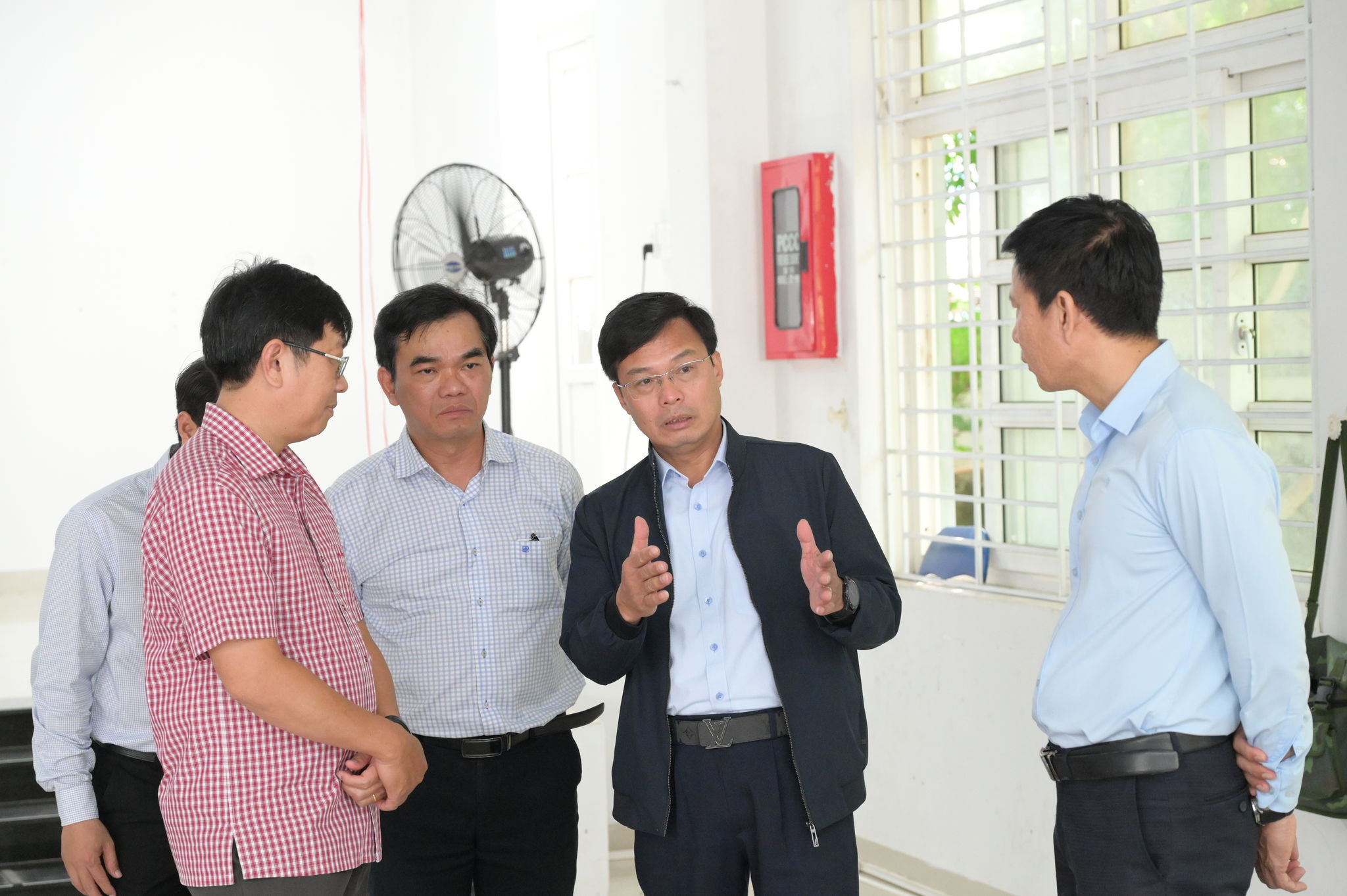
Regarding personnel evaluations, provincial leaders have called for fairness and transparency, firmly ruling out favoritism or personal influence in determining accountability.
As the province enters the final stretch of 2026, with mounting pressure on schedules and resources, the leadership's directives must translate into coordinated action at every administrative level and across every sector. The central requirement for those in leadership positions is clear: words must be matched by actions, commitments must be backed by tangible results, and responsibility must never be evaded.

Ultimately, only when every task has clear and enforceable accountability, resources are used for their intended purposes and public interests remain at the center of decision-making can the effectiveness of governance be truly demonstrated. This is the foundation on which Lam Dong can build its efforts to achieve the development targets it has set.