

Budget revenue and the drive for double-digit growth
Double-digit growth reflects Lam Dong's flexible economic management in mobilizing financial resources, balancing budget revenue and expenditure, and creating a more favorable investment environment. Stronger budget revenue will provide a solid internal financial base to help the province achieve its double-digit growth target.
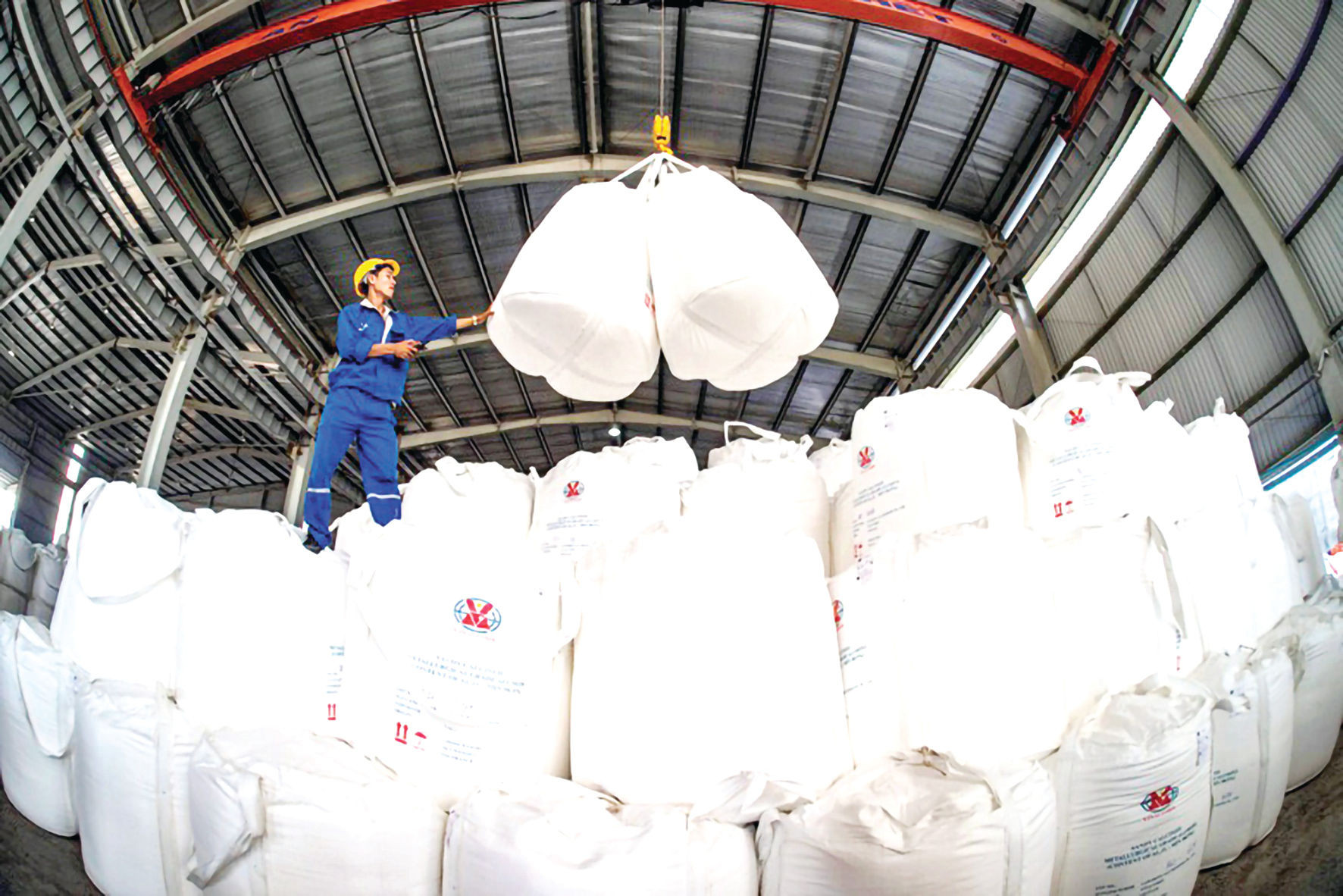
Closely monitoring daily revenue collection
As of October 31, total state budget revenue reached VND 28.777 trillion, equivalent to 83.57% of the target assigned by the Provincial People's Council. This was VND 2.775 trillion higher than at the end of September, lifting the completion rate by 8.06 percentage points.
Budget collection improved during the first 10 months of the year, with several previously weak revenue sources posting notable gains and others maintaining solid progress.
Revenue from import-export activities reached 127.47% of the target; lottery revenue 79.38%; land rental revenue rose from 61.39% to 77.18%; taxes, fees and charges from 82.90% to 92.25%; and other budget revenue from 87.29% to 102.10%.
The results reflect efforts by provincial departments, agencies and local authorities to strengthen revenue management and tap available sources.
However, to achieve the highest possible level of the 2026 budget revenue target, collections must reach at least 89.9% of the Provincial People's Council's target by the end of November and 102% by the end of December. This means at least VND 7.329 trillion must be collected in the final two months of the year.
The Lam Dong Tax Department has developed detailed weekly and monthly revenue plans for each unit, official and grassroots tax office, requiring close daily monitoring of collection progress.
The sector is also reviewing untapped revenue sources, urging businesses to declare and pay taxes fully and on time, and coordinating with relevant agencies to prevent revenue losses in restaurants, hotels, accommodation services, gold and silver trading, e-commerce, digital-platform businesses, construction, real estate transfers, resource extraction and other high-risk sectors.
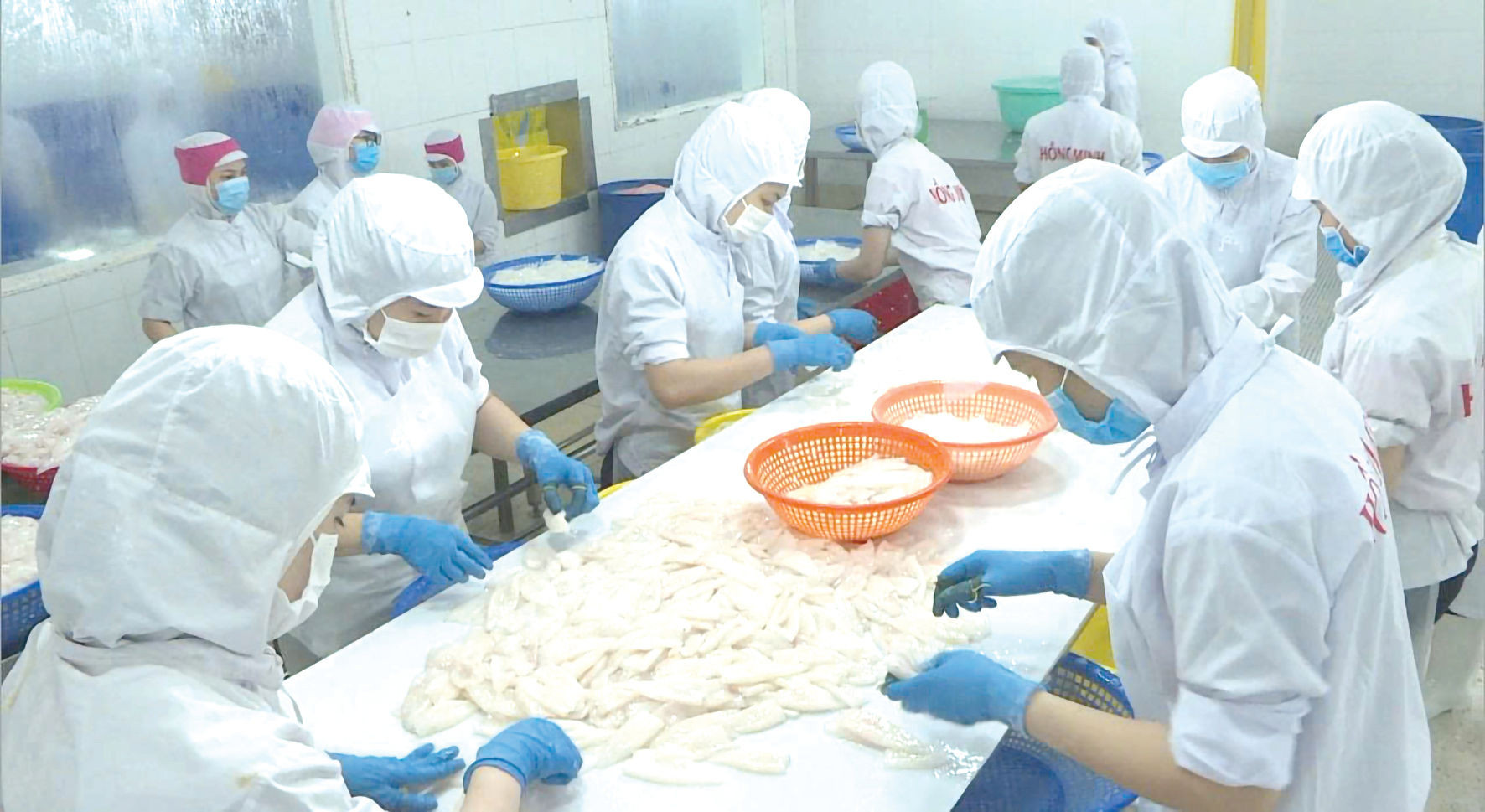
Identifying room for the final push
According to the tax sector's October 2026 budget revenue monitoring report, land rental revenue improved significantly, but total revenue from land and property reached only 51.5% of the target.
The Lam Dong Tax Department has instructed grassroots tax units to continue coordinating with relevant agencies to accelerate administrative procedures related to land and property revenue.
The sector has also advised competent authorities to quickly resolve obstacles involving procedures, pricing, land funds for auction, public buildings, villas and other state assets already in use or planned for use, so revenue can be collected in accordance with regulations rather than carried over into the following year.
Authorities are also stepping up debt management and enforcement measures to recover long-outstanding debts involving land-use fees, land rent and mining rights fees.
Provincial Vice Chairman Vo Ngoc Hiep requested not only the tax sector but also the Departments of Finance and Agriculture and Environment to fully and seriously carry out tasks assigned by the Provincial People's Committee on state budget revenue. Priority is being given to reviewing and accelerating outstanding work to ensure deadlines are met.
In particular, agencies must complete reviews of funds advanced by investors for compensation, support and resettlement, as well as amounts deductible from land-related financial obligations. These figures will serve as the basis for recording corresponding budget revenue and expenditure.
The province must also prepare a budget management scenario in case 2026 land-use fee revenue falls short, including appropriate adjustments to revenue and expenditure estimates to maintain fiscal balance.
Provincial leaders have also instructed departments and localities to act proactively, flexibly and decisively, with implementation based on clear tasks, clear responsibility, clear deadlines, clear outcomes and clear accountability.
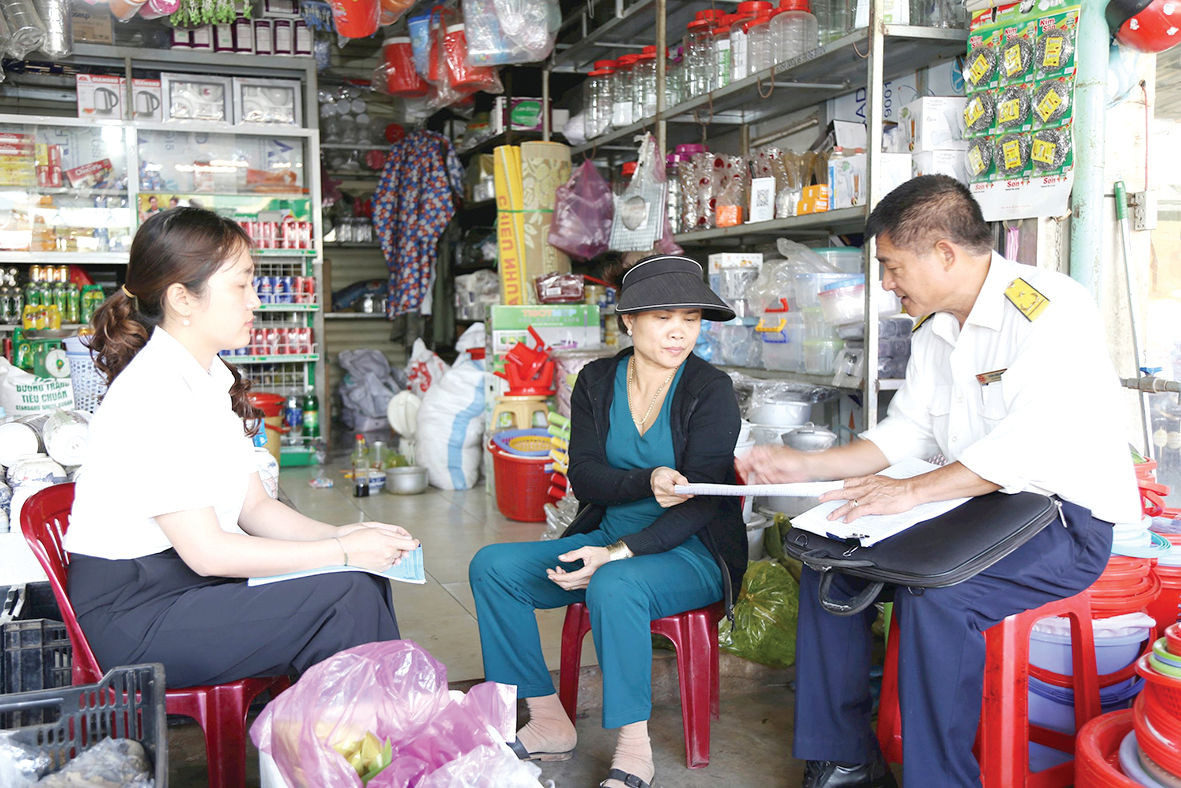
Spreading financial resources across the economy
The industry-construction sector is targeted to grow 21.57% in November and 26.98% in December, bringing fourth-quarter growth above 21.58% and full-year growth to 13.60% under the province's scenario.
Revenue from import-export taxes, corporate income tax and value-added tax is expected to contribute further to total state budget revenue. Additional revenue potential is also linked to adjustments to the 2021-2030 plan for mineral exploration, extraction, processing and use, with a vision to 2050.
The province is also accelerating infrastructure investment in industrial clusters and attracting secondary projects to 23 clusters that already have technical infrastructure investors, while supporting four industrial-cluster projects approved for investment in 2026 and implementing social housing development plans.
Lam Dong aims for the trade, services and tourism sector to grow 19.2% in November and 22.1% in December, lifting fourth-quarter growth above 19.55% and full-year growth to 12.34%.
The province plans to capitalize on tourist flows, trade activities and consumer demand during the Da Lat Flower Festival and year-end events to increase revenue from accommodation, food services and consumer spending.
It will also intensify its domestic tourism stimulus program, focusing on major markets such as Ho Chi Minh City, Hanoi and the Southeast region.
E-commerce and digital transformation in distribution will be expanded, with support for businesses, cooperatives and household businesses to place products on e-commerce platforms, diversify sales channels and improve access to domestic and export markets.
At the same time, the province is pushing to disburse 100% of its public investment plan, ensuring capital flows into the economy and improving its capacity to absorb investment.
Progress on major projects such as the Tan Phu-Bao Loc and Bao Loc-Lien Khuong expressways, ring roads and regional connectivity infrastructure is expected to support this effort.
Effective disbursement of state budget capital can also attract private investment, open new space for urban development, logistics services and ecotourism, and improve land use along newly developed transport corridors. Removing bottlenecks in land procedures and site clearance will also be essential to creating sustainable revenue sources.
As of October 31, Lam Dong's total state budget revenue reached VND 28.777 trillion, equivalent to 83.57% of the target assigned by the Provincial People's Council, up VND 2.775 trillion from the end of September. Budget collection showed positive progress during the first 10 months of 2026, with several previously weak revenue sources improving significantly.