

Cultural Diversity Strengthens National Unity in Lam Dong
For 96 years, the Viet Nam Fatherland Front has served as a rallying force for national solidarity. In 2026, National Great Unity Day is being linked with cultural activities under the National Unity - Cultural Week program, creating opportunities for communities across Lam Dong to celebrate, practice and pass on their distinctive traditions while strengthening bonds across the newly consolidated province.
National Unity in a Diverse Cultural Landscape
On November 18, 1930, the Standing Board of the Central Committee of the Indochinese Communist Party issued a directive on the establishment of the Indochinese Anti-Imperialist Alliance. This was the first organizational form of the Viet Nam National United Front, the predecessor of the Viet Nam Fatherland Front today.
Throughout successive periods of the country's revolutionary history, the Front adopted different names and organizational forms to suit changing circumstances. It brought together social classes, ethnic communities, religious groups and patriotic Vietnamese, mobilizing their collective strength in the struggle for national independence and reunification, as well as in the construction and defense of the country.
Following the administrative reorganization, Lam Dong has entered a new phase of development, bringing together three former provinces—Lam Dong, Dak Nong and Binh Thuan—under one provincial administration. The province is home to 49 of Viet Nam's 54 ethnic groups, each contributing its own language, customs, traditions and cultural values passed down through generations. Together, these communities create a rich and diverse cultural landscape.
Against this backdrop, this year's National Great Unity Day on November 18 is being connected with Viet Nam Cultural Heritage Day on November 23 and Viet Nam Culture Day on November 24. The latter is being observed for the first time under Politburo Resolution No. 80 on the development of Vietnamese culture. These occasions form the basis of the National Unity Cultural Week, running from November 18 to 24, with activities celebrating both cultural diversity and community solidarity.
Keeping Cultural Heritage Alive
Under Plan No. 19208 issued by the Lam Dong Provincial People's Committee, three major activities jointly organized by the provincial Vietnam Fatherland Front Committee and the provincial government are taking place on November 18 in Di Linh, Cu Jut and Bac Binh. Each connects the National Great Unity Day with cultural practices and heritage associated with the K'Ho, Ede and Cham communities.
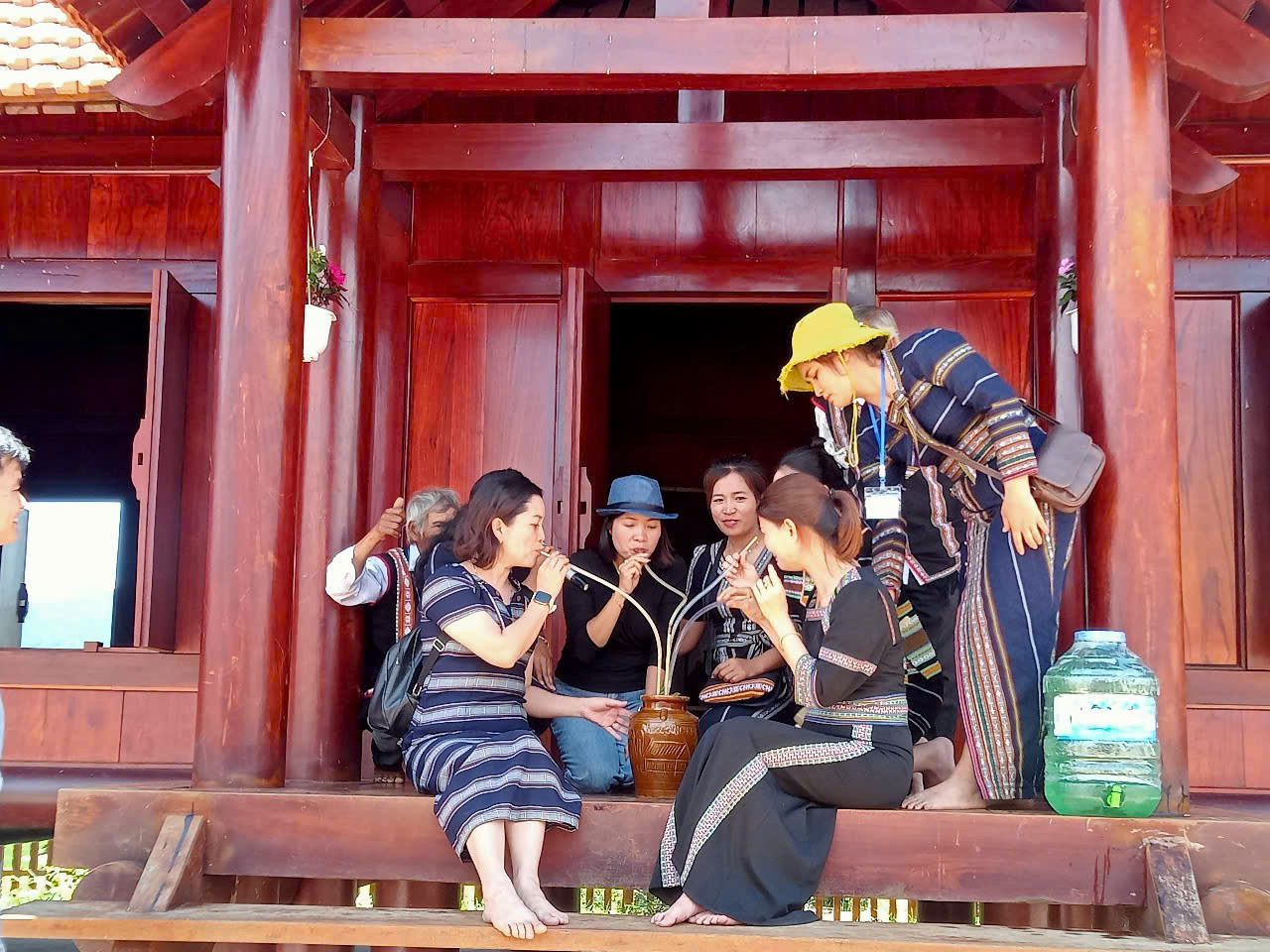
In Di Linh, the K'Ho Traditional Village in Klong Trao Hamlet began welcoming visitors for cultural experiences in April 2025. The village recreates aspects of community life, customs and traditions while maintaining activities that introduce and bring cultural heritage to life, including gong performances and xoang dances.
K'Brem, head of Klong Trao Hamlet, said: “There was a time when young people showed little interest in gong music, and traditional culture was gradually fading. But after local authorities organized cultural transmission classes and awareness campaigns, young people's attitudes began to change. Today, they have more opportunities and are much more confident when wearing traditional costumes and performing with gongs.”
Two gong groups have been established in the village: one comprising village elders and meritorious artisans, and the other bringing together younger performers who will carry the tradition forward. Around 20 young K'Ho men and women now perform together, playing gongs and performing xoang dances. This interaction between generations helps ensure that traditional heritage remains part of everyday community life, nurturing cultural pride and a sense of responsibility among younger people.
K'Biun, a member of the village's gong group, sees rehearsals and performances as a way to help preserve his people's heritage.
“As a K'Ho person, I have loved the sound of gongs since childhood. Practicing and performing with others makes me even more determined to help preserve our cultural traditions. I hope more young people will appreciate, embrace and keep gong music alive in village life,” he said.
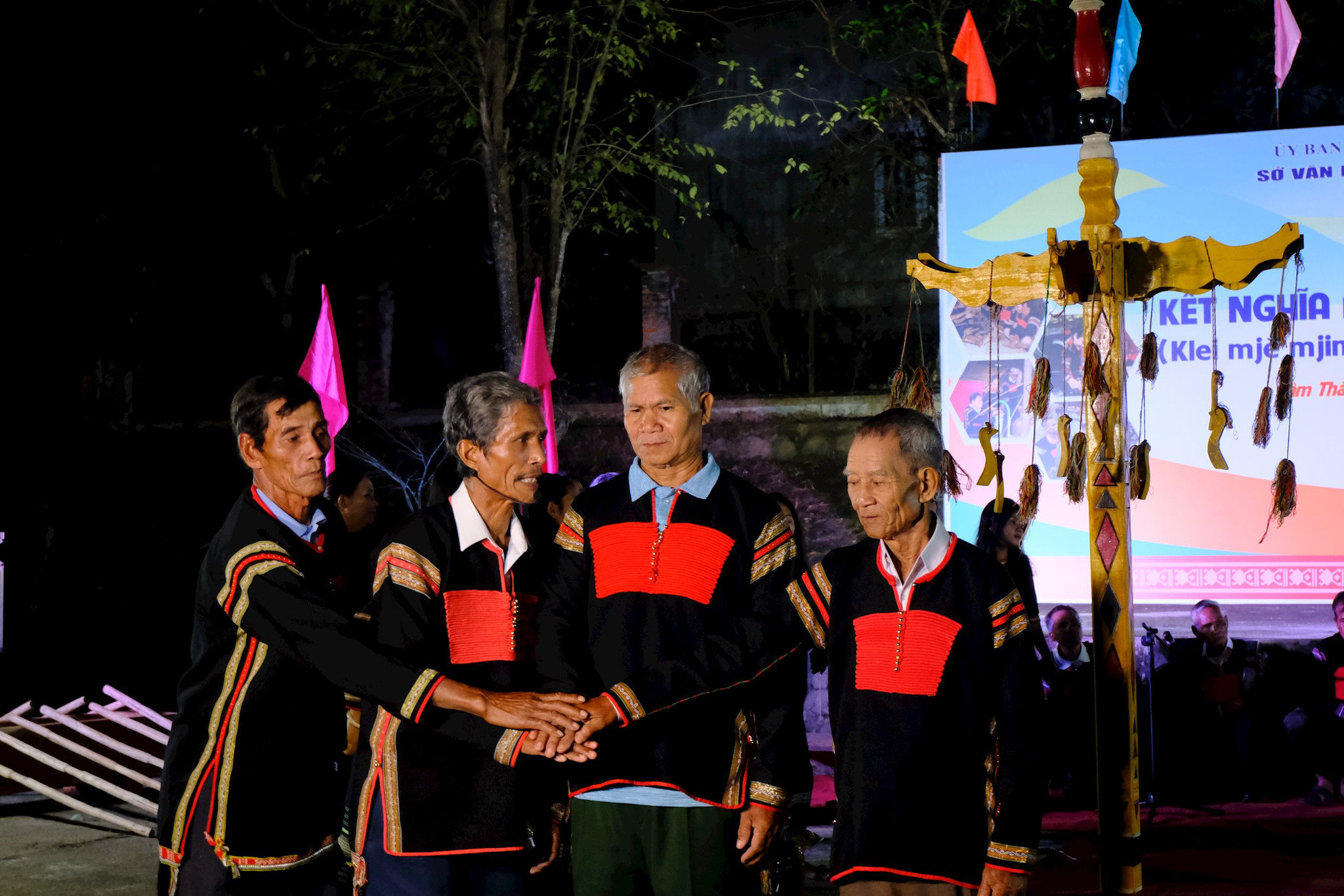
In western Lam Dong, traditional ceremonies among the Ede, M'Nong and Ma communities are also receiving renewed attention. At Buon Buor in Cu Jut Commune, an Ede sworn-brotherhood ceremony has been revived and is being brought back into community life after a period of decline. The ceremony is among the cultural activities featured in the November 18 program.
During the ritual, village elders make pledges to maintain lifelong bonds, sharing and supporting one another as members of the same family. The ceremony reflects traditional values of kinship, mutual assistance and responsibility among people living together in a community.
More than 20 traditional festivals among the Ede, M'Nong and Ma communities in the western part of the province have now been revived.
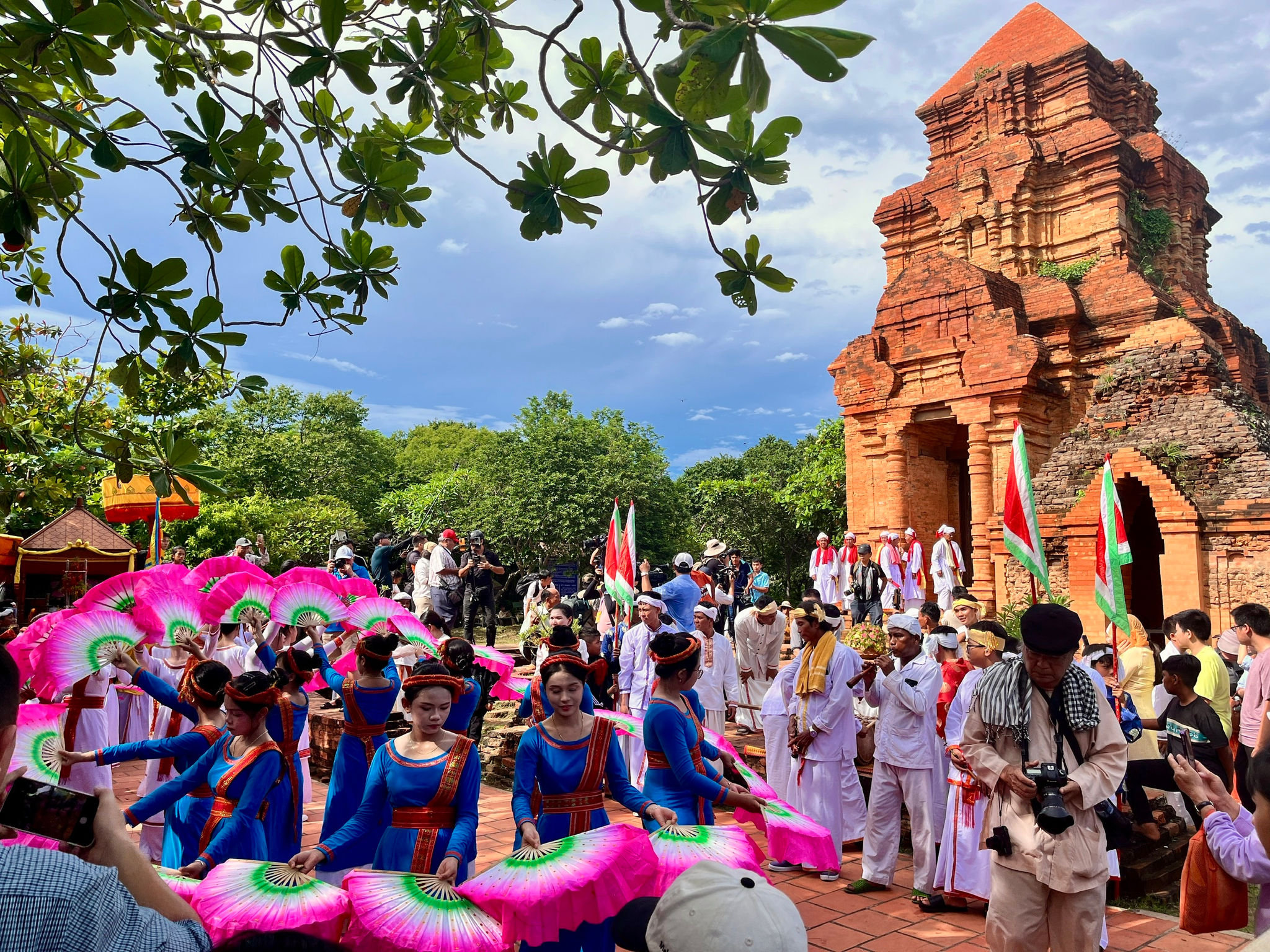
In eastern Lam Dong, Cham culture continues to be practiced and celebrated through festivals, ceremonies and community heritage activities. At the Cham Cultural Exhibition Center in Bac Binh Commune, the November 18 program features a staged excerpt from the ceremony for appointing the chief priest in the Kadhar tradition, known as the Kò Kê priesthood, alongside performances of traditional folk songs, dances and musical instruments.
The center was also one of two venues for the 2026 Kate Festival, held in October. The festival featured traditional rituals and folk performances, as well as displays and demonstrations of Cham brocade weaving, pottery and cuisine.
Bringing Cultural Values to Communities
Across Lam Dong, the National Great Unity Day is also being celebrated widely as part of the National Unity Cultural Week. A total of 124 residential communities, across the province's 124 communes, wards and special administrative zones, are organizing model celebrations. This approach brings the promotion of national solidarity together with the preservation and sharing of cultural values at the community level.
Plan No. 19208 identifies residents as the central participants, creators and beneficiaries of cultural activities. Programs and formats are tailored to the conditions and characteristics of each locality, giving residents opportunities to propose ideas and take a direct role in organizing and carrying out activities.
Official Dispatch No. 3209 issued by the Standing Board of the Lam Dong Provincial Party Committee also calls for the Vietnam Fatherland Front to take the lead, with active coordination from socio-political organizations and broad public participation. The celebrations are to be linked with emulation movements, the expansion of community self-management models and recognition of outstanding groups and individuals.
Through these efforts, the Front continues to strengthen its role in bringing people together, encouraging community participation in preserving cultural identity, building a healthy cultural environment and nurturing solidarity within residential communities.
Across the newly consolidated Lam Dong, distinct cultural identities now come together to shape the rich heritage of a united community. Those bonds grow stronger when every tradition is respected, every heritage has new generations to carry it forward and every resident finds a role in building a shared home.
This spirit was reflected in the remarks of Y Thanh Ha Nie K'dam, Member of the Party Central Committee, Secretary of the Lam Dong Provincial Party Committee and Head of the Lam Dong Delegation to the 16th National Assembly, at the ceremony announcing resolutions on the reorganization of provincial- and commune-level administrative units on June 30, 2025.
“Although our cultures, ways of life and regional characteristics may differ, we are now one family. We must stand together, strengthen self-reliance and resilience, and nurture our aspirations for progress. Let us join hands to build Lam Dong into a more modern, prosperous and civilized province, placing people at the center, preserving and promoting the cultural identities of its ethnic communities, and embracing new opportunities for development,” he said.