

Ka La Reservoir and Its Precious Flow of Water
Ka La, an artificial reservoir that has just turned 20 years old, is irrigating hundreds of hectares of agricultural land across the Bao Thuan and Di Linh areas in the early days of the dry season. Ensuring the reservoir operates at peak efficiency while delivering safe, economical water supplies remains a shared mission for both the agricultural sector and local communities.
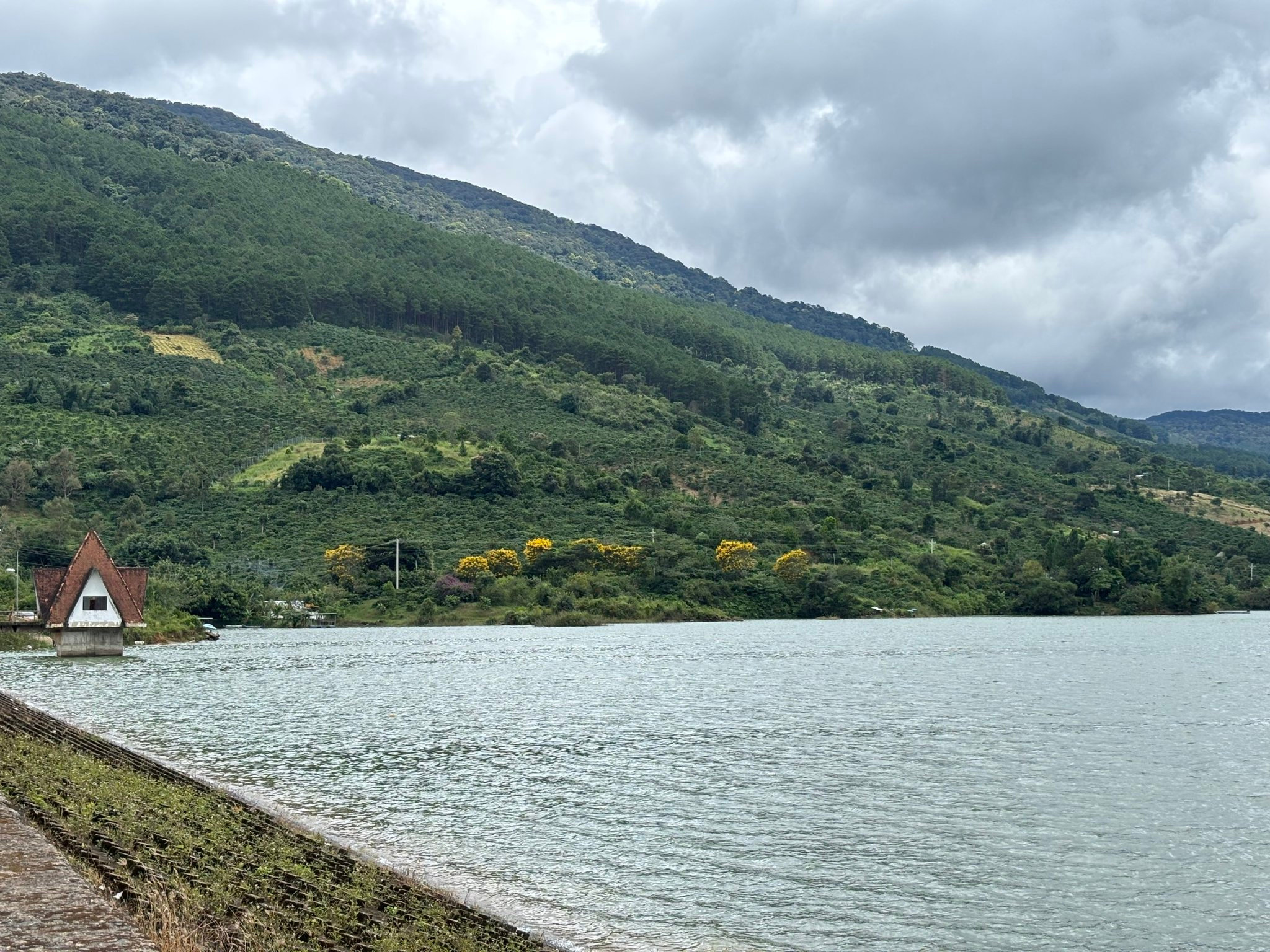
Nguyen Van Mong, an officer at the Provincial Irrigation Investment and Exploitation Management Center, the unit directly managing Ka La Reservoir, reported that the reservoir is located in Bao Thuan Commune and was constructed and put into operation 20 years ago. The reservoir supplies irrigation water for 2,206 hectares of rice and coffee cultivated by residents across Bao Thuan and Di Linh communes. Currently, the reservoir is operating smoothly, providing dry-season water for local residents, including hundreds of hectares of paddy rice.
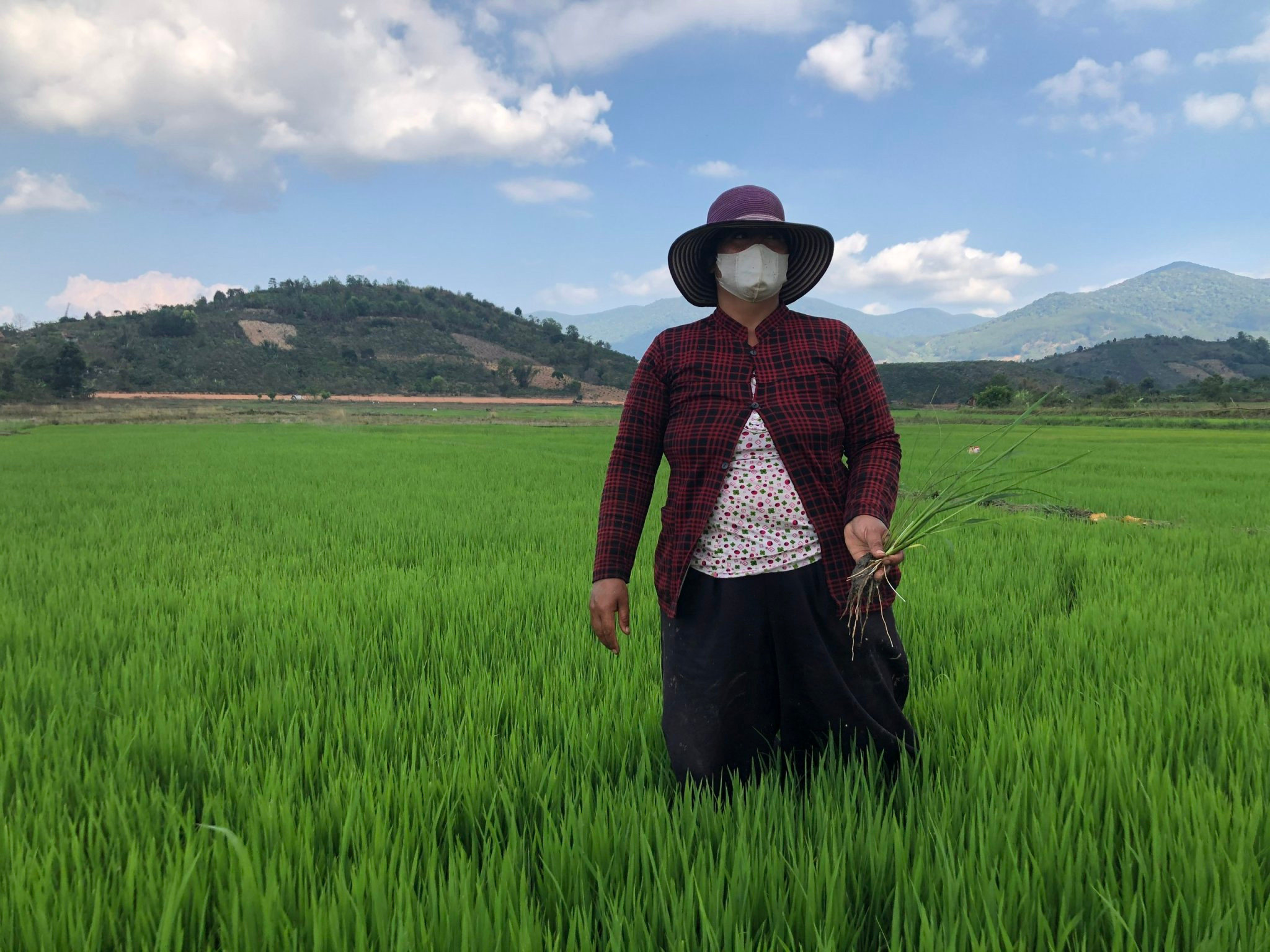
According to Mong, before Ka La Reservoir existed, residents in this area relied exclusively on rainwater to grow rice and coffee. Today, however, farmers cultivate wet rice and depend heavily on a stable water supply. Without irrigation infrastructure, farmers could manage only a single rice crop during the rainy season, making food shortages a regular occurrence. Since the construction of Ka La Reservoir, water has reached all local rice and coffee fields, vastly improving agricultural production and allowing farmers to harvest two rice crops per year with ample food and clothing.
Ka La Reservoir sits directly at the foot of Brah Yang Mountain, drawing underground water veins from the mother peak. Water flows through systematically constructed canals down to residents' rice and coffee fields. "Protecting the reservoir and dam alone is not difficult; our agricultural officers live right beside the reservoir and are present every day to ensure safety. More importantly, we must coordinate with local authorities and residents to protect dozens of kilometers of canals, most of which run through residential areas and fields to deliver water to crops," Mong explained.
Ka Bien, Head of the Fatherland Front Working Committee of Hang Ung Village in Bao Thuan Commune, shared that every K'ho household here owns wet rice fields. Water flows through Hang Ung via an elevated canal system, with many sections standing 3 to 4 meters above field level. "When residents want to draw water from the canal, they must raise pipes up high and use pumps to channel water down into their fields. We constantly remind villagers that even though it takes a bit more effort, they must never puncture the canal walls. Piercing the canal might make water flow easily into one's own field, but it damages the structure and leaves neighboring farmers without water," Ka Bien noted.
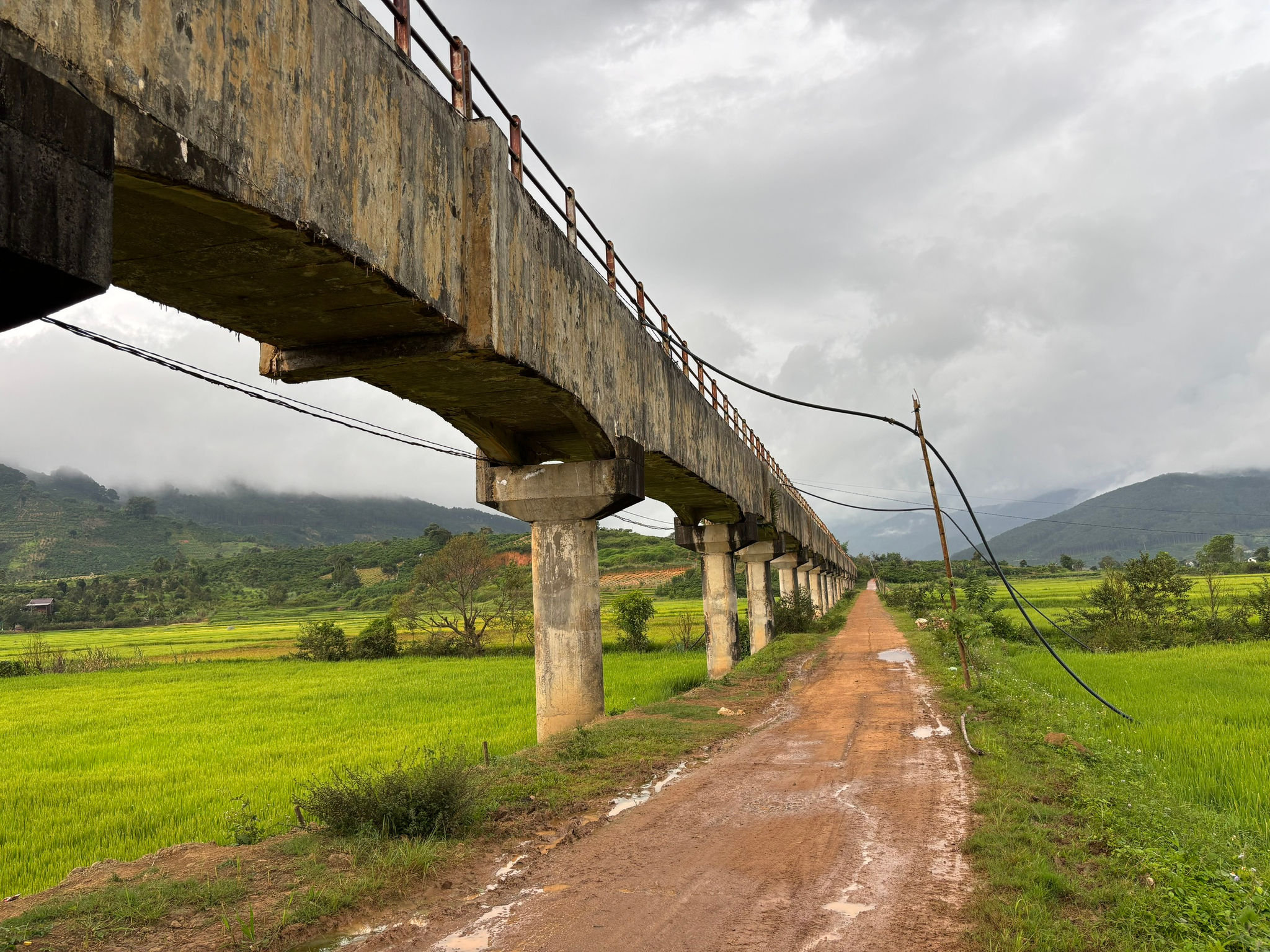
Ka Bien and local villagers still remember the old days when fields cracked dry during the sunny season, leaving enough water for rice only when the rains came. Those memories motivate Hang Ung residents to cherish the convenient canal network they rely on today.
K' Broih, Head of the Farmers' Association Branch in Ka La 1 Village, where the reservoir is situated, also regularly reminds association members and local farmers to safeguard the reservoir and dam corridors. "Our village residents are the first to benefit, enjoying convenient irrigation for coffee. Previously, being close to the mountains, water was scarce and many coffee trees withered and died; now, with the reservoir right next door, watering coffee is effortless. From the commune down to the village, we always remind people to cooperate with the Management Station to maintain environmental hygiene and keep canals clean. In particular, households farming near the reservoir must not dump trash into the water, and pesticide packaging must be collected at designated sites," K' Broih said.
With the 2026 - 2027 dry season approaching, Ka La Reservoir stands ready for a demanding irrigation period. The agricultural sector, local authorities, and residents are working hand in hand to ensure the safety and efficient operation of the reservoir, looking forward to bountiful harvests.