

OCOP producers strive for higher ratings
As markets impose increasingly strict requirements for quality, food safety, packaging and traceability, achieving OCOP certification is only the first step.
Professionalizing production
To build a lasting market presence, many OCOP producers in western Lam Dong are shifting from small-scale production to more professional operations that link product quality with branding and consumer demand.
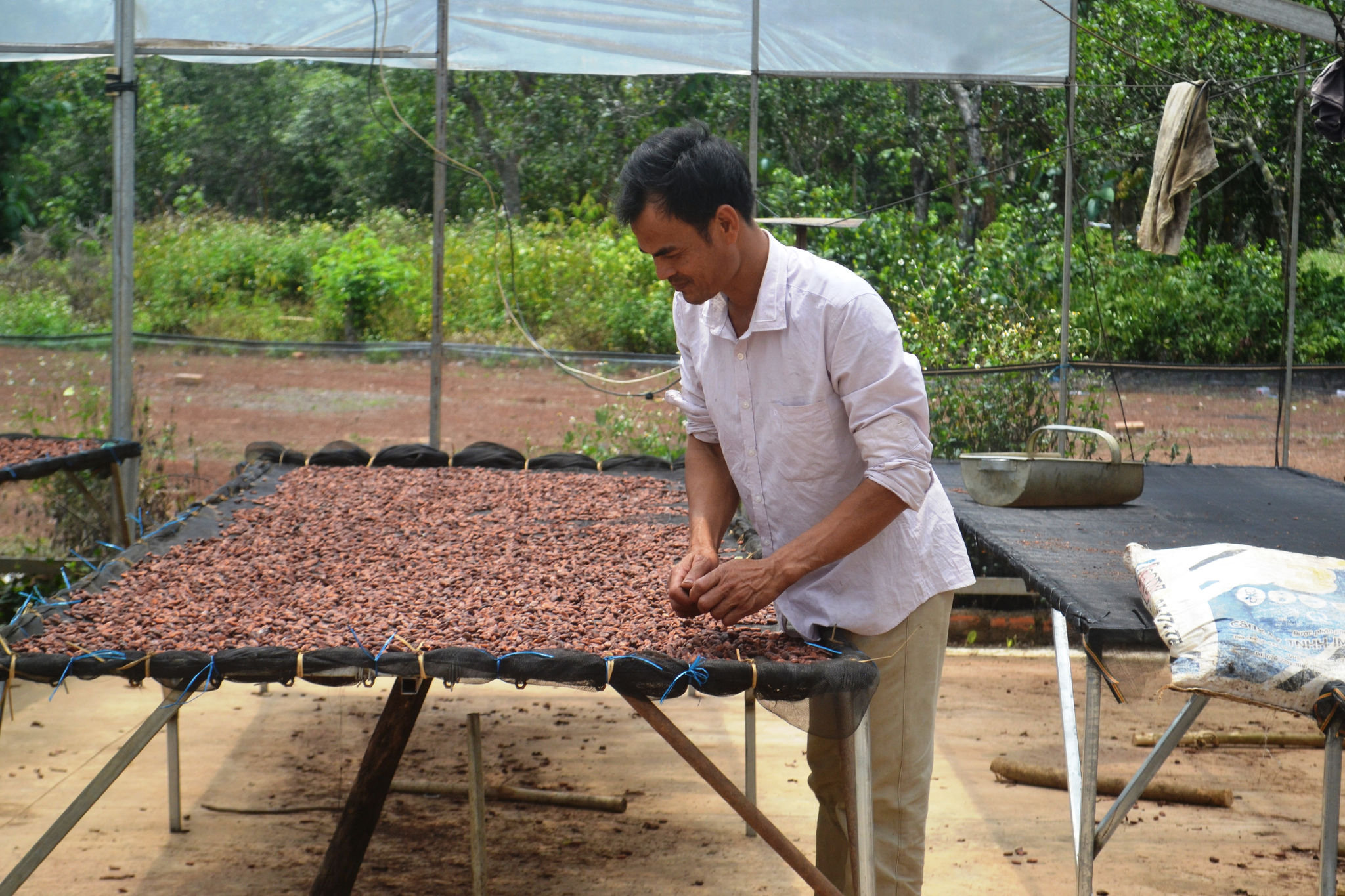
In Krong No Commune, Krong No Agricultural Cooperative is known for its signature products, particularly pure cocoa powder and chocolate, both rated three stars under the OCOP programme.
Nguyen Van Nghia, Director of the cooperative, said it ensures product quality from the source through a local raw-material area of more than 100 hectares operating under international fair trade standards. The cooperative has also continued investing in machinery and technology to improve the quality of its processed cocoa products.
In recent years, prices for cocoa and cocoa-based products have remained relatively stable, giving the cooperative further incentive to invest. Its goal goes beyond securing a higher OCOP rating. The process also encourages the cooperative to improve production procedures, strengthen management capacity and enhance market competitiveness.
Alongside the domestic market, the cooperative is negotiating with partners in countries including Japan and South Korea in preparation for exports. While Krong No Agricultural Cooperative focuses on deep processing, Quang Phu Organic Agriculture and Forestry Production Cooperative in Quang Phu Commune prioritizes product quality to ensure fresh produce reaches customers at its best.
Nguyen Thi Mai, Director of the cooperative, said it currently combines agriculture with ecotourism and experiential activities across about five hectares. Its products have organic certification and a four-star OCOP rating linked to the UNESCO Dak Nong Global Geopark.
Oranges and mandarins grown on volcanic soil have distinctive qualities and sweetness because the plants absorb minerals from volcanic soil and rocks. The cooperative has consistently passed quality inspections, enabling its products to enter domestic retail and supermarket systems operated by Japanese and South Korean brands.
Developing distinctive products
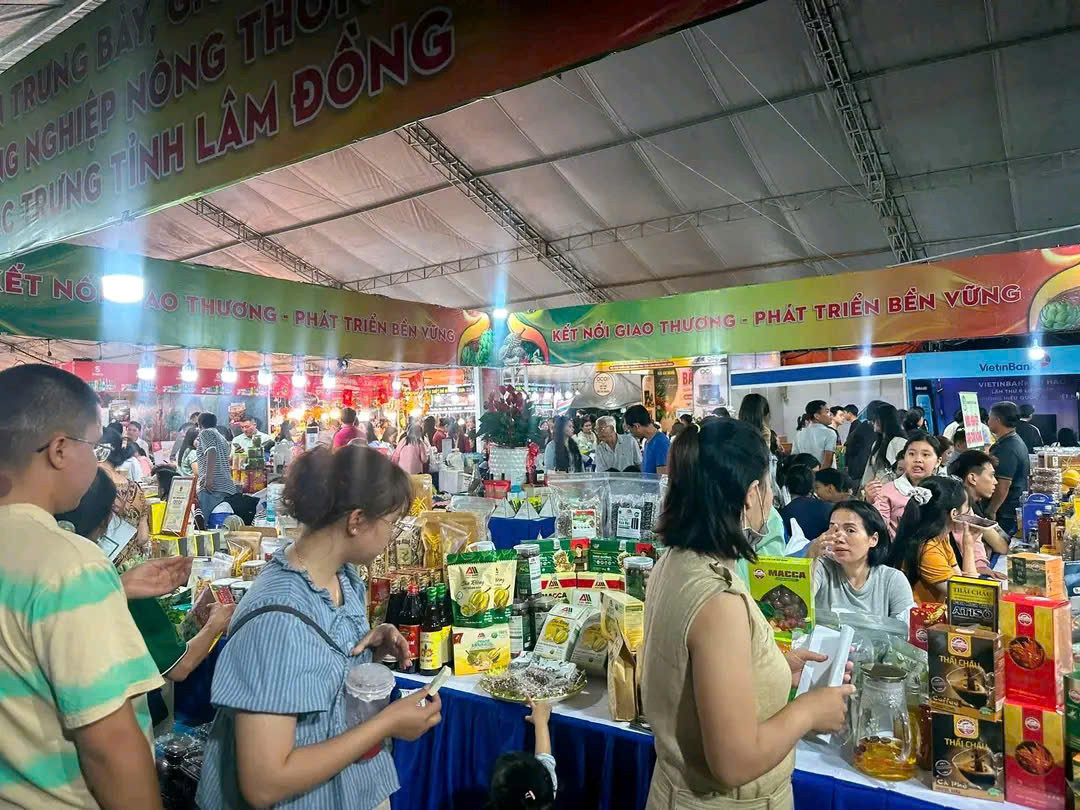
For the OCOP program to deliver lasting results, efforts by producers must be matched by support from communes and wards in developing distinctive local products.
Pham Ngoc Vu, Chairman of the Quang Phu Commune People's Committee, said local communication, guidance and support for OCOP development must also focus on building the skills needed to maintain and improve star ratings.
The priority is to help producers shift their mindset from simply making products to organizing branded production with stable markets. Beyond Krong No and Quang Phu communes, Lam Dong currently has 527 OCOP entities with 941 recognized products, including 88 four-star products and 853 three-star products.
The province has a diverse range of strengths, including coffee, tea, macadamia nuts, artichokes, vegetables, flowers, fruit and processed products. According to Le Quang Dan, Deputy Director of the Lam Dong Department of Agriculture and Environment, many provincial products, including those from western Lam Dong, have received investment in packaging, quality standards and traceability while gradually expanding their markets.
For sustainable development, OCOP products in western Lam Dong should be linked with distinctive local stories, tourism and visitor experiences associated with the UNESCO Dak Nong Global Geopark. Cooperatives and production establishments also need to strengthen management capacity, develop business plans, control costs and maintain stable supply.
At the same time, improving product design and packaging, building brands and registering trademarks should be considered essential to strengthening consumer confidence.