

Preserving the green hue of rural destinations
Guided by the message of each village a destination, each product a story, Lam Dong Province is striving to develop tourism rooted in indigenous values. However, the challenge lies in ensuring that rural tourism development goes hand in hand with landscape preservation and environmental protection.
Awakening product value
Orchards and craft villages not only generate income from production but also shape the landscape and distinct identity of each commune, ward, and special zone in Lam Dong. When agricultural production is integrated with sightseeing, hands-on experiences, and specialty introductions, the value of local products rises significantly.
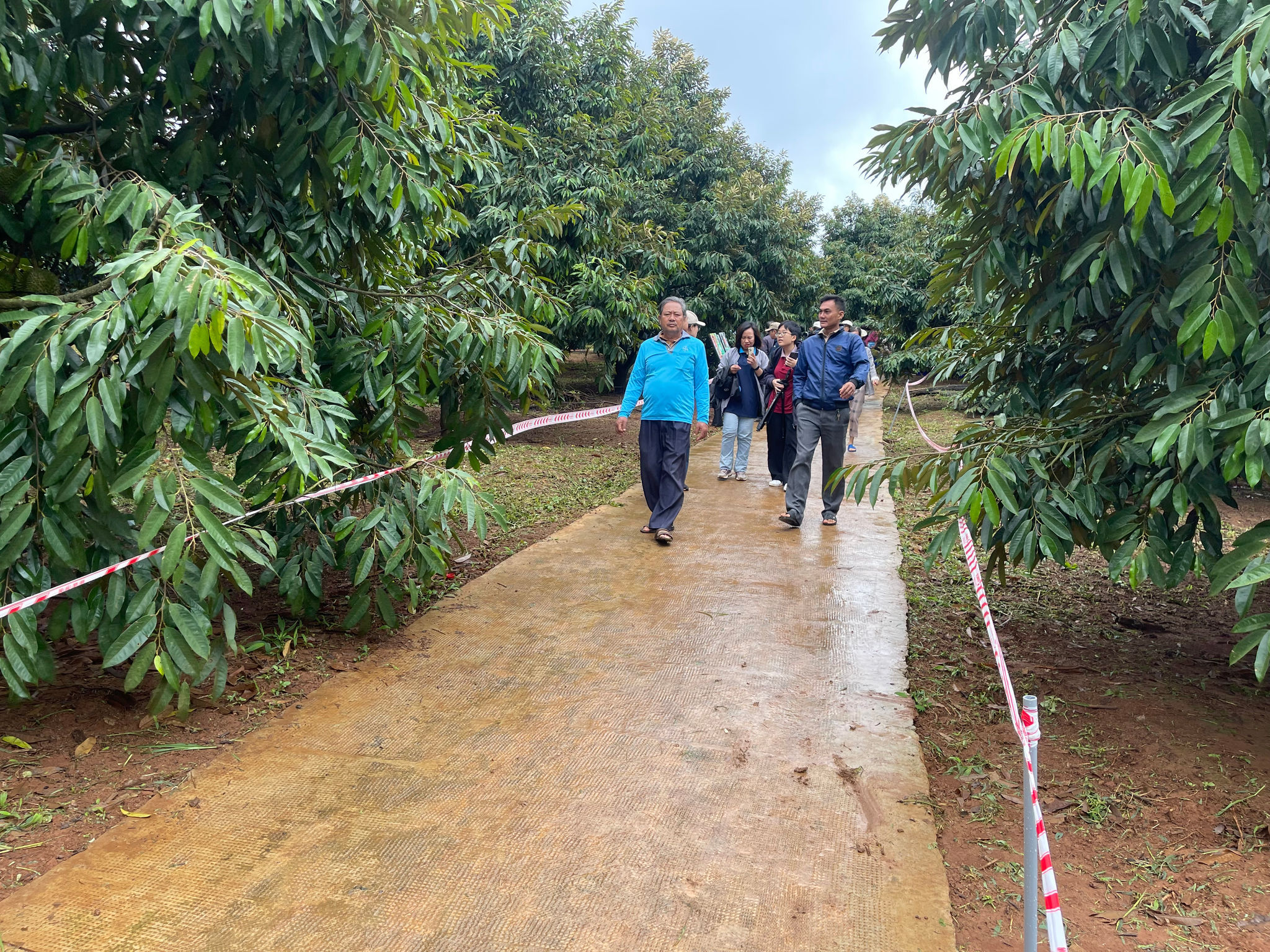
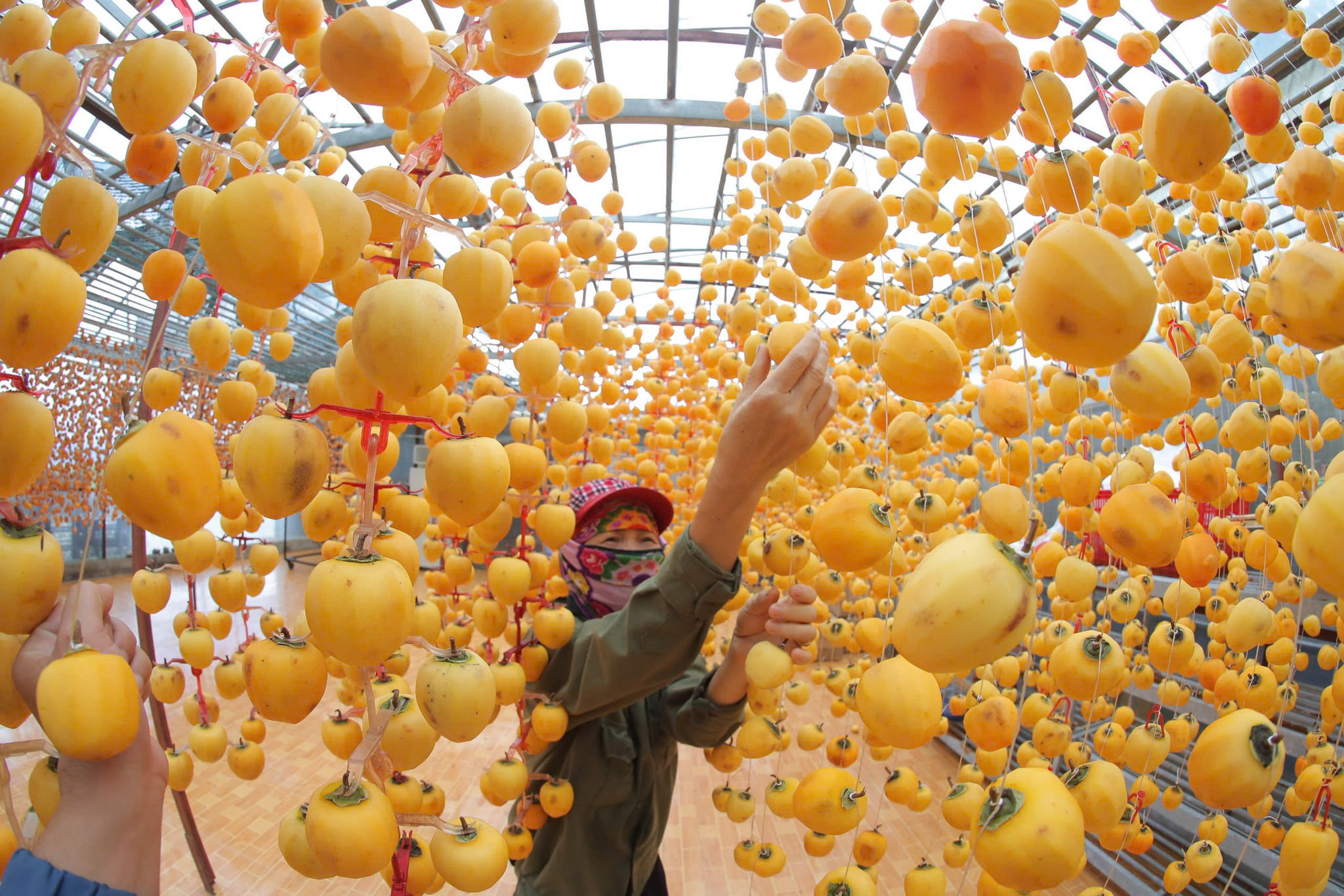
The family of Tran Van Khanh in Lac Thien 2 Hamlet, D'ran Commune, tends to more than 1.5 hectares of persimmon trees. Khanh focuses on organic cultivation while arranging the orchard space in harmony with the surrounding scenery to welcome visitors for tours and experiences. "We develop our orchard organically to produce clean agricultural products while ensuring a safe environment for visiting tourists," Khanh said.
According to the People's Committee of D'ran Commune, spanning roughly 1,200 hectares, fruit-bearing persimmon trees have been identified as the key crop securing local livelihoods. The locality has finalized a draft project on building a green-transition persimmon brand for D'ran linked with agritourism. Through this initiative, the commune aims to elevate persimmon quality and value while connecting orchards with tourist sightseeing and experiential activities.
Beyond persimmons, Lam Dong boasts a rich array of agricultural goods, local specialties, and traditional crafts. According to the Department of Agriculture and Environment, the province currently has 853 OCOP products with valid certification, comprising 88 four-star products and 765 three-star products across 480 participating entities, alongside 27 active craft and traditional craft villages.
Notably, the province has established 428 agricultural production-to-consumption linkage chains involving 47,590 households. Leveraging these advantages, Lam Dong has outlined its plans to implement the OCOP program for the 2026 to 2030 period, targeting the annual addition of one to two three-star or higher OCOP products in community-based tourism, ecotourism, and rural tourism. The plan aims for at least 30 percent of OCOP entities to build value chains oriented toward a circular economy and green OCOP tied to stable raw material zones.
Protecting the environment for sustainable growth
When agricultural landscapes, signature products, and rural life become tourism resources, environmental quality determines the appeal of a destination. That allure is difficult to sustain amid accumulated waste, polluted water sources, and unsanitary living spaces.
Figures from the agriculture and environment sector show that in the first nine months of 2026, the collection and treatment rate of domestic solid waste in rural areas reached an estimated 75.64 percent, trailing the urban rate of 93.65 percent. This gap underscores shortcomings in rural waste collection and treatment. Pressure mounts even further in localities developing tourism, where sightseeing, dining, and lodging generate additional waste on top of daily production and household activities.
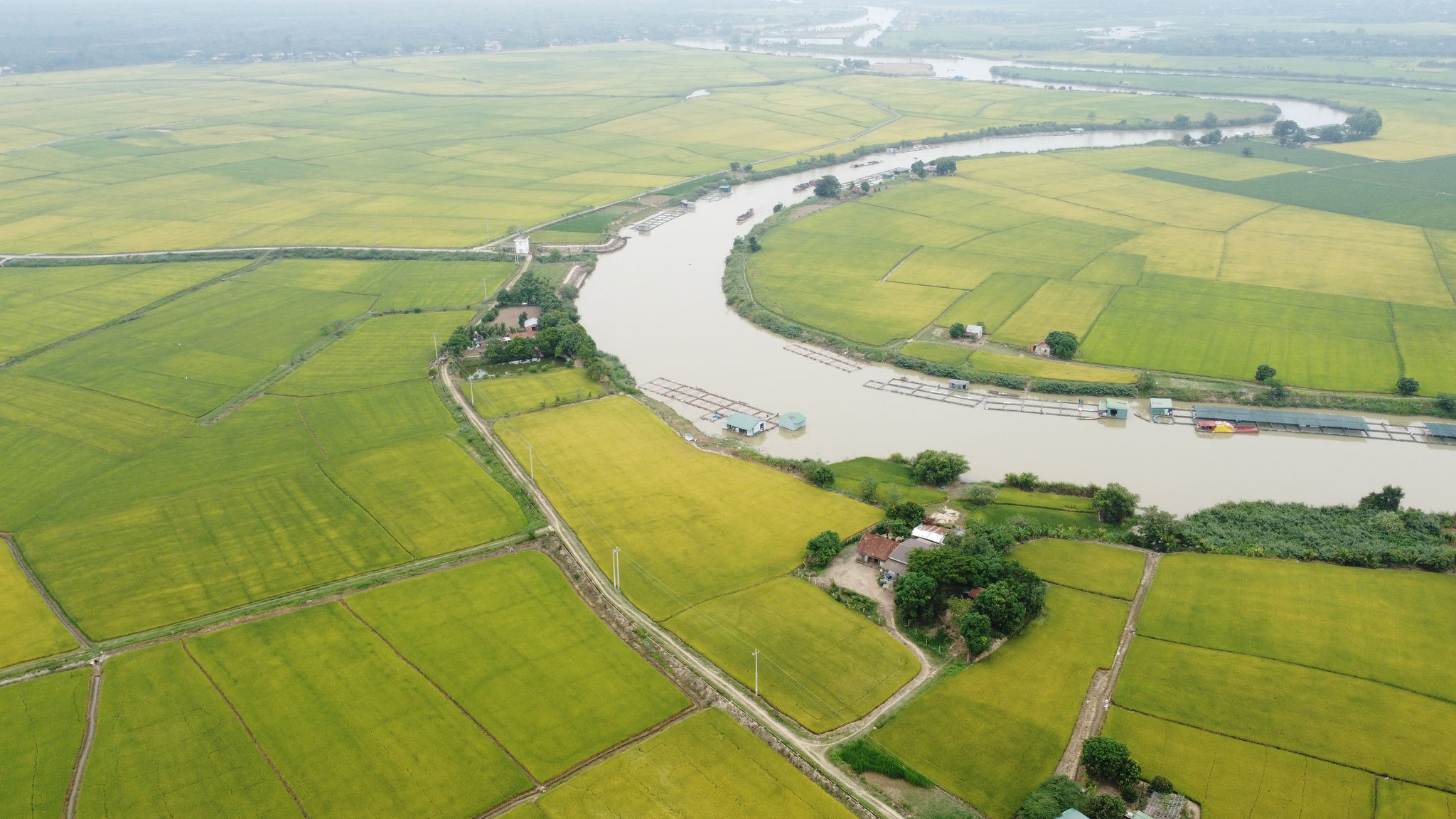
The issue extends beyond placing trash bins or tidying landscapes to organizing regular waste collection, transportation, and treatment. In particular, controlling wastewater from service operations and curbing soil and water pollution that impacts natural ecosystems are prioritized from the outset.
In its OCOP development orientation for 2026 to 2030, the province also emphasizes organic production, ecological agriculture, circular economy models, efficient resource utilization, and landscape conservation. Linking products with stable raw material areas, upgrading quality, and expanding supply chains lay the groundwork so that tourism remains closely tied to production while curbing short-sighted resource exploitation.
According to Vu Dinh Cuong, Deputy Director of the Lam Dong Department of Agriculture and Environment, the province is implementing a project to develop concentrated, high-tech, ecological specialized farming zones for the 2026 to 2030 period, alongside advancing agritourism under the message of "each village a destination, each product a story," integrated with biodiversity conservation in the Langbiang World Biosphere Reserve. This serves as the foundation to encourage businesses to invest in rural tourism models.