

OCOP Within the UNESCO Geopark Space
Western Lam Dong has favorable conditions for developing One Commune One Product (OCOP) products linked to the Dak Nong UNESCO Global Geopark. This approach not only elevates the value of local agricultural products but also promotes the region's image and people, creating fresh momentum for tourism and the rural economy.
OCOP coffee, pepper, macadamia, processed agricultural goods, and traditional handicrafts from Western Lam Dong are steadily establishing their market foothold. Within this effort, the Dak Nong UNESCO Global Geopark serves as a distinct advantage. With its system of unique geological and geomorphological landscapes, volcanic caves, waterfalls, and indigenous cultural values, the geopark fosters a tourism space tied to nature, culture, and community life experiences.
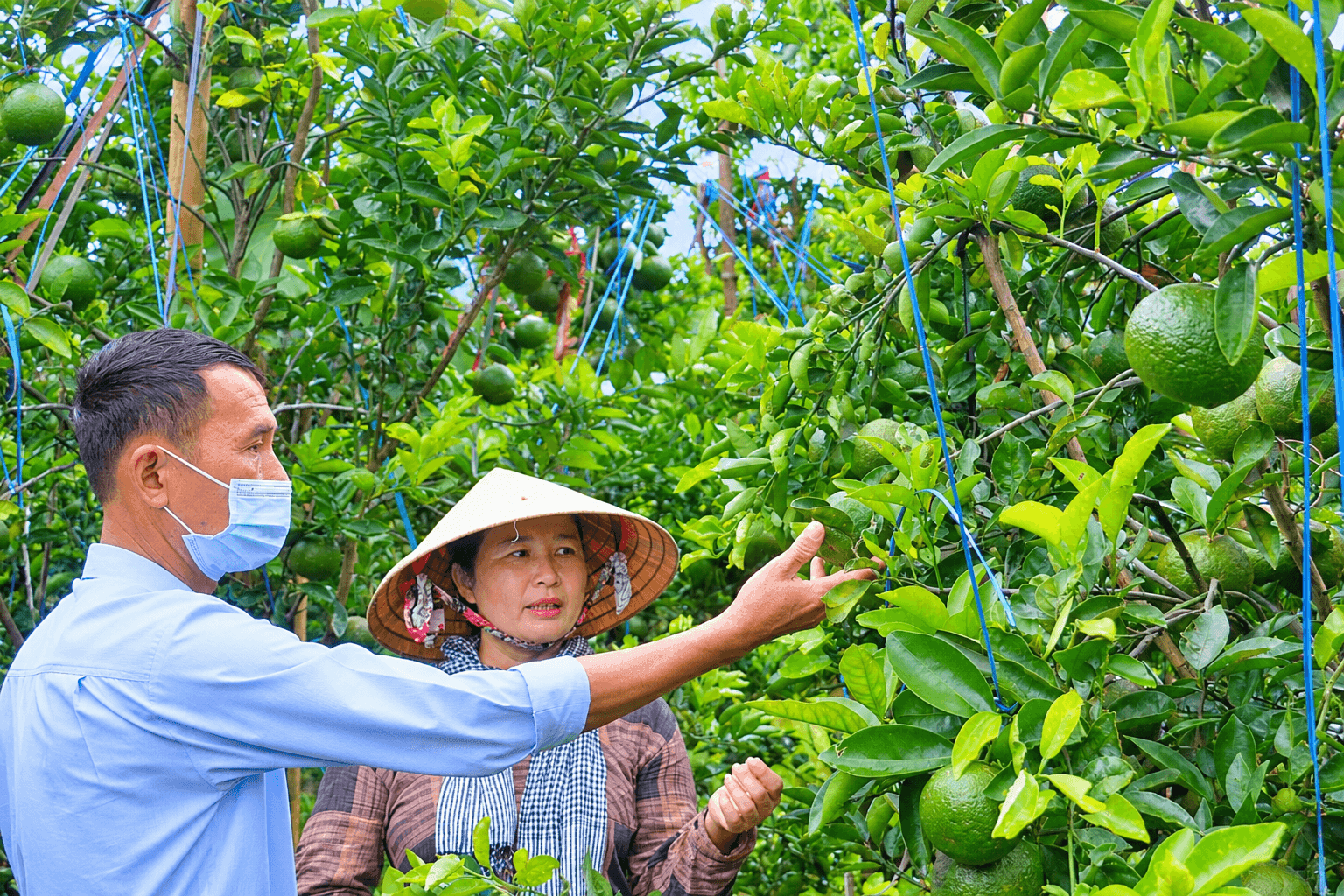
In Quang Phu commune, Nguyen Thi Mai and neighboring households in Phu Thuan hamlet have developed OCOP products on the volcanic soil of Nam Ka in recent years. Their fruits and vegetables are cultivated under Good Agricultural Practices (GAP), with her orchard's oranges and mandarins achieving 4-star OCOP status and organic certification.
Mai noted that organic farming on volcanic soil gives the produce distinctive flavors, including rich sweetness and vibrant colors. The orchard also serves as a destination where visitors can tour, experience farming, harvest, and taste fruit right on site.
Alongside this, she plans to collaborate with local households to offer signature specialties such as indigenous chicken, bamboo-tube rice, and traditional leaf stew to enrich visitor experiences and encourage longer stays.
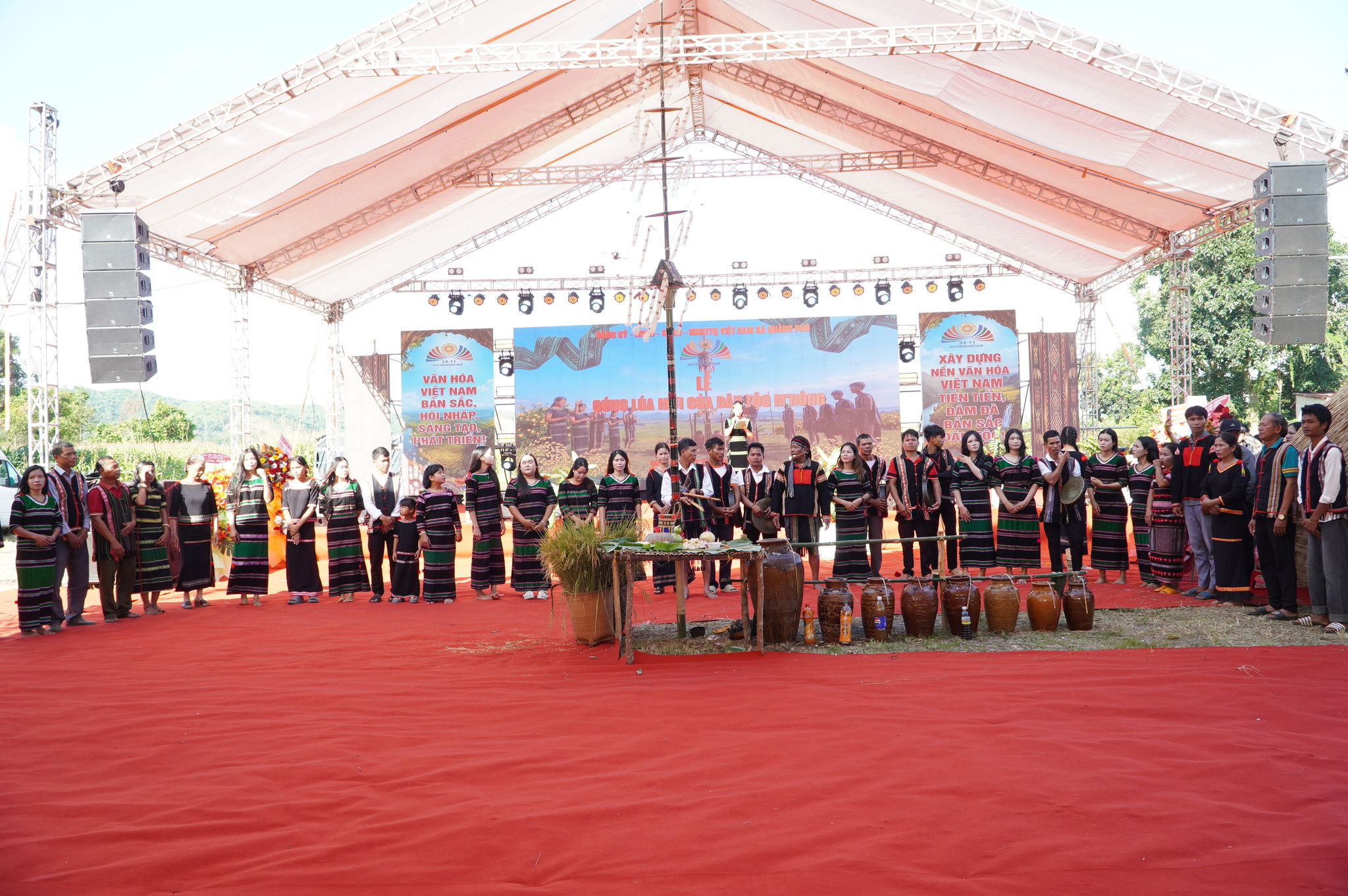
According to Pham Ngoc Vu, Chairman of the Quang Phu Commune People's Committee, developing signature OCOP products tied to the Dak Nong UNESCO Global Geopark is a key local priority to enhance agricultural value, shifting from pure production to developing products with quality, branding, and competitiveness. For OCOP producers, linking products to geological and cultural values—especially those of indigenous communities and tourism—helps create differentiation, boost appeal, and ensure lasting vitality.
Western Lam Dong features numerous processed agricultural products whose quality has been upgraded alongside traceability, food safety assurance, and product storytelling, emphasizing the Dak Nong UNESCO Global Geopark element to gradually reach tourists.
Specifically, in Truong Xuan commune, Anh Mai Cacao Garden stands as a model of local Good Agricultural Practices. Over time, many visitors have stopped here and at connected surrounding attractions. Visitors enjoy a cool, refreshing space to learn about cultivation, experience processing chocolate from cacao beans, and sample cacao-based products.
According to Le Quang Dan, Deputy Director of the Department of Agriculture and Environment, connecting OCOP products with the Dak Nong UNESCO Global Geopark space opens significant opportunities for local specialties to reach broader customer segments.
Through sightseeing and experiential activities, tourists can directly learn about production processes, enjoy and select signature local items. Consequently, OCOP products are not merely consumed as agricultural commodities but become an integral part of the tourism experience. This represents major potential with ample room for localities and producers to promote these products more vigorously.
To achieve effectiveness, OCOP producers in this region need to focus on appropriate packaging design that reflects the cultural identity and outstanding values of Western Lam Dong. At the same time, strengthening linkages between OCOP producers and tourism enterprises, accommodation facilities, restaurants, and tourist attractions inside and outside the province is essential to generate greater product value and long-term sustainability.