

Lam Dong's agriculture sector underpins growth in the final months of the year
In October 2026, agriculture, forestry and fisheries were the only economic sector in Lam Dong to exceed its gross value-added target, reaching 100.34% of the plan. This result further underscores the important role of agriculture in the province's economic performance.
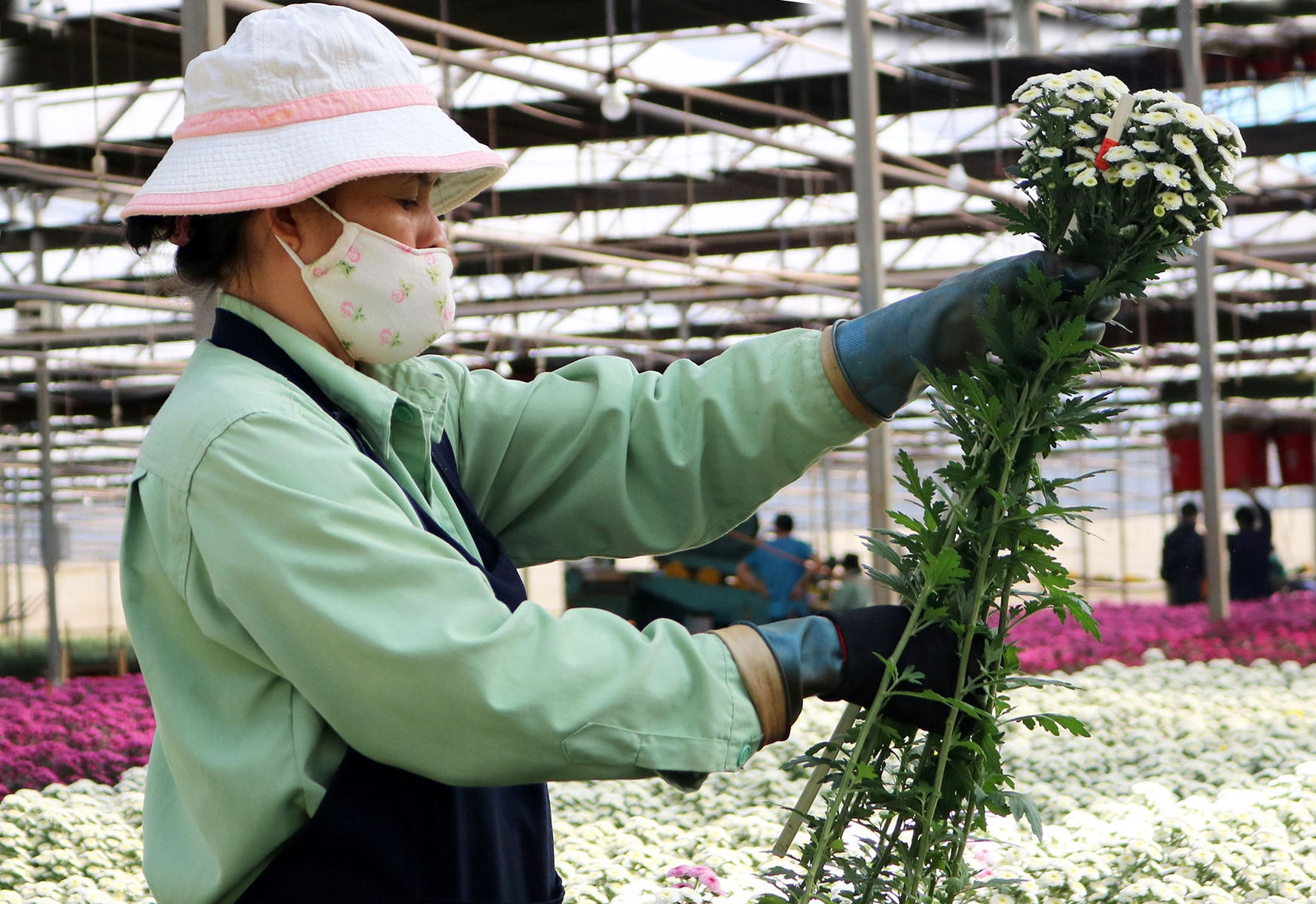
Agriculture emerges as a bright spot in Lam Dong
According to Report No. 2164/BC-STC dated November 17, 2026, issued by the Department of Finance to assess growth in October and the first 10 months of 2026 and project growth scenarios for the final two months of the year, Sector I (agriculture, forestry and fisheries) was the only one of the province's three economic sectors to meet and exceed its gross value-added target in October.
Specifically, the gross value added of Sector I in October 2026 was estimated at VND 11,146.814 billion, equivalent to 100.34% of the target, exceeding it by VND 37.95 billion. This represented a year-on-year increase of 4.51%, higher than the 4.16% growth projected in the scenario.
Meanwhile, industry and construction reached only 94.08% of their targets, while services achieved 96.24%. The agricultural sector's performance therefore not only reflects its ability to maintain production momentum but also helps narrow the overall shortfall in the province's economy during the month.
Notably, all 3 subsectors making up Sector I exceeded their targets. Agriculture and related services recorded gross value added of VND 10,152.555 billion, 0.14% above the target, or VND 14.433 billion higher, representing year-on-year growth of 4.38%. This was the largest subsector in terms of gross value added and played a leading role in the overall performance of Sector I.
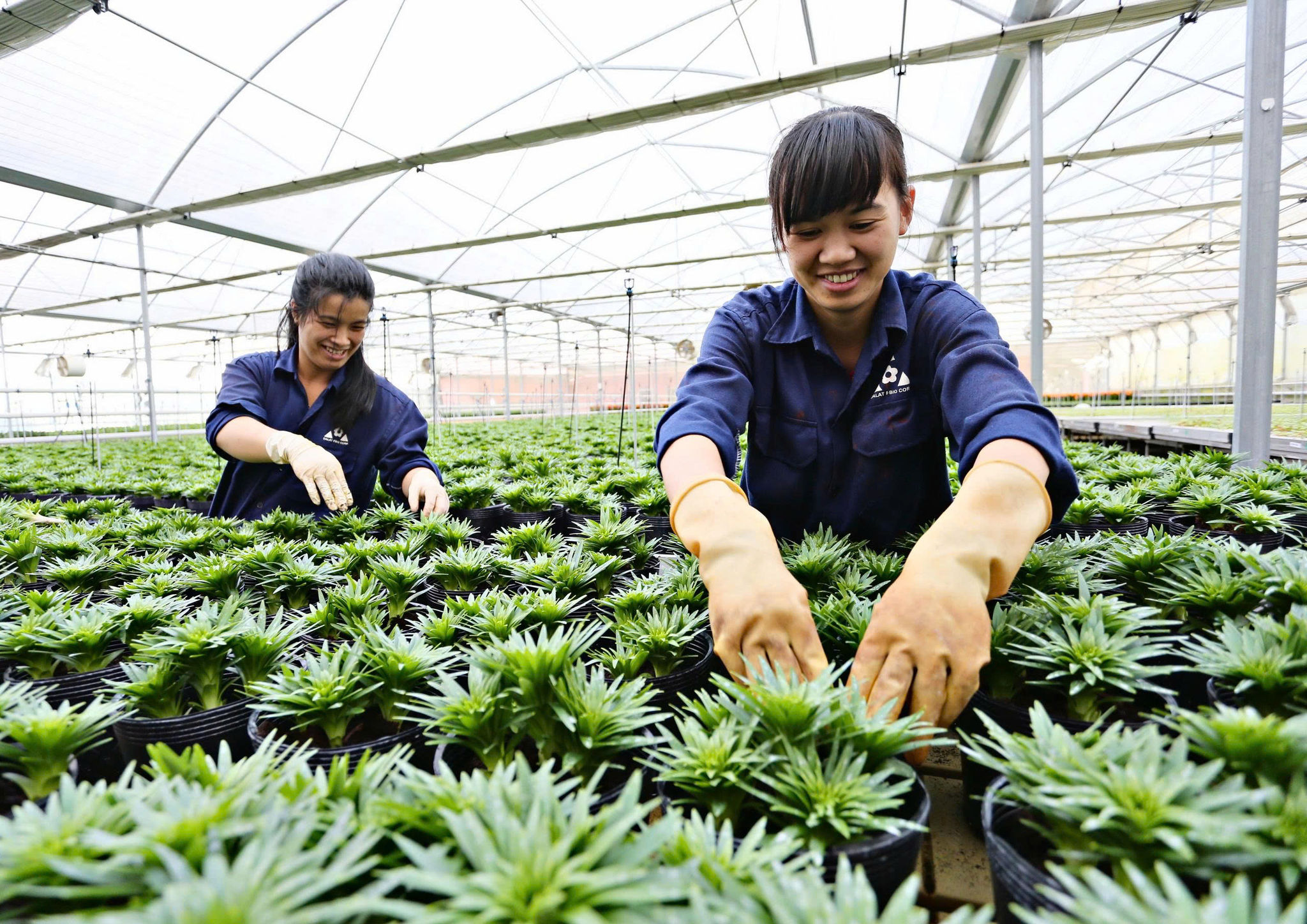
Forestry and related services recorded VND 194.81 billion, exceeding the target by 7.9%, equivalent to VND 14.26 billion, and increasing 11.44% year on year. Capture fisheries and aquaculture reached VND 799.45 billion, exceeding the target by 1.17%, or VND 9.258 billion, and rising 4.68% year on year. The fact that all three subsectors exceeded their targets indicates that growth was supported by relatively balanced contributions rather than relying entirely on a single production sector.
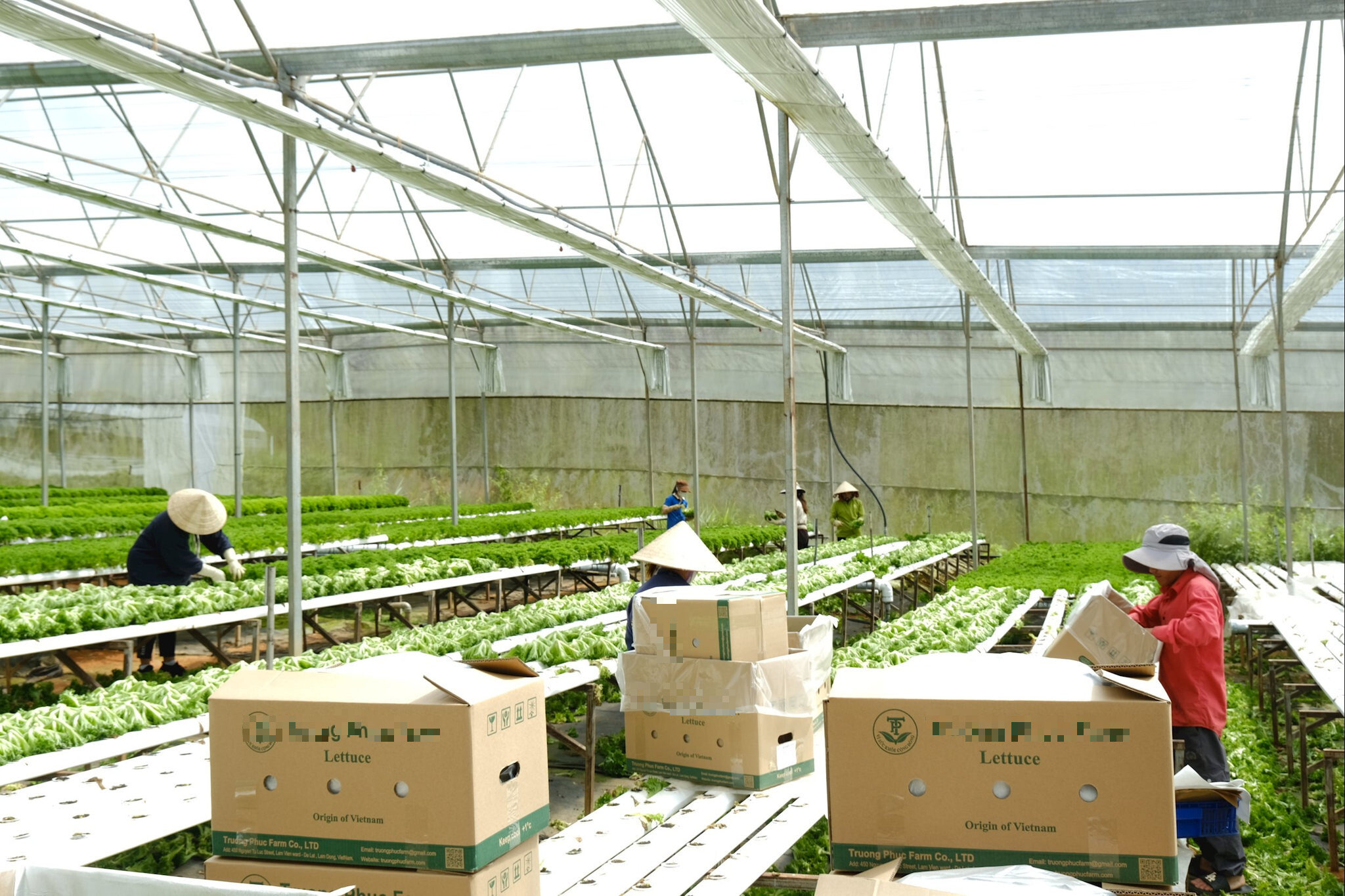
Behind these results was the continued large-scale operation of agricultural production. As of October, the total area planted with annual crops reached 418,280 hectares, up 2.19% year on year, while the area under perennial crops stood at 638,205 hectares, an increase of 0.3%.
In livestock production, several animal groups recorded solid growth. The province's herds were estimated at 27,200 buffaloes, 324,500 cattle and 1.582 million pigs, while poultry numbers stood at approximately 25.2 million. Total meat production reached more than 308,573 tonnes, up 10.3%, while cow's milk output amounted to 98,467 tonnes, an increase of 23.86% year on year. These figures show that livestock production continues to be one of the drivers of the sector's overall output value.
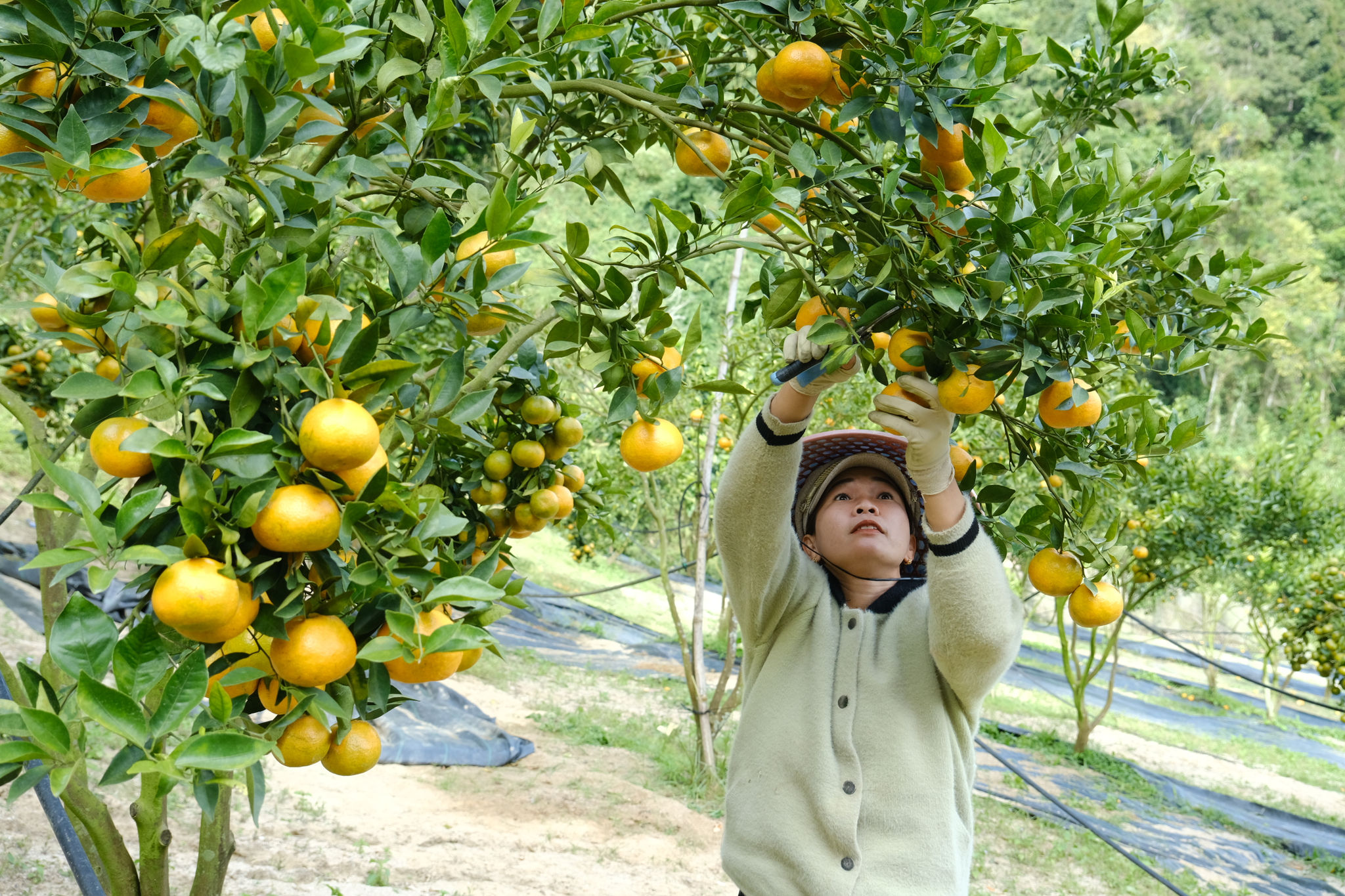
In forestry, harvested timber output over the first 10 months reached 406,309 cubic meters. The area of concentrated forest plantations totaled 3,149.7 hectares, equivalent to 104.3% of the annual target. The equivalent area of scattered tree planting reached 113.72% of the target, while the area under assisted natural regeneration reached 107.03%. In fisheries, capture production exceeded 220,446 tonnes, up 4.19%, while aquaculture output reached 23,667 tonnes. These results helped consolidate the growth foundation of Sector I in October.
However, agricultural production continues to face unfavorable factors. African swine fever has emerged in some areas, affecting livestock farming, while weather conditions and the risk of natural disasters require producers to proactively adjust their production plans. Therefore, exceeding the target in October is an encouraging sign, but it does not mean that the sector can afford to be complacent during the remaining months of the year.
Coffee expands growth potential in November and December
Under the growth scenario for the final two months of the year, Sector I needs to achieve a gross value added of at least VND 32,700.993 billion. Agriculture and related services will continue to account for the largest share, with projected gross value added of VND 30,796.404 billion, representing 43.14% of the total gross value added across all economic sectors. The scenario targets year-on-year growth of 5.54% for this subsector, equivalent to an absolute increase of VND 1,615.466 billion.
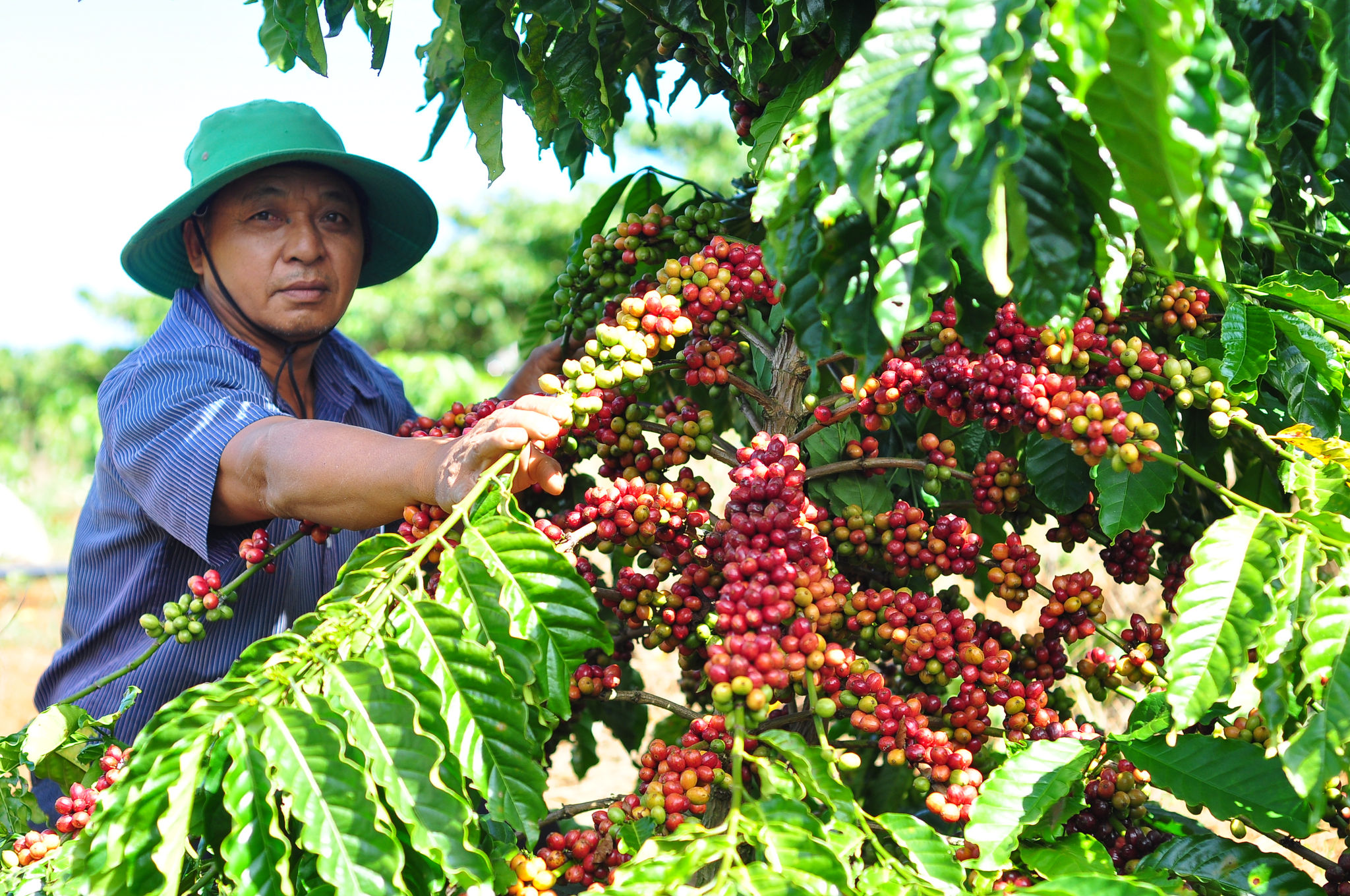
Phan Nguyen Hoang Tan, Director of the Lam Dong Department of Agriculture and Environment, said coffee has been identified as the greatest source of additional growth potential for Sector I in the fourth quarter. This is also the peak harvest period in many of the province's key production areas, creating opportunities to increase value through harvesting, purchasing, preliminary processing, processing and distribution.
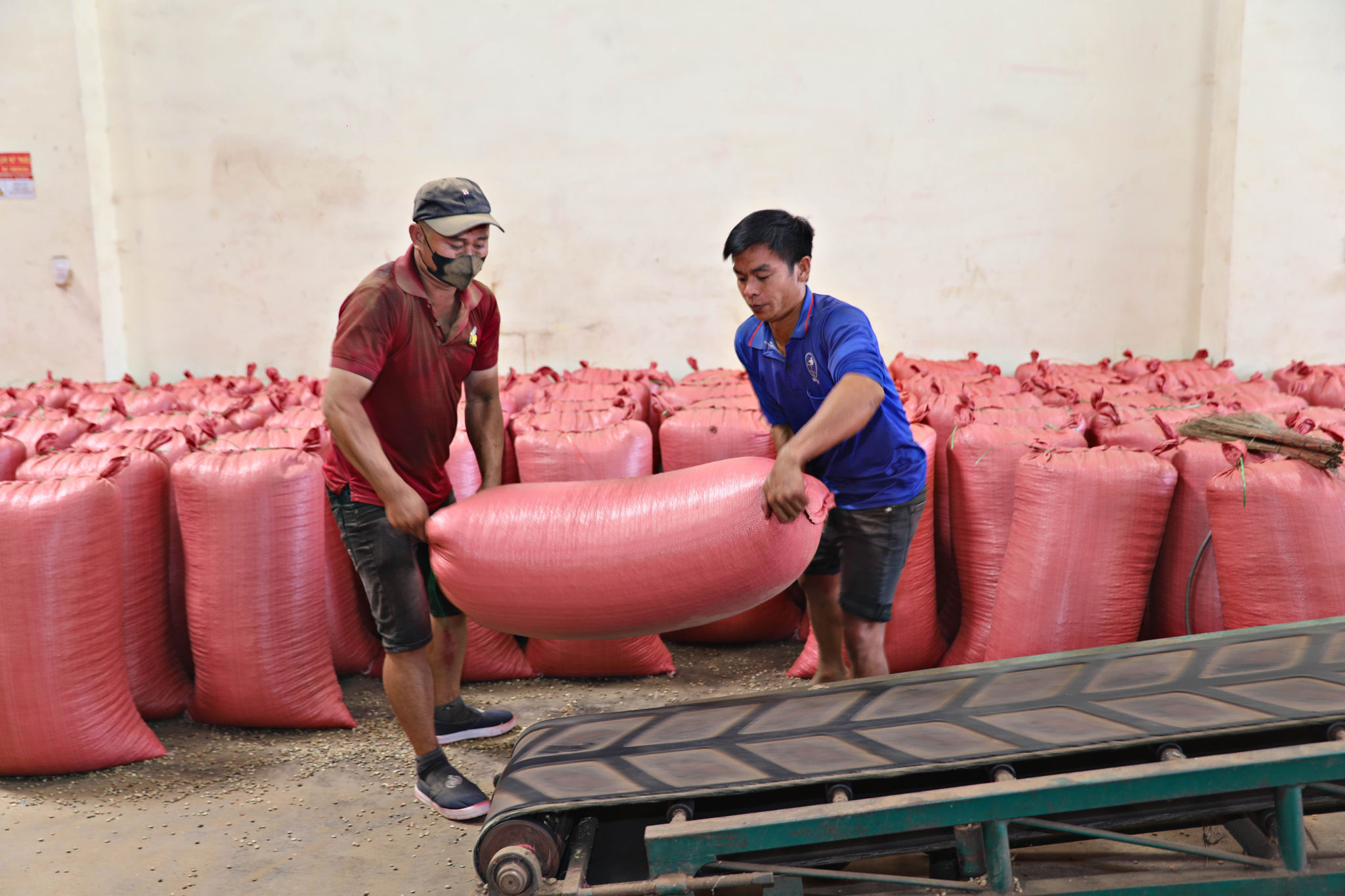
Under the plan, total coffee output for the final 2 months of the year is expected to reach 1,090,778 tonnes, including 218,155 tonnes in November and 872,623 tonnes in December. Alongside efforts to organize timely harvesting, purchasing and processing, the sector aims to achieve green coffee export turnover of US$72 million in November and US$88 million in December. These are important targets that reflect not only production scale but also the capacity to market agricultural products and generate value for the province.
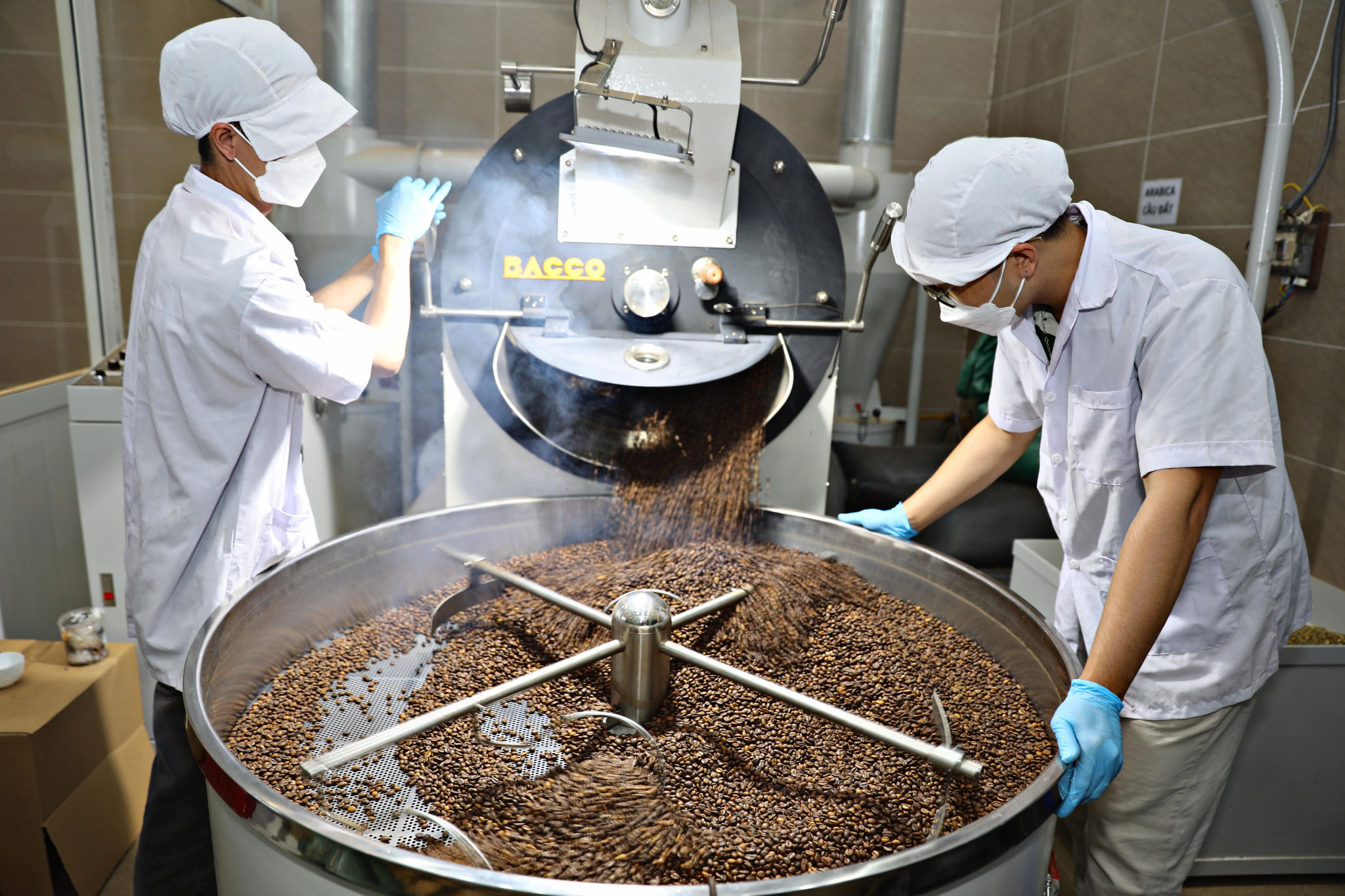
The immediate priority is to closely monitor harvested areas, productivity, actual output, coffee quality and market demand; and to connect purchasing activities with processing and exports to prevent agricultural products from accumulating and ensure they meet market requirements. Promoting processing and improving quality are also essential to better capitalize on the value of this key commodity, rather than focusing solely on harvest volumes.
Strengthening agriculture's role as an economic pillar
According to Nguyen Tran Nhat Huy, Deputy Director of the Department of Finance, October's results show that agriculture, forestry and fisheries have a more positive growth foundation than the other economic sectors. However, the task for the final two months is not simply to maintain growth momentum, but also to make better use of production potential, ensure timely harvesting and marketing of agricultural products, and minimize adverse impacts from weather and disease.
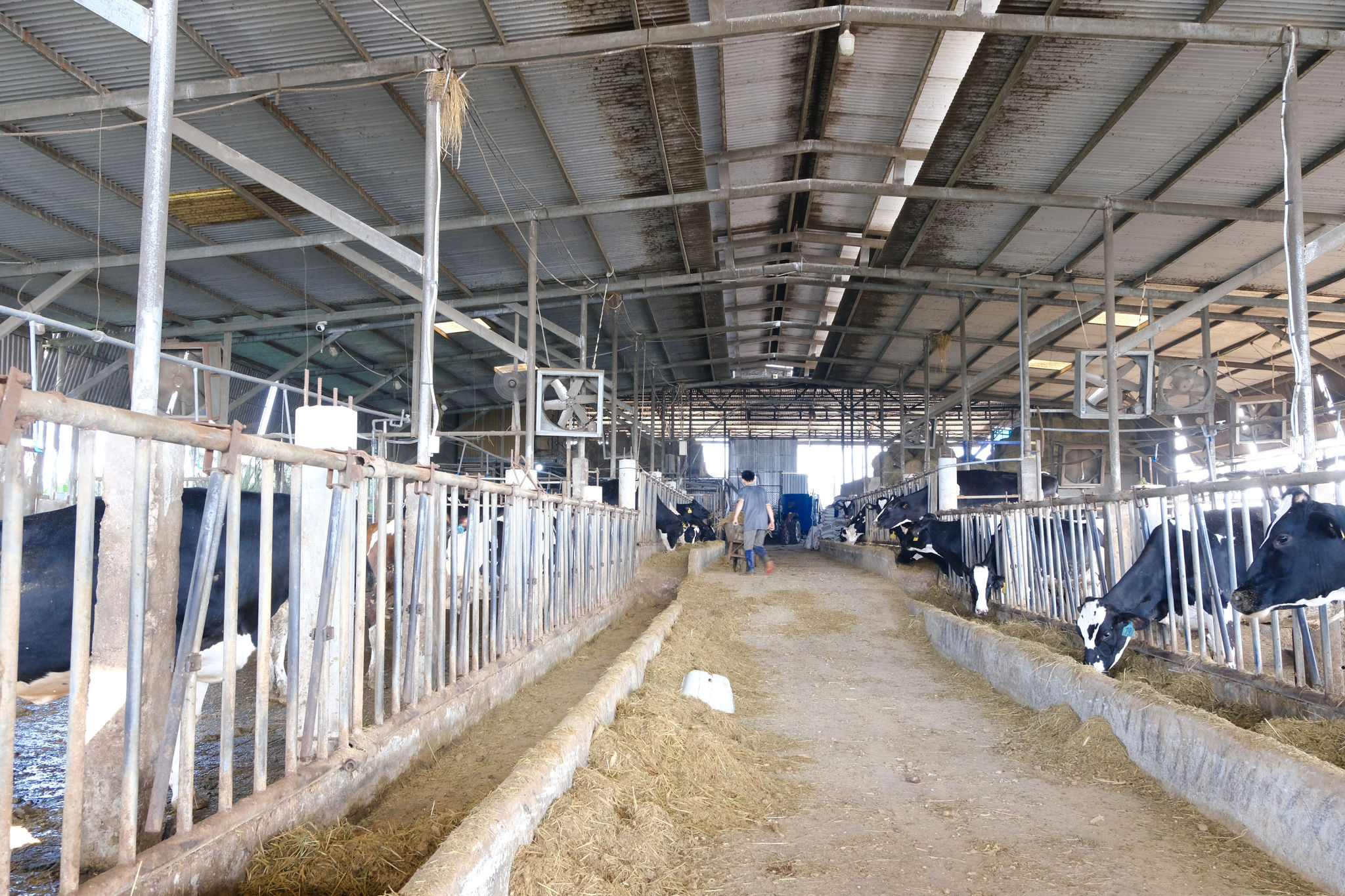
In particular, of the additional gross value added required to raise the province's growth scenario from 10% to 10.21%, Sector I has been assigned an increase of VND 246.874 billion, accounting for 43.64% of the total additional value required.
Agriculture and related services alone have been assigned the largest adjustment among all second-level economic sectors, at VND 230.245 billion. This highlights the role of agriculture not only in current production performance but also in its capacity to contribute to the province's overall growth target during this final push.
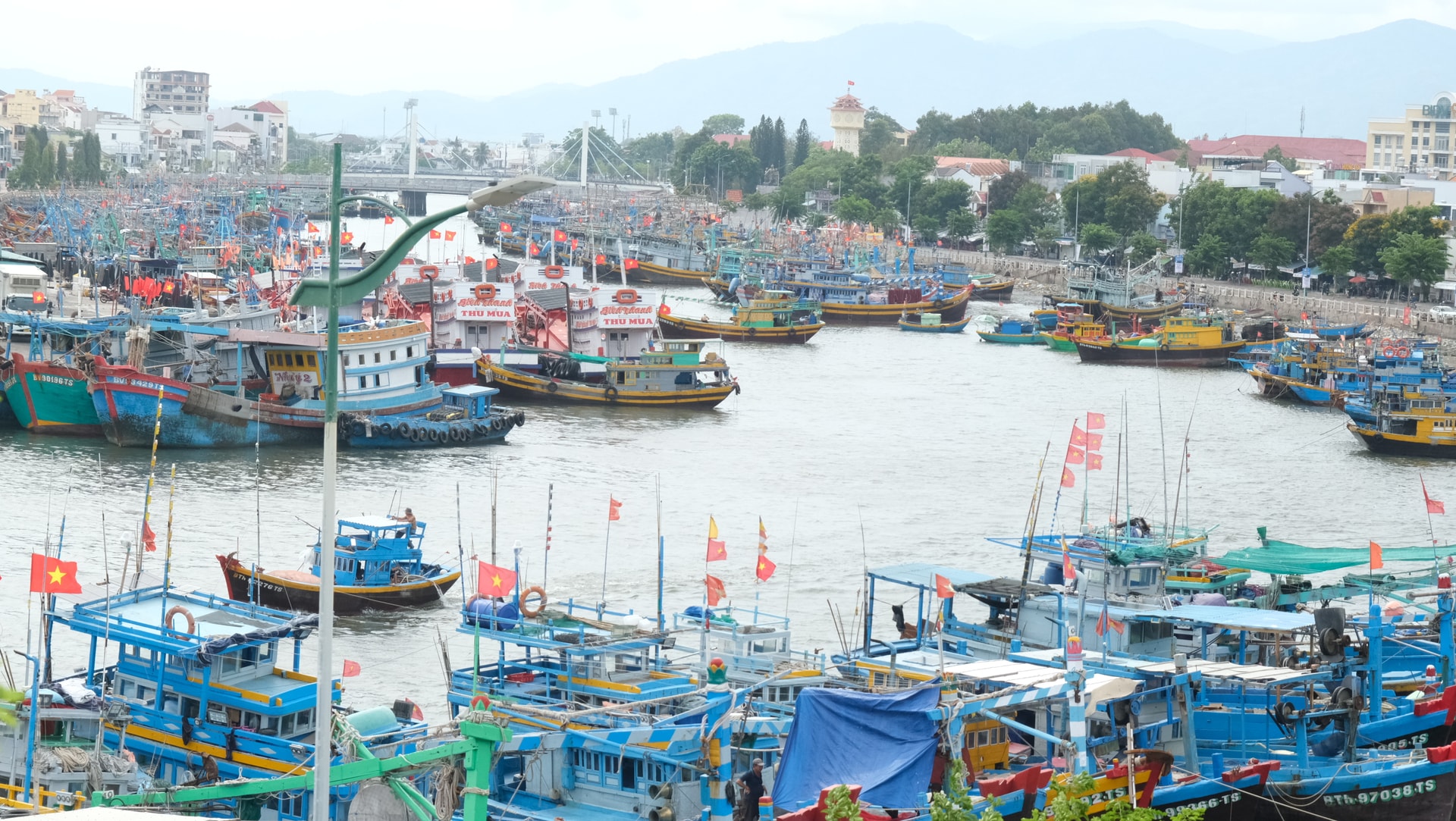
With its large production scale, numerous key commodities and additional potential from the year-end coffee harvest, agriculture is well positioned to continue serving as a pillar of economic growth. Nevertheless, the final outcome will depend heavily on production organization, market connections, disease control and coordinated efforts among specialized agencies, local authorities, businesses, cooperatives and producers.
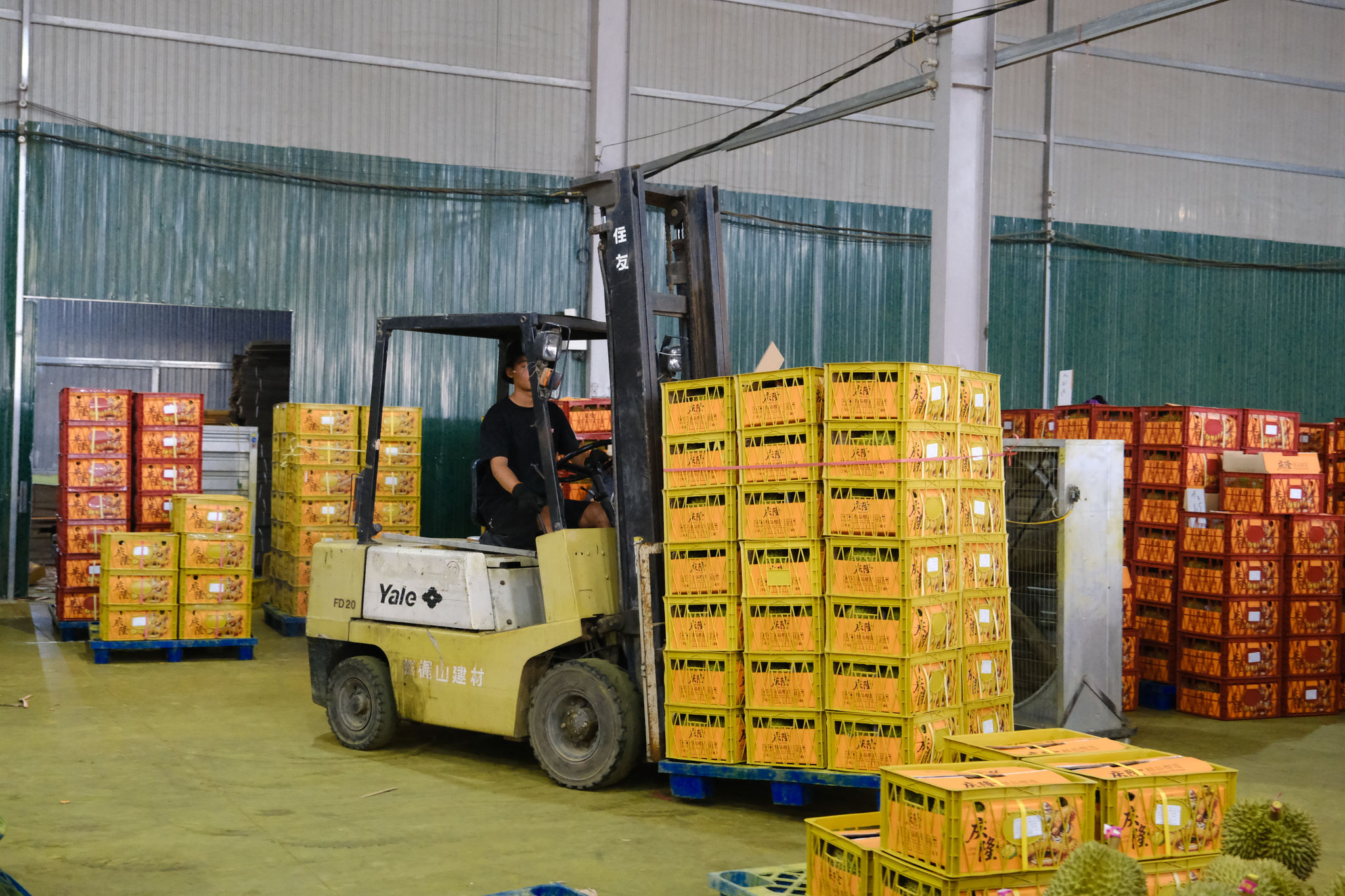
Building on October's achievements and focusing on the specific targets for November and December, Lam Dong's agricultural sector has an opportunity to make a greater contribution to the province's full-year 2026 economic growth target. The key is to turn advantages in production scale and agricultural output into tangible added value, thereby reinforcing agriculture's role as a pillar of the provincial economy.