

Preserving the Gong Tradition in Ma Villages
Amid changes in modern life, the gong tradition continues to be cherished and preserved by the Ma ethnic community in Bao Lam 4. From the dedication of older generations to the enthusiasm of young people participating in gong instruction sessions, efforts to pass down this traditional cultural heritage are helping keep it alive for generations to come
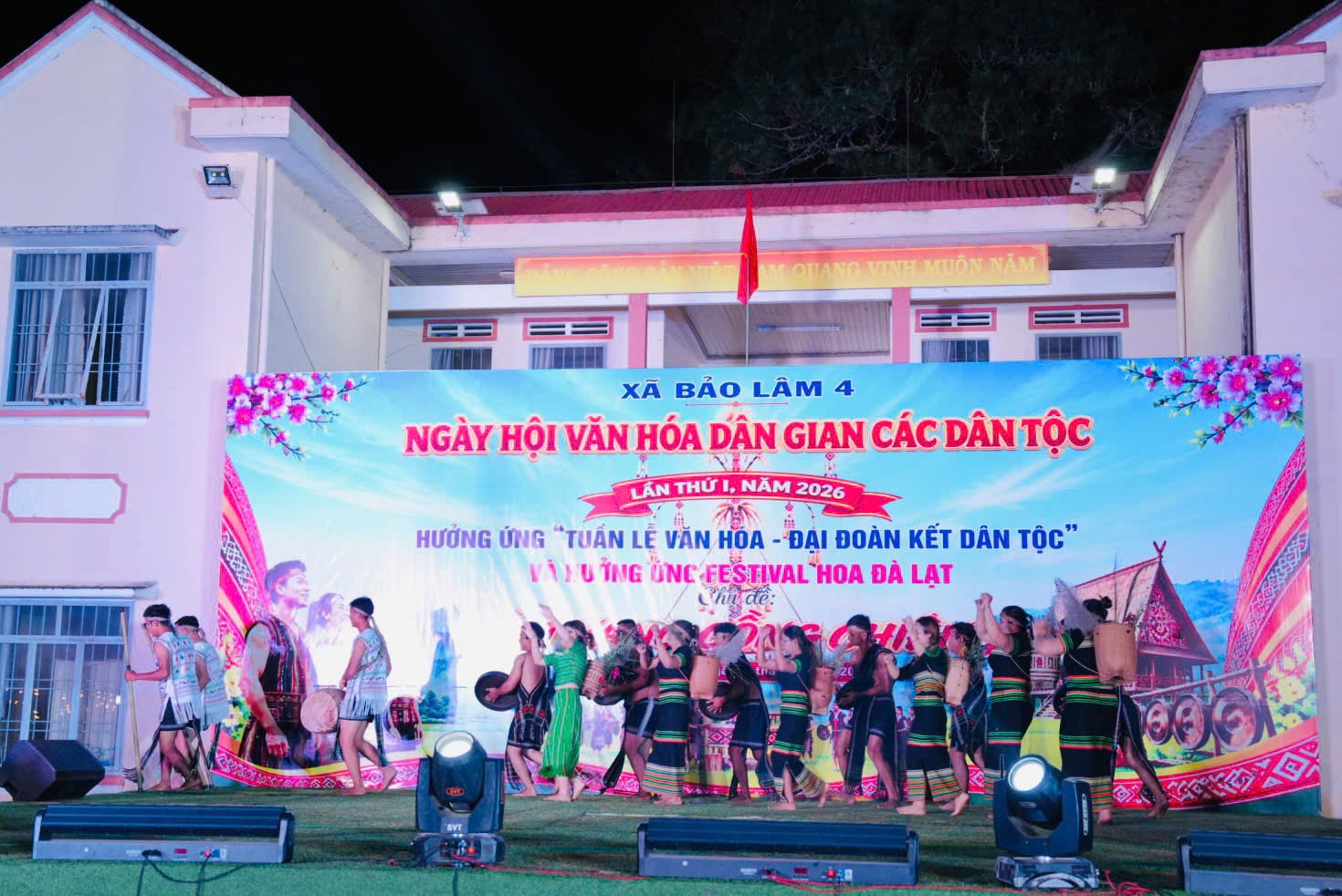
Preserving the Sounds of Gongs
In Bao Lam 4, gong music has long played an important role in the spiritual life of the Ma community and is a key part of festivals and community gatherings. Yet, as lifestyles change, fewer people are learning to play the gongs, worrying those who have dedicated much of their lives to this traditional art.
K’Manh, a 68-year-old village elder who now leads the local gong troupe, still recalls how he first learned to play. He said he started at 15, learning from friends and village elders.
With no formal instruction, he developed his skills by watching, listening and practising the rhythms on his own. Through his regular participation in community activities, his love of gong music deepened and has stayed with him for more than 50 years.
For the Ma people, gongs are more than instruments played at festivals; they are also closely tied to traditional customs, practices and the community’s spiritual life. K’Manh, whom local residents have entrusted with leading the gong troupe, sees keeping the group active as an important way to preserve his people’s cultural heritage.
His greatest concern is that younger generations have fewer chances to become familiar with gong music than before. As lifestyles change, young people are increasingly busy with work, studies and personal interests.
At the same time, learning to play the gongs takes time, perseverance and the ability to coordinate with other troupe members.
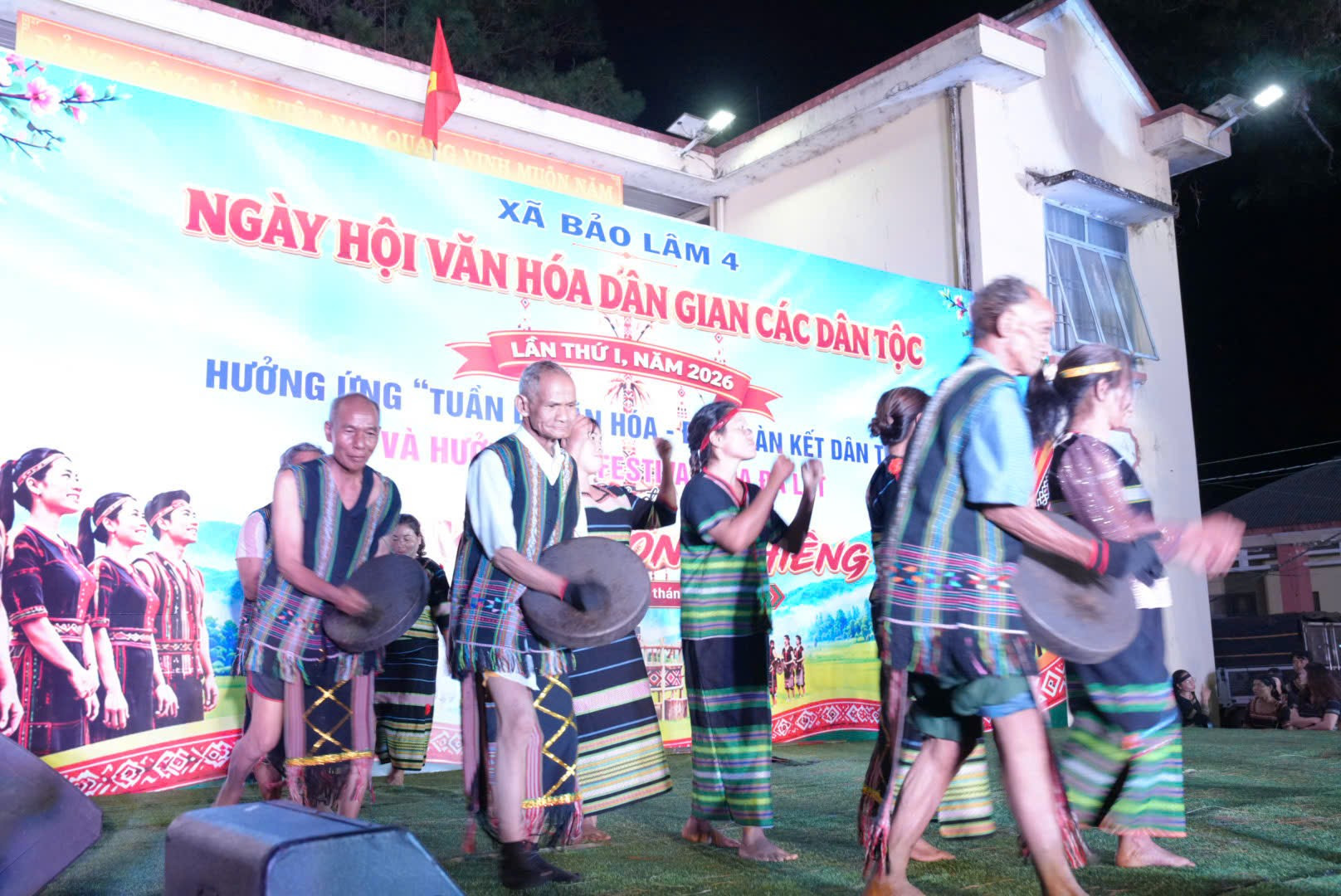
K’Manh hopes more young people will take up gong playing and learn from older generations so they can understand and carry forward their ethnic traditions.
He believes that without successors, the knowledge and playing techniques accumulated over generations could gradually disappear.
Young Generations Keep Gong Rhythms and Xoang Dances Alive
The concerns of older generations have also motivated efforts to maintain gong instruction activities. In Bao Lam 4, the gong class currently has 15 members, most of whom are young people. In addition to learning how to play the gongs, they are also taught xoang dancing, gradually becoming familiar with the traditional cultural practices of the Ma people.
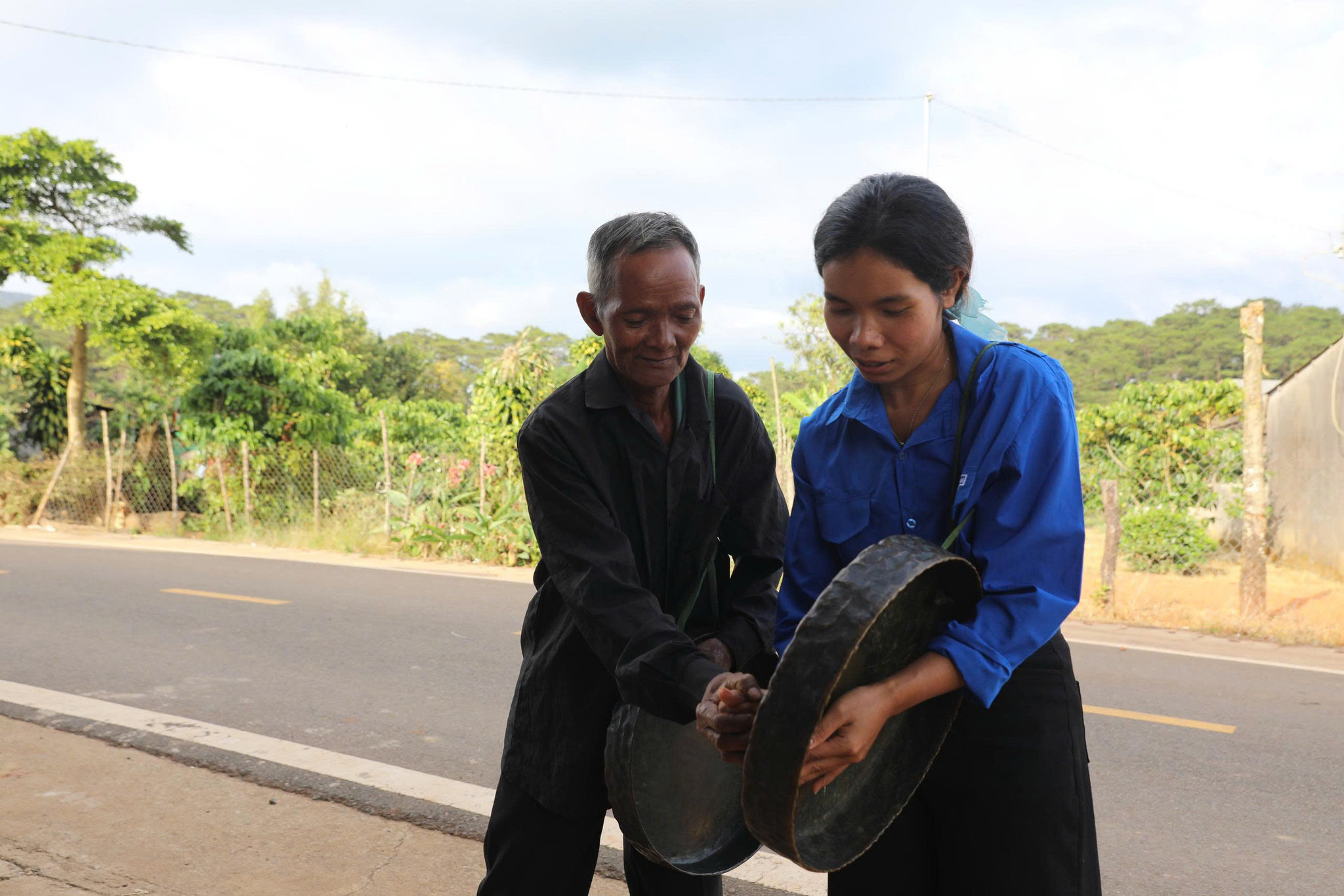
For the Ma people, gongs are more than instruments played at festivals; they are also closely tied to traditional customs, practices and the community’s spiritual life. K’Manh, whom local residents have entrusted with leading the gong troupe, sees keeping the group active as an important way to preserve his people’s cultural heritage.
His greatest concern is that younger generations have fewer chances to become familiar with gong music than before. As lifestyles change, young people are increasingly busy with work, studies and personal interests.
At the same time, learning to play the gongs takes time, perseverance and the ability to coordinate with other troupe members.
From village elder K’Manh's dedication to the participation of 15 young members, gong instruction activities in Bao Lam 4 are creating new opportunities for traditional culture to be passed down.
Although today's young people still need time to master each gong rhythm and dance movement, their interest and willingness to learn are encouraging signs.
As long as the gongs continue to sound and young people remain eager to learn, the cultural values of the Ma community will have a chance to be preserved and passed on to future generations.