

La Gi: From Economic Momentum to New Development Potential
With its total local product value growing by 12.22% in the third quarter of 2026, La Gi Ward is recording positive momentum in economic development. This performance not only reflects improvements in production, trade and services but also raises expectations for more effective use of local potential and the creation of drivers for long-term growth.
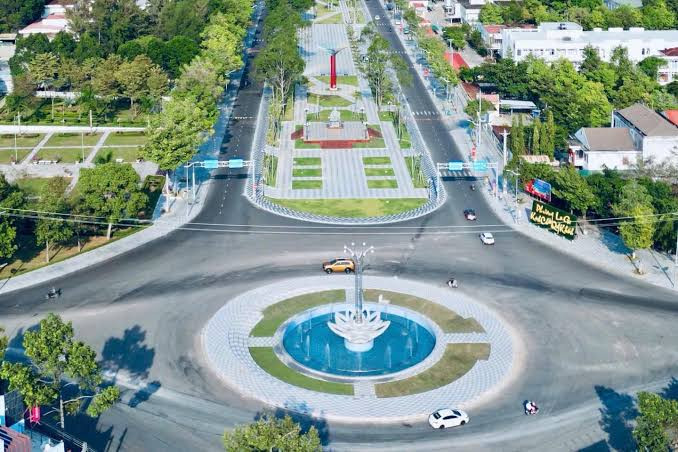
Seeking solutions for long-term growth
With its growth rate rising from 7.27% in the first half of the year to 12.22% in the third quarter of 2026, La Gi's economy is showing clear signs of accelerating growth. Positive developments have been recorded across multiple sectors, including industry, seafood processing, trade, services and tourism.
In the first nine months of 2026, local export turnover was estimated at US$74.38 million, nearly 55% above the annual target. Garment manufacturers secured additional orders, while seafood processing activities remained stable. The number of overnight visitors was estimated to have increased by 168.5% year on year. Meanwhile, approximately 400 new business households registered operations, with total registered capital of VND 70.2 billion, primarily in trade and services.
These figures demonstrate the vitality of the local economy, where traditional industries continue to be strengthened while new business opportunities gradually emerge. However, the key issue lies not only in achieving growth in a single quarter but also in sustaining that momentum, increasing product value and improving the efficiency of resource utilization.
In response to this requirement, La Gi Ward organized a thematic seminar in June 2026 entitled “Double-Digit Growth Strategy for 2026–2030 in La Gi Ward” to identify competitive advantages, address existing bottlenecks and explore appropriate development orientations.
At the seminar, delegates noted that La Gi possesses a range of competitive advantages, including convenient connectivity with Ho Chi Minh City and the southeastern region, abundant seafood resources, available land for development and competitive investment costs.
Notably, following the transition to a new administrative management model, La Gi Ward has assumed the role of the area's urban core, with the largest population concentration and serving as the new administrative and political center of the former La Gi area. This position not only creates favorable conditions for trade and service development but also opens up opportunities to establish new growth drivers, strengthen connectivity and generate development spillover effects in neighboring areas.
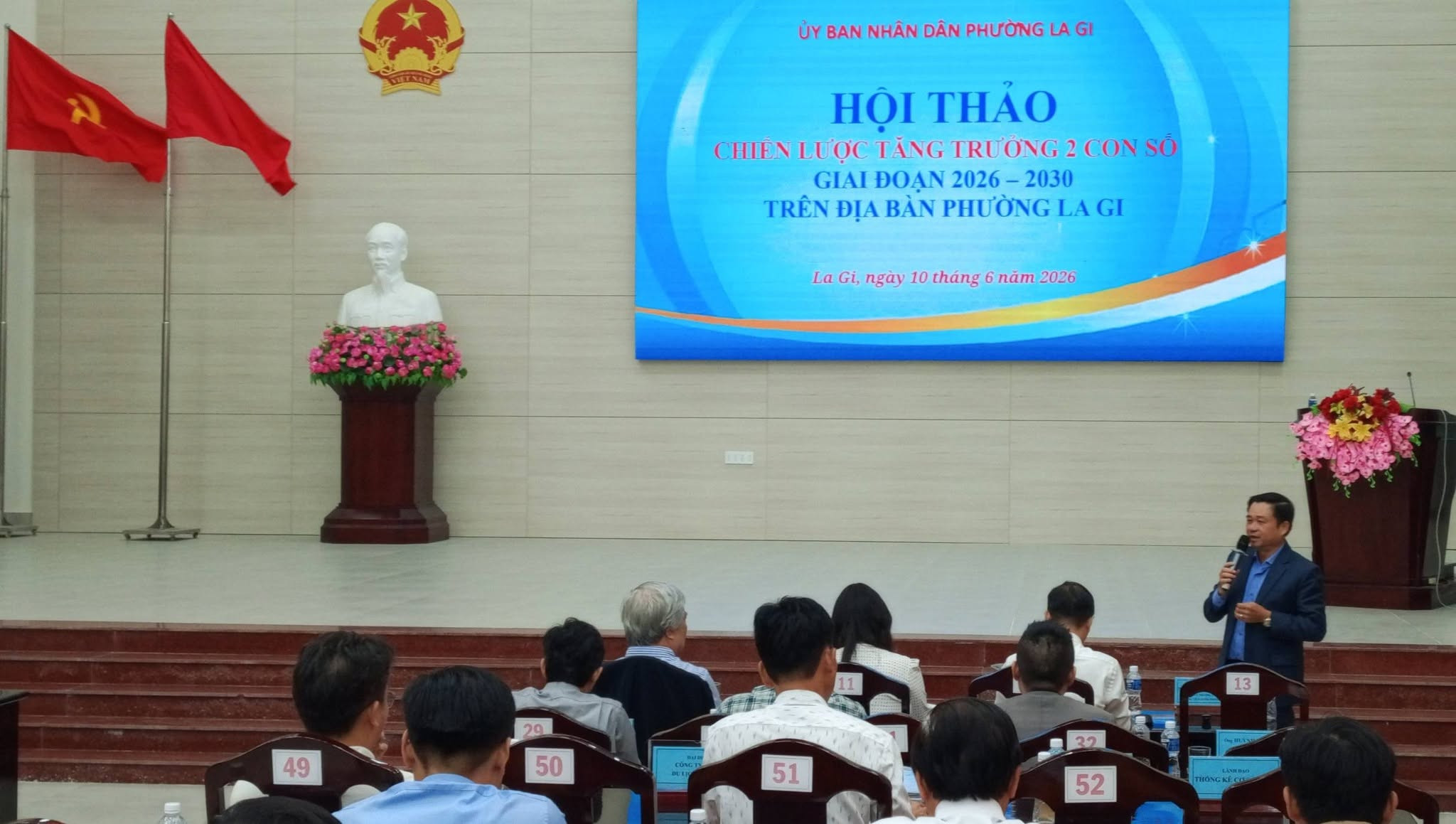
Nevertheless, limitations in tourism infrastructure, logistics, the night-time economy, high-quality human resources and the added value of the seafood sector remain significant challenges.
To address these issues, experts have proposed five strategic pillars: coastal tourism, a seafood processing hub (Seafood Hub), the night-time economy, logistics linked with light industry, and the development of a livable urban area. The central focus is to connect these sectors into value chains, generating additional economic value from existing advantages.
Unlocking resources and expanding development potential
With seafood catches estimated at 32,200 tonnes in the first nine months of the year, La Gi has a solid foundation for developing deep processing, cold-chain logistics and exports, rather than focusing solely on increasing output.
Similarly, with approximately 119,000 tourist arrivals, further growth potential lies in extending visitors' stays and increasing spending through tourism products, services and the night-time economy.
This approach represents a shift from exploiting natural advantages to building competitive advantages, and from expanding scale to enhancing economic value. However, for these opportunities to become genuine drivers of development, addressing bottlenecks in investment and infrastructure is of particular importance.
Currently, 11 off-budget investment projects in the ward are behind schedule, while the occupancy rate at Tan Binh 1 Industrial Cluster stands at just 22.37%. These figures represent both challenges and considerable untapped development potential if resources can be effectively mobilized and utilized.
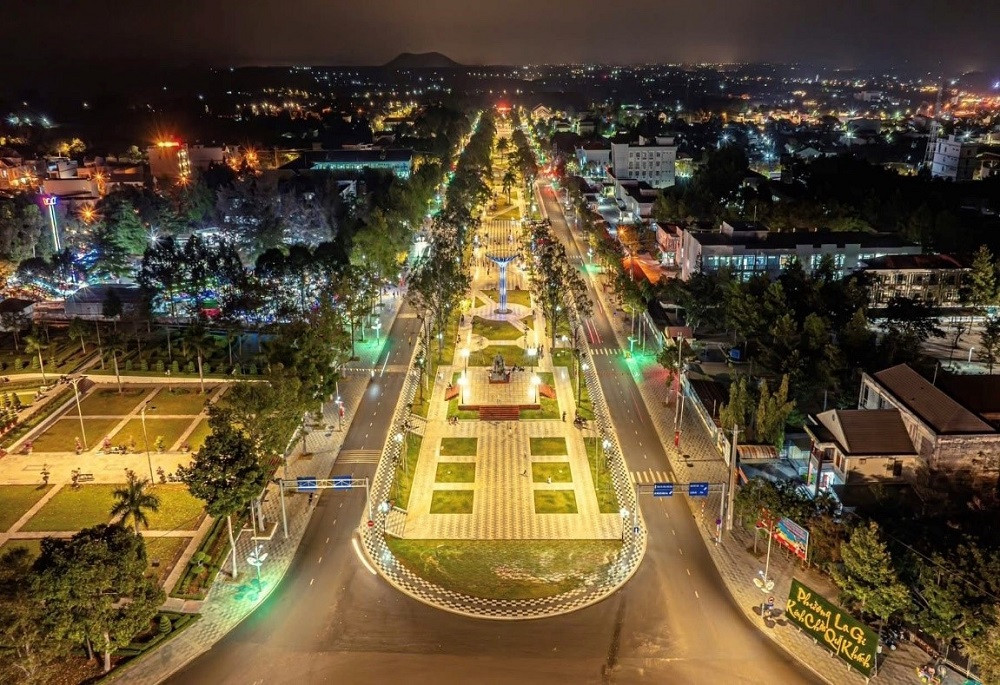
Dang Thi Hong Lam, Chairwoman of the La Gi Ward People's Committee, said the locality had focused on implementing economic development solutions and addressing difficulties facing production and business activities to achieve these results. Efforts have also been made to create favorable conditions for enterprises and business households to maximize their capabilities and expand operations. At the same time, the ward has prioritized leveraging its strengths in trade, services, tourism and other key economic sectors.
In the coming period, the locality will continue addressing obstacles facing investment projects, accelerating public investment disbursement, improving the investment and business environment, and mobilizing resources for development.
It will also translate growth orientations into key tasks and priority projects, accompanied by specific implementation roadmaps and clearly defined responsibilities, with the aim of improving economic quality and efficiency.