

Falling coffee prices: A focus on quality raw materials and deep processing
Falling coffee prices inevitably reduce farmers' incomes. However, investing in raw material quality and deeper processing could offer a promising path towards more sustainable production and reduced dependence on market fluctuations.
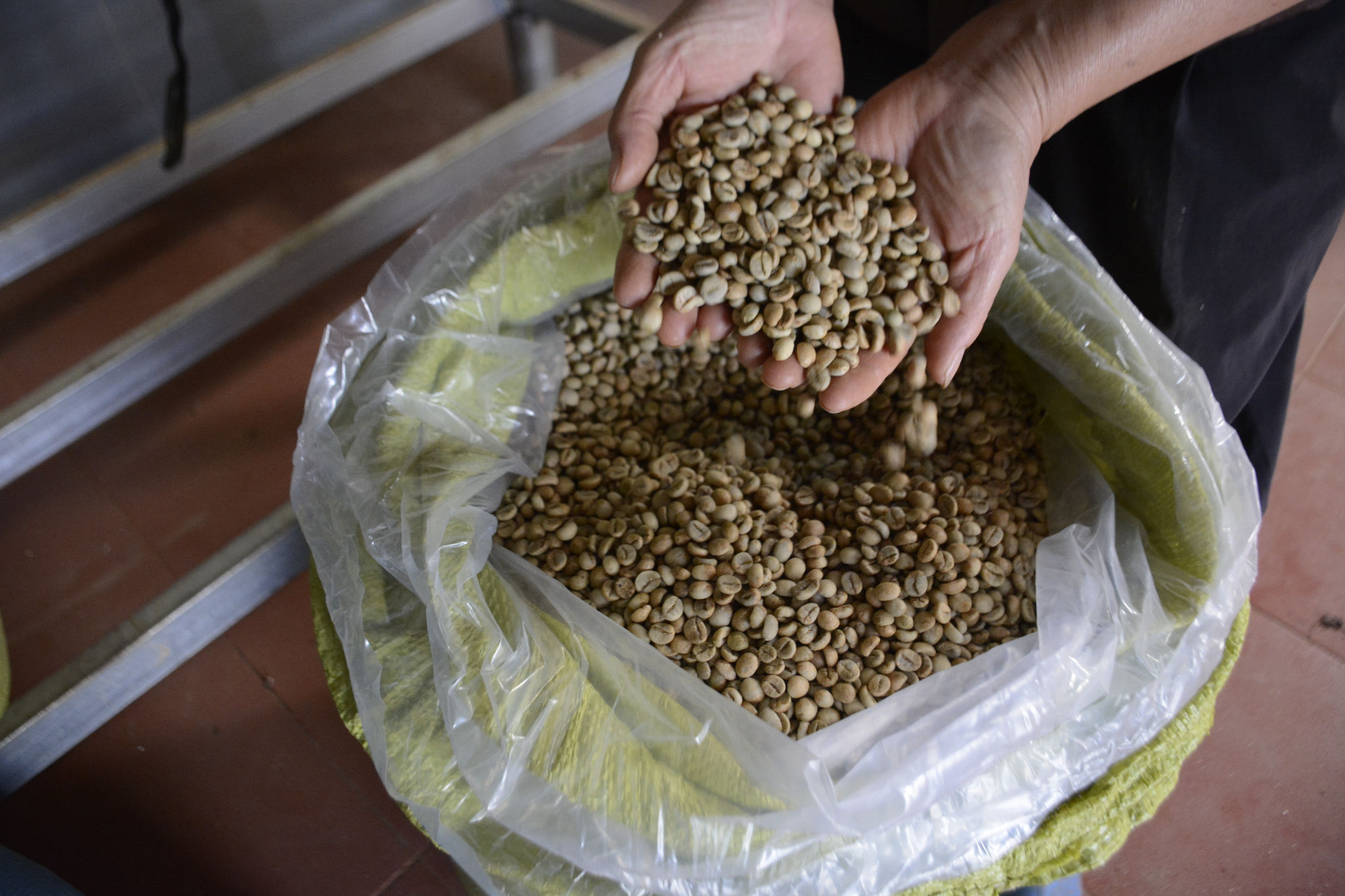
Farmers turn to processing and storage amid falling coffee prices
Domestic coffee prices have dropped steeply in recent days. On November 24, raw robusta coffee beans in the Central Highlands were priced at roughly VND 70,000 per kilogram, about VND 20,000 below their level at the start of the harvest season approximately one month earlier. Most farmers in Lam Dong have been disheartened by the decrease because it directly impacts their earnings.
Nevertheless, a considerable number of farmers do not necessarily regard the situation as a reason to worry. Tran Thi My of Thuan Nam Hamlet, Thuan An Commune, sees things differently. Her family has cultivated coffee for generations, and she has witnessed many market ups and downs over the years. In her view, the present price drop is part of a market cycle that repeats over time.
With coffee prices remaining high for the past two years, a downward correction was understandable, especially as Vietnam entered its peak harvest season. Instead of rushing to sell, she chose to dry and store her coffee properly while waiting for a more favorable time to take it to market.
Sharing this view, Ho Trong Tin, who owns a coffee production and processing facility in Dak Mam Hamlet, Krong No Commune, said farmers could obtain prices above the market average by adopting sustainable farming practices and standards such as VietGAP, 4C, and UTZ.
Many processing and export companies are also willing to sign purchasing agreements with farmer groups that follow certified production processes, given their product quality and compliance with traceability requirements.
Highlighting the importance of investing in raw materials and processing, Truong Cong Toan, who owns a coffee processing facility in Nhan Co Commune, said his business had built connections with coffee-growing areas spanning up to 2,000 hectares and meeting international certification standards.
In recent years, coffee from these areas has regularly been bought at prices above the market prices. The company is continuing this policy this year as it purchases and processes coffee for export markets.
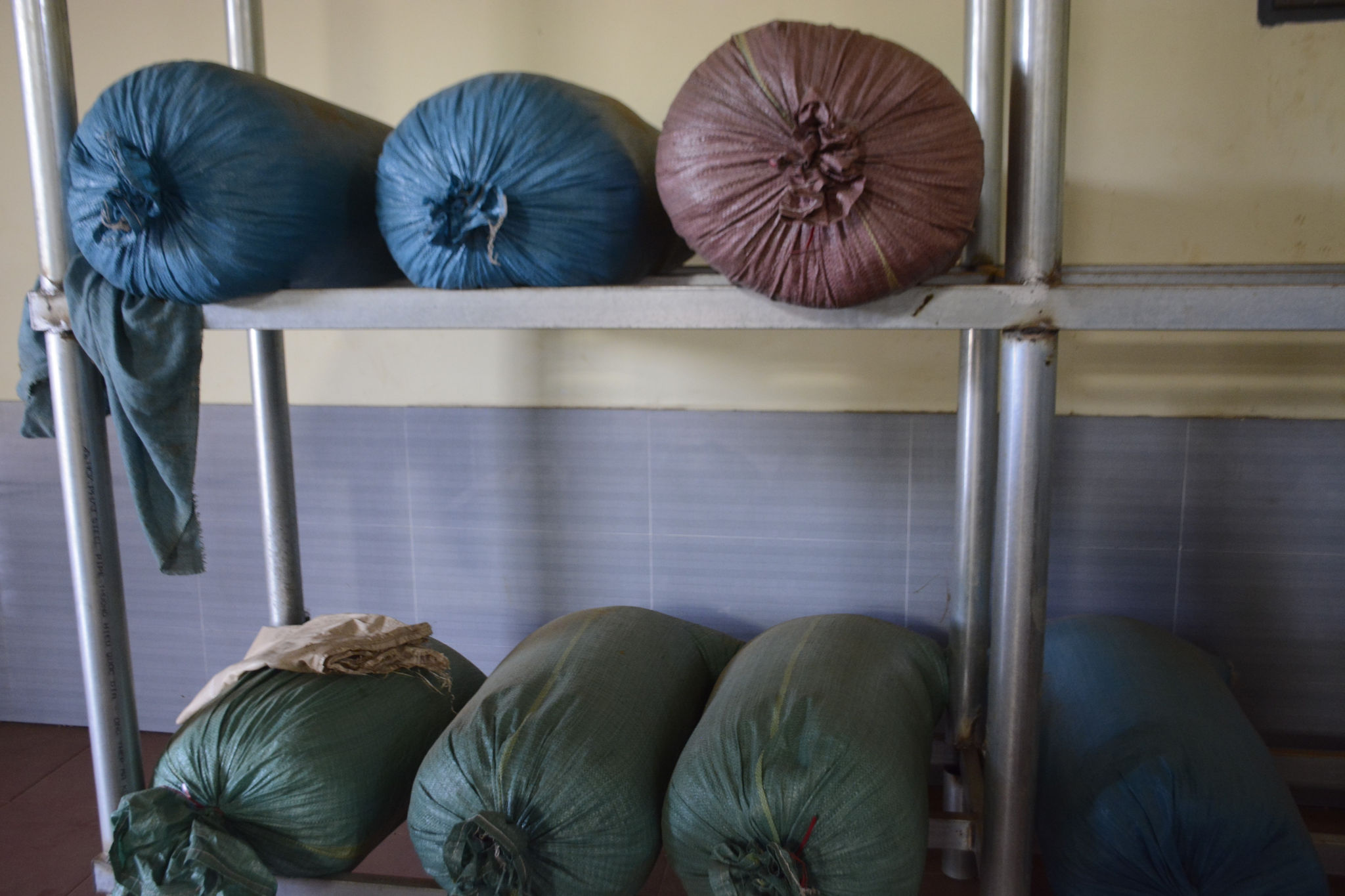
Preliminary figures indicate that western Lam Dong has about 34 coffee pre-processing and processing businesses. Ground coffee is their highest-value processed product, with annual production and sales estimated to exceed 400 tonnes.
While processing still accounts for a relatively small share of the area's total coffee output, observations indicate that facilities are investing increasingly in technology, machinery and production infrastructure to expand capacity. This points to positive prospects for the coffee industry in both domestic and export markets.
Processing investment opens up new growth prospects for coffee
On November 16 and 17, 2026, the Vietnam Trade Promotion Agency, part of the Ministry of Industry and Trade, partnered with the Vietnam Coffee-Cocoa Association (VICOFA) to host the Vietnam International Coffee Outlook 2026 (VICO 2026).
At the conference, Do Ha Nam, Vice Chairman of VICOFA, said that major robusta-producing countries are expected to increase production in the 2026–2027 crop year, potentially expanding supply and putting downward pressure on selling prices.
Major coffee roasters continue to favor short-term purchasing strategies, buying only enough to meet immediate demand. Most raw coffee processing plants are expected to operate at full capacity through the end of 2026 and the first quarter of 2027.
Domestic consumption of roasted coffee is forecast to remain stable at approximately 130,000–150,000 tonnes per year. Total domestic consumption of Vietnamese green coffee beans could reach 350,000–400,000 tonnes annually.
Meanwhile, several instant coffee processing plant projects have already started or are expected to begin construction and operations over the next two to three years.
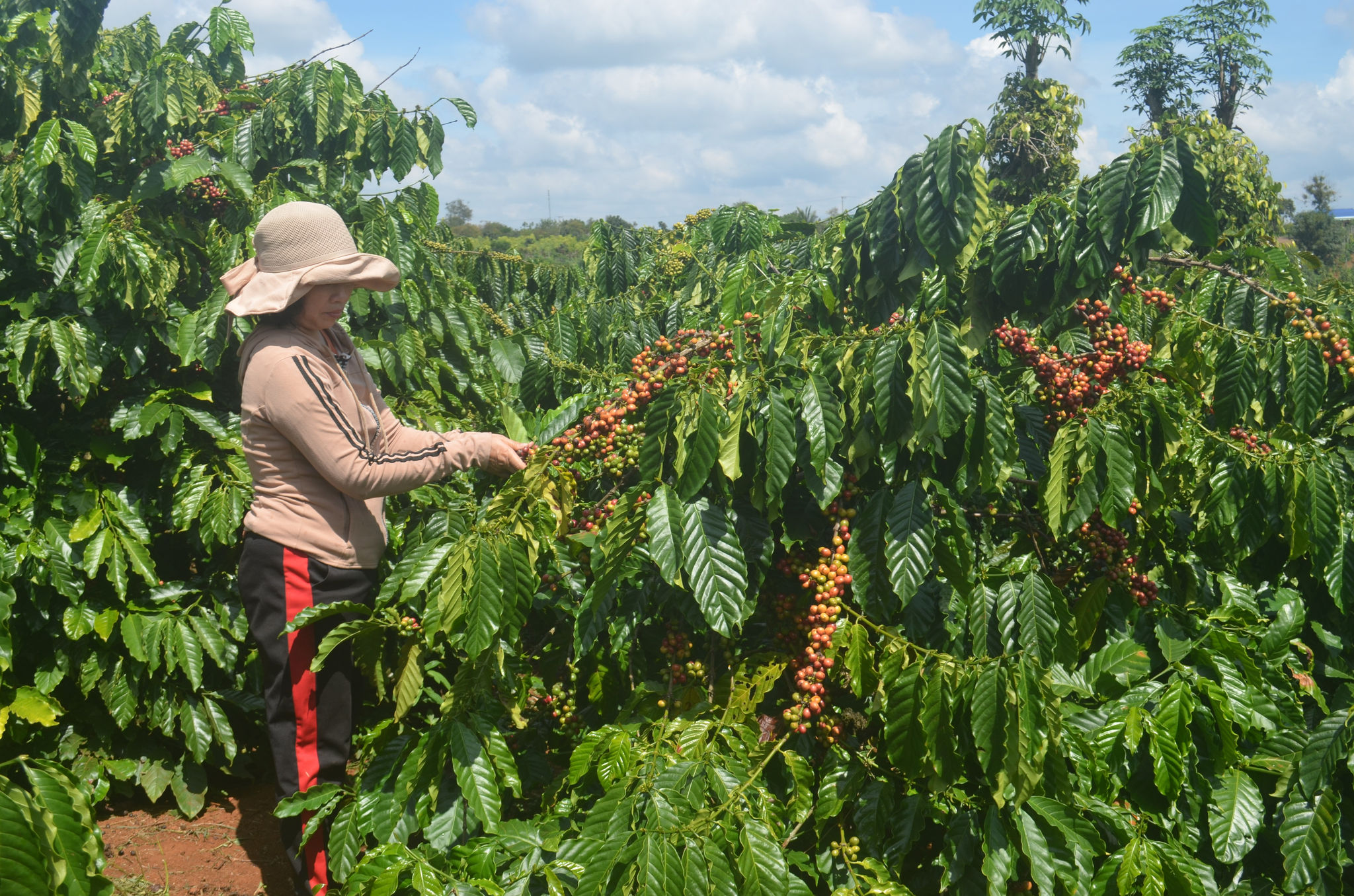
These developments indicate growing attention to domestic consumption, processing investment and deeper coffee processing.
Such efforts could help the industry become less vulnerable to market fluctuations, while enhancing long-term value and increasing export earnings.