

Lam Dong elevates dragon fruit value through deep processing
Having shifted away from a primary reliance on fresh fruit exports, numerous enterprises and cooperatives have stepped up deep processing to create diverse products from dragon fruit and its blossoms. This transition has enhanced agricultural value, expanded market reach and boosted incomes for local residents.
Turning by-products into commercial goods
Dragon fruit has long been a key crop in the former Binh Thuan region and its surrounding areas. However, the market for dragon fruit was once heavily reliant on fresh fruit exports. During periods of market volatility or peak harvest seasons, fruits that failed to meet export specifications often had to be sold at low prices—or even went unsold—causing financial losses for farmers.
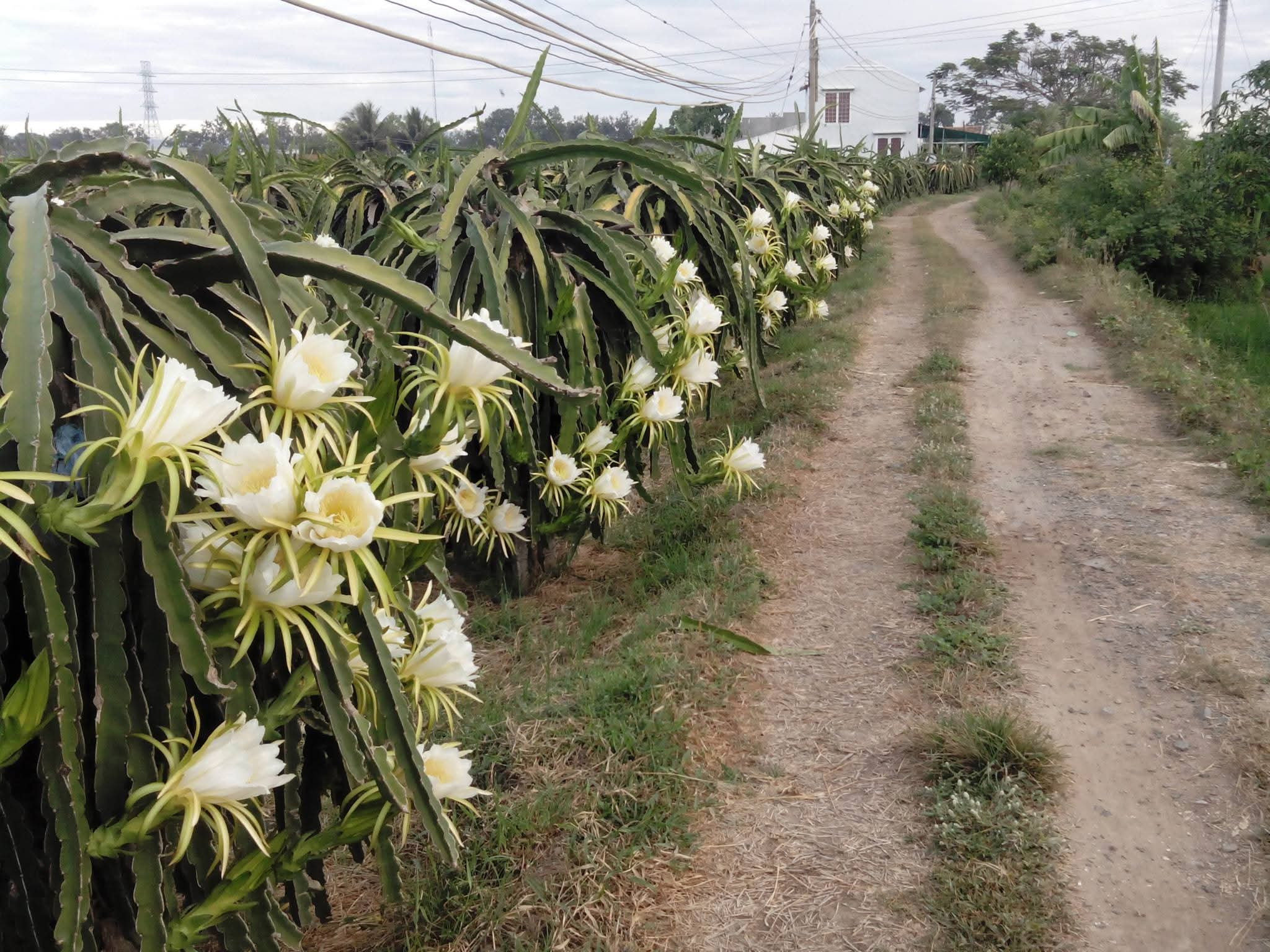
Beyond fruit that fails to meet export standards, a large volume of dragon fruit buds also remained underutilised. During the main harvest season or the off-season lighting period, the plants produce abundant flower buds, but growers must prune them back—retaining only a suitable number of fruits per pillar so the plants can concentrate nutrients and ensure product quality. Previously, most of these pruned buds generated no economic value.
Against this backdrop, deep processing has gradually emerged as a key solution to capitalise on available raw materials, ease pressure on fresh fruit sales and create additional livelihood opportunities for local residents.
In 2016, after spotting dried dragon fruit flower products sold in overseas supermarkets, a Ho Chi Minh City-based entrepreneur established Hoa Ba Vuong Co., Ltd. in the specialised dragon fruit farming area of the former Tan Thuan Commune, Ham Thuan Nam District—now Tan Thanh Commune. The company invested in a drying line, purchasing flower buds around 20 days old before slicing and dehydrating them. Through this processing, the product retains its natural colour, flavour and most of its nutritional content.
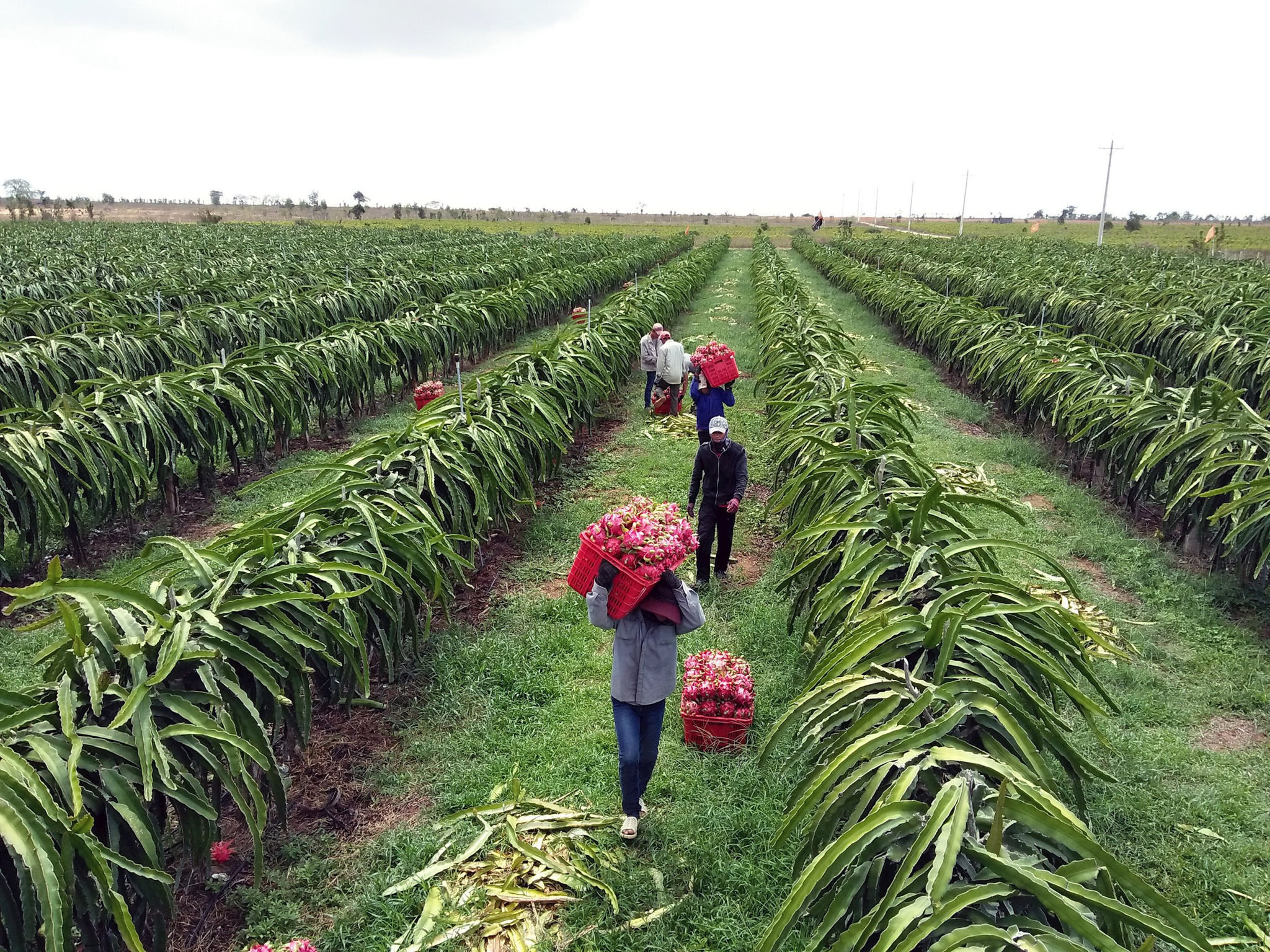
The products were initially exported through intermediaries to China before gradually making their way onto the shelves of numerous overseas supermarkets. From a single initial production facility, the sector has expanded to include five enterprises and cooperatives involved in processing dried dragon fruit buds. At times, raw material supplies have even fallen short of production demand.
The emergence of this bud-processing chain has shifted perceptions toward a raw material that was once discarded. Pruned flower buds have now become marketable goods, generating an additional revenue stream for growers. Alongside this, processing fruits that do not meet export specifications into suitable products helps reduce post-harvest losses and curb panic selling when the fresh fruit market faces headwinds.
Statistics show that the total dragon fruit cultivation area in coastal Lam Dong currently stands at approximately 26,000 hectares, accounting for nearly 40% of the country's total dragon fruit cultivation area, with output reaching nearly 500,000 tonnes as of November 2026.
This approach is being further expanded by numerous enterprises and cooperatives through investments in machinery, the application of science and technology, and product diversification. Rather than being sold solely as fresh fruit, dragon fruit is being processed into a wide range of value-added goods tailored to increasingly diverse consumer demands.
Diversifying products, expanding markets
A cooperative in Ham Thuan has taken the lead in deep processing. Using locally sourced dragon fruit, the cooperative has developed 17 products; among them, 12 have achieved 3-star OCOP status, and three have been recognised as outstanding provincial rural industrial products. Notably, dragon fruit flower tea and dried dragon fruit flowers were recognised as outstanding regional rural industrial products in 2024.
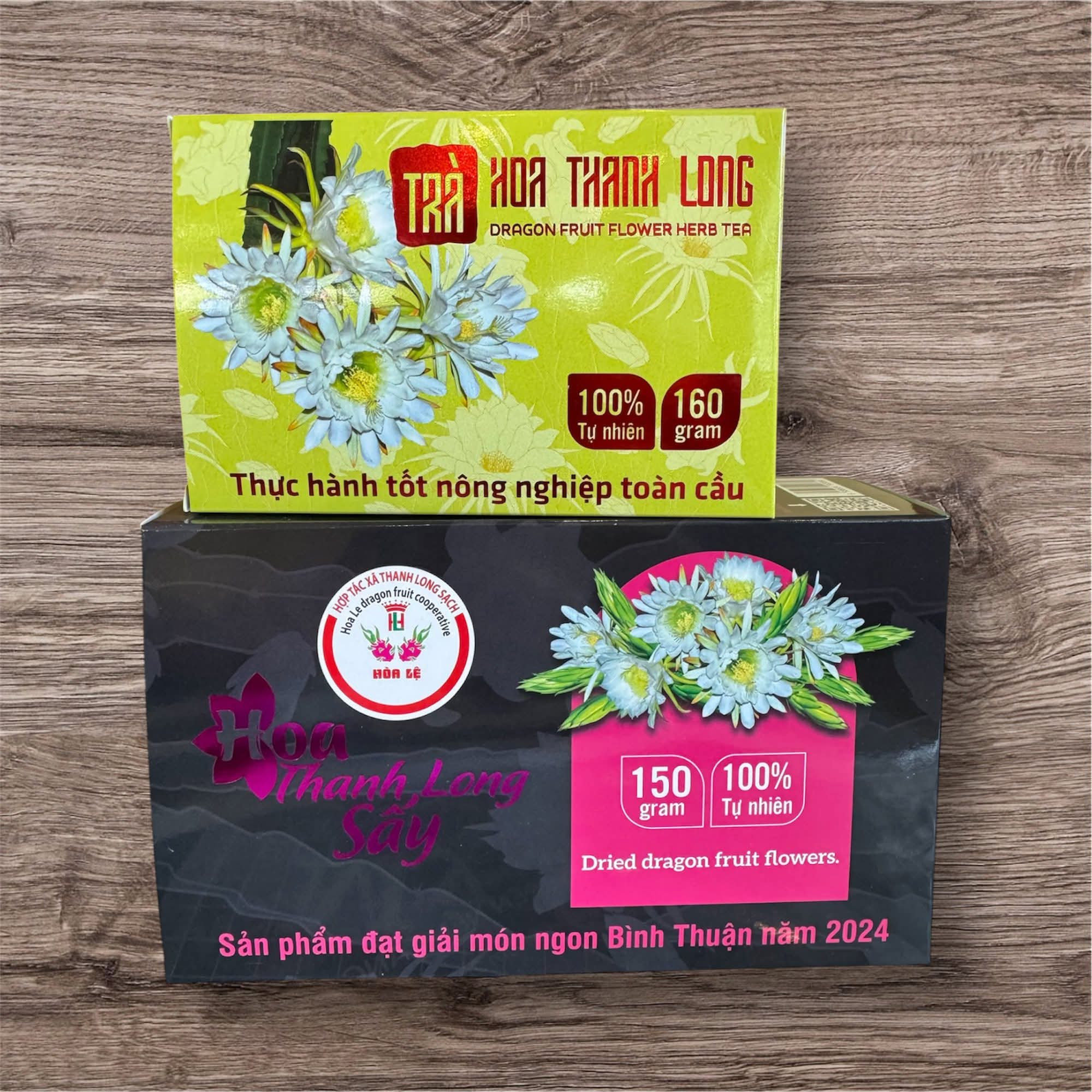
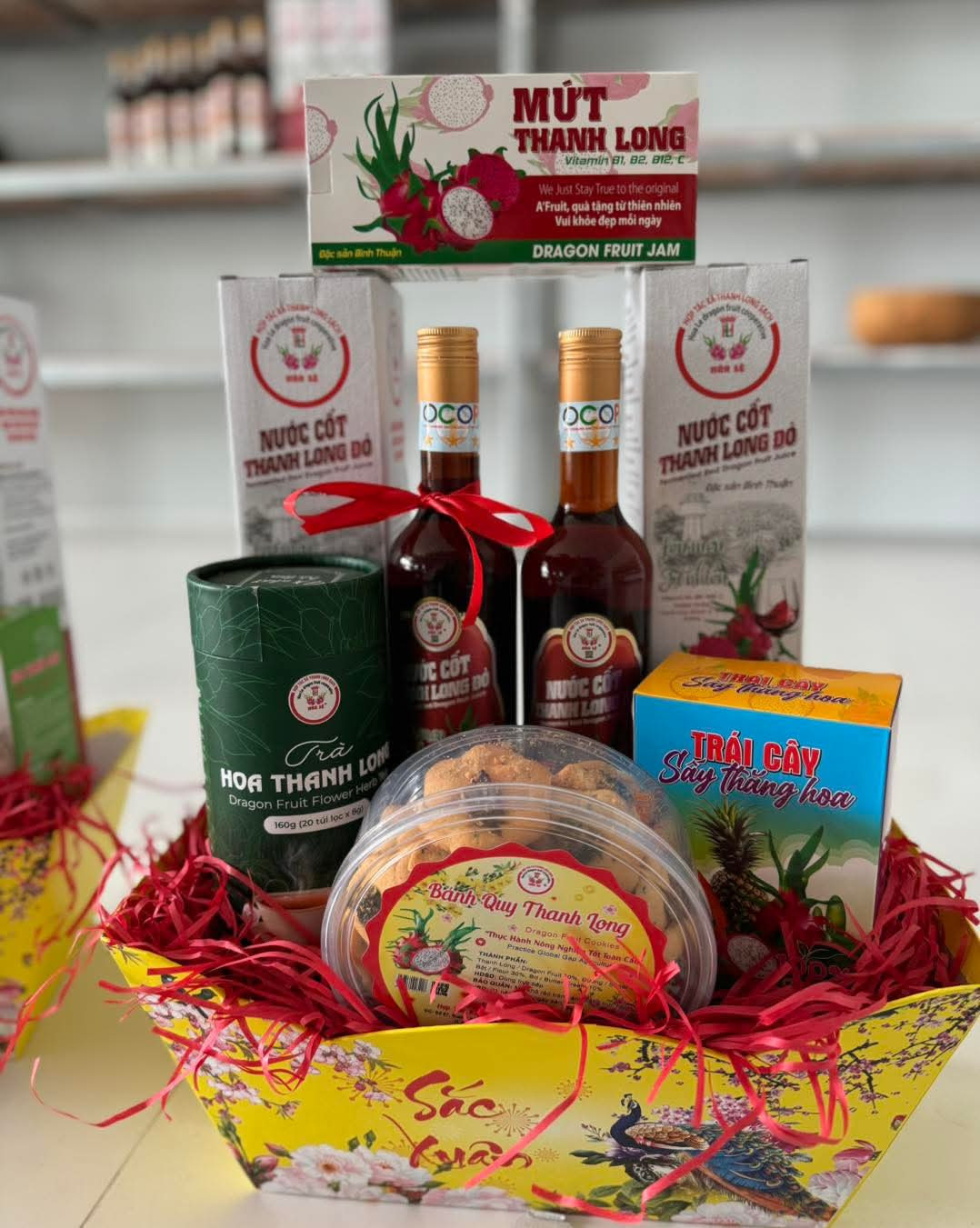
The cooperative's product portfolio is quite diverse, comprising soft-dried dragon fruit, dried dragon fruit flowers, dragon fruit flower tea, wine, concentrated juice, cookies, jam and essential oils. The cooperative also continues to develop fermented dragon fruit products such as wine as well as red-fleshed dragon fruit concentrate, creating further differentiation and adding value to the raw material.
The effectiveness of applying science and technology alongside product diversification has enabled the cooperative to expand its partnership network. From nine members at its inception, the cooperative now has 19 official members and 30 associate members, and maintains supply chain linkages with four other cooperatives. Across a cultivation area of 200 hectares, its dragon fruit output reaches approximately 5,000 tonnes per year.
Of this total output, 90% of the dragon fruit is exported to markets with stringent standards, such as the US, the EU, Japan, South Korea and Central Asia; the remaining 10% is destined for the domestic market and deep processing. Organising production in close alignment with market demand and processing has allowed the cooperative to be more proactive amid market fluctuations while more effectively unlocking the value of each product line.
To date, across coastal Lam Dong, 45% of the dragon fruit cultivation area meets VietGAP standards, 12% meets GlobalGAP standards, and 300 hectares are certified organic.
Going beyond production, the cooperative also leverages its clean dragon fruit orchards to develop experiential tourism. Visitors can tour the orchards, learn about cultivation processes and sample dishes made from dragon fruit. This activity helps promote the products and bring the dragon fruit brand closer to both domestic and international consumers.
Through this integrated chain of production, processing and experiential tourism, the cooperative has created jobs for more than 100 local workers—70% of whom are women—with stable monthly incomes ranging from VND 7 million to VND 10 million. These results demonstrate that deep processing not only enhances agricultural value but also generates employment, boosts incomes and drives the rural economy.
In 2026, the consumption and export of dragon fruit in Lam Dong Province have taken place amid ongoing global economic volatility. Geopolitical conflicts—particularly tensions in the Middle East—alongside fluctuating fuel prices and logistics costs have impacted global trade. Even so, thanks to the proactive efforts of businesses and producers, dragon fruit products have sustained growth and gradually expanded their consumer markets, with an increasingly diversified export market structure.
Previously, roughly 85% of dragon fruit exports went to China; today, that share has dropped to around 55%. The remaining exports are now distributed across markets including the EU, the United States, Japan, South Korea, Australia, India, the Middle East and many other markets.
Currently, Lam Dong dragon fruit is exported to more than 20 countries and territories, meeting strict food safety, traceability, phytosanitary regulations and quality standards. Alongside market expansion, the "Binh Thuan Dragon Fruit" geographical indication continues to be protected in 13 countries, helping safeguard the brand, enhance added value and strengthen product competitiveness.
Judging from the achievements of local enterprises and cooperatives, deep processing is opening up new room for growth for the dragon fruit sector. Strengthening linkages with capable agricultural processing enterprises within the province will pave the way for a more synchronised chain of production, processing and consumption. When blossoms, fruits that fail to meet export standards and fresh produce are all utilised appropriately, the dragon fruit industry will gradually reduce its reliance on a single market and a single sales channel, moving towards stable and sustainable development.