

Transport infrastructure drives rural economic growth in southwestern Lam Dong
From specialized rice and industrial crop zones to residential areas and production facilities, transport infrastructure is playing an increasingly vital role in rural economic development.
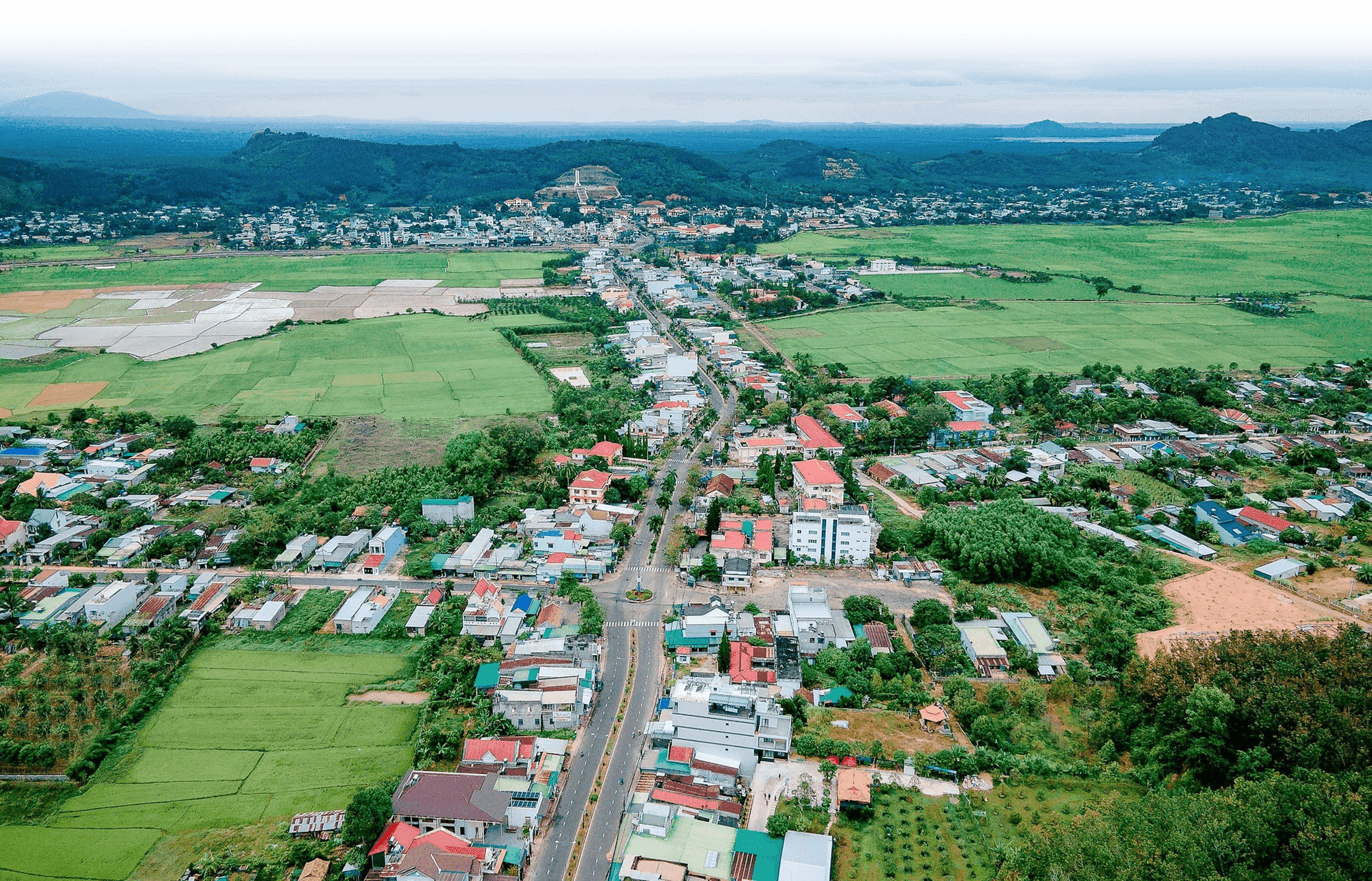
In Tanh Linh and Dong Kho, prioritizing investment in and upgrades to road networks not only meets travel needs but also connects production zones, facilitates freight circulation, and unlocks each locality's full potential.
Connecting production zones
Tanh Linh and Dong Kho are two neighboring communes located in southwestern Lam Dong province. Following administrative boundary reorganization, each locality has gained broader development space alongside distinct advantages in agricultural production, natural resources, and trade and service activities.
Tanh Linh commune was established through the merger of Gia An, Lac Tanh township, and Duc Thuan, spanning a natural area of over 271 square kilometers with a population of nearly 47,000. Each area brings unique characteristics and strengths, creating diversity in the new commune's economic structure.
Specifically, Gia An holds favorable land conditions, agricultural production capacity, and advantages from Bien Lac Lake; the Lac Tanh area serves as a commercial and service hub; and Duc Thuan boasts strengths in landscapes, forests, and natural attractions such as Ba Waterfall. Meanwhile, Dong Kho commune was formed from the communes of Huy Khiem, Dong Kho, La Ngau, and Duc Binh, covering over 268 square kilometers with a population of nearly 31,000.
With vast territory and dispersed residential areas while agricultural production remains the backbone, the demand for transport links connecting production zones, residential clusters, and major arterial roads has grown increasingly clear. Smooth road networks empower residents to transport supplies, harvest, and distribute agricultural goods more proactively, thereby fostering rural trade and services.
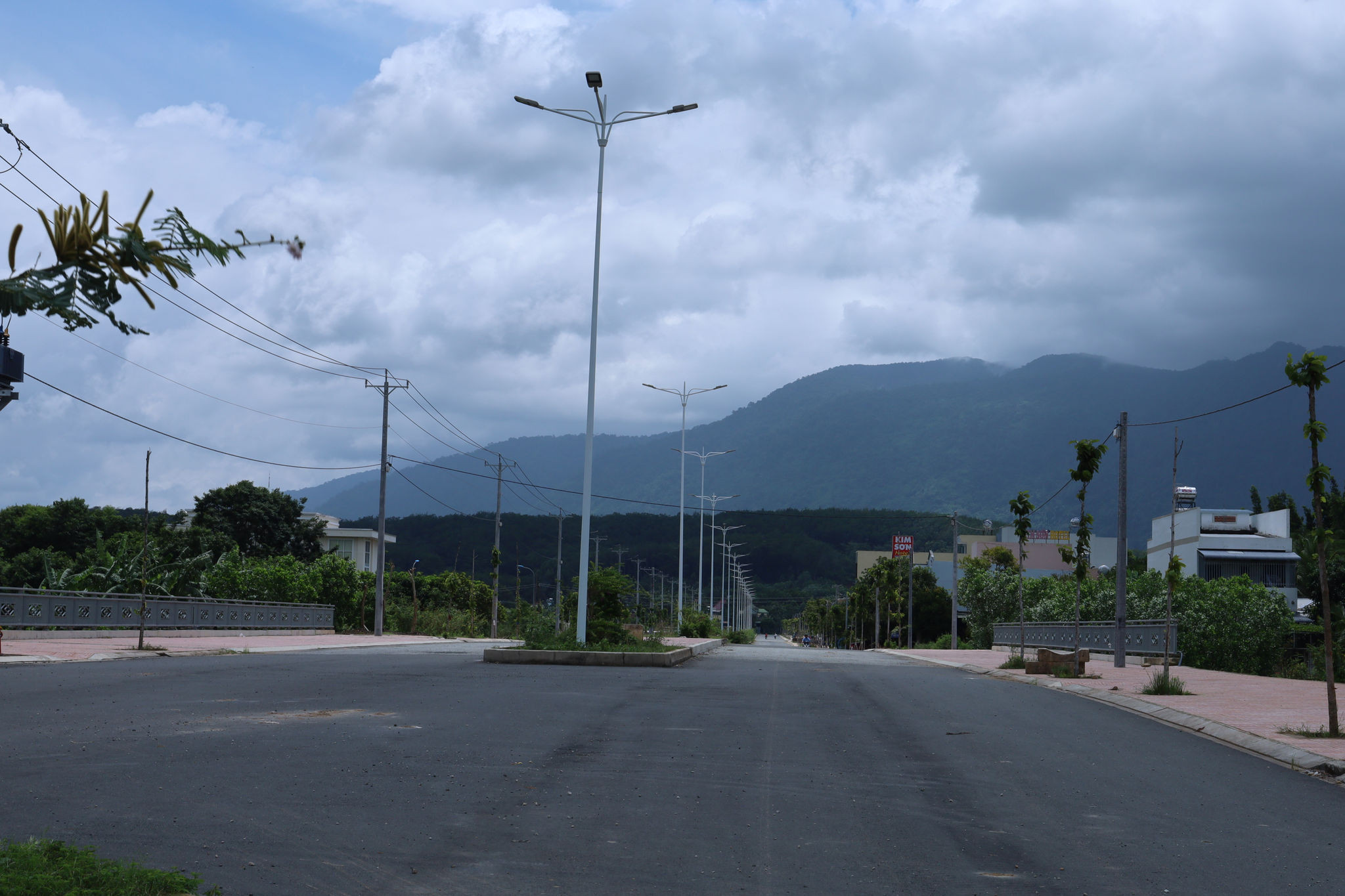
Nguyen Minh Dung, Vice Chairman of the Tanh Linh Commune People's Committee, noted that authorities at all levels, sectors, and localities have recently invested in and upgraded numerous transport projects, gradually improving travel conditions and regional connectivity. Notably, the N26 road project—featuring a 975-meter main route alongside sidewalks, greenery, street lighting, medium- and low-voltage power grids, and a 560 kVA transformer substation—is among the works helping complete local infrastructure.
Nevertheless, several roads and road sections in the area remain degraded, suffering from subsidence, potholes, and waterlogging. These shortcomings somewhat hinder travel, particularly freight transport during harvest seasons when demand for moving agricultural produce surges.
Among the projects proposed for investment by the two localities is the Tanh Linh - Dong Kho inter-commune road. Stretching approximately 10.3 kilometers, including a 9-kilometer main section, the route connects Provincial Road DT720 to National Highway 55. This transport axis is crucial for linking production areas across both communes, serving the transport of agricultural products from roughly 830 hectares of rice in Tanh Linh and 650 hectares of rice in Dong Kho.
Under the proposed plan, the project carries a total investment of about VND 131 billion, featuring a 6.5-meter-wide roadbed, two new bridges measuring 31 meters and 19 meters in length, a drainage system, and traffic safety works. Once funded, the road will improve traffic flow between the two localities, shorten agricultural transport routes, and better support production and trade for local residents.
Expanding rural development space
Alongside the inter-commune road, local authorities in Tanh Linh have also proposed investing in Doc Lap Street to complete the central area's transport network. Measuring about 2.1 kilometers long, the route starts at Street No. 7 near Linh Son Pagoda and ends at Tran Hung Dao Street. Currently, the road consists mostly of dirt and red gravel, impeding travel during the rainy season and generating dust in the dry season.
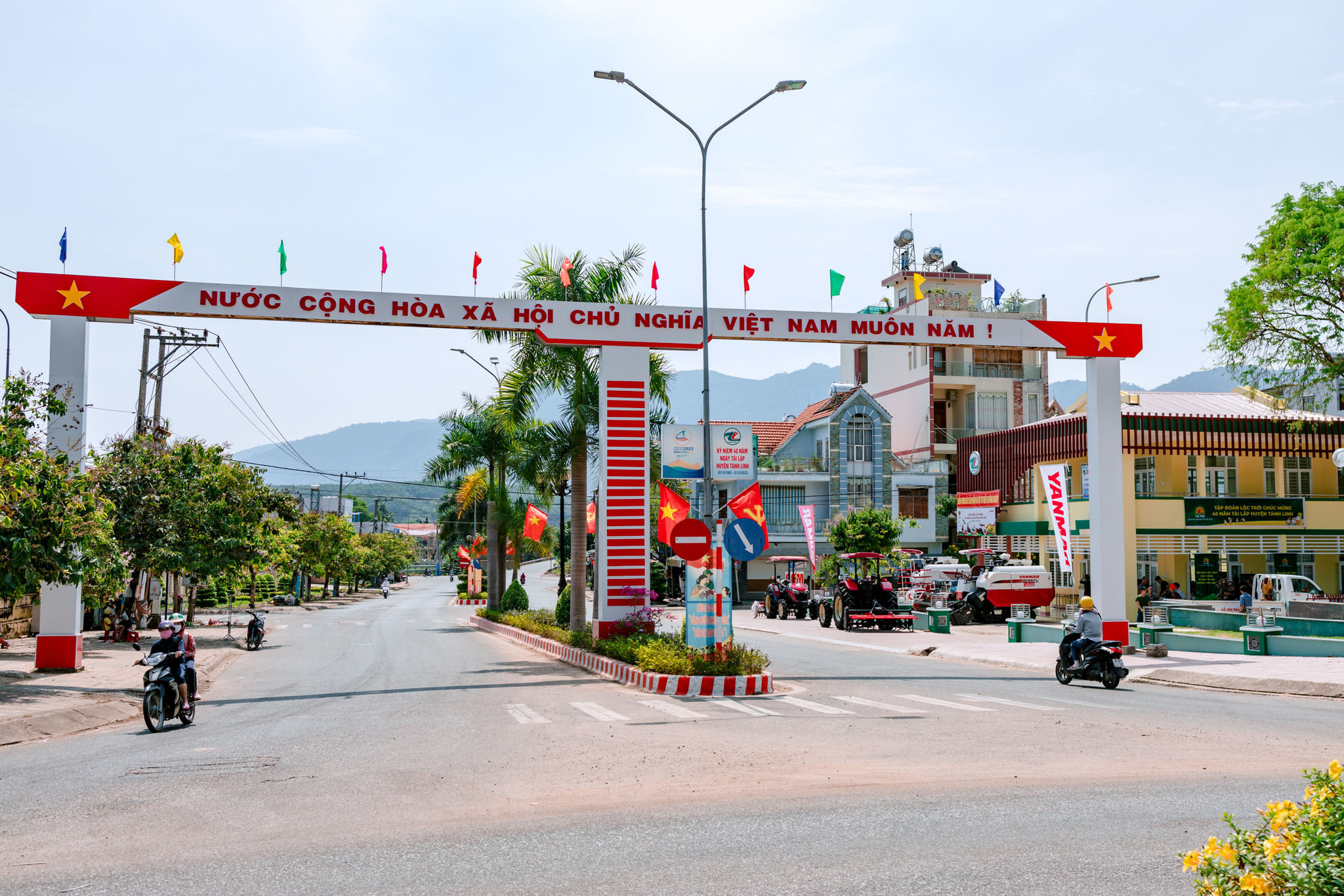
According to the proposal, the project has a total investment of roughly VND 55 billion, with a 14-meter-wide cross-section, drainage, street lighting, and traffic safety facilities. The road is expected to create an additional traffic corridor, ease pressure on main arteries, and better serve daily commuting, living, and freight transport needs for local residents.
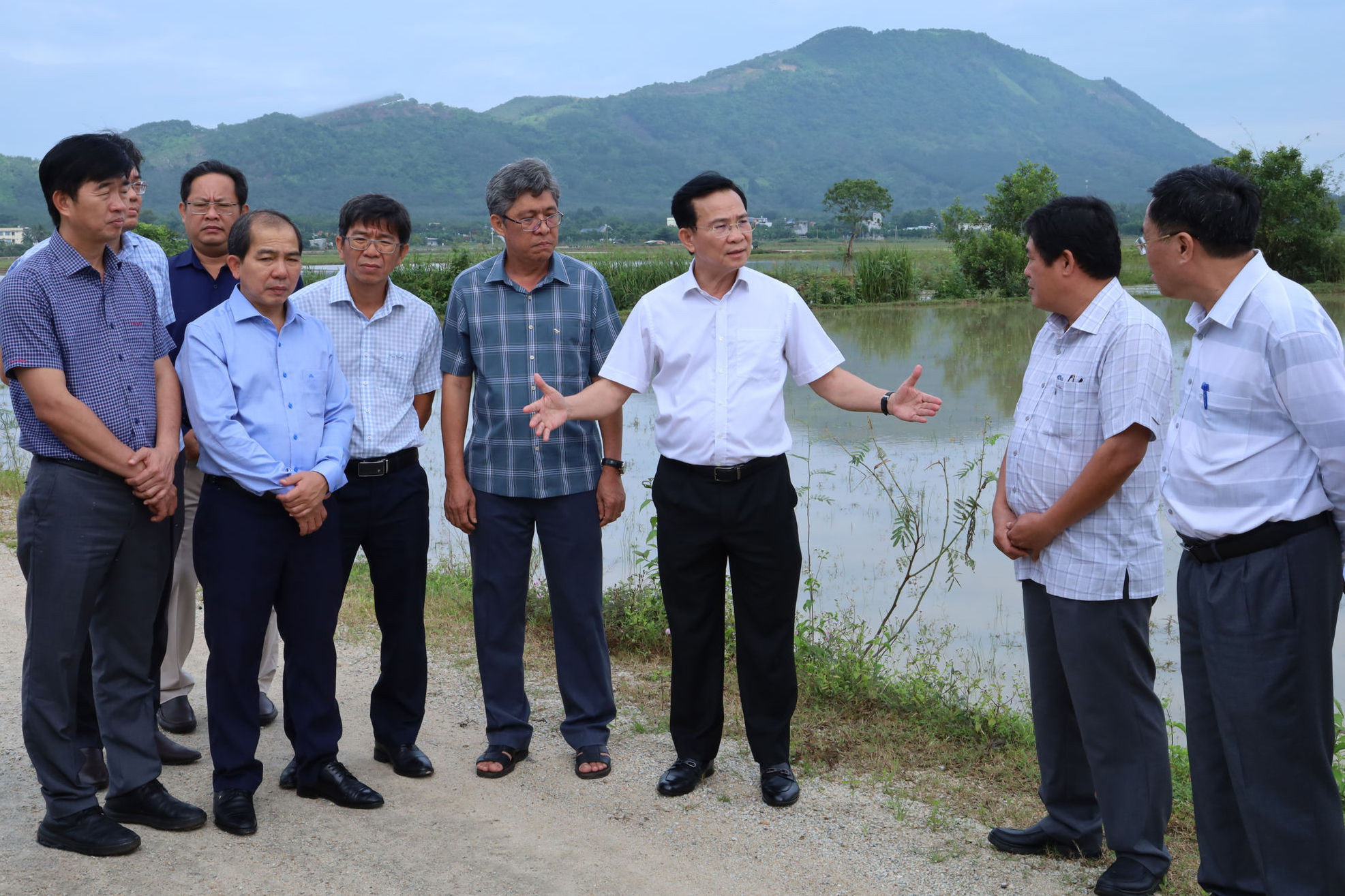
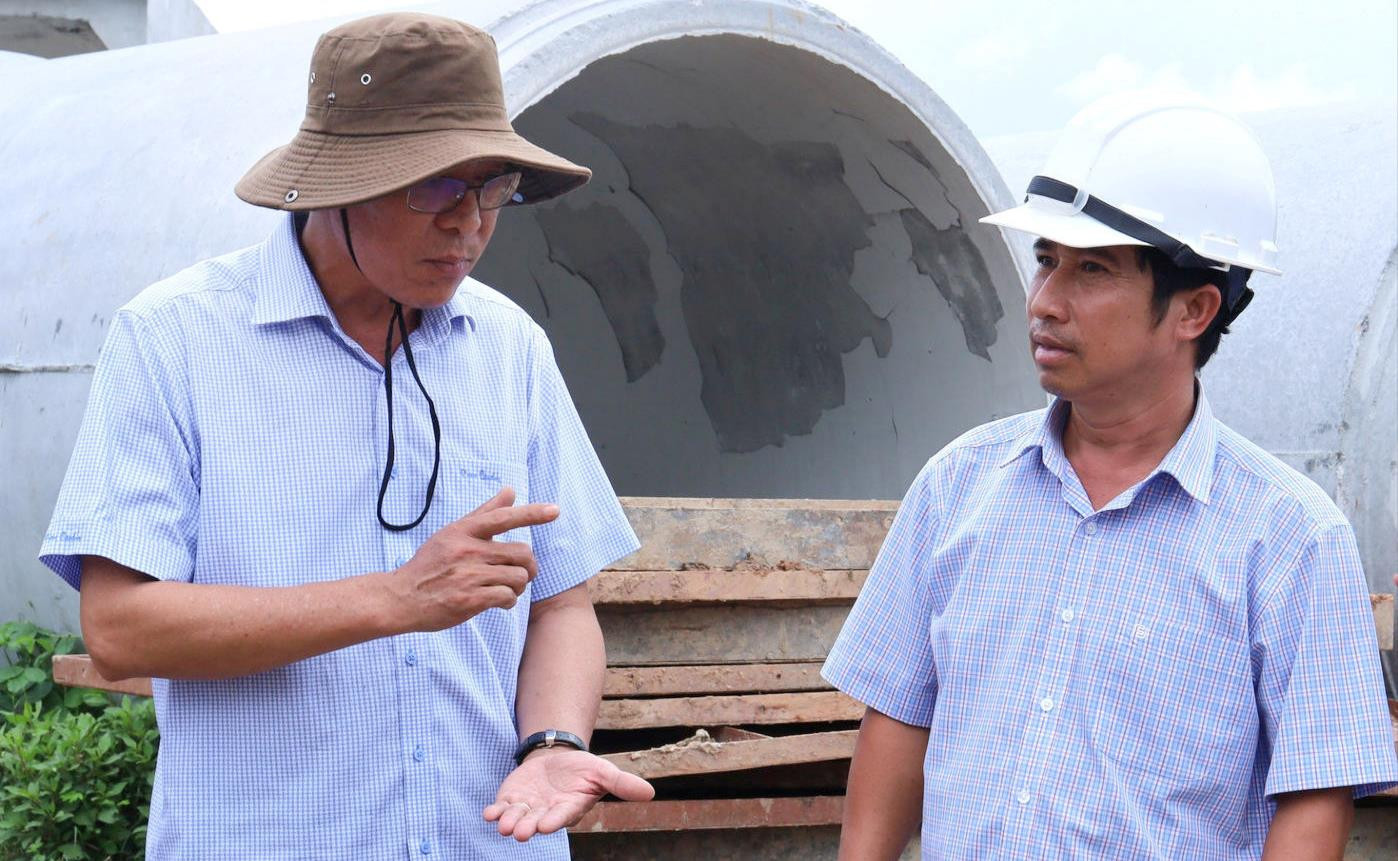
Both transport projects were surveyed on site by Lam Dong Provincial People's Committee Chairman Ho Van Muoi and a working delegation during a field trip to Tanh Linh and Dong Kho on September 26. Following the inspection, the Provincial People's Committee Chairman acknowledged the current state of the roads and the challenges they pose to travel, freight transport, and local socio-economic development. He instructed Project Management Board for Construction Investment No. 2 to coordinate with local authorities to urgently finalize investment procedures and launch the projects promptly once conditions are met, fulfilling residents' travel and agricultural freight transport needs.
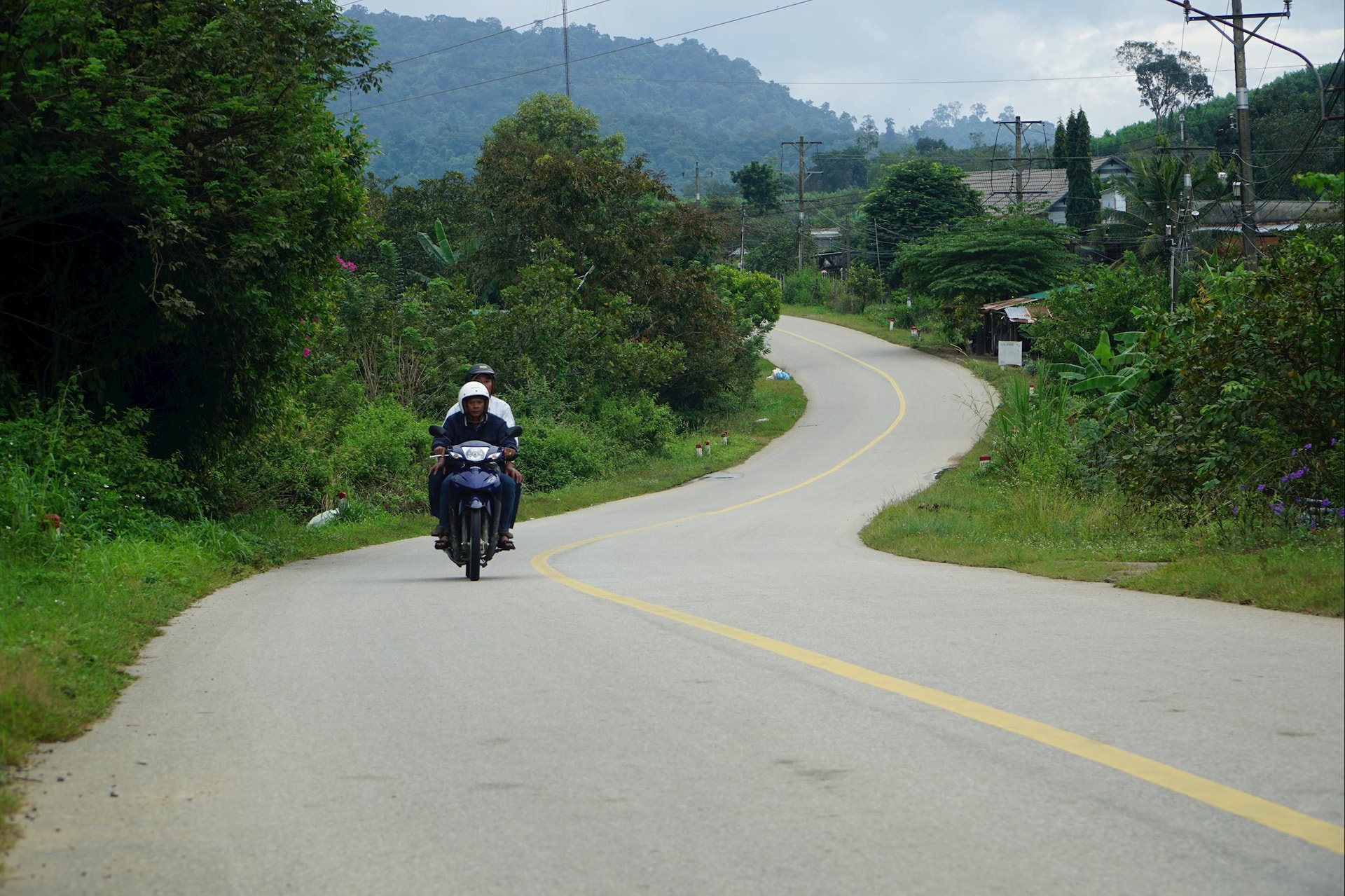
Practical experience in Tanh Linh and Dong Kho shows that transport investment not only addresses immediate needs but also unlocks existing advantages. When production zones are seamlessly linked to major transport arteries, agricultural produce gains greater access to purchasing hubs, processing facilities, and consumer markets.
Consequently, production organization and goods circulation can shift toward higher efficiency. Beyond agriculture, smooth transport infrastructure helps foster an attractive investment environment and expands production, business, and service activities, thereby creating jobs and raising incomes for workers in the locality and neighboring areas.
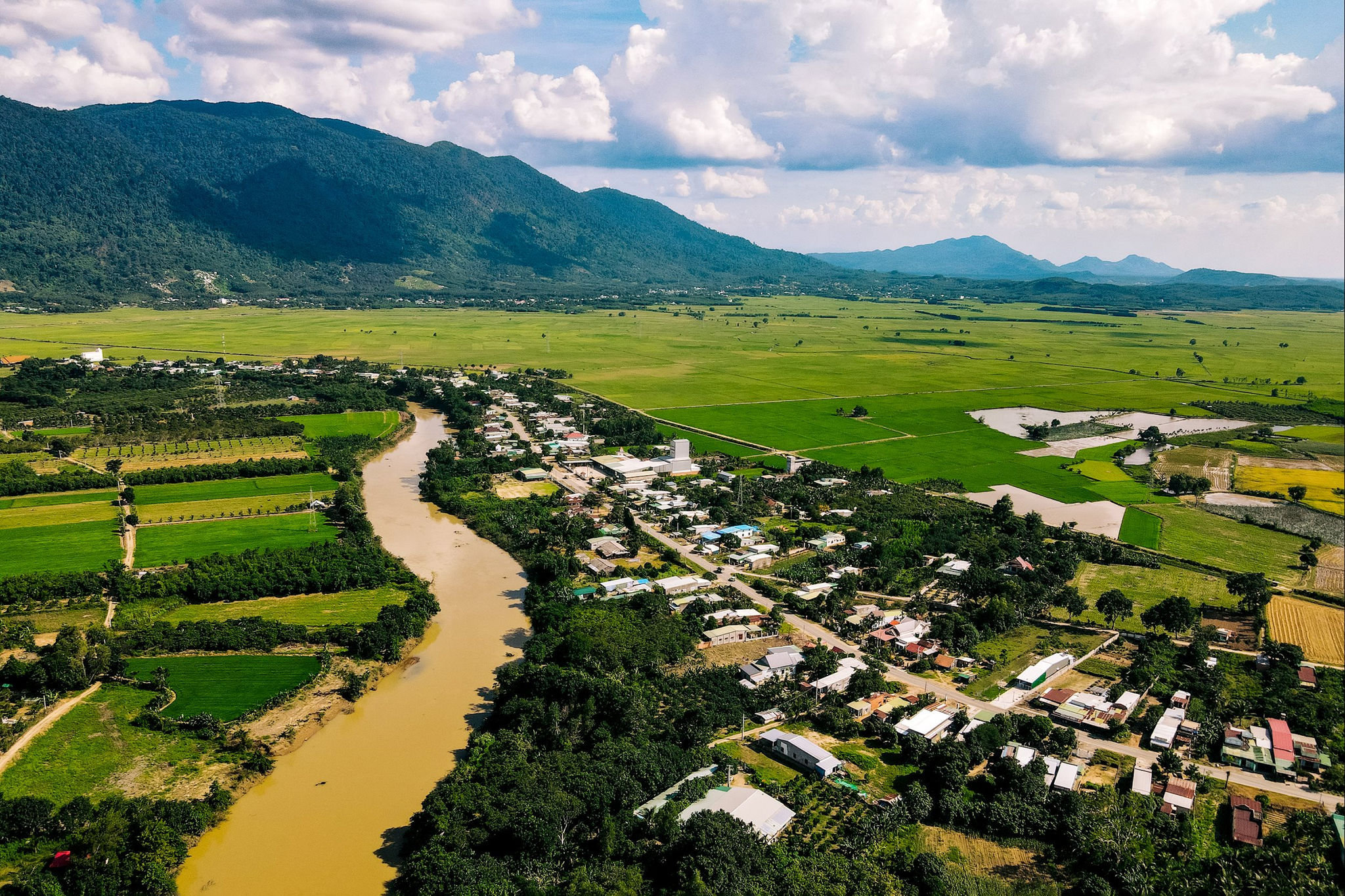
Following the merger, Tanh Linh and Dong Kho possess greater conditions to connect development spaces and leverage advantages in land, production zones, and labor resources. Within this development landscape, transport infrastructure not only links regions but also expands trade opportunities, attracts investment, and drives rural service activities.
Coordinated road investments aligned with practical needs will help bring each locality's potential closer to development opportunities, generating momentum to improve residents' livelihoods and continuously advance the rural economy in southwestern Lam Dong province.