


Promoting architectural heritage for tourism development
With more than 1,500 historic villas bearing distinctive French architectural influences, Da Lat possesses a hidden tourism resource nestled among its pine forests. Its architectural heritage forms part of the city’s collective memory and contributes to a refined and distinctive tourism experience.
The appeal of architectural heritage
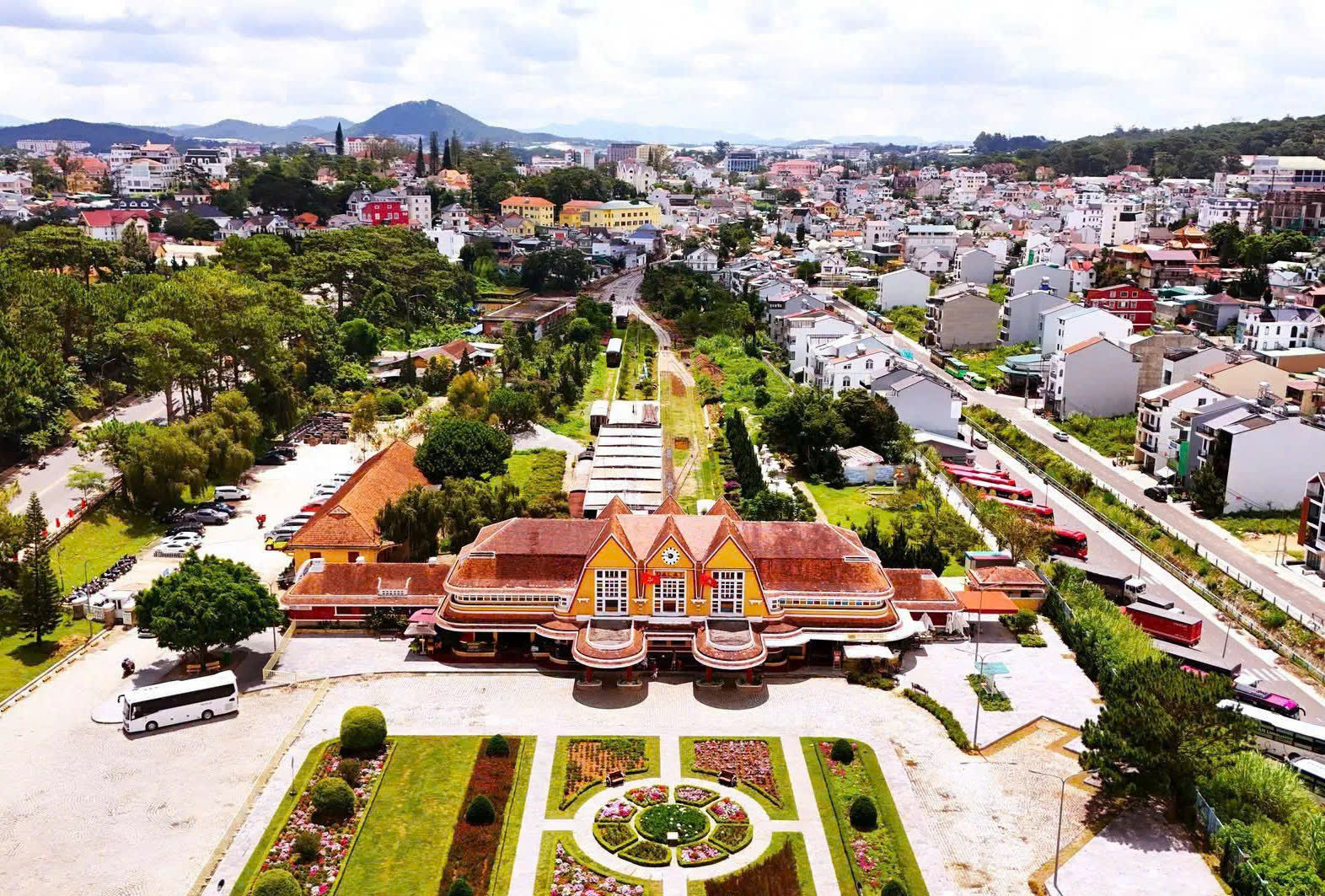
While Da Lat Railway Station impresses visitors with its roof design, reminiscent of the peaks of Lang Biang Mountain, Da Lat College draws attention with its curved buildings and soaring bell tower. Both were recognized as national-level heritage sites in 2001. Da Lat College was also named one of the 1,000 outstanding architectural works of the 20th century. The two landmarks are now among Da Lat's popular tourist attractions.
Alongside its iconic architecture, Da Lat Railway Station is also the starting point of an approximately 8-kilometer railway route connecting Da Lat with Trai Mat. Following its restoration and reopening, the route takes visitors through residential areas, vegetable and flower-growing regions and rolling hills. Architectural sightseeing at the station can be combined with visits to Linh Phuoc Pagoda, coffee experiences, onboard musical performances and nighttime views of Da Lat illuminated by countless greenhouses.
Da Lat College is regularly restored and upgraded while retaining its original educational function. The site continues to attract visitors who pause along its corridors, look through its windows toward the sky and take photographs in its nostalgic surroundings.
The appeal of architectural tourism does not necessarily lie in grand structures. Sometimes, an old roof, an arched doorway, a fireplace chimney, a passageway, a wooden staircase or a stone wall can become a memorable place to stop and admire.
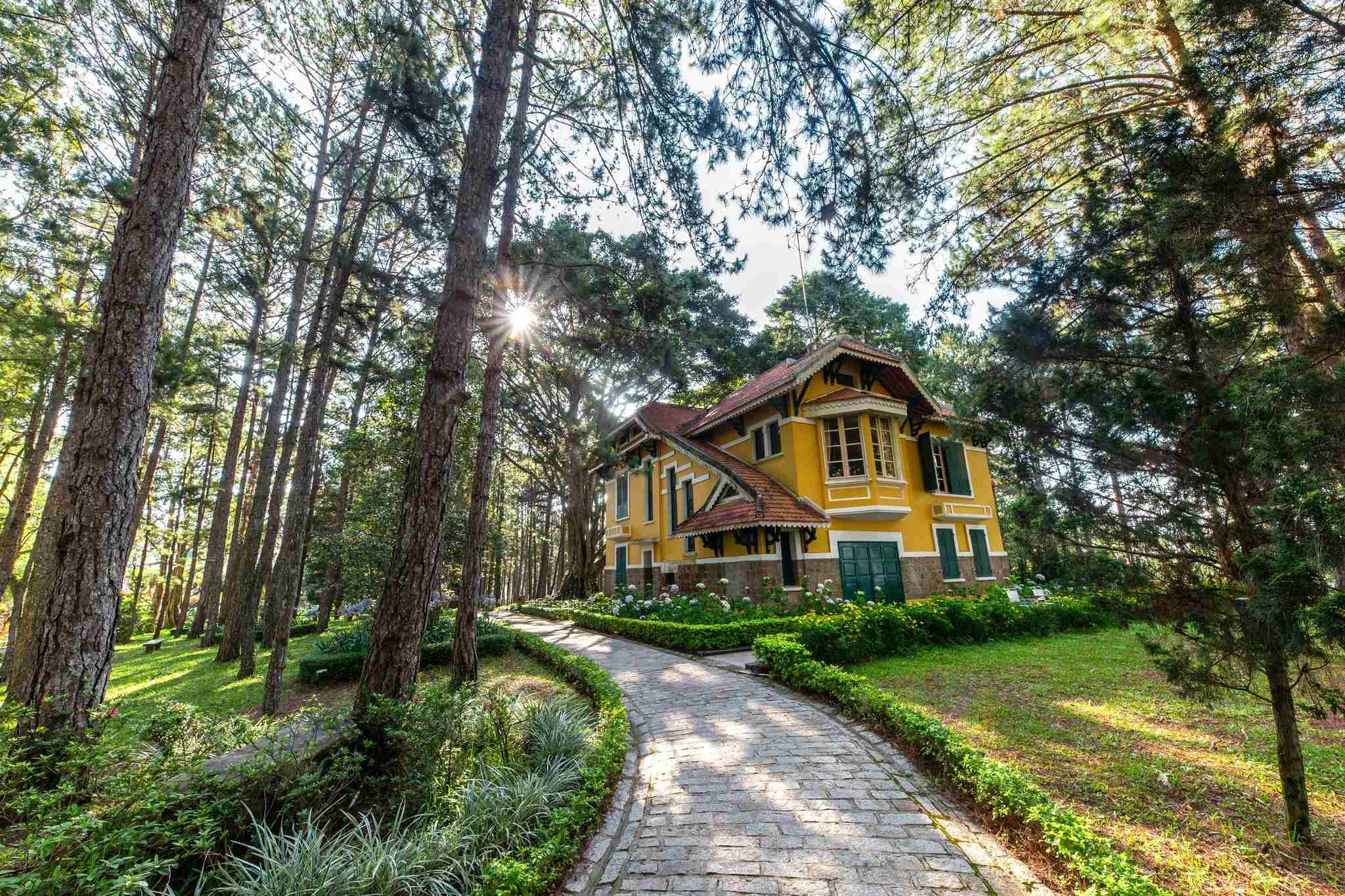
Historic residences associated with King Bao Dai and Queen Nam Phuong also attract visitors interested in the history associated with Dinh I, Palace III (Dinh III) and the Nam Phuong Queen Palace.
Nestled among pine forests, Palace I stands out with its stone-paved entrance, two rows of old eucalyptus trees with weathered silver trunks, and colorful gardens and courtyards surrounding the main building. Inside, parts of the daily life and working environment of the last emperor of the Nguyen Dynasty have been recreated.
Palace III and the Nam Phuong Queen Palace also draw visitors through their combination of architecture, interiors and historical stories. Rooms, personal belongings, furniture and royal artifacts allow visitors to imagine the luxurious and regal lifestyle that once unfolded within these residences.
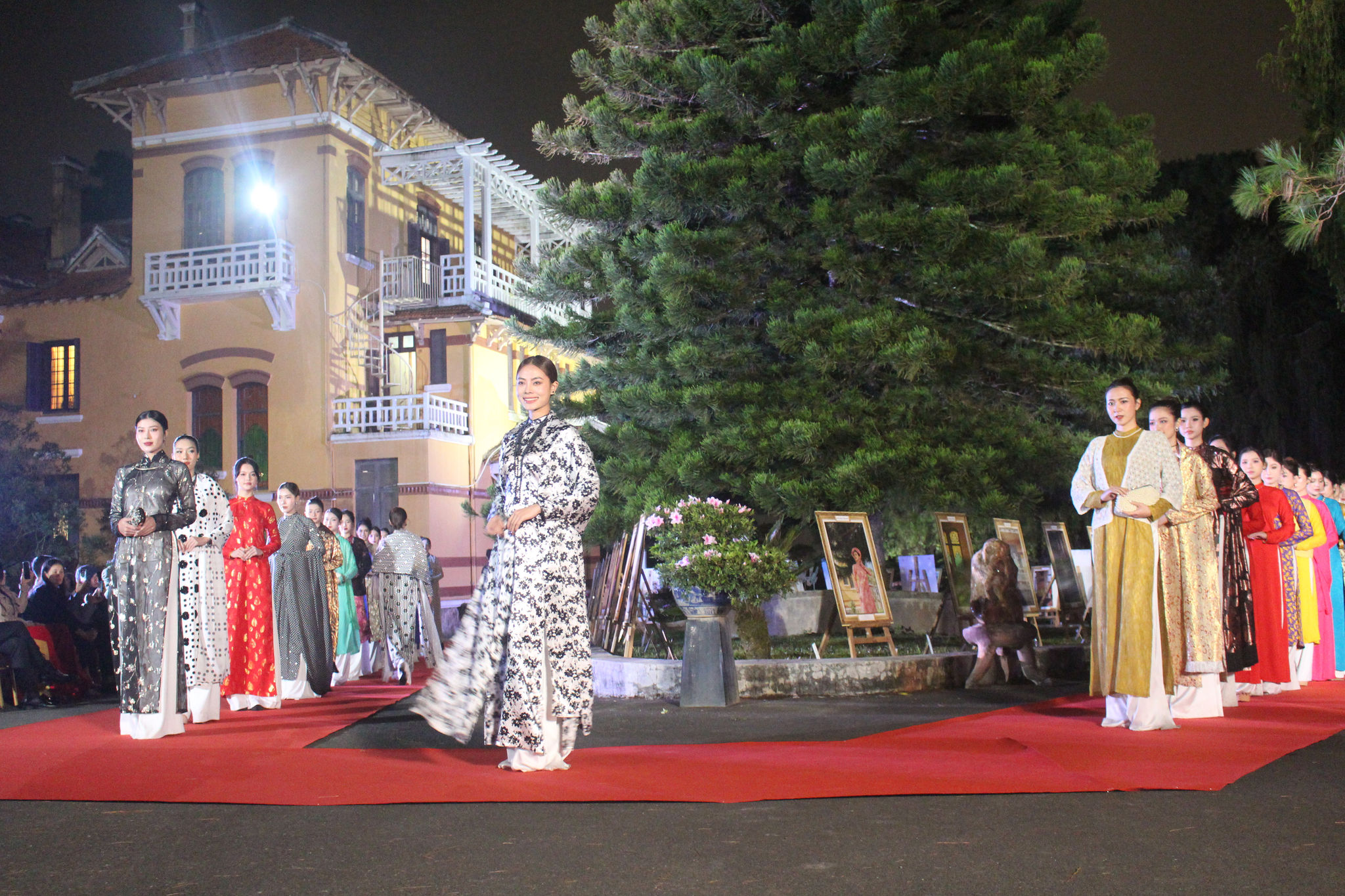
The historic residences also offer spaces where visitors can dress as members of the royal family, including princes and princesses, creating engaging experiences and opportunities to capture memorable photographs.
What I find most fascinating is that every villa has its own character. Being here feels like stepping into Da Lat as it was a century ago.
Nguyen Le Cuong, a visitor from Hue
Bringing architectural heritage to life through tourism
The Le Lai Villa complex has been home to Ana Mandara Villas Dalat Resort for the past two decades. The complex consists of 15 villas built over a 10-year period from 1929 to 1938, featuring architectural styles characteristic of eastern France.
Each villa resembles a work of art arranged along the hillside, with its own private grounds ranging from 1,000 to 2,000 square meters, including walking paths, flower gardens, greenery and landscaped areas. The villas are spaced far enough apart to provide tranquility and privacy while remaining close enough to form a distinctive architectural ensemble.
The architectural beauty of the complex is not simply a reproduction of French houses. European architecture was adapted to Da Lat's cool, humid climate and frequent rainfall.
Features such as layered doors, shutters, 40-centimeter-thick walls and semi-basement designs served practical purposes, including retaining heat, reducing noise and limiting the effects of humidity.
Following restoration, the villa complex was transformed into an accommodation destination. Every detail, from window sills and partitions to staircases and fireplaces, forms part of a carefully integrated architectural whole.
Each feature exists for a reason. These seemingly small details can be particularly fascinating to architecture and visual arts enthusiasts, encouraging them to pause and examine the architecture more closely.
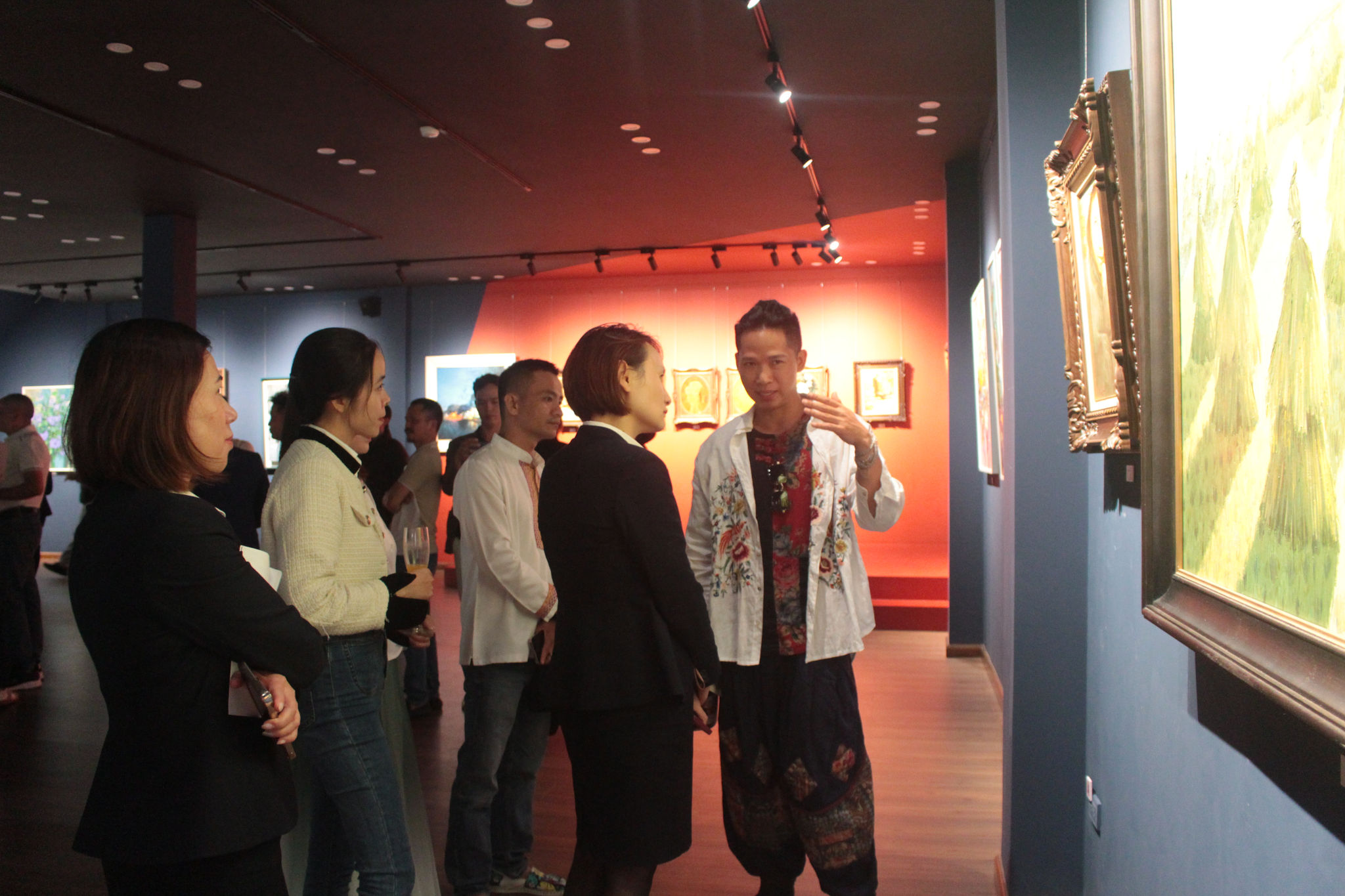
To enhance the experience, the complex also hosts art exhibitions, afternoon tea and creative activities. In this way, the heritage site has acquired a new life while retaining its historic appearance.
Similarly, the historic villa complex on Tran Hung Dao Street was built in the 1920s. Seventeen villas have been restored to preserve their original features, including wooden ceilings, stone fireplaces, parquet floors and leaded glass windows.
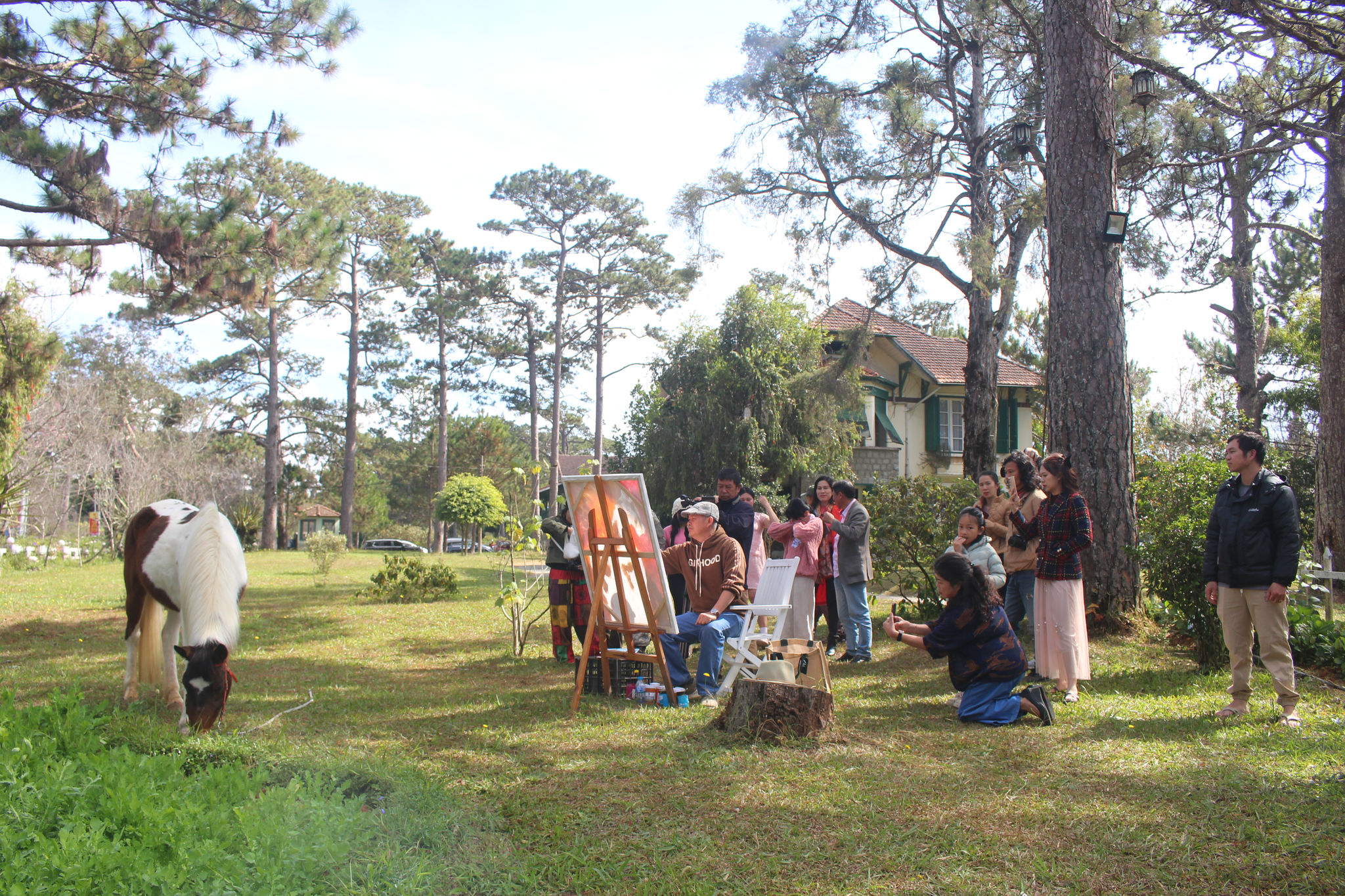
Dalat Cadasa Resort serves not only as an accommodation destination but also as a venue for a variety of artistic activities. Surrounded by pine forests, lawns and flowers, the complex has hosted weddings as well as numerous painting and photography exhibitions.
Nguyen Thi Bich Ngoc, Deputy Director of the Lam Dong Department of Culture, Sports and Tourism, said that recent efforts have focused on promoting the value of architectural heritage for tourism development while identifying the distinctive value of individual buildings and integrating them appropriately into tourism activities.
“Alongside developing tours and routes associated with heritage sites, tourism operators and businesses have created distinctive experiences based on the unique characteristics of each heritage property,” she said.
In the coming period, relevant departments and agencies will continue reviewing and cataloging the city's architectural heritage and assessing the architectural and artistic value of individual historic villas.
The effort aims to unlock the full potential of Da Lat's architectural heritage, integrate these assets more effectively into tourism development and ensure that their cultural and historical value is not left underutilized.