


Promoting Greater Decentralization in Implementing National Target Programs
Deputy Prime Minister Ho Quoc Dung has urged ministries, agencies, and localities to accelerate the implementation of National Target Programs by removing bottlenecks, expanding decentralization, and empowering local governments to make decisions, take action, and assume responsibility.
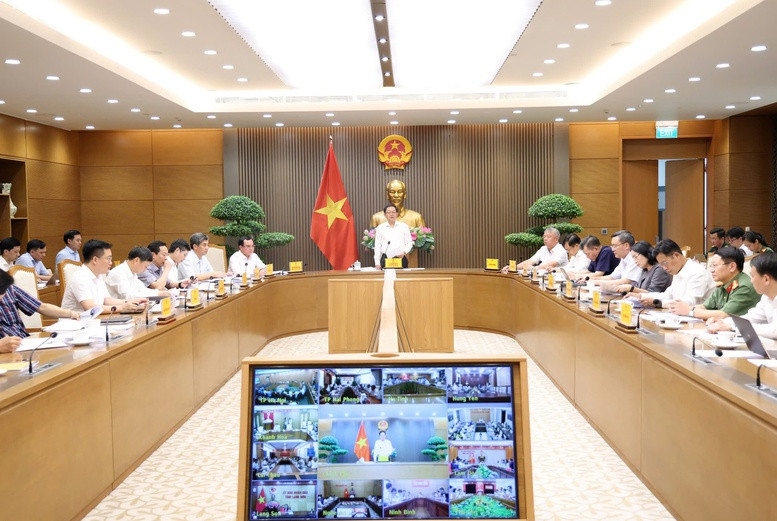
On the afternoon of July 6, Deputy Prime Minister Ho Quoc Dung chaired a nationwide online conference to assess the progress of the National Target Programs (NTPs) on New Rural Development, Sustainable Poverty Reduction, and Socio-Economic Development in Ethnic Minority and Mountainous Areas for the period of 2026–2030, while also identifying key priorities through the end of 2026.
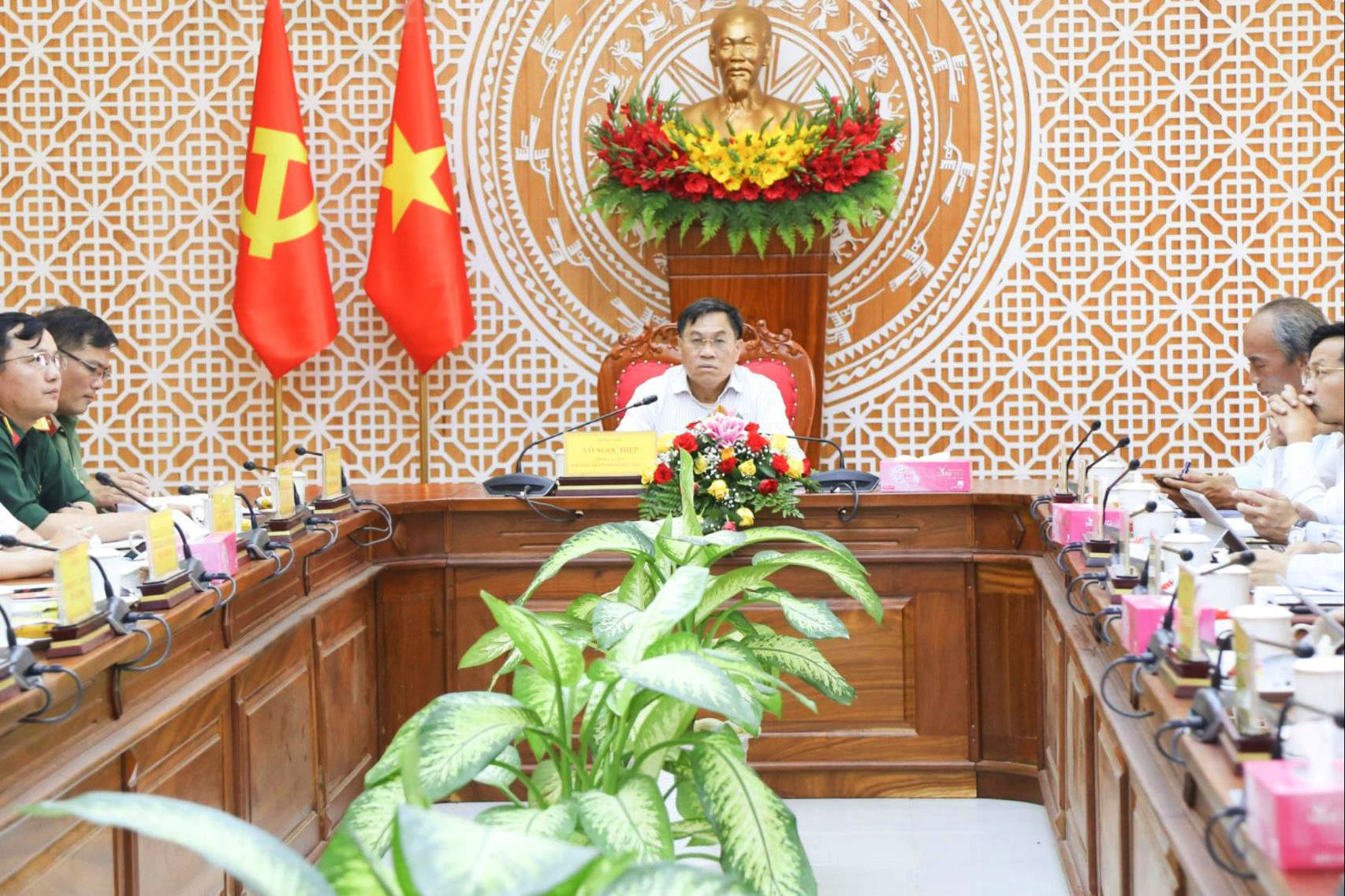
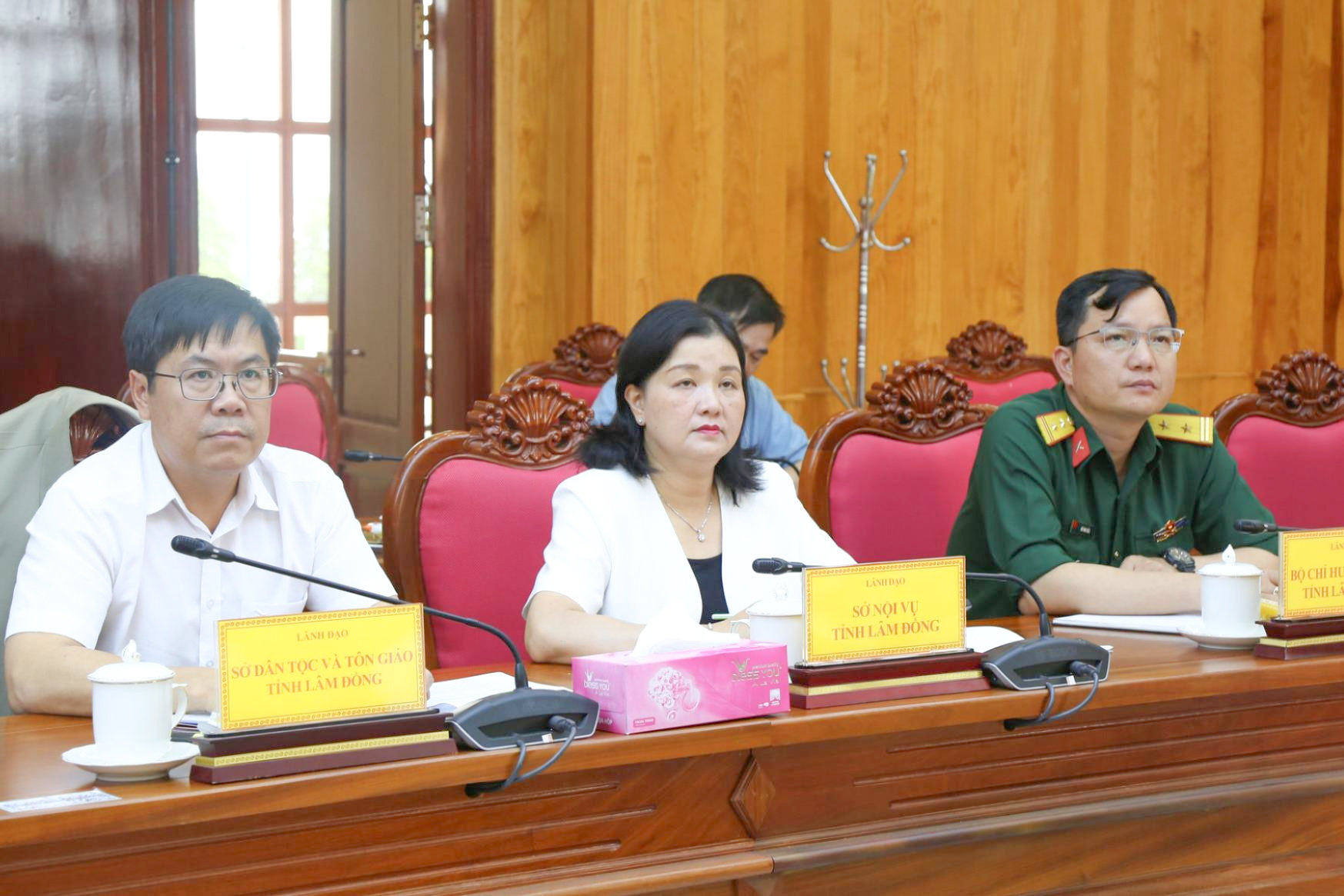
At the Lam Dong conference venue, the meeting was attended by Vo Ngoc Hiep, member of the Provincial Party Committee and Vice Chairman of the Provincial People's Committee, as well as representatives from various provincial departments and agencies.
As stated by the Ministry of Agriculture and Environment, the existing National Target Program combines the three former programs into a cohesive structure aimed at bolstering decentralization, optimizing resource distribution, and improving results-oriented management.
For the period of 2026 to 2030, the projected total state budget designated for the program is around VND 423 trillion, which includes VND 100 trillion from the central government.
By the end of June 2026, the national government had issued 54 guidance documents to assist local execution and finished the allocation of VND 70 trillion in public investment capital from the central budget to localities.
However, various challenges still exist. Some ministries and central agencies have been sluggish in providing implementation guidelines, affecting local planning and execution.
Additionally, the disbursement of funds carried over from 2025 to 2026 has been slower than anticipated, and the integrated program for the 2026–2030 period encompasses wider objectives, necessitating improved coordination, resource integration, and capacity for implementation.
By 2030, the program strives to boost rural household incomes by 2.5 to 3 times compared to figures from 2020, lower the multidimensional poverty rate by 1–1.5% each year, and ensure that around 65% of communes across the country meet new rural standards, with 10% reaching advanced new rural standards.
At the conference, representatives from various ministries, agencies, and localities addressed current challenges and suggested effective solutions to meet these objectives.
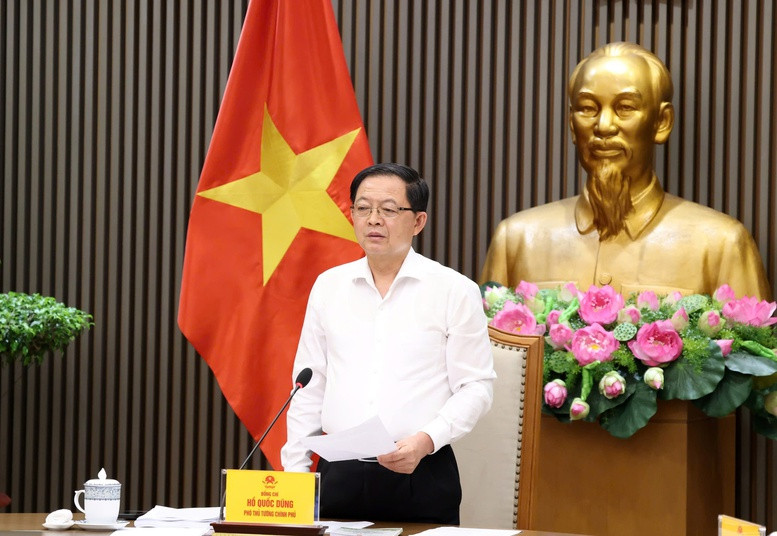
In his closing remarks, Deputy Prime Minister Ho Quoc Dung highlighted the vital importance of the 2026–2030 National Target Programs in fostering rapid and sustainable growth while enhancing the living standards of citizens. He called on ministries, agencies, and localities to swiftly transform national goals into detailed action plans that include specific priorities, timelines, available resources, and assigned responsibilities.
Each ministry and locality must improve its management mechanisms and strengthen decentralization in the spirit of 'localities decide, localities implement, and localities take responsibility,' while reinforcing inspection, supervision, and accountability, especially among leaders.
Deputy Prime Minister Ho Quoc Dung
The Deputy Prime Minister urged local governments to prioritize and efficiently utilize available resources, especially for ethnic minority communities, mountainous regions, and underprivileged areas. He highlighted the need to ensure that investments do not result in duplication, fragmentation, or impose excessive financial strains on local residents.
He also pointed out that the implementation should lead to meaningful progress in new rural development, foster rural economic growth along with agricultural restructuring, and accomplish sustainable poverty alleviation through job creation, enhancement of livelihoods, and better access to essential social services.
In the last six months of 2026, the Deputy Prime Minister directed ministries and agencies to quickly finalize the implementation mechanisms, provide necessary guidance, allocate funds to localities, and aim to fully utilize all leftover capital from the preceding program period.
He also encouraged authorities at every level to enhance training for local officials, improve national databases, strengthen monitoring systems, and swiftly tackle any issues in implementation, ensuring that the National Target Programs are effectively executed right from the start of the 2026–2030 period.