


Promoting Low-Emission Crop Production
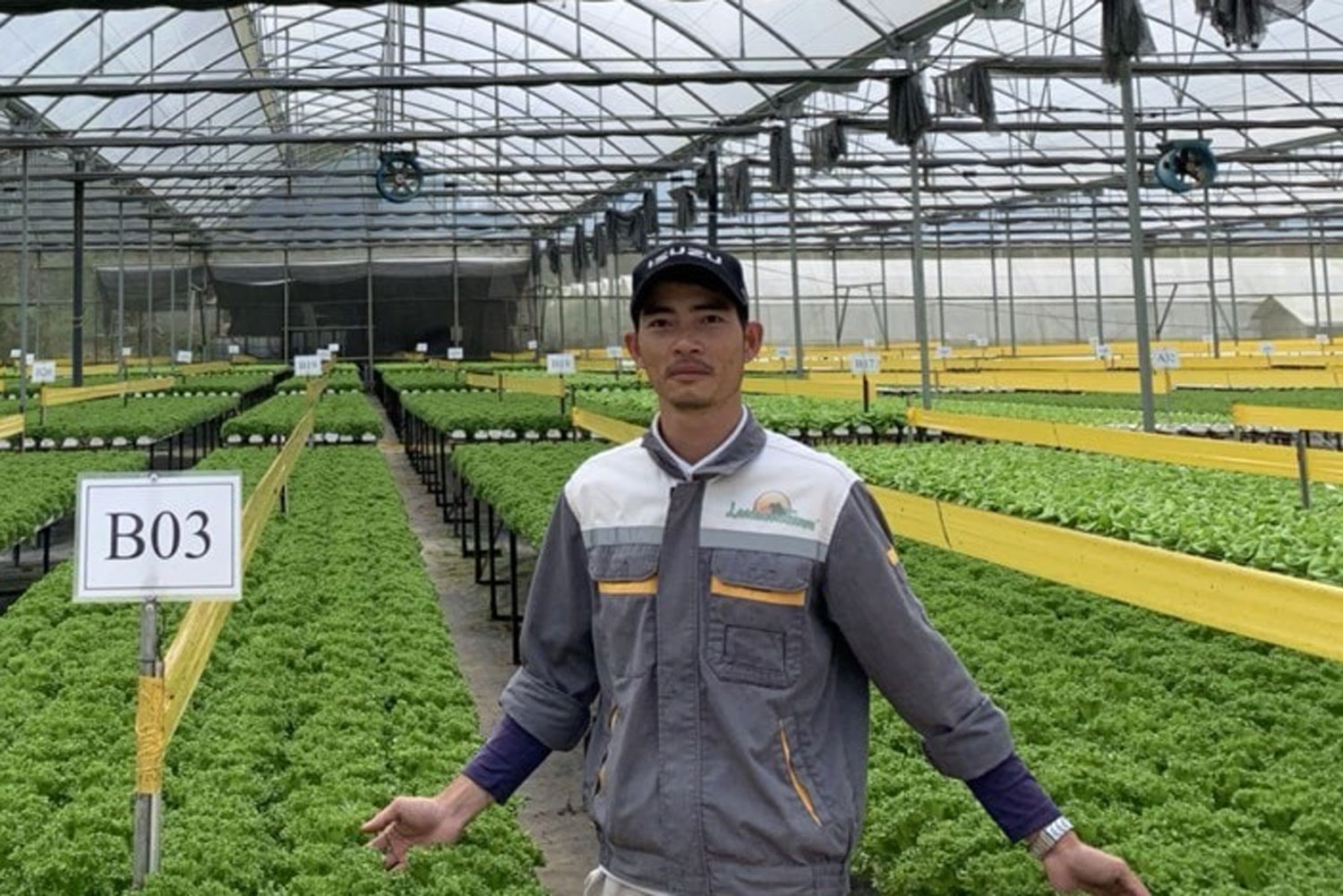
Building on its position as a national leader in high-tech agriculture, Lam Dong is accelerating its transition to low-emission crop production, enhancing climate resilience and advancing green, circular and sustainable agriculture.
Expanding Low-Emission Farming
By 2035, the crop production sector aims to reduce total greenhouse gas emissions by at least 15% compared to 2020 levels. More than 80% of agricultural waste is expected to be collected and reused within circular systems, while over 30% of cultivated areas will adopt sustainable production standards.
The province also plans to develop five crop production models capable of generating carbon credits that meet international requirements, while prioritizing the establishment and promotion of a low-emission label for two key commodities: coffee and pepper. At the same time, training and capacity-building programs on technical practices, policies, awareness and emission measurement tools will be delivered to at least 150 local technicians, extension workers, farmers and businesses.
Looking ahead to 2050, Lam Dong envisions building a comprehensive digital database on emissions in crop production, fully integrated with the national monitoring system. The “low-emission” label is expected to be widely applied across agricultural value chains, with 100% of key crop areas adopting sustainable farming practices in line with certified standards such as organic, VietGAP and GlobalGAP, alongside the expansion of value chain linkages.
In practice, industrial crops and fruit trees such as coffee, pepper and durian will apply water-saving irrigation, smart nutrient management and intercropping with forestry and other plant species to form multi-layered agroforestry landscapes. These approaches aim to increase carbon sequestration, reduce soil erosion and improve soil quality.
Rice cultivation will adopt alternate wetting and drying techniques, combined with non-burning straw management. For maize and cassava, erosion control strips and green manure cover crops will be integrated with organic fertilization and lime application to enhance soil fertility. Vegetable and flower production will focus on optimizing the use of fertilizers and plant protection products, while increasing the use of organic inputs and biological solutions.
In addition, science and technology initiatives will support the development of drought-tolerant, pest-resistant crop varieties, along with tailored low-emission farming packages. Five pilot models for emission reduction will be implemented across organic vegetables, coffee, maize, cassava, durian and pepper.
Integrating Emission Reduction Indicators
According to the provincial People’s Committee, based on the Measurement, Reporting and Verification (MRV) system developed by the Ministry of Agriculture and Environment, the Department of Agriculture and Environment will coordinate with relevant agencies to collect data, monitor and evaluate emission reduction indicators, and integrate them into the province’s centralized smart monitoring and operations system.
This will contribute to the development of a comprehensive database for crop production zones, incorporating cultivation history and emission reduction metrics. It will also support organizations and individuals in applying digital tools for electronic farm records, linked to crop area management and the measurement of key activities such as fertilization, irrigation and by-product treatment.
On the policy front, Lam Dong will continue to review and adjust relevant programs and plans to promote the adoption of advanced technologies and circular production processes aligned with low-emission certification standards.
In parallel with encouraging enterprises to develop region-scale low-emission production models, the province will strengthen greenhouse gas monitoring and implement MRV processes to enhance the value of agricultural products in international markets—particularly those with stringent technical requirements such as the EU.
For enterprises and cooperatives, Lam Dong will support access to export markets through trade promotion activities, market access negotiations and the promotion of low-emission agricultural products at domestic and international trade fairs.